
Yekki Village (예끼마을)
17.3Km 2024-05-30
14 Seonseong-gil, Dosan-myeon, Andong-si, Gyeongsangbuk-do
Yekki Village is an artistic village in Andong. The alleyways are decorated with colorful murals, the galleries feature work from local artists, and visitors can experience a hanok experience. The biggest charm of the village is the Sunseong Susang-gil Waterway, a floating path across the lake.
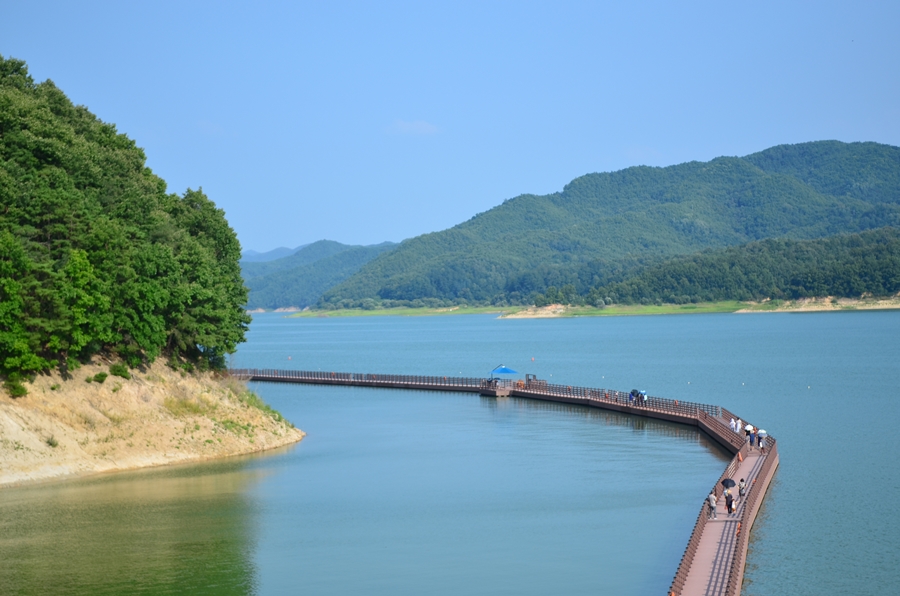
Sunseong Susang-gil Waterway (선성수상길)
17.3Km 2024-05-30
14 Seonseong-gil, Dosan-myeon, Andong-si, Gyeongsangbuk-do
Sunseong Susang-gil Waterway is a 1-kilometer-long floating pathway that connects Sunseonghyeon Culture Complex with Andong Lakeside Park. Because the pathway floats on the water, it rocks with each step one takes, creating the feeling of truly walking on water. At the halfway point of the waterway is an exhibition of black-and-white photos and materials from Yean Elementary School, lost to the formation of the lake following the construction of Andong Dam in 1974.
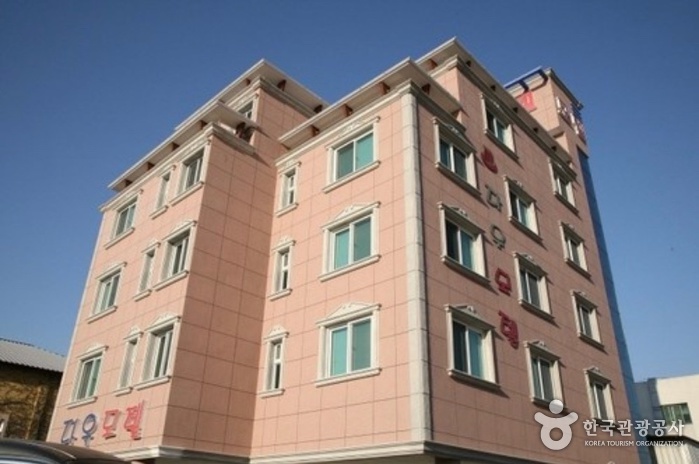
Dawoo Motel (다우모텔)
17.4Km 2024-12-19
66 , Jangteojungang-gil, Andong-si, Gyeongsangbuk-do
The Dawoo is a motel in the downtown area of Pungsan-eup, Andong-si, Gyeongsangbuk-do, whose reasonable rates make it a favorite with visitors to Hahoe Village. Guestrooms are either bedroom-style or ondol-style. There is no extra charge for additional members when family travelers use the ondol room. Some rooms have bathtubs. Bottled water, coffee, and soft drinks are provided free of charge upon arrival. Pets are welcome, and there’s an English language information services if needed. Hahoe Folk Village and Byeongsan Seowon Confucian Academy are just 20 minutes away by car.
![Yangsodang[Korea Quality] / 양소당[한국관광 품질인증]](http://tong.visitkorea.or.kr/cms/resource/55/2803255_image2_1.jpg)
Yangsodang[Korea Quality] / 양소당[한국관광 품질인증]
18.1Km 2024-10-30
28 , Jangtaegol-gil, Andong-si, Gyeongsangbuk-do
Yangsodang is the head house of the Andong Kim Clan, which dates back 230 years and is located in Sosan Village in Andong, Gyeongsangbuk-do. Being a true hanok built by joining wood without nails, this house is a perfect place to take in the beauty of traditional Korean architecture. There are five guest rooms, including the Anchae Anbang (main room in the main building), a large ondol (underfloor heated) room across from the Anchae (main building), and a large Sarangchae (detached building) that has two rooms with a maru (wide wooden floor area); all of the rooms, except the small room, have either a daecheong maru (wooden-floored living room) or toenmaru (narrow wooden porch). In the yard east of Yangjo-dang, you can experience what it is like to live in a hanok, as well as participate in craft activities using Hanji (Korean paper).
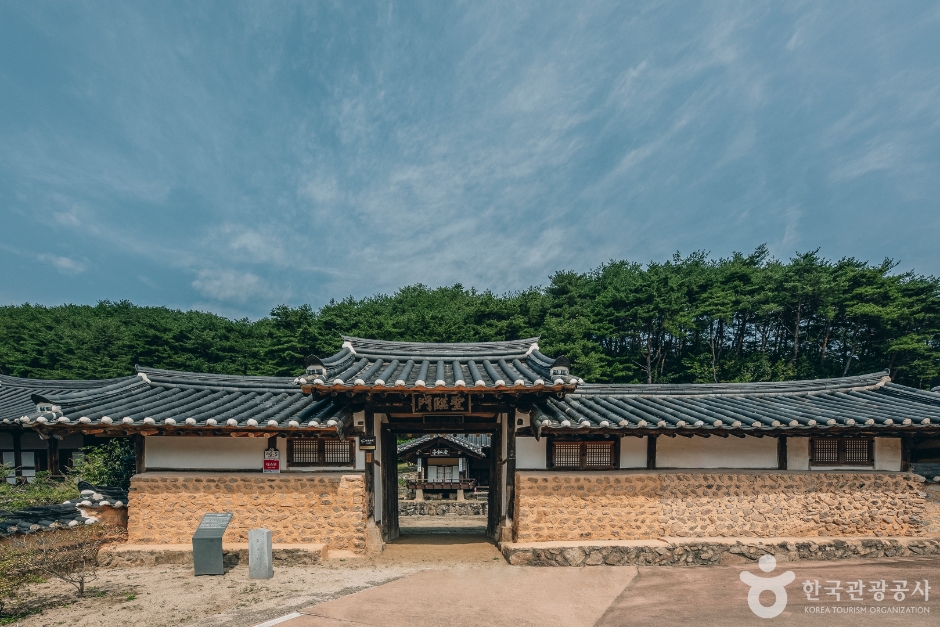
Nosongjeong Head House (노송정종택(퇴계생가))
18.5Km 2024-12-13
46-5 , Onhyejungma-gil, Andong-si, Gyeongsangbuk-do
Nosongjeong Head House is located in Dosan-myeon, Andong, Gyeongsangbuk-do and is the birthplace of Toegye Yi Hwang. The room in which Toegye Yi Hwang was born is known as Toegye Taesil, and it is uniquely designed in the shape of a castle with banisters covering three sides of the center. There are seven guest rooms, including keun sarangchae (large detached building) and chaekbang (study), and a bathroom in anbang (main room). Nosongjeong Pavilion consists of two large rooms with a maru equivalent of a wide wooden-floored area, and the bathroom and shower are outside. Guests staying in the upper room, lower room, large room, and small room also have to use the outdoor bathroom. Nearby are historic sites such as the Dosanseowon Confucian Academy, Cheongnyangsa Temple, and Gukmangbong Peak.
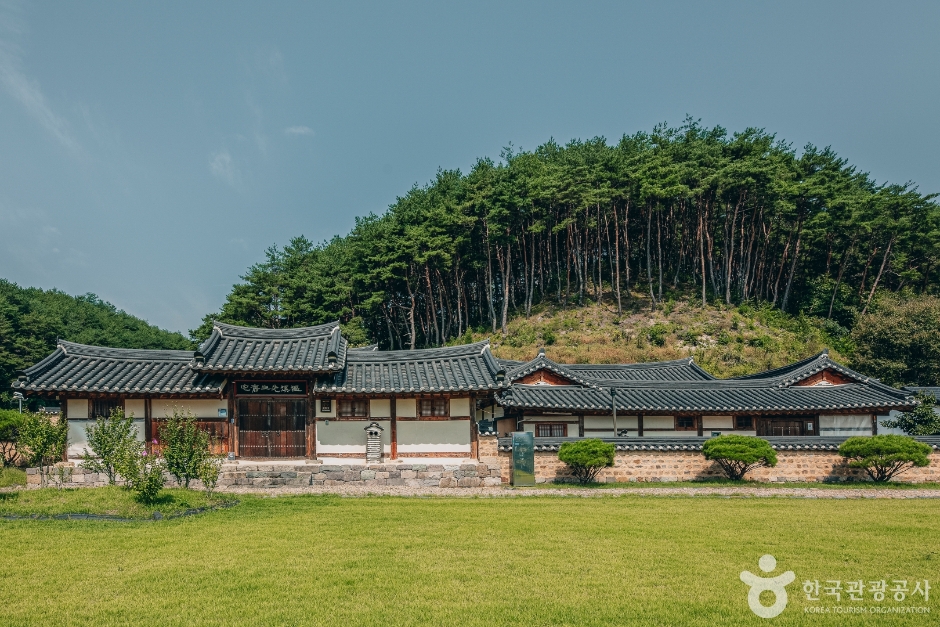
On-gye Jongtaeg (Sambaegdang) / 온계종택 삼백당
18.7Km 2025-03-04
20 , Onhyejungma-gil, Andong-si, Gyeongsangbuk-do
Ongye Jongtaek Sambaekdang in Andong, Gyeongsangbuk-do, is a restored hanok and original home of Ongye Lee Hae, the older brother of the famous Toegye Lee Hwang. Right outside the hanok stands a 500-year-old chestnut tree, symbolic guardian of the village. Some guestrooms have bathrooms with toilet, while some have AC. The shower room, laundry room, kitchen, storage room, and wood-floor sitting room are shared. For groups of 10 or more, an outdoor barbecue can be arranged - but inquire ahead. Visitors who book in advance can take part in handicraft programs such as tea-bag making.
Yecheon Geumdangsil Village (예천 금당실마을)
19.3Km 2024-02-23
54 Geumdangsil-gil, Yongmun-myeon, Yecheon-gun, Gyeongsangbuk-do
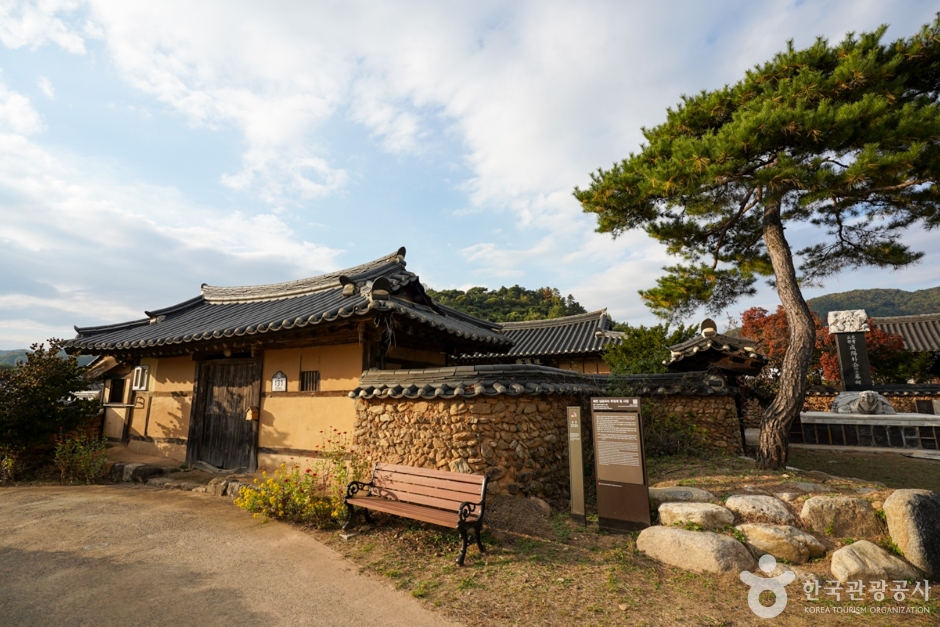
Yecheon Geumdangsil Village is celebrated for its cultural relics and traditional houses, earning its name for resembling a lotus flower afloat on water. Visitors can explore the remnants of Yi Yuin's expansive 99-room house, dating back to the late Joseon era. The village is also home to significant cultural landmarks such as Choganjeong Pavilion, Yongmunsa Temple, Geumgokseowon Confucian Academy, and Bansongjae Gotaek (Kim Bin's Old House). A standout feature of the village is the Geumdangsil Pine Forest, recognized as a natural monument. This impressive pine grove, comprising over 900 trees, spans 800 meters, stretching from the base of Omibong Peak in Geumdangsil to the vicinity of Yongmun Elementary School.
National Center for Forest Therapy (국립산림치유원)
19.3Km 2025-10-23
209 Therapy-ro, Bonghyeon-myeon, Yeongju-si, Gyeongsangbuk-do
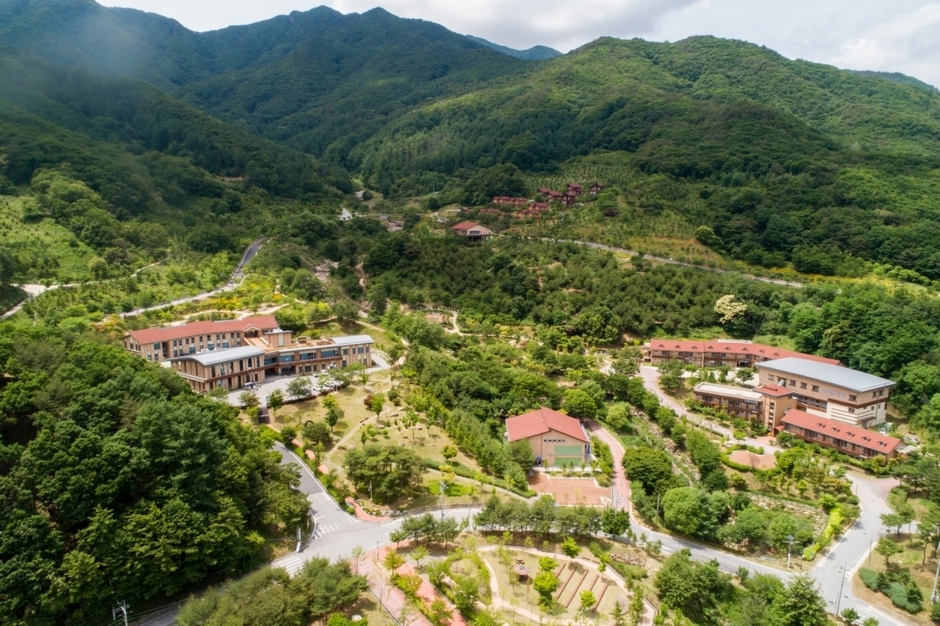
The National Center for Forest Therapy is a forest-themed well-being complex created to promote public health and quality of life by leveraging the abundant forest resources of the Baekdudaegan Mountain Range. Forests have transformed into a destination for healing one's mind and body, as well as a place for recreation. The National Center for Forest Therapy provides guidelines for proper exercise and daily habit improvements aimed at relieving stress and promoting mental and physical balance by utilizing the healing properties of the forest. Furthermore, visitors can experience the effects of forest therapy here. The center has healing forest trails, recreational facilities, accommodation facilities, and others.
CHIAMGOTAEK (치암고택)
19.4Km 2024-12-20
297-10 , Toegye-ro, Andong-si, Gyeongsangbuk-do
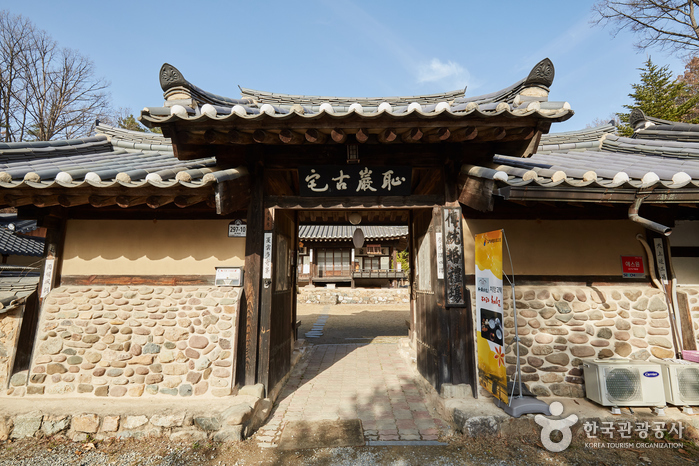
Chiam Old House in Andong, Gyeongsangbuk-do, was the home of Chiam Lee Man-hyeon, a Joseon official in the time of King Gojong, and is now a Gyeongsangbuk-do cultural treasure. Five of the buildings - Anchae, Sarangchae, Daemunchae, Byeoldangchae, and Byeolchae - have guestrooms, and reserving two or three rooms together enables visitors to feel they’re staying in a Joseon yangban’s house. Daemunchae has the best views over the house and surrounding landscape. The flower garden is a nice place to stroll and ponder the beauty of nature.
![Dosanseowon Confucian Academy [UNESCO World Heritage] (도산서원 [유네스코 세계유산])](http://tong.visitkorea.or.kr/cms/resource/24/3437624_image2_1.png)
Dosanseowon Confucian Academy [UNESCO World Heritage] (도산서원 [유네스코 세계유산])
19.7Km 2025-10-23
154 Dosanseowon-gil, Andong-si, Gyeongsangbuk-do
In terms of architecture, Dosanseowon Confucian Academy complex can largely be divided into Dosanseodang compound and Dosanseowon compound. Dosanseodang area consists of living quarters and lecture halls where Toegye Yi Hwang, an eminent Confucian scholar, lived and taught his students. Dosanseowon was built after Toegye Yi Hwang passed away by his followers' to honor the legacy of his teachings as well as to pay respects to the deceased.
Built in 1561, Dosanseodang lecture hall is the oldest building in the whole complex. It was personally designed by Yi Hwang, penname Toegye, to further his studies while educating future scholars after moving to the countryside. Living quarters used as a student dormitory were also built along with the lecture hall.
Dosanseowon compound was completed in 1576, six years after Yi Hwang's death. Yi Hwang's ancestral tablet was enshrined inside Sangdeoksa Shrine in 1572. Two years later, Jeongyodang Lecture Hall was built to relocate the tablet and with the addition of buildings to the hall's east and west, the area became a seowon. In 1575, the establishment was bestowed a royal charter and a plaque with the name Dosanseowon written by Han Seok-bong, and became the Confucian academy headquarters in the Yeongnam region.
◎ Travel information to meet Hallyu’s charm - variety show"I Am Solo"
This is where participants were dressed in hanbok and matched with a partner based solely on the color of their clothes, regardless of their will. Each time they were matched, viewers felt excitement and tension as if they were being matched themselves. Follow the hiking trails around the academy to see notable monuments like a massive willow tree, and Sisadan Stele.
 English
 한국어
한국어 日本語
日本語 中文(简体)
 Deutsch
 Français
 Español
 Русский


