Red Leaf Willow Habitat (왕버드나무군락지)
19.7Km 2024-02-15
Miho-dong, Daedeok-gu, Daejeon
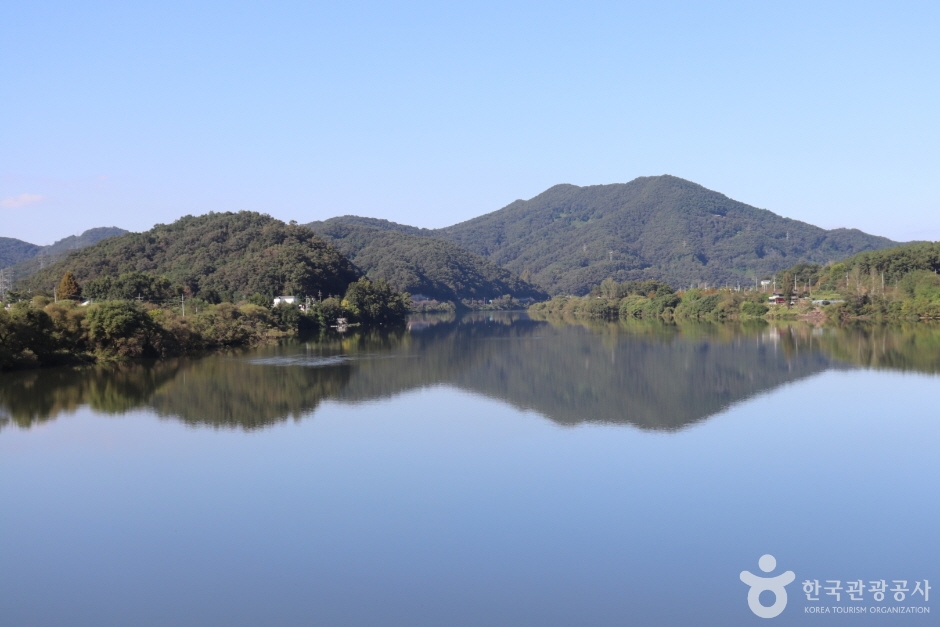
Red Leaf Willow Habitat is located near Daechung Dam and Geumgang Lohas Daecheong Park, along the Geumgang River. This area is ideal for photography, offering stunning views during sunrise and sunset, with sunlight and mist creating a picturesque scene. The decaying wood of the trees in the wetland area can even emit light on its own during the nighttime.

Yeongdong Yeongguksa Temple (영국사 (영동))
19.9Km 2022-12-27
225-35, Yeonggukdong-gil, Yeongdong-gun, Chungcheongbuk-do
+82-43-743-8843
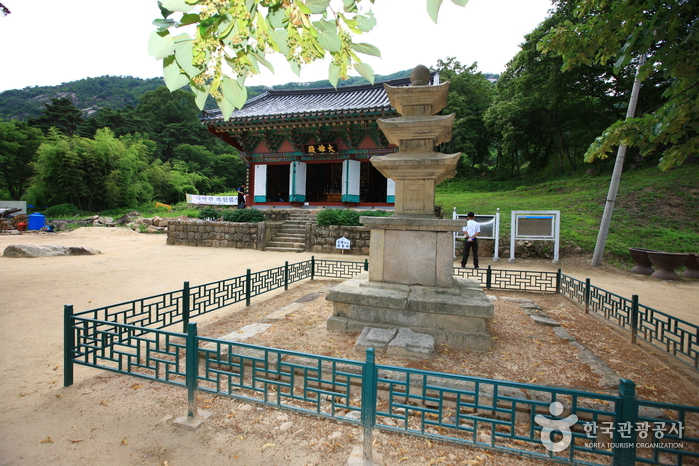
Yeongguksa Temple is nestled at the foot of Cheontaesan Mountain (714.7 meters), at the boundary between Chungcheongbuk-do and Chungcheongnam-do. Visitors must trek through a valley to reach the temple, passing waterfalls and rocks.
The time of Yeongguksa Temple's construction is not clearly known but it is said to have been built around the late Silla period, during the time of King Seonjong. The temple prospered when the State Preceptor Wongak, who completed the Cheontae, one of Buddhist orders from Daegak Guksa Uicheon, came to the temple in the middle of the Goryeo period. It continued to flourish until the early Joseon era and then took a dive due to the rule of anti-Buddhism. Despite the situation at the time, the temple's reputation as one of the noted temples remained. However, the situation worsened in the early twentith century, to the point of near closure. The temple was reconstructed by Jubongjosa Monk in 1934.
As of now, the temple contains various treasures including the Stele for State Preceptor Wongak, Stupa of Yeongguksa Temple, Three-story Stone Pagoda of Yeongguksa Temple, Three-story Stone Pagoda at Mangtapbong Peak of Yeongguksa Temple. In addition, Bell-shaped Stupa and Round-shaped Stupa, regional tangible cultural assets, are situated in the temple site.
 English
 한국어
한국어 日本語
日本語 中文(简体)
 Deutsch
 Français
 Español
 Русский


