
Yuseong Foot Spa (유성 족욕체험장)
12.5Km 2023-02-09
Bongmyeong-dong, Yuseong-gu, Daejeon
Yuseong Foot Spa located within Yuseong Hot Springs in Daejeon is a street foot spa site that uses 40°C natural hot spring water. Some 200 people can enjoy foot baths simultaneously at four-foot spas whose total area occupies 20,778 square meters. The foot spa is provided for free so that tourists who visit Daejeon can enjoy the hot springs with a light heart. Yuseong-gu Office pays excellent attention to the cleanliness and quality control of the water, which enables visitors to safely experience the foot bath. There is a separate area prepared for thoroughly washing your feet before entering the foot spa. Dipping your feet and legs in the hot water at the foot spa is great for blood circulation and alleviating stress and pain for people of all ages and genders but especially the elderly.
Gyejoksan Red Clay Trail (계족산 황톳길)
12.5Km 2022-12-26
San 85, Jang-dong, Daedeok-gu, Daejeon
+82-42-623-9909
Gyejoksan Red Clay Trail opened in 2006 as the nation's first eco-healing barefoot walking trail. Walking along this 14.5-kilometer-long trail filled with the fresh aroma of pine needles is a great way to get healthy. The Gyejoksan Mountain Barefoot Festa takes place every year in May and additional weekend programs are available from April to October. Visitors can also enjoy a view of downtown Daejeon from Gyejoksanseong Fortress, which was built during the time of the Three Kingdoms.
Currency Museum of Korea (화폐박물관)
12.5Km 2025-10-23
80-67 Gwahak-ro, Yuseong-gu, Daejeon
+82-42-870-1200
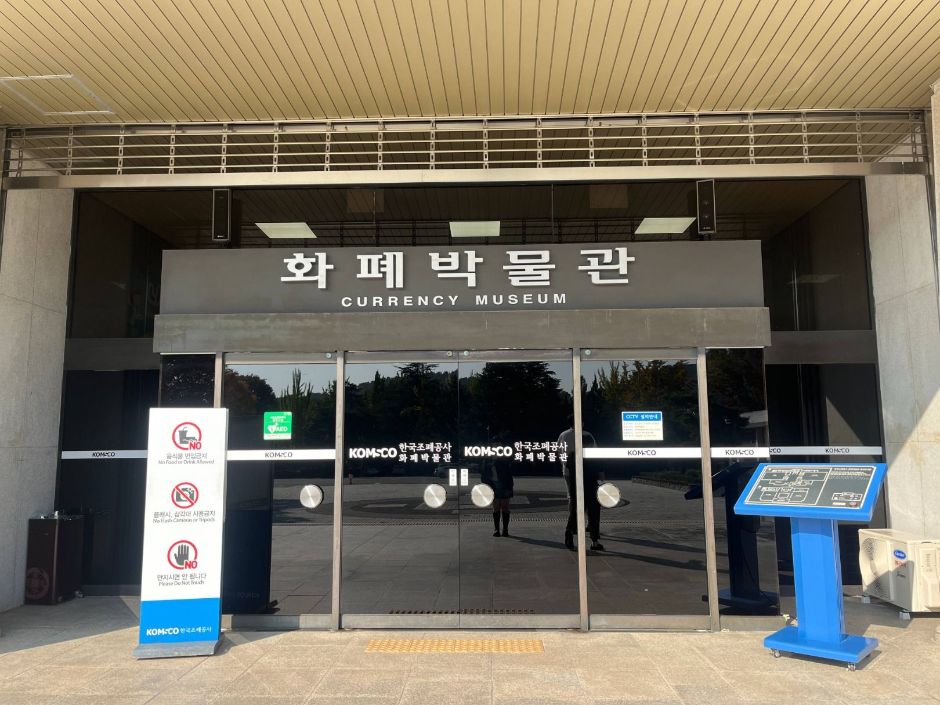
The Currency Museum of Korea, established in 1988, is operated by the Mint Corporation of Korea as part of its non-profit public services and is open to visitors free of charge with a view of increasing public knowledge of the nation’s currency. The museum features about 120,000 pieces including: coins currently in use both in Korea and overseas; coins from modern times (from the Late Joseon Dynasty until today); 80 types of commemorative coins; 88 types of ‘special money’; postage stamps, and other materials. Additionally, there is an experiential space where visitors can learn about the currency production process and its historical significance, providing significant educational benefits.
Yuseongoncheon Hot Springs (유성온천지구)
12.5Km 2024-03-04
Oncheon-ro, Yuseong-gu, Daejeon
+82-42-611-2076
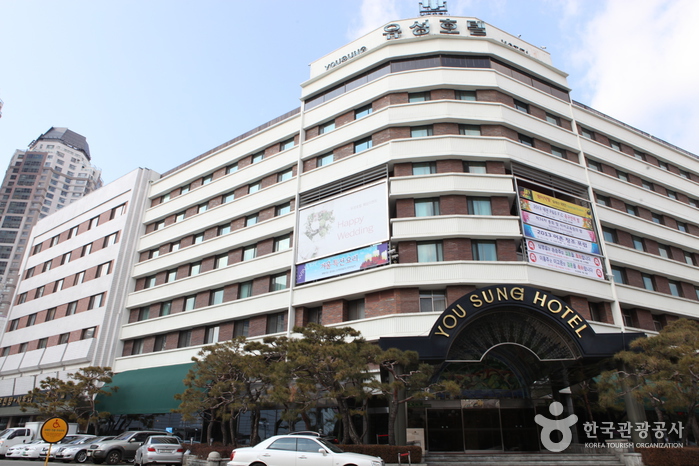
Yuseongoncheon Hot Springs is located in Yuseong-gu, Daejeon. It is a venerable hot spring area known since the 7th century. The hot spring water temperature ranges from 27 to 56 degrees Celsius, and it contains various beneficial minerals with an alkaline pH ranging from 7.5 to 8.5, flowing from a depth of 200 meters underground. The streets are lined with retusa fringe trees, and in May, the Retusa Fringe Flower Festival takes place.
Jangdong Forest Park (장동산림욕장)
12.8Km 2024-02-15
79-70 Sandi-ro, Daedeok-gu, Daejeon
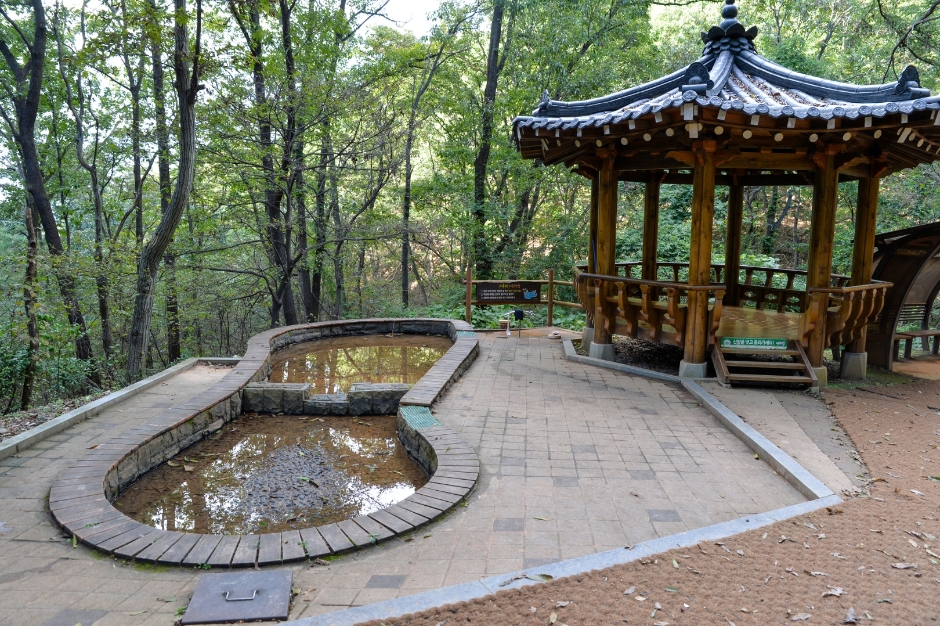
Jangdong Forest Park, a designated forest bathing area, is situated on Gyejoksan Mountain in Daejeon. This tranquil site is equipped with sports facilities, a swimming pool, and a lawn area. A unique attraction starting from the park is the Gyejoksan Red Clay Trail, where visitors can walk barefoot and enjoy the natural health benefits. Additionally, the park serves as a starting point for various hiking trails leading to the historical Gyejoksanseong Fortress, providing a range of trekking experiences for outdoor enthusiasts.
Daecheongho Lake (대청호)
13.0Km 2022-12-26
Dong-gu, Daejeon / Munui-myeon, Chungcheongbuk-do
+82-42-251-4748
Daecheongho Lake is a man-made lake, stretching from Daejeon to Cheongju-si, Okcheon-gun, and Boeun-gun. Construction began in 1975 and finished in 1980, and the lake supplies water for various use to people in Daejeon and Cheongju.
The reservoir water spans an area of over 72.8 ㎢ with a perimeter of 80 kilometers, and the water kept in storage has a volume of 1.5 billion tons, making the reservoir the third largest lake in Korea. The area is famous for its beautiful driving course along a tree-lined road through the nearby mountain which has an altitude of 200 to 300 meters. Also, resident birds and migratory birds, such as white heron, can be seen during summer in the upper region of the lake.
Jinjamhyanggyo Confucian School (진잠향교)
13.0Km 2022-12-26
67, Gyochon-ro, Yuseong-gu, Daejeon
+82-42-543-1811
Jinjamhyanggyo Confucian School was established to enshrine and orient the ancestral tablet of excellent classical scholars in 1405 (the 5th year of King Taejong's reign) and to educate people. More detailed information is not available in the record. The remaining building is called Daeseongjeon, and the ancestral tablets are 5 Seong, Songju 6 hyeon, and Korean 18 hyeon. One instructor, who received a plot of land and slaves from the nation, taught 30 students during the Joseon period, but after the Gapo Reform, the educational function disappeared and Seokjeon, a religious ceremony, was served in summer and fall with offerings of incense on the first day of each month and at the half-moon instead. Daeseongjeon (Cheongju Daeseong High School (Former Main Building of Cheongju Commercial High School) is designated as a Registered Cultural Heritage.
Jeongsimhwa Hall of Jeongsimhwa International Cultural Center at Chungnam National University (충남대학교 정심화국제문화회관)
13.2Km 2025-01-09
99, Daehak-ro, Yuseong-gu, Daejeon
+82-42-821-8080
The Jeongsimhwa International Cultural Center is the large building on the right, just past the gate of Chungnam National University.
‘Jeongsimhwa’ is the Buddhist name of Ms. Lee Bok-Soon, who donated her lifetime savings (a total of five billion won) to the university back in 1990. She had earned the money over the course of many years by selling gimbap (rice rolled in seaweed), which currently sells for only 1,000 or 2,000 won a roll.
The cultural center was built in commemoration of the late Ms. Lee. After a series of setbacks and through the effort of many helping hands, construction was finally completed in 2000. The Jeongsimhwa Hall at the center has 1,817 seats and is used for concerts, performances, and other large-scale events. Baekma Hall (450 seats) and Daedeok Hall (200 seats) are used primarily for seminars. For visitors’ convenience, the Jeongsimhwa International Cultural Center has a parking area with space for up to 268 cars.
Geological Museum (지질박물관)
13.3Km 2025-01-10
124, Gwahak-ro, Yuseong-gu, Daejeon
+82-42-868-3798
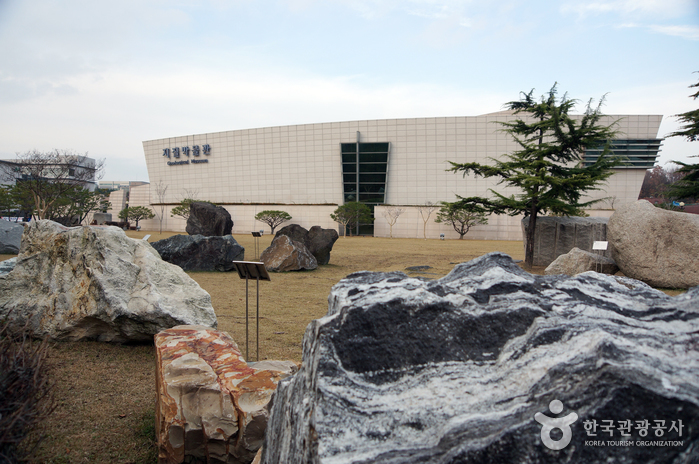
The Geological Museum located in Yuseong-gu, Daejeon, is the nation’s first comprehensive museum dedicated to geology. The museum, established in 2001, operates with the goal of promoting public understanding and support of the field of geology, offering geology-related movies/videos, lectures and diverse hands-on experience programs. There is even a geology specimen center where samples are preserved for use by researchers.
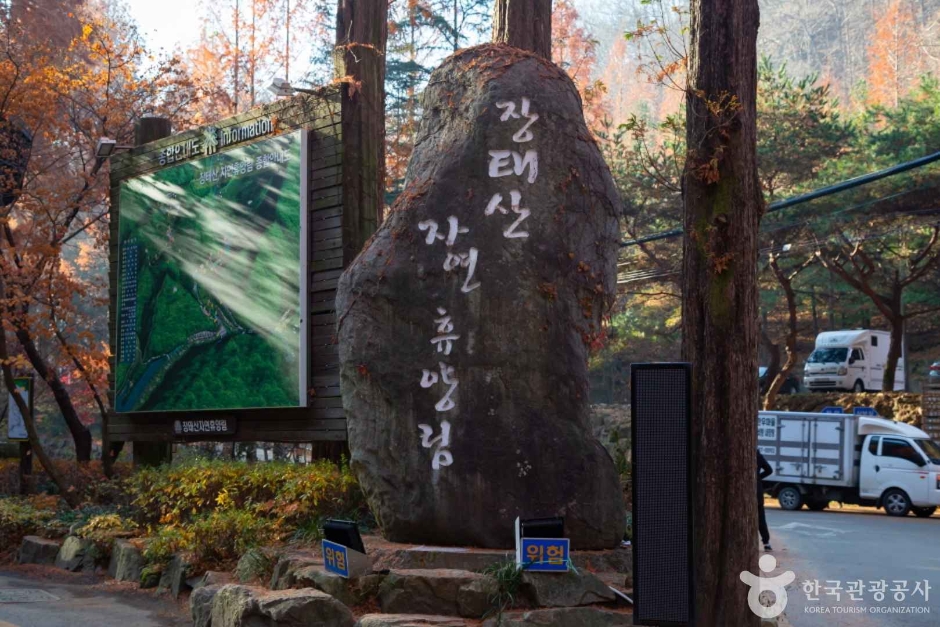
Jangtaesan Recreational Forest (장태산자연휴양림)
13.5Km 2024-12-02
461 Jangan-ro, Seo-gu, Daejeon
Jangtaesan Recreational Forest consists of a dense forest of ginkgo trees and bald cypress. Lush valleys nearby make for a great getaway during summer vacation. Yongtaeul Reservoir, located at the entrance, gives beautiful views as well. Inside the natural recreation forest, various facilities including walking paths, physical activity facilities, a botanical garden and bare-foot walking paths are available for visitors.
 English
 한국어
한국어 日本語
日本語 中文(简体)
 Deutsch
 Français
 Español
 Русский


