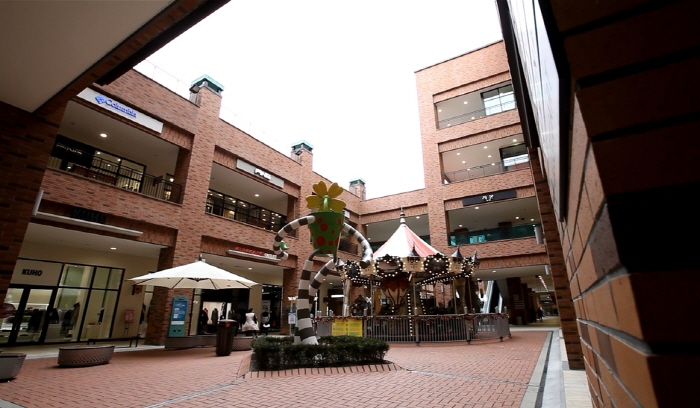
Lotte Paju Premium Outlet (롯데 파주 프리미엄아울렛)
12.4Km 2025-01-06
390, Hoedong-gil, Paju-si, Gyeonggi-do
+82-31-960-2500
Lotte Paju Premium Outlet is Korea’s largest premium outlet, offering more than 250 international and Korean luxury brands at affordable prices. The outlet aims to be a family-friendly location, with amenities including Lotte Cinema, a merry-go-round, an electric train, premium train, and many kids' facilities. The neighboring Simhaksan Mountain creates a natural environment for a relaxing time. The outlet is also conveniently located in the vicinity of Paju Book City.
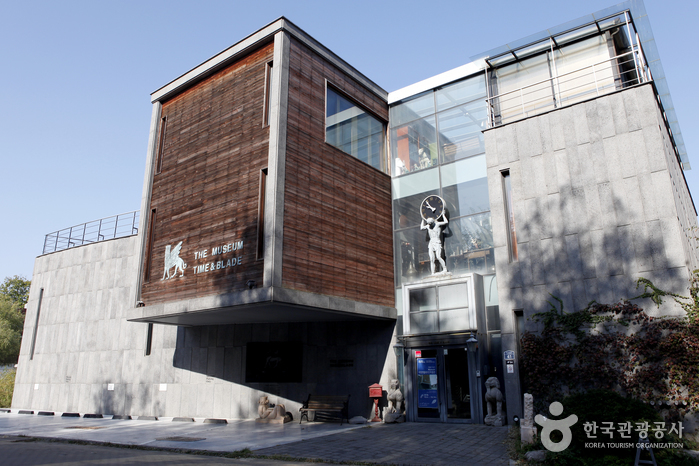
Time & Blade Museum (타임앤블레이드 박물관)
12.5Km 2021-11-30
41, Heyrimaeul-gil, Paju-si, Gyeonggi-do
+82-31-949-5675
The Time & Blade Museum features two floors filled with items that have shaped the development of humankind. There are many clocks and watches on display, with the largest hall dedicated to skeleton clocks. The museum also displays the parts that make up a clock and the tools used to create them.
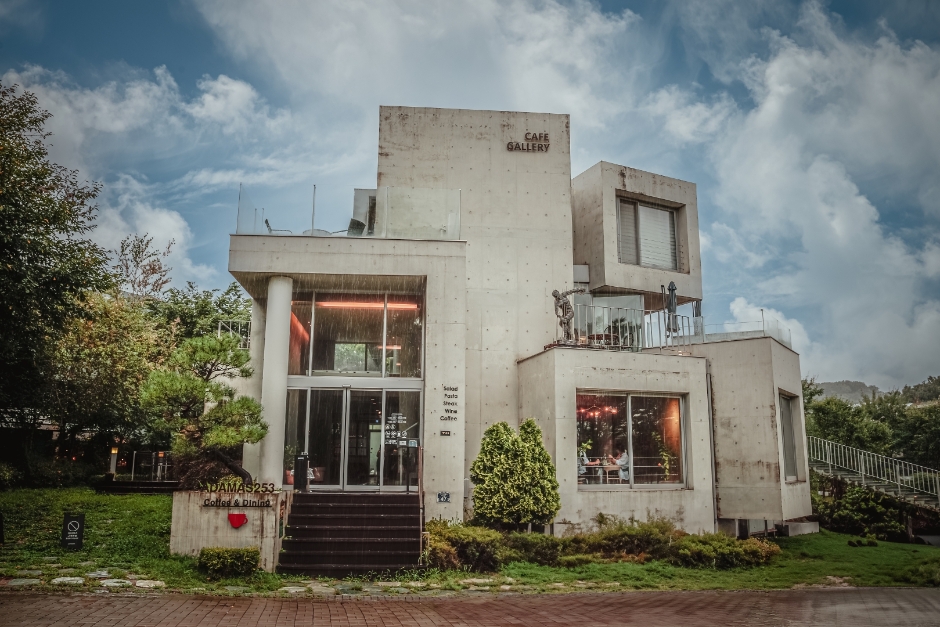
Adamas253 (카페 아다마스253)
12.5Km 2025-10-28
47 Heyrimaeul-gil, Tanhyeon-myeon, Paju-si, Gyeonggi-do
◎ Travel information to meet Hallyu’s charm - "Agency"
A café where Go Ah-in and Choi Jeong-min met in a scene that candidly exposes the realities of the Korean advertising industry. Amidst an interior filled with artistic sculptures, their challenges are evident as they gulp down coffee. The café not only serves coffee but also dishes like pasta and steak. The café provides a view of the surrounding landscape of Heyri Art Village.
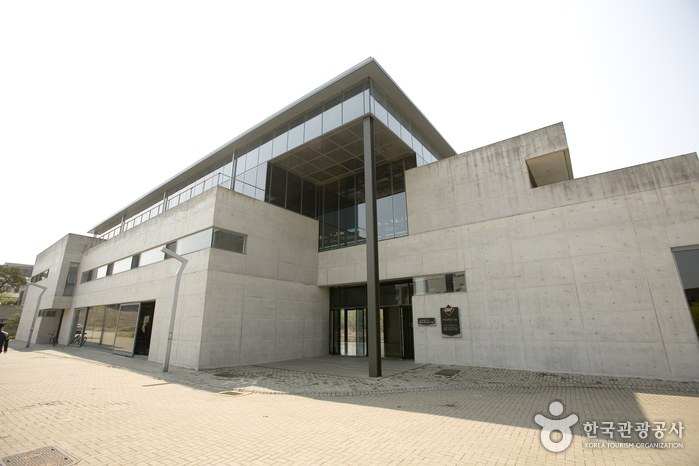
Seoul Action School (Martial Arts Center) (서울액션스쿨 (마샬아트센터))
12.7Km 2021-09-03
18-61, Heyrimaeul-gil, Paju-si, Gyeonggi-do
+82-31-946-6746
Seoul Action School, located in the artist village of Heyri in Paju-si, Gyeonggi-do, started out as Stunt Academy. The school was founded on July 1, 1998 by Kim Yeong-Bin (director and screenwriter) and Jeong Du-Hong (actor and martial arts director), who believe that revitalizing action film is one way to contribute to and develop the film industry. Seoul Action School is the only action training institution in Korea that teaches not only acting, but also action techniques that can be used in a variety of film genres to help performers become even more marketable in the ever-globalizing film industry.
Museum HEI (뮤지엄헤이)
12.9Km 2024-10-04
885-43 Pyeonghwa-ro, Tanhyeon-myeon, Paju-si, Gyeonggi-do
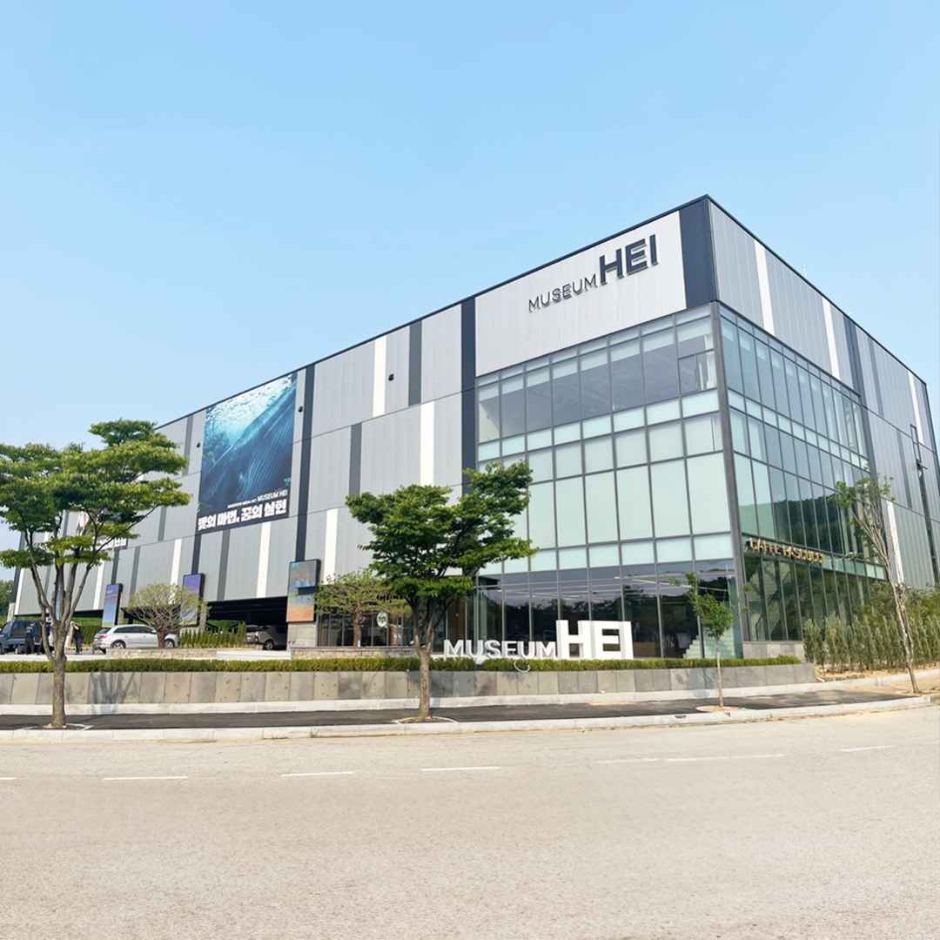
Museum HEI is a large media art gallery located in Paju, named after the common greeting in Finland, the world's happiest country. The gallery features 20 different themed contents, all under the overarching concept of "beautiful moments in life."
Forest of Wisdom (지혜의 숲)
13.3Km 2025-10-24
145 Hoedong-gil, Paju-si, Gyeonggi-do
◎ Travel information to meet Hallyu’s charm
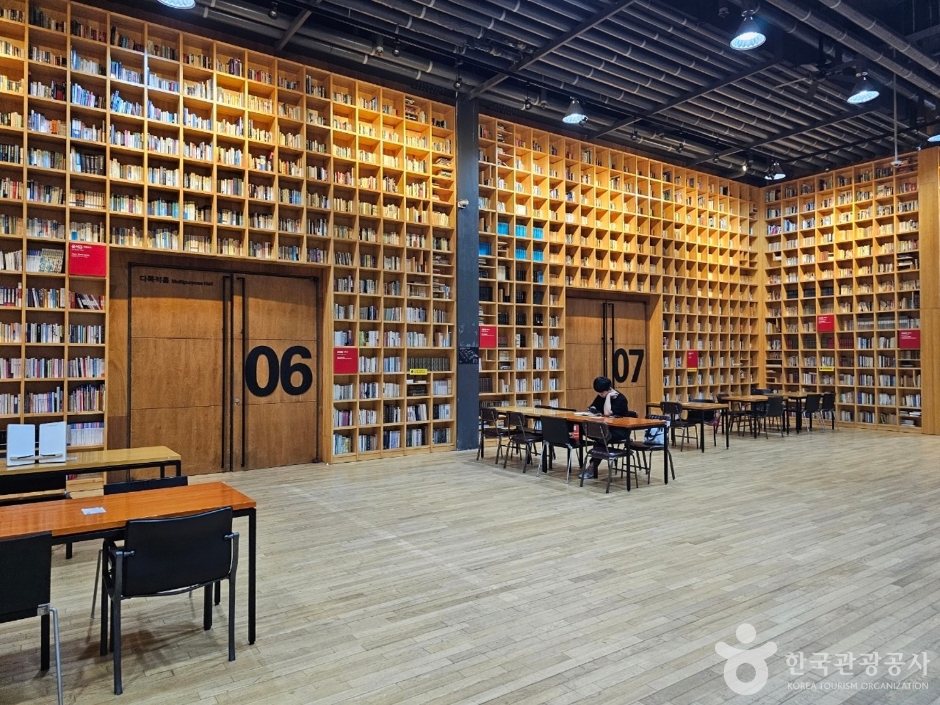
The music video for Girls’ Generation’s debut song “Into the New World” was filmed here, and Hyoyeon’s dance break scene took place on the outside stairs. The building, which is known for its award-winning architecture, has also served as the backdrop for dramas such as “Romance Is a Bonus Book” and “The World of the Married.”
Paju Book City (파주 출판도시)
13.4Km 2024-02-29
Munbal-dong, Paju-si, Gyeonggi-do
+82-31-955-0050
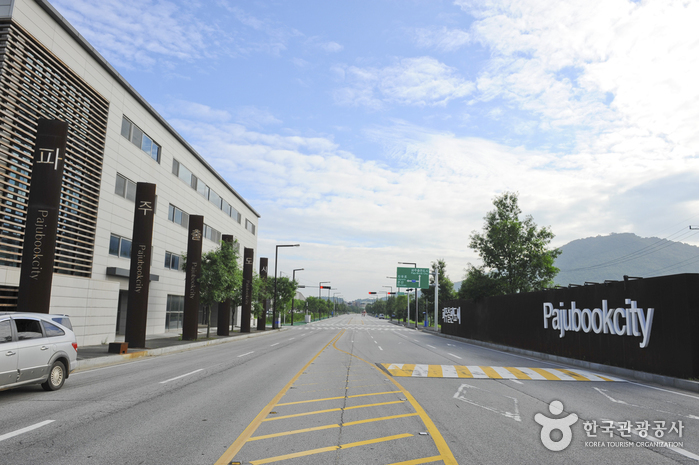
Paju Book City was formed in 1989 by a group of publishers who sought to modernize the distribution structure of Korea’s publishing industry. The addition of structures later on created its current form as a cultural complex. Today, Paju Book City is home to a large collection of publishing houses, printing companies, and bookbinding companies. Some publishing houses run their own libraries, secondhand book shops, and thematic libraries. There are plenty of book cafés and art shops in the area, and visitors can also occasionally enjoy cultural events, lectures, and concerts by publishing houses.

Provence Village (프로방스 마을)
13.7Km 2024-10-31
69 Saeori-ro, Tanhyeon-myeon, Paju-si, Gyeonggi-do
+82-31-946-6353
Provence Village is a themed village that began with the opening of a chic French restaurant in 1996. It has expanded to include a famous bakery cafe, Italian and Korean restaurants, shops, colorful murals, a beautiful garden, and romantic lighting displays in the evenings.
Each unique shop is connected to other shops in the village. An art studio offers a wide array of dishes used in cafes and restaurants in the village; the Living Gallery not only decorates Provence Village, but also makes decorative items such as hand-painted ceramics, available for purchase; and the European bakery boasts fresh, delicious breads. Each shop is an independent unit with a unique design concept. The Living Gallery offers shops selling ceramics, flowers, and herbs, while the Fashion Gallery consists of shops offering clothing, accessories, and interior design items. The Herb Garden hosts a wide array of cultural events and performances for visitors throughout the year.
Paju Historical Site Related to Yi I (파주이이유적)
13.7Km 2021-12-10
204, Jaunseowon-ro, Paju-si, Gyeonggi-do
+82-31-958-1749
Paju Historical Site Related to Yi I is dedicated to a great scholar of the mid-Joseon dynasty. He was born to Lee Wonsu and Shin Saimdang in 1536. He passed Saengwonsi, a type of preliminary exam in 1564 (the 9th year of King Myeongjong), and another 9 exams so he was called Gudo Jangwongong. He served in key positions. He is thought to be one of the top two scholars along with Yi Hwang.
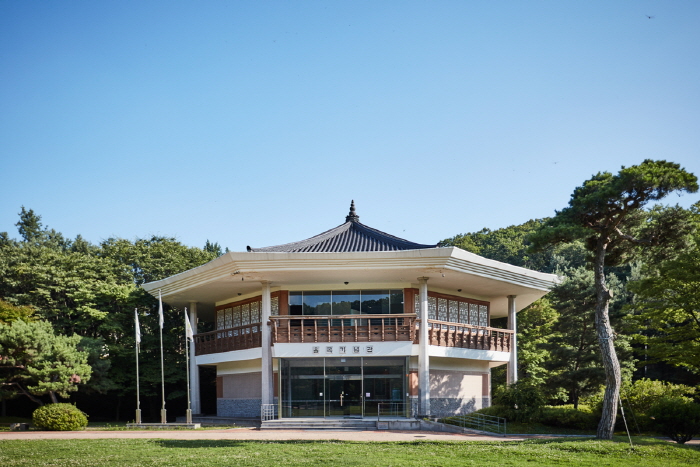
Jaunseowon Confucian Academy is home to the tablets of Yulgok Yi I and his family’s graveyard, located at the foot of Jaunsan Mountain. Jaunseowon Monument and Memorial Stone of Yi I Scholar are located here as well. Yulgok Memorial Hall displays his goods, and his biography. In February 2013, Jaunseowon Confucian Academy and the tombs of Yulgok Yi I and his mother Shin Saimdang were individually designated as Gyeonggi-do Cultural Assets, but the whole area as a whole is a designated National Historic Site under the name Historic Site related to Yi I.
Odusanseong Fortress (파주 오두산성)
13.8Km 2024-12-03
Seongdong-ri, Paju-si, Gyeonggi-do
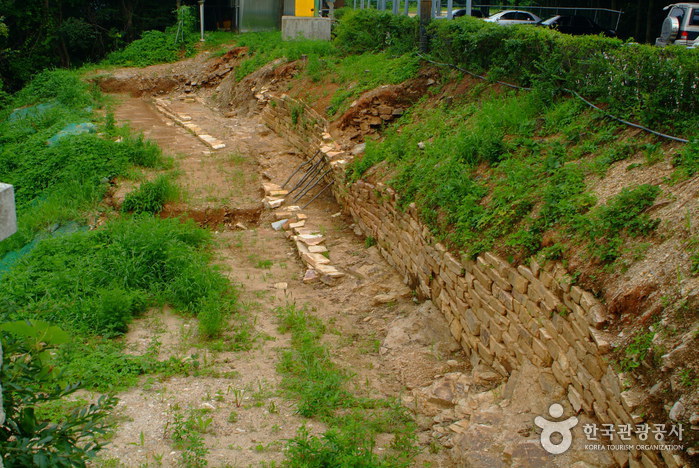
Odusanseong Fortress is built around the strategic summit of Odusasn Mountain. The walls stretch across roughly 620 meters and were built during the Baekje dynasty. The fortress is built on the intersection of the Imjingang River and the Hangang River on the summit of Odusan Mountain (119 meters). The mountain’s slope is steep and stones used in the construction of the fortress walls are scattered here and there at the summit. These scattered stones are evidence that the fortress underwent repairs several times during the Samguk (Three Kingdoms) era and the Joseon dynasty, as these stones were evidently quarried and used to mend the fortress walls. Excavations have discovered a great deal of earthenware, white porcelain, tile, and iron arrowheads. Topographically, the fortress sits on a prime strategic junction and the Unification Observatory has been situated there as well. The fortress stands as an important object of study concerning fortifications and structures from the Baekje dynasty. It has been recorded on the stele of King Gwanggaeto, Samguksagi (History of the Three Kingdoms), in the Naekjebongi (Baekje Annals) and on Daedongyeojido (Map of Korea) that the fortress was the Gwanmi Fortress of Baekje, attracting many scholars and researchers interested in this period.
 English
 한국어
한국어 日本語
日本語 中文(简体)
 Deutsch
 Français
 Español
 Русский


