Odusanseong Fortress (파주 오두산성)
9.1Km 2024-12-03
Seongdong-ri, Paju-si, Gyeonggi-do
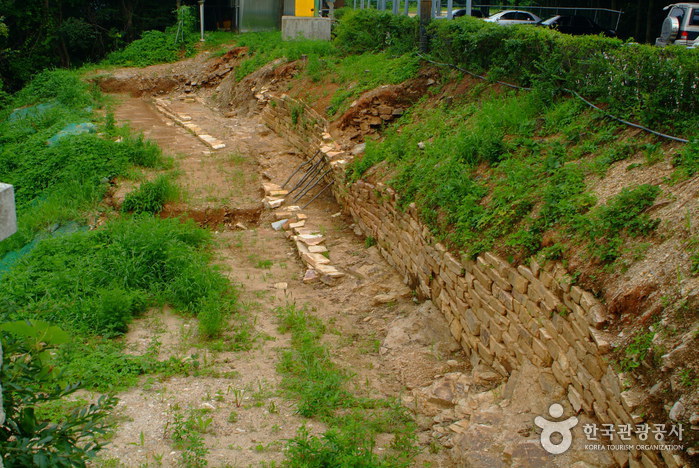
Odusanseong Fortress is built around the strategic summit of Odusasn Mountain. The walls stretch across roughly 620 meters and were built during the Baekje dynasty. The fortress is built on the intersection of the Imjingang River and the Hangang River on the summit of Odusan Mountain (119 meters). The mountain’s slope is steep and stones used in the construction of the fortress walls are scattered here and there at the summit. These scattered stones are evidence that the fortress underwent repairs several times during the Samguk (Three Kingdoms) era and the Joseon dynasty, as these stones were evidently quarried and used to mend the fortress walls. Excavations have discovered a great deal of earthenware, white porcelain, tile, and iron arrowheads. Topographically, the fortress sits on a prime strategic junction and the Unification Observatory has been situated there as well. The fortress stands as an important object of study concerning fortifications and structures from the Baekje dynasty. It has been recorded on the stele of King Gwanggaeto, Samguksagi (History of the Three Kingdoms), in the Naekjebongi (Baekje Annals) and on Daedongyeojido (Map of Korea) that the fortress was the Gwanmi Fortress of Baekje, attracting many scholars and researchers interested in this period.
Dorasan Station (도라산역)
9.3Km 2024-02-29
556, Nosang-ri, Jangdan-myeon, Paju-si, Gyeonggi-do
+82-31-953-3334
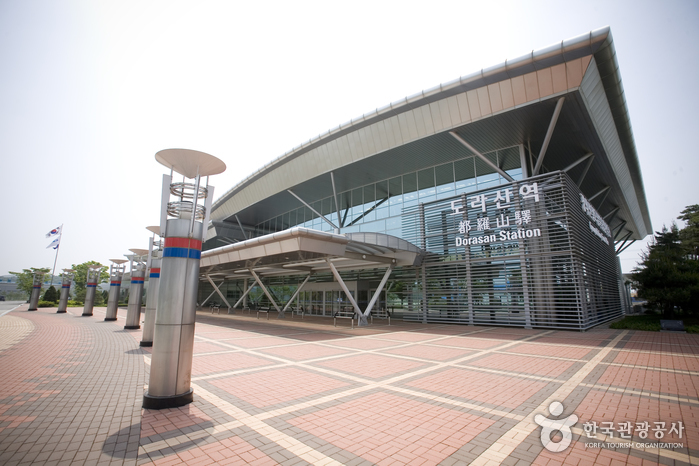
Dorasan Station is the closest South Korean railway station to North Korea. Initially, the station was served by a railway that connected Seoul with China and Europe, but it was destroyed during the Korean War (1950-1953). The station and the railway were rebuilt in 2002 to prepare for the railway’s reconnection to North Korea. Dorasan Station is located 55 km away from Seoul and 205 km from Pyeongyang. All visitors are required to bring their identification, such as passports or Alien Registration Card (ARC).
Tongilchon Jangdankong Maeul (통일촌장단콩마을)
9.4Km 2024-10-15
64 Tongilchon-gil, Gunnae-myeon, Paju-si, Gyeonggi-do
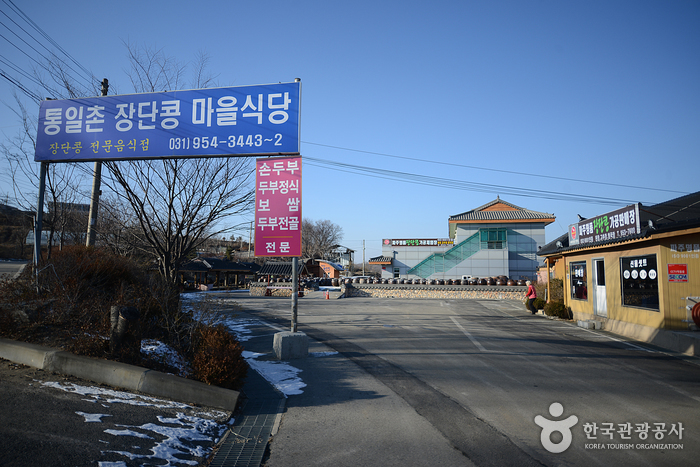
Tongilchon Jangdankong Maeul, specializing in bean curd dishes, is situated adjacent to the Demilitarized Zone (DMZ). To access it, visitors are required to bring their identification and pass through a checkpoint. The Jangdankong beans used here are known for their robust, savory flavor, distinguishing them from other beans. The restaurant is famous for its Jangdankong set menu, dubu jeongol (bean curd hot pot), doenjang jjigae (soybean paste jjigae), and Jangdan kongguksu (noodles in cold soybean soup), particularly popular during the summer season.

Dora Observatory (도라전망대)
9.9Km 2024-11-28
310 Je3ttanggul-ro, Jangdan-myeon, Paju-si, Gyeonggi-do
+82-31-954-0303
Dora Observatory is the closest DMZ observatory to Panmunjeom. From Dora Observatory, one can see not only the Panmunjeom but also the village of Daeseong-dong within the DMZ, mountains and farmlands on the North Korean side, and the city of Gaeseong, a North Korean city and the historic capital of Goryeo (918-1392). Individual visits are not allowed. The observatory can only be accessed through the DMZ Peace Tour, which embarks from Imjingak Pavilion after reservation. All visitors are required to bring their identification, such as passports or Alien Registration Card (ARC).
Yulgok Arboretum (율곡수목원)
10.1Km 2023-02-02
392, Jangseungbaegi-ro, Papyeong-myeon, Paju-si, Gyeonggi-do
Yulgok Arboretum was established for the preservation, proliferation, and exhibition of plant genetic resources, and provides a variety of resort services related to forest culture for citizens. It features a four seasons garden, conifers garden, rock garden, fruit tree garden, Saimdang Forest, and many other beautiful venues, and also offers diverse forest experiences. It also provides a forest experience program for infants and toddlers as well as a forest healing program in which people of all ages and genders may participate. The Dulle Trail surrounding the arboretum runs some 5 kilometers in length and exudes diverse views from its observatory, pine scent path, and Munbawi Rock. From the arboretum, you will be able to see the Imjingang River to the north and great mountains such as Papyeongsan and Gamaksan to the east. It is possible to tour the historical sites of Yulgok Yi I and Hwang Hui as well since they are close by.
Solgaram Art Hall (솔가람 아트홀)
10.8Km 2024-02-07
170 Garam-ro 116beon-gil, Paju-si, Gyeonggi-do
Opened in April 2014, Solgaram Art Hall boasts a seating capacity of 300 and is well-equipped for chamber music performances, soloists, and choirs. Annually, it hosts the Heyri Chamber Orchestra concert along with various other musical events, consistently providing high satisfaction to visitors. The proximity of Unjeong Lake Park makes it an ideal spot for a leisurely walk after enjoying a concert.
The 3rd Tunnel (제3땅굴)
10.9Km 2024-02-29
210-358, Je3ttanggul-ro, Gunnae-myeon, Paju-si, Gyeonggi-do
+82-31-940-8526
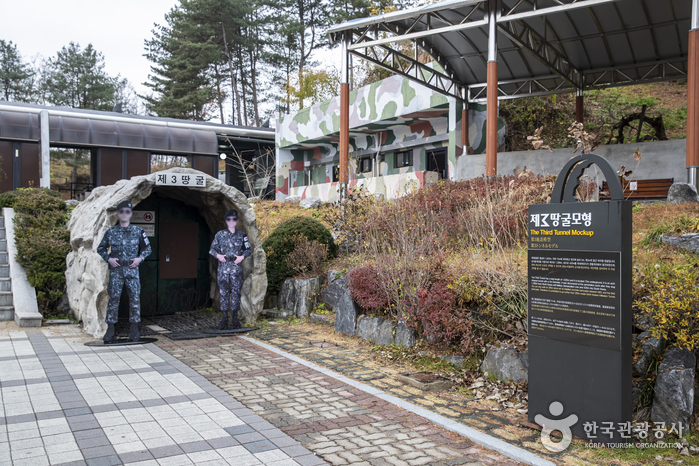
The 3rd Tunnel is the third of its kind built by North Korea for the purpose of invading South Korea. It was discovered in 1978. Among the four tunnels located so far, it is closest to Seoul (about 52 km). It has a total length of 1.6 km and a x_width of 2 m. It is estimated that nearly 30,000 personnel can move through the tunnel every hour. Visitors to the 3rd Tunnel must reserve the tour in advance. The tour starts from the Imjingak Pavilion. All visitors are required to bring their identification, such as passports or Alien Registration Card (ARC).
First Garden (퍼스트가든)
11.2Km 2025-10-24
260 Tapsakgol-gil, Paju-si, Gyeonggi-do
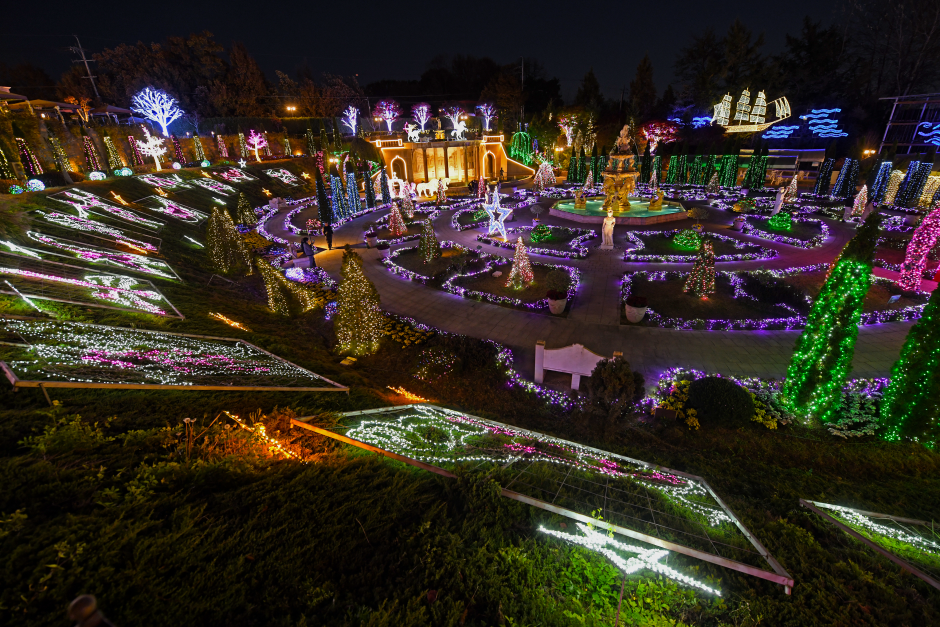
First Garden is a large-scale 66,000-square-meter cultural complex facility that opened in April 2017. It features a variety of convenience facilities including restaurants in Adonis Garden with 23 themes, a wedding hall, and a playground. Make special memories with family, friends, and lovers at First Garden.
* First Garden with new, differentiated contents
First Garden has contemplated and researched for a long period to create new and differentiated content. Despite hardships and difficulties that followed new challenges, it ceaselessly carried out research and development. First Garden will be a place where your dreams come true.
* 40 years of commitment, customer satisfaction is the utmost priority!
For nearly four decades during which it has operated its business in manufacturing and distribution, sincerity and honesty have been regarded as the most important values and the corporate culture of loving employees and customers alike has been established. Based on such experience and know-how, First Garden directly communicates with its customers based on a truthful heart and solid content without unnecessary formalities.
◎ Travel information to meet Hallyu’s charm
The Embroidery Flower Bed inspired by Greek mythology and the White Garden surrounded by white birch trees served as the backdrop for BTS Jimin’s magazine photo shoot. Since then, these locations have attracted many fans.
Byukchoji Gardens (벽초지수목원)
11.4Km 2025-10-23
242 Buheung-ro, Gwangtan-myeon, Paju-si, Gyeonggi-do
+82-31-957-2004
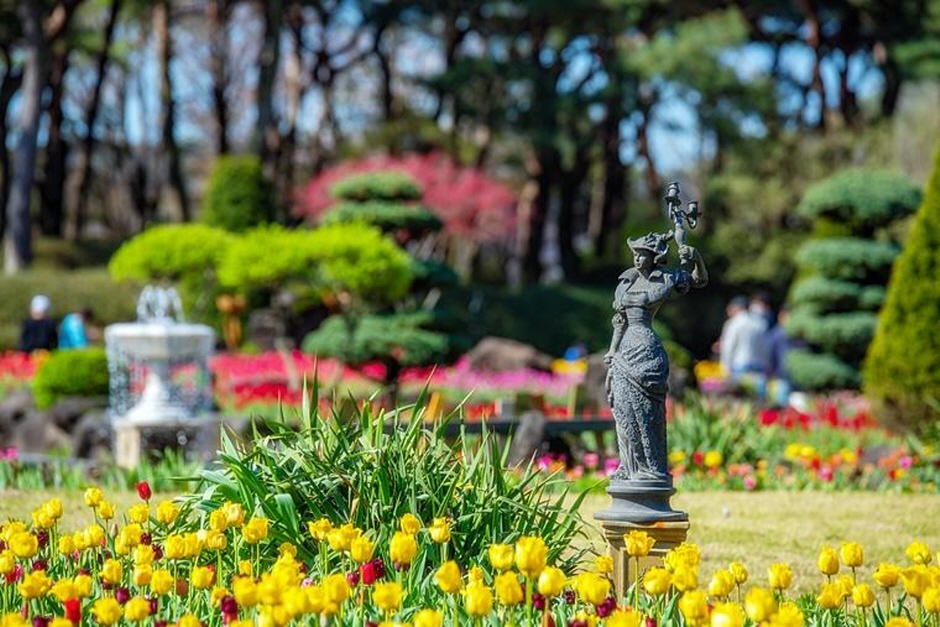
Byukchoji Gardens is made up of a Korean-style and a European-style garden. It is home to nearly 1,400 species of plants. Each garden is organized under a single theme, such as mythology, adventure, and freedom. Byukchoji Gardens also features walking trails, ponds, greenhouses, and lawns. Byukchoji Pond has a Lotus Flower Garden with lotus flowers blooming. Visitors can walk on the trails built above the pond to examine the flowers up close. Nearby tourist sites include Bakdalsan Mountain, Paju Book City, and the Paju Samneung Cluster, a UNESCO World Heritage site.
Paju Historical Site Related to Yi I (파주이이유적)
11.5Km 2021-12-10
204, Jaunseowon-ro, Paju-si, Gyeonggi-do
+82-31-958-1749
Paju Historical Site Related to Yi I is dedicated to a great scholar of the mid-Joseon dynasty. He was born to Lee Wonsu and Shin Saimdang in 1536. He passed Saengwonsi, a type of preliminary exam in 1564 (the 9th year of King Myeongjong), and another 9 exams so he was called Gudo Jangwongong. He served in key positions. He is thought to be one of the top two scholars along with Yi Hwang.
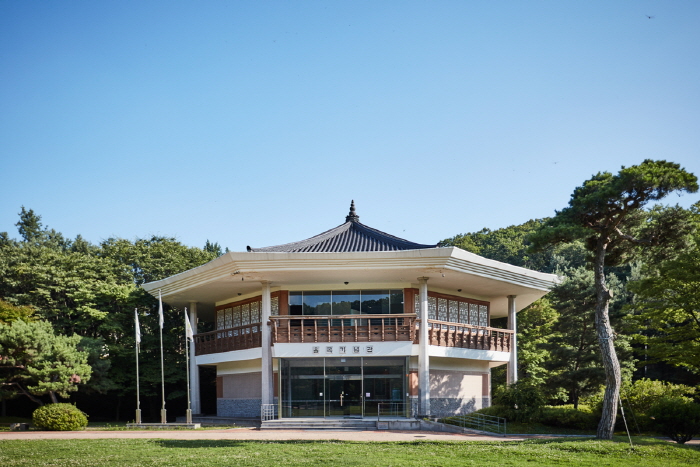
Jaunseowon Confucian Academy is home to the tablets of Yulgok Yi I and his family’s graveyard, located at the foot of Jaunsan Mountain. Jaunseowon Monument and Memorial Stone of Yi I Scholar are located here as well. Yulgok Memorial Hall displays his goods, and his biography. In February 2013, Jaunseowon Confucian Academy and the tombs of Yulgok Yi I and his mother Shin Saimdang were individually designated as Gyeonggi-do Cultural Assets, but the whole area as a whole is a designated National Historic Site under the name Historic Site related to Yi I.
 English
 한국어
한국어 日本語
日本語 中文(简体)
 Deutsch
 Français
 Español
 Русский


