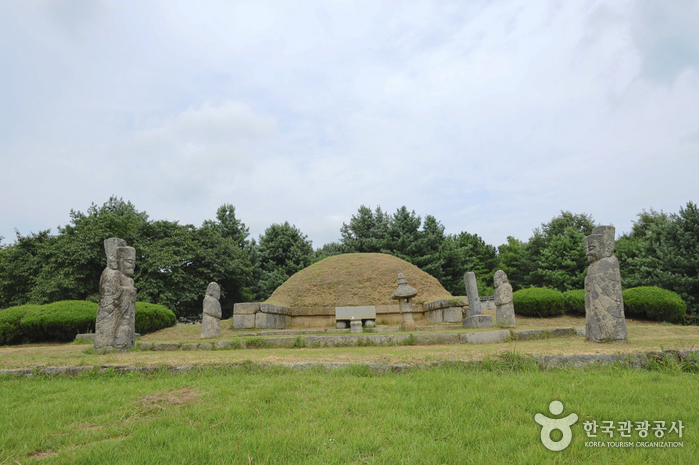
Tomb of Hwang Hui (황희정승묘)
2.8Km 2024-02-07
23-83 Jeongseung-ro 88beon-gil, Tanhyeon-myeon, Paju-si, Gyeonggi-do
Hwang Hui (1363-1452) is a prime minister who played a significant role in the early Joseon dynasty. Constructed in three stages, the tomb's burial mound is notably large. Hwang Hui was an official instrumental in establishing the foundations of Joseon. He served under King Taejong, the 3rd king of Joseon, and King Sejong, the 4th king, making notable contributions in diplomacy, law, science, and national defense. His descendants have continued to honor his legacy by maintaining the tomb.

Heyri Art Valley (헤이리 예술마을)
3.7Km 2025-06-30
70-21 Heyrimaeul-gil, Paju-si, Gyeonggi-do
Heyri Art Valley is a neighborhood of inspiration, creative workshops, exhibitions, festivals, and education of all things creative arts. This neighborhood expanded into an art complex when artists from diverse fields of expertise began to gather during the development process of Paju Book City. The village’s name originates from Paju’s local song “Heyri Sound,” sung by farmers while working at the fields. The whole neighborhood is like a masterpiece due to the artworks displayed along the streets in harmony with nature’s beauty. The buildings were carefully designed as to prevent the manmade structures getting in the way from admiring the surrounding nature. For example, the neighborhood’s streets were designed to follow the curves set by nature without using any asphalt.
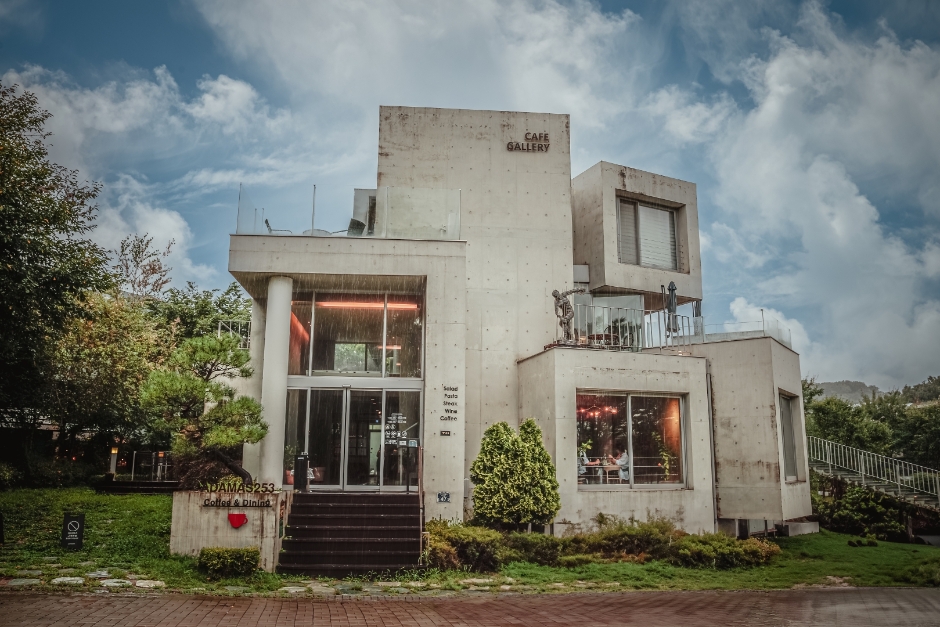
Adamas253 (카페 아다마스253)
3.8Km 2025-10-28
47 Heyrimaeul-gil, Tanhyeon-myeon, Paju-si, Gyeonggi-do
◎ Travel information to meet Hallyu’s charm - "Agency"
A café where Go Ah-in and Choi Jeong-min met in a scene that candidly exposes the realities of the Korean advertising industry. Amidst an interior filled with artistic sculptures, their challenges are evident as they gulp down coffee. The café not only serves coffee but also dishes like pasta and steak. The café provides a view of the surrounding landscape of Heyri Art Village.
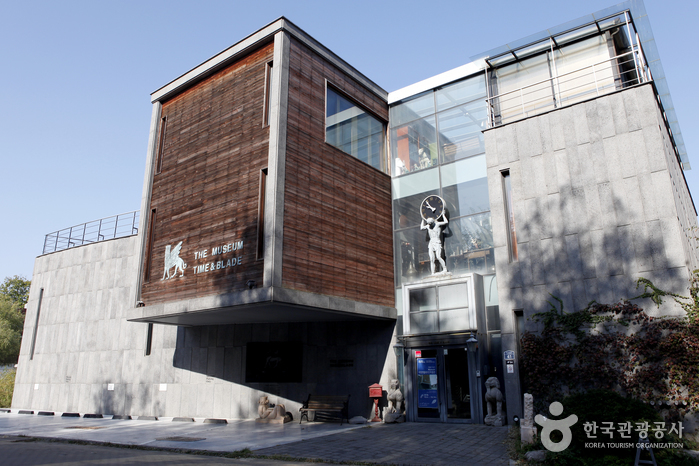
Time & Blade Museum (타임앤블레이드 박물관)
3.9Km 2021-11-30
41, Heyrimaeul-gil, Paju-si, Gyeonggi-do
The Time & Blade Museum features two floors filled with items that have shaped the development of humankind. There are many clocks and watches on display, with the largest hall dedicated to skeleton clocks. The museum also displays the parts that make up a clock and the tools used to create them.
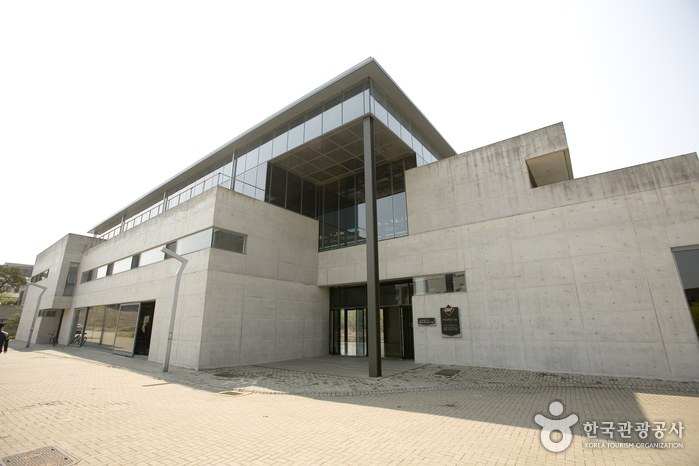
Seoul Action School (Martial Arts Center) (서울액션스쿨 (마샬아트센터))
4.1Km 2021-09-03
18-61, Heyrimaeul-gil, Paju-si, Gyeonggi-do
Seoul Action School, located in the artist village of Heyri in Paju-si, Gyeonggi-do, started out as Stunt Academy. The school was founded on July 1, 1998 by Kim Yeong-Bin (director and screenwriter) and Jeong Du-Hong (actor and martial arts director), who believe that revitalizing action film is one way to contribute to and develop the film industry. Seoul Action School is the only action training institution in Korea that teaches not only acting, but also action techniques that can be used in a variety of film genres to help performers become even more marketable in the ever-globalizing film industry.
Paju Jangneung Royal Tomb [UNESCO World Heritage] (파주 장릉(인조, 인열왕후) [유네스코 세계문화유산])
4.4Km 2021-07-19
90, Jangneung-ro, Paju-si, Gyeonggi-do
Located in Paju, Jangneung is the tomb of King Injo (1595-1649, reign 1623-1649), the 16th ruler of the Joseon dynasty, and Queen Inyeol.
King Injo took the throne in 1623 after having overthrown the previous king, Gwanghaegun, in a military revolt. During his reign, King Injo faced challenges from two foreign invasions in 1627 and 1637. He died in 1649 in Changdeokgung Palace.
Museum HEI (뮤지엄헤이)
4.7Km 2024-10-04
885-43 Pyeonghwa-ro, Tanhyeon-myeon, Paju-si, Gyeonggi-do
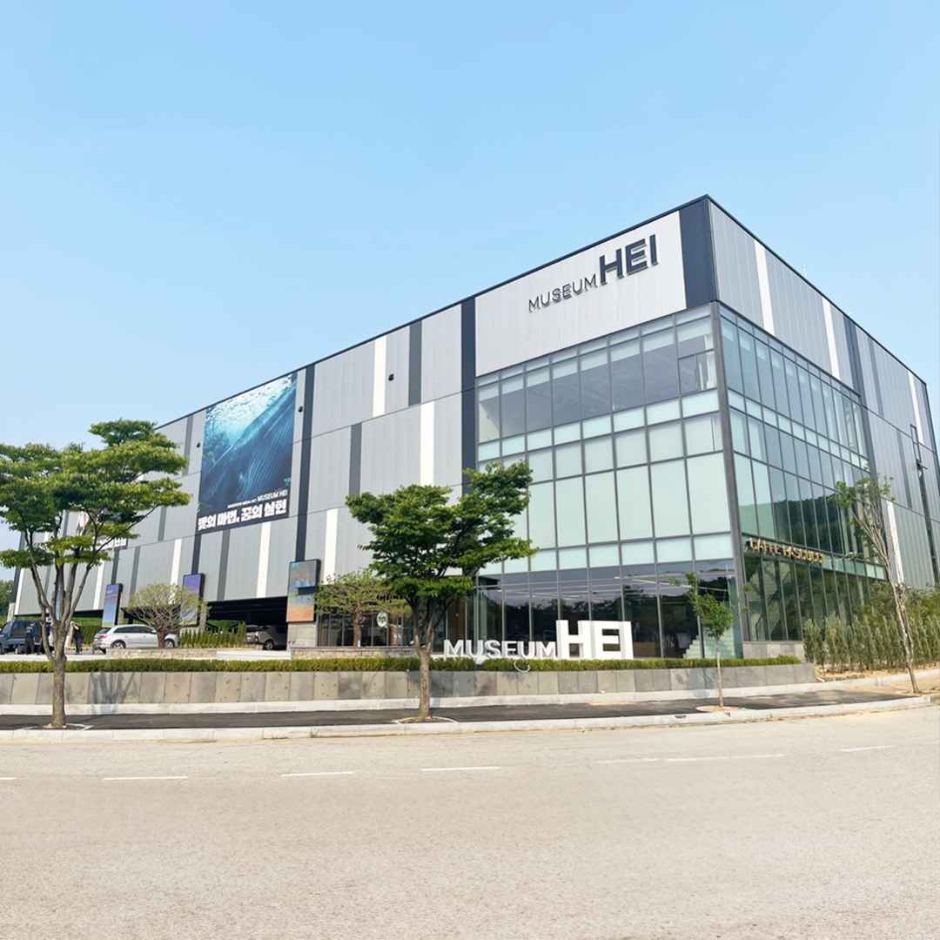
Museum HEI is a large media art gallery located in Paju, named after the common greeting in Finland, the world's happiest country. The gallery features 20 different themed contents, all under the overarching concept of "beautiful moments in life."
Provence Village (프로방스 마을)
4.7Km 2024-10-31
69 Saeori-ro, Tanhyeon-myeon, Paju-si, Gyeonggi-do
Provence Village is a themed village that began with the opening of a chic French restaurant in 1996. It has expanded to include a famous bakery cafe, Italian and Korean restaurants, shops, colorful murals, a beautiful garden, and romantic lighting displays in the evenings.
Each unique shop is connected to other shops in the village. An art studio offers a wide array of dishes used in cafes and restaurants in the village; the Living Gallery not only decorates Provence Village, but also makes decorative items such as hand-painted ceramics, available for purchase; and the European bakery boasts fresh, delicious breads. Each shop is an independent unit with a unique design concept. The Living Gallery offers shops selling ceramics, flowers, and herbs, while the Fashion Gallery consists of shops offering clothing, accessories, and interior design items. The Herb Garden hosts a wide array of cultural events and performances for visitors throughout the year.
The Hyooshik Aank Ryokan Hotel Paju (더휴식 아늑료칸호텔 파주금촌점)
6.2Km 2025-04-24
41-13 Geumjeong 14-gil, Paju-si, Gyeonggi-do
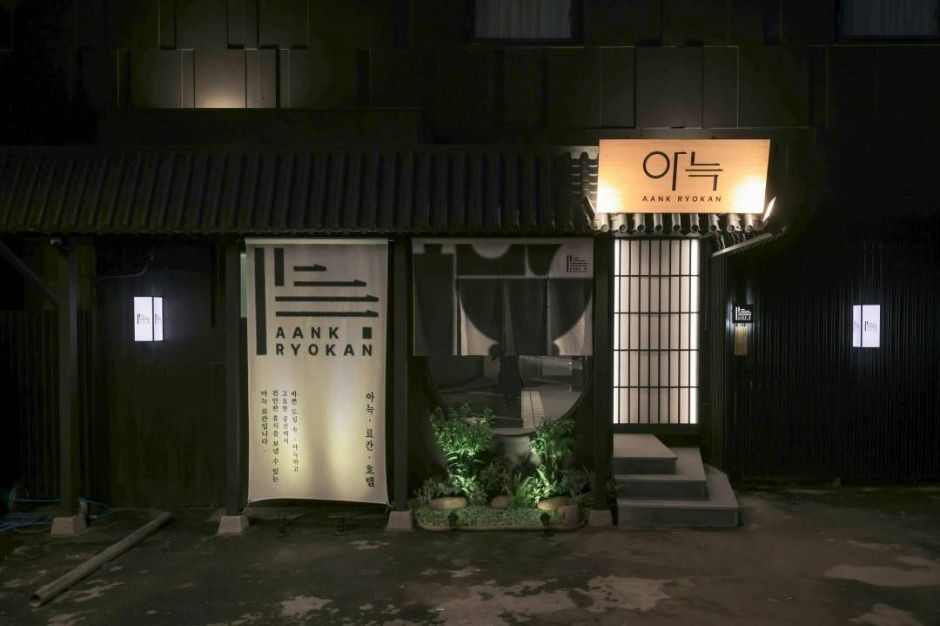
The hotel offers a cozy stay with salt baths and a private sauna in the lobby, which can accommodate up to four people. Guests can unwind and release their fatigue as they take in the calm sound of water and the slow passing of time. Guests can also rent Yukata in the lobby to enjoy a truly Ryokan-like experience. The wooden signboard and small roof tiles further enhance the cozy atmosphere of the hotel.
Odusanseong Fortress (파주 오두산성)
6.4Km 2024-12-03
Seongdong-ri, Paju-si, Gyeonggi-do
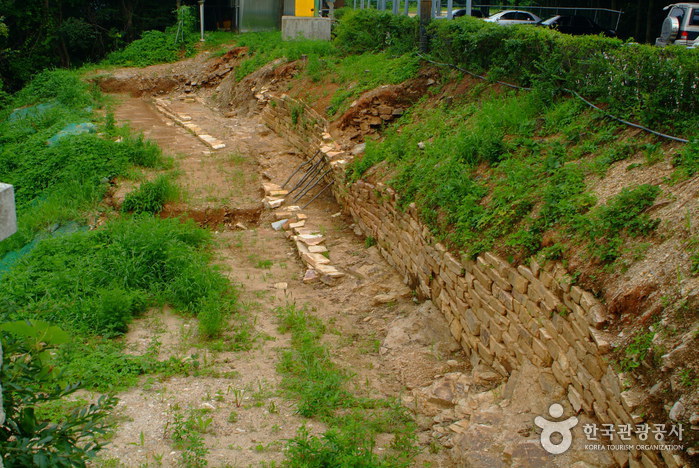
Odusanseong Fortress is built around the strategic summit of Odusasn Mountain. The walls stretch across roughly 620 meters and were built during the Baekje dynasty. The fortress is built on the intersection of the Imjingang River and the Hangang River on the summit of Odusan Mountain (119 meters). The mountain’s slope is steep and stones used in the construction of the fortress walls are scattered here and there at the summit. These scattered stones are evidence that the fortress underwent repairs several times during the Samguk (Three Kingdoms) era and the Joseon dynasty, as these stones were evidently quarried and used to mend the fortress walls. Excavations have discovered a great deal of earthenware, white porcelain, tile, and iron arrowheads. Topographically, the fortress sits on a prime strategic junction and the Unification Observatory has been situated there as well. The fortress stands as an important object of study concerning fortifications and structures from the Baekje dynasty. It has been recorded on the stele of King Gwanggaeto, Samguksagi (History of the Three Kingdoms), in the Naekjebongi (Baekje Annals) and on Daedongyeojido (Map of Korea) that the fortress was the Gwanmi Fortress of Baekje, attracting many scholars and researchers interested in this period.
 English
 한국어
한국어 日本語
日本語 中文(简体)
 Deutsch
 Français
 Español
 Русский


