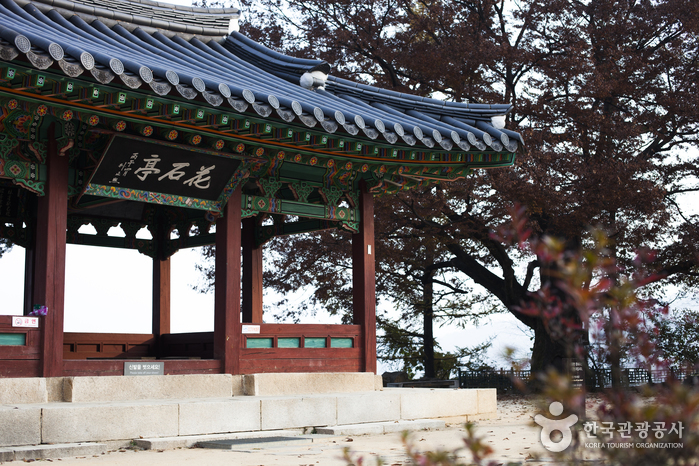
Hwaseokjeong Pavilion (화석정)
11.0Km 2021-12-14
152-72, Hwaseokjeong-ro, Paju-si, Gyeonggi-do
Hwaseokjeong Pavilion was built in honor of Gil Jae, a Goryeo dynasty Confucian scholar who had resigned from his government post to train young scholars. Overlooking the Imjingang River, the pavilion provides a good resting area dotted with zelkova trees.
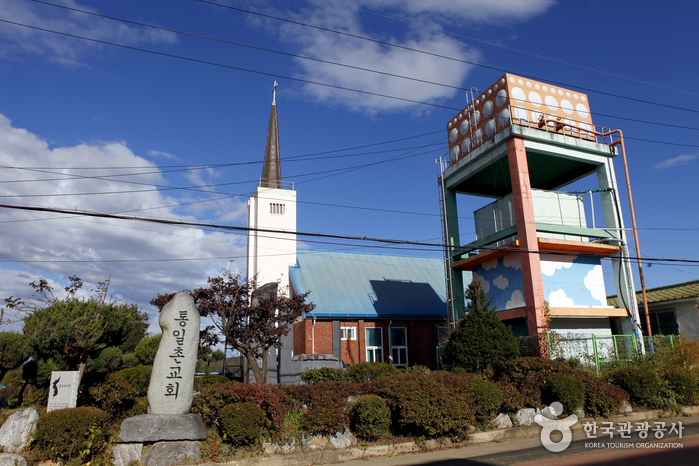
Unification Village (통일정보화마을)
11.2Km 2025-01-17
330-7, Baegyeon-ri, Gunnae-myeon, Paju-si, Gyeonggi-do
Paju’s Unification Village is located north of the Civilian Control Line (CCL). It has security tour locations, such as Panmunjeom, The 3rd Tunnel, and the Dora Observatory. The village is also famous for its agricultural products, such as Jangdan ginseng, Jangdan soybeans, and Jangdan rice, grown in the fertile and blessed nature of the area. Applications for Panmunjeom visits can be made a month in advance, starting from the 10th day of that month. Visitors are required to bring their passports for identification purposes. Nearby tourist sites include Imjingak Pavilion and Paju Book City.
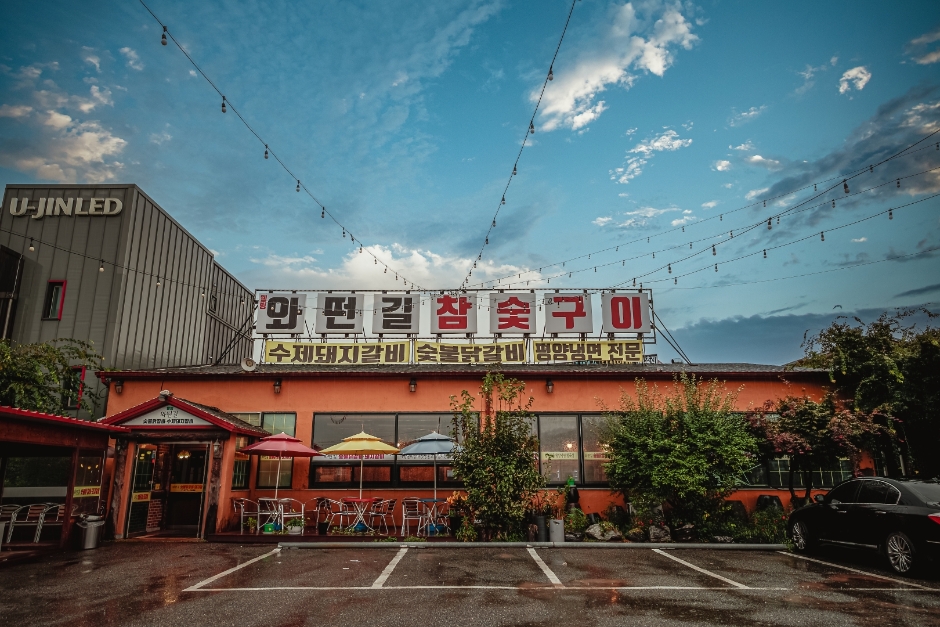
Watdeon-gil (와떤길)
11.4Km 2025-11-06
48-38 Gamnae-gil, Ilsandong-gu, Goyang-si, Gyeonggi-do
◎ Travel information to meet Hallyu’s charm - "Agency"
After successfully completing her presentation, Go Ah-in earns her promotion to a representative role. To honor this achievement, Kang Han-na arranges a team dinner. The venue is a specialty restaurant known for its Spicy Charcoal-grilled Chicken. Set within a spacious hall, its warm and relaxed ambiance is perfect for group gatherings and celebrations.
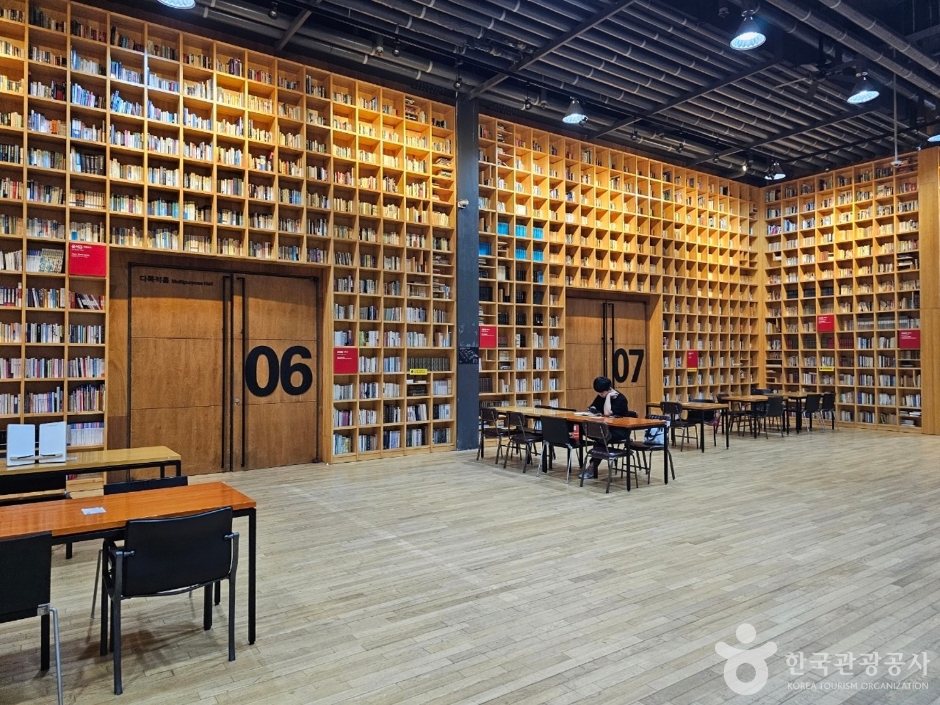
Forest of Wisdom (지혜의 숲)
11.6Km 2025-10-24
145 Hoedong-gil, Paju-si, Gyeonggi-do
◎ Travel information to meet Hallyu’s charm
The music video for Girls’ Generation’s debut song “Into the New World” was filmed here, and Hyoyeon’s dance break scene took place on the outside stairs. The building, which is known for its award-winning architecture, has also served as the backdrop for dramas such as “Romance Is a Bonus Book” and “The World of the Married.”
Tongilchon Jangdankong Maeul (통일촌장단콩마을)
11.6Km 2024-10-15
64 Tongilchon-gil, Gunnae-myeon, Paju-si, Gyeonggi-do
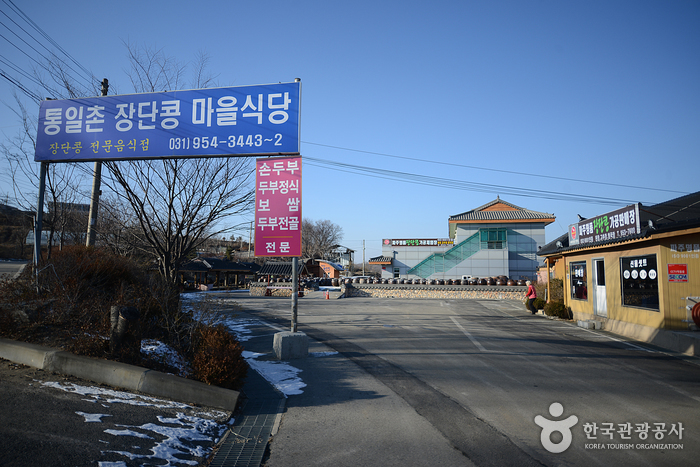
Tongilchon Jangdankong Maeul, specializing in bean curd dishes, is situated adjacent to the Demilitarized Zone (DMZ). To access it, visitors are required to bring their identification and pass through a checkpoint. The Jangdankong beans used here are known for their robust, savory flavor, distinguishing them from other beans. The restaurant is famous for its Jangdankong set menu, dubu jeongol (bean curd hot pot), doenjang jjigae (soybean paste jjigae), and Jangdan kongguksu (noodles in cold soybean soup), particularly popular during the summer season.
Paju Book City (파주 출판도시)
11.6Km 2024-02-29
Munbal-dong, Paju-si, Gyeonggi-do
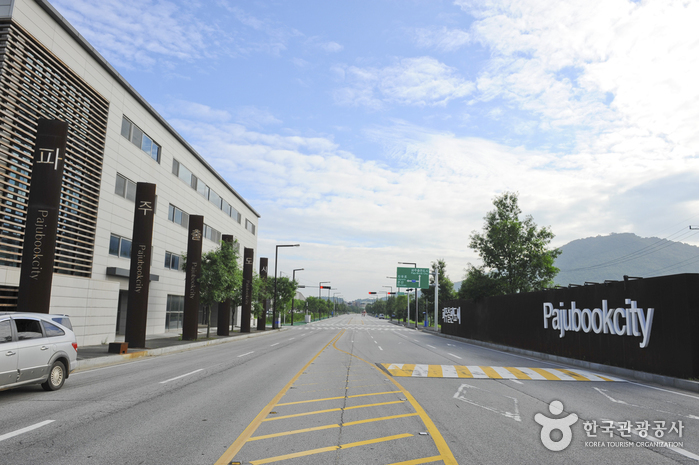
Paju Book City was formed in 1989 by a group of publishers who sought to modernize the distribution structure of Korea’s publishing industry. The addition of structures later on created its current form as a cultural complex. Today, Paju Book City is home to a large collection of publishing houses, printing companies, and bookbinding companies. Some publishing houses run their own libraries, secondhand book shops, and thematic libraries. There are plenty of book cafés and art shops in the area, and visitors can also occasionally enjoy cultural events, lectures, and concerts by publishing houses.

Dora Observatory (도라전망대)
11.7Km 2024-11-28
310 Je3ttanggul-ro, Jangdan-myeon, Paju-si, Gyeonggi-do
Dora Observatory is the closest DMZ observatory to Panmunjeom. From Dora Observatory, one can see not only the Panmunjeom but also the village of Daeseong-dong within the DMZ, mountains and farmlands on the North Korean side, and the city of Gaeseong, a North Korean city and the historic capital of Goryeo (918-1392). Individual visits are not allowed. The observatory can only be accessed through the DMZ Peace Tour, which embarks from Imjingak Pavilion after reservation. All visitors are required to bring their identification, such as passports or Alien Registration Card (ARC).
The 3rd Tunnel (제3땅굴)
12.7Km 2024-02-29
210-358, Je3ttanggul-ro, Gunnae-myeon, Paju-si, Gyeonggi-do
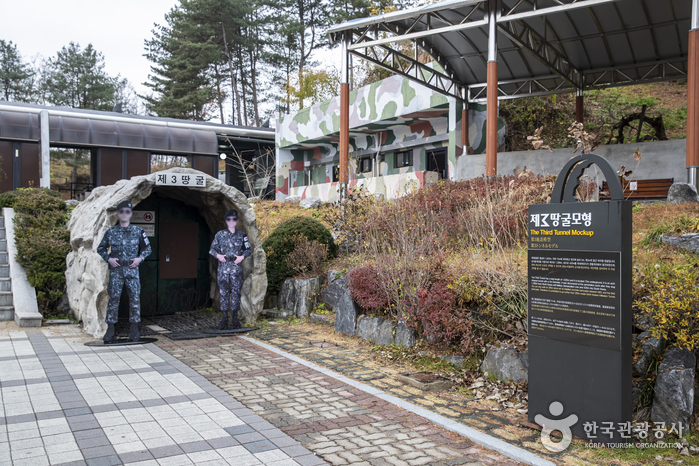
The 3rd Tunnel is the third of its kind built by North Korea for the purpose of invading South Korea. It was discovered in 1978. Among the four tunnels located so far, it is closest to Seoul (about 52 km). It has a total length of 1.6 km and a x_width of 2 m. It is estimated that nearly 30,000 personnel can move through the tunnel every hour. Visitors to the 3rd Tunnel must reserve the tour in advance. The tour starts from the Imjingak Pavilion. All visitors are required to bring their identification, such as passports or Alien Registration Card (ARC).
The Hyooshik Aank Hotel Ilsan Tanhyeon (더휴식 아늑호텔 일산탄현점)
12.9Km 2025-04-24
8-32 Ilhyeon-ro 41beon-gil, Ilsanseo-gu, Goyang-si, Gyeonggi-do
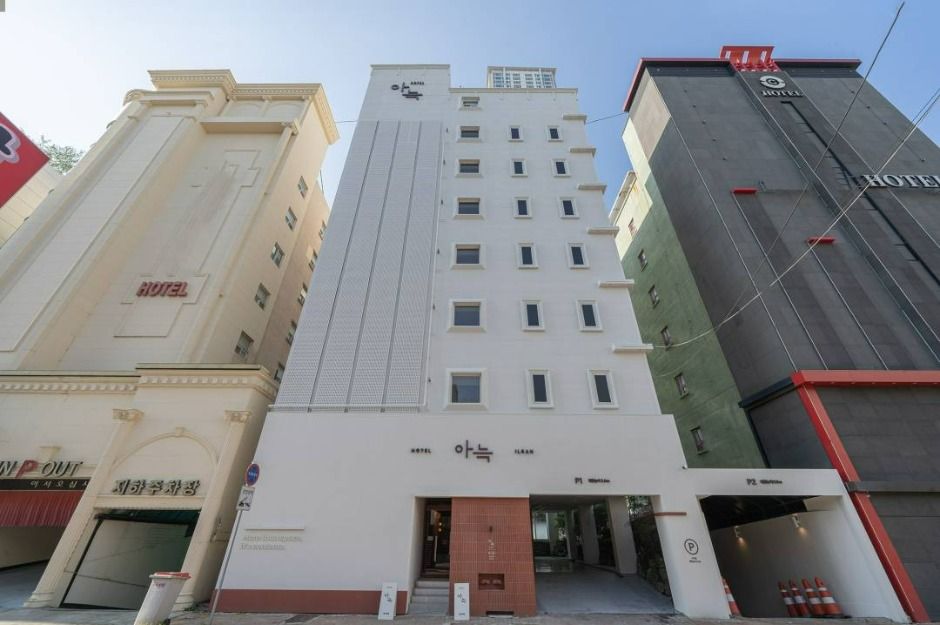
The hotel offers rooms with diverse themes, such as a Nintendo room offering a fun gaming experience, a music room that evokes nostalgic sentiments with LPs, a movie room where guests can have a cinematic experience, and a golf room allowing guests a golf swing. The hotel rooms are designed to cater to the diverse needs of customers, ensuring a fun and memorable stay.
Yulgok Arboretum (율곡수목원)
12.9Km 2023-02-02
392, Jangseungbaegi-ro, Papyeong-myeon, Paju-si, Gyeonggi-do
Yulgok Arboretum was established for the preservation, proliferation, and exhibition of plant genetic resources, and provides a variety of resort services related to forest culture for citizens. It features a four seasons garden, conifers garden, rock garden, fruit tree garden, Saimdang Forest, and many other beautiful venues, and also offers diverse forest experiences. It also provides a forest experience program for infants and toddlers as well as a forest healing program in which people of all ages and genders may participate. The Dulle Trail surrounding the arboretum runs some 5 kilometers in length and exudes diverse views from its observatory, pine scent path, and Munbawi Rock. From the arboretum, you will be able to see the Imjingang River to the north and great mountains such as Papyeongsan and Gamaksan to the east. It is possible to tour the historical sites of Yulgok Yi I and Hwang Hui as well since they are close by.
 English
 한국어
한국어 日本語
日本語 中文(简体)
 Deutsch
 Français
 Español
 Русский


