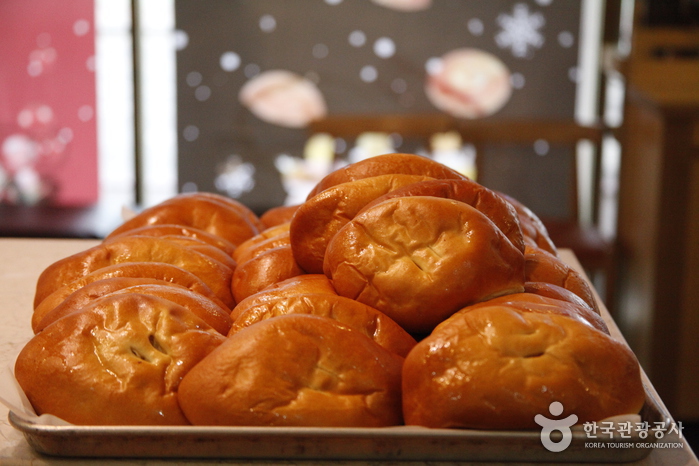
Leesungdang (이성당)
14.2Km 2025-10-23
177 Jungang-ro, Gunsan-si, Jeonbuk-do
+82-63-445-2772
Leesungdang, established in 1945, is the oldest bakery in Korea, renowned for its popular yachaeppang (vegetable bun) and danpatppang (bun with sweet red bean filling). Danpatppang is made with rice flour and generously filled with sweet red bean paste. Yachaeppang features a chewy texture with a variety of vegetables inside. It is also famous as one of the representative tourist attractions in Gunsan.
◎ Travel information to meet Hallyu’s charm
This bakery, with its rich history and popularity among Koreans, has been featured in several variety shows, including "Two Days and One Night," "Infinite Challenge," "Home Alone," and "Night Goblin."
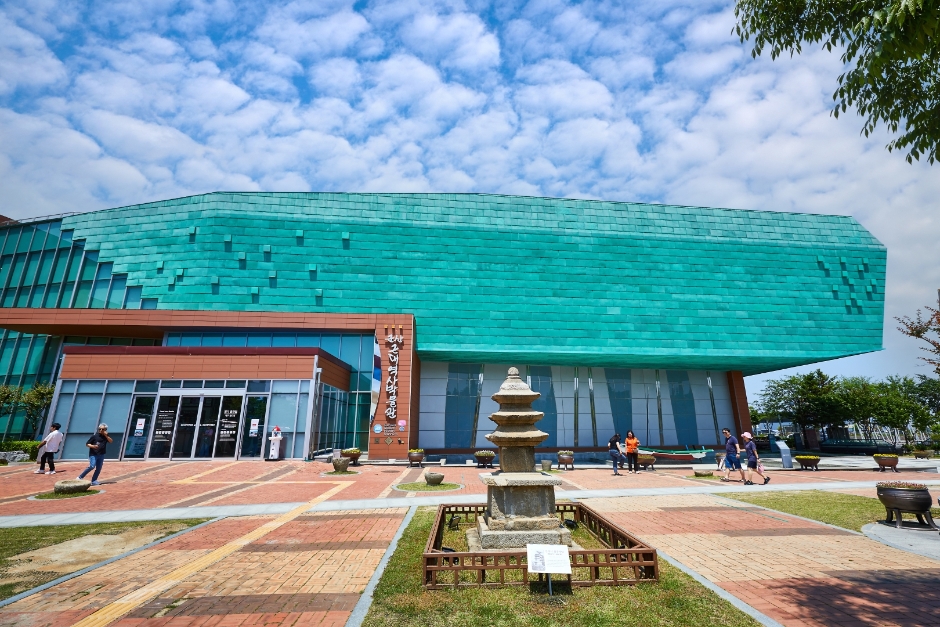
Gunsan Modern History Street (군산 근대화 거리)
14.3Km 2024-04-07
41, Jangmi 1-gil, Gunsan-si, Jeonbuk-do
Gunsan was historically an important trading port. Because of that, it often served as the landing point of new culture in Korea. One such example is the modern culture during the Japanese colonial period, which traces of that time can still be found today. At Gunsan Modern History Street, you will find Gunsan Modern History Museum, Old Gunsan Customs Office, Gunsan Modern Art Museum, Gunsan Modern Architecture Hall, and the former Joseon Bank building standing in a row. If you want to see Gunsan’s past and present, a visit to the museum is recommended. The area between Leesungdang and this area is the old city center of Gunsan, home to shops and cafes that build upon Gunsan’s uniquely retro aesthetics.
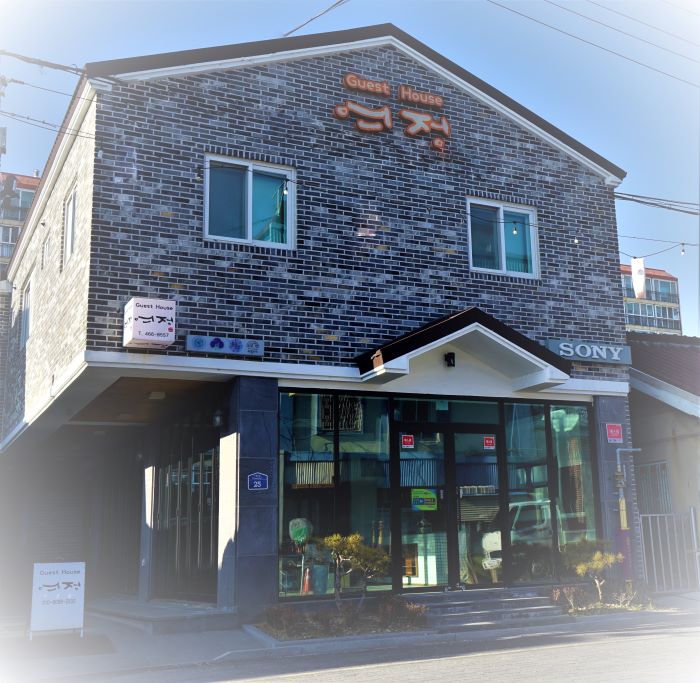
Guesthouse Yeojeong / 게스트하우스 여정
14.4Km 2025-03-05
25 , Guyeong 2-gil, Gunsan-si, Jeonbuk-do
+82-10-8098-2202
Guesthouse Yeojeong (‘Journey’) stands on Modern Culture Street in Gunsan, Jeollabuk-do, and offers two types of accomodation: Korean-style ondol-heated rooms and a room with wooden bunk beds. The owner lives on the first floor and takes good care of the guests. In the common living room, there are books, music, and photos and paintings of Gunsan from the 1920s and 1930s - giving it a bohemian feel. A simple breakfast of toast, eggs, coffee and fruit is provided. Tourist attractions such as Chowon Photo Studio, Iseongdang Cafe, and Dongguksa Temple are all reachable on foot.
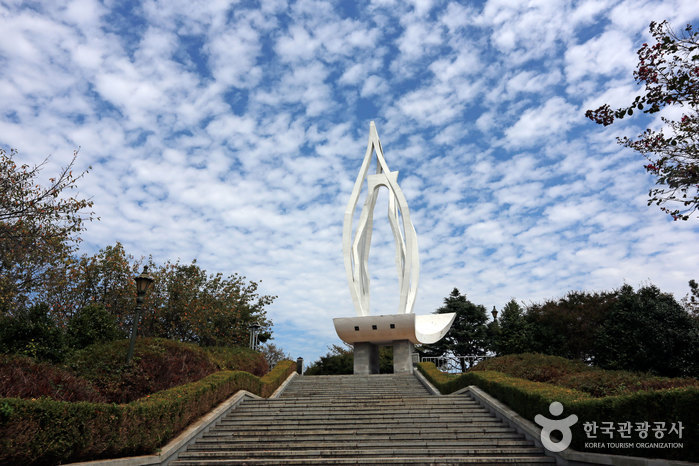
Wolmyeong Park (월명공원)
14.4Km 2024-04-07
26-3, Wolmyeonggongwon 1-gil, Gunsan-si, Jeonbuk-do
+82-63-450-4000
Wolmyeong Park is a popular tourist destination in Gunsan and
connects five mountains in the vicinity. The park has 12 kilometers of walking trails, as well as an observatory, sculpture park, and various monuments. From Susi Tower, which resembles a flame or wind-blown sail, people can see all of downtown Gunsan, the sea to the south of Gunsan, the mouth of the Geumgang River, and the large Janghang smelting factory.
The park has well-arranged gardens and 30-year old rattan and cherry trees. A cherry blossom photo contest is held every April, when the park is covered in cherry blossoms.

Gunsan Port (군산항)
14.6Km 2024-04-07
442 Imhae-ro, Gunsan-si, Jeonbuk-do
Gunsan Port, established in 1899, is the port of Gunsan. During the Japanese colonial period, Gunsan prospered as a trading port. Modern buildings from that era still remain around Gunsan Port, creating a nostalgic atmosphere often referred to as a "time-travel village." Nearby attractions include the Gunsan Modern History Museum and the Sinheung-dong Japanese-style House Street.
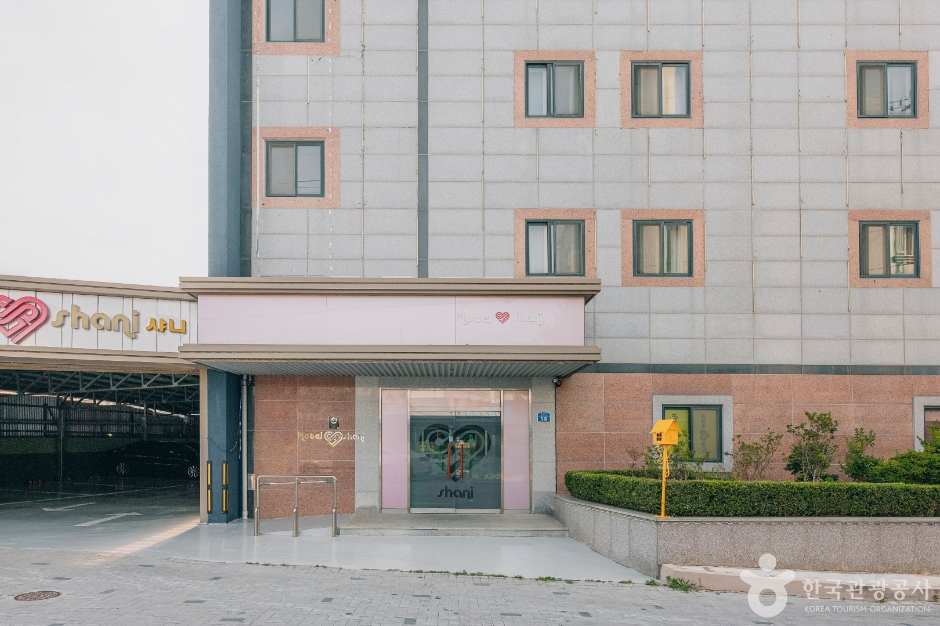
Shani Motel (샤니모텔)
14.7Km 2024-12-24
18 , Dongjung 3-gil, Buan-gun, Jeonbuk-do
+82-63-584-9935
Shani Motel is in Buan, Jeollabuk-do, and is accessibly situated just a 7-minute walk from the Buan Intercity Bus Terminal. Rooms are spacious and neat, and the motel is equipped with accessibility features for physically and visually impaired visitors, including disabled parking spaces, entrance ramps and braille blocks; guide dogs are welcome. Many tourists visit during the Masil Festival in May.
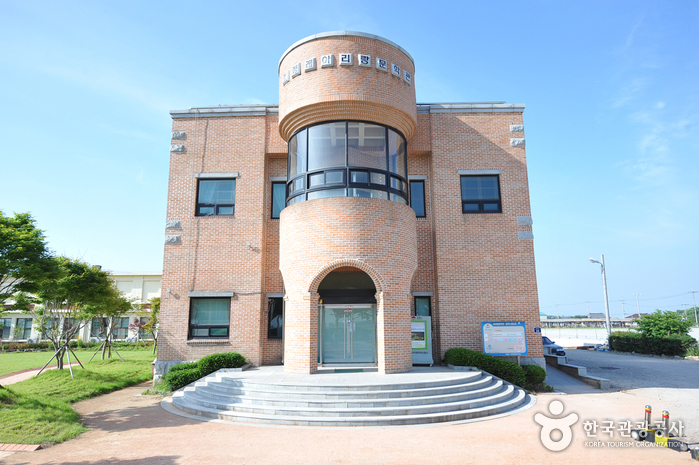
Arirang Literature Museum (조정래 아리랑문학관)
16.8Km 2024-04-07
24, Yongseong 1-gil, Gimje-si, Jeonbuk-do
+82-63-540-3934
Located in Gimje, Jeollabuk-do, Arirang Literature Museum (Jo Jung-rae Arirang Literature Museum) was opened in May, 2003. The museum displays materials related to Jo Jung-rae’s novel "Arirang," a work praised to have x_heightened Korea's literature standards in aspects of cultural, literary, and popular value. "Arirang" takes place during the time of Japanese colonization, vividly describing the pain and common racial values which people shared as a whole amidst the suffering and efforts that were made to bring Korea's independence a step closer.
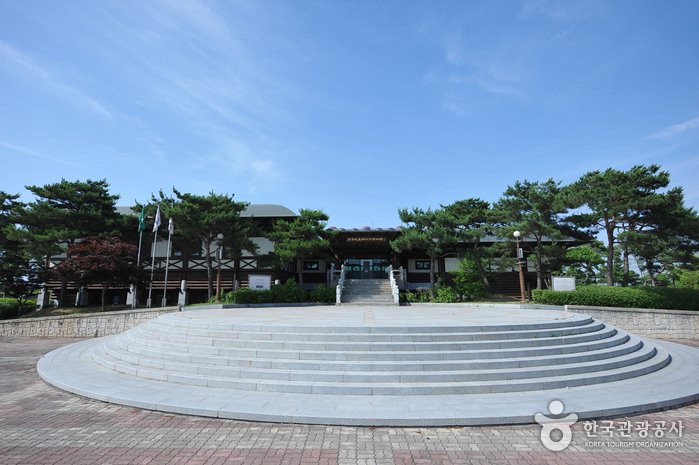
Byeokgolje Museum of Agricultural Culture (벽골제 농경문화 박물관)
16.9Km 2024-04-06
442, Byeokgolje-ro, Gimje-si, Jeonbuk-do
+82-63-540-4989
The largest irrigation facility in Korea, Byeokgolje Reservoir (Historic Site) is considered the birthplace of Korea’s rice-farming culture. All that remains of the reservoir today are a three-kilometer long embankment that spans from Sinyong-ri to Wolseung-ri in Buryang-myeon, Gimje-si and a monument that was erected in 1415. The Byeokgolje Museum of Agricultural Culture exhibits around 250 artifacts related to rice farming; located within the same complex is an experience center where visitors can discover many properties of irrigation facilities first-hand.
Gimje Horizon Festival (김제지평선축제)
16.9Km 2025-07-09
442 Byeokgolje-ro, Buryang-myeon, Gimje-si, Jeonbuk-do
+82-63-540-3037
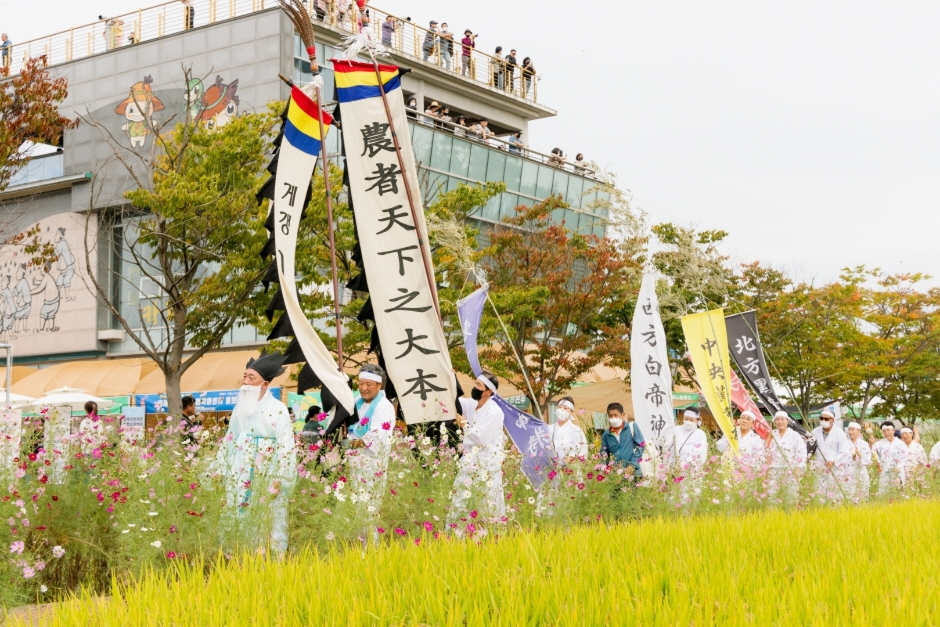
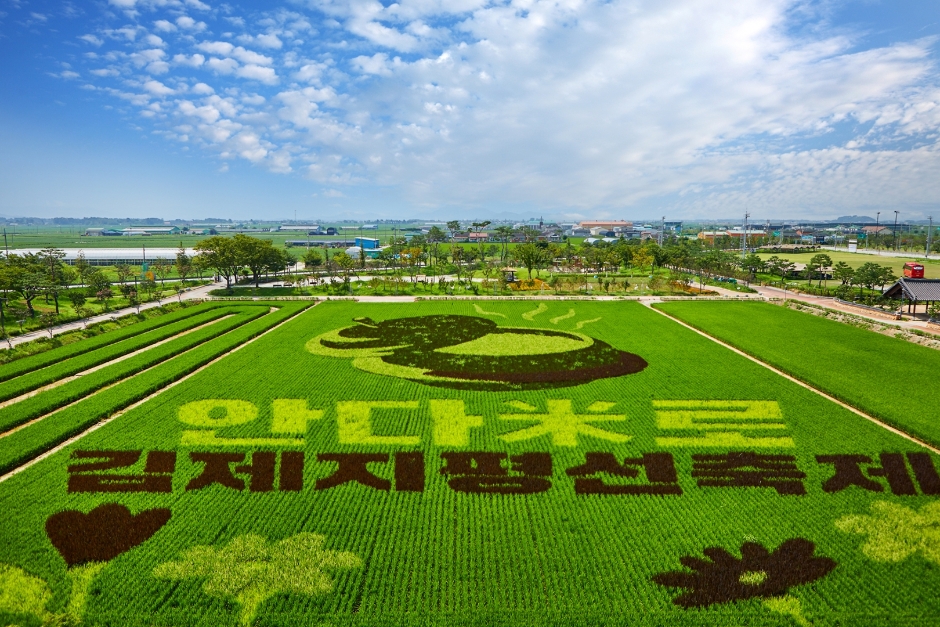
In Korea, finding an unobstructed horizon is a rarity, making Gimje’s expansive horizon a unique and stunning sight. Held in the autumn when the fields are tinged with gold, the Gimje Horizon Festival celebrates this unique landscape. The festival aims to promote Gimje’s famous rice and preserve traditional agricultural culture based on the theme of, “where the land meets the sky.” The torch parade at night is the highlight of the festival. The spectacular performance in front of the huge twin dragon sculptures standing at the center of the Byeokgolje Reservoir (Historic Site No. 111) perfectly captures the festival’s vibrant and passionate atmosphere. Throughout the festival venue, there are farming activities, such as harvesting rice and threshing, as well as rural experiences of the past, such as catching grasshoppers and riding an ox cart.
◎ Byeokgolje Reservoir
Built during the Baekje period, the manmade reservoir shows the wisdom of Korea’s ancestors and the old agricultural system. On the embankment more than 3 kilometers long, five floodgates were installed to discharge water into the rice fields.
Byeokgolje Reservoir Site (김제 벽골제)
16.9Km 2024-04-07
442 Byeokgolje-ro, Buryang-myeon, Gimje-si, Jeonbuk-do
+82-63-540-4094
Byeokgolje Reservoir Site is home to the embankment and stele recording reconstruction for Korea’s first ever reservoir. Records show it was rebuilt in the 6th year of King Wonseong of Silla (790), the 21st year of King Hyeonjong and King Injong of Goryeo (1143), and then again in the 15th year of King Taejong of Joseon (1415). It was lost due to heavy rain in 1420 (the 2nd year of King Sejong's reign).
Currently, only about 3 kilometers of straight embankment remains on the site. In 1925, the Dongjin Land Improvement Association remodeled this embankment and used it as a channel for providing water for farming, thus losing a lot of its original appearance. A monument was erected on the north side of the embankment to commemorate the rebuilding of Byeokgolje Reservoir during the Joseon Dynasty. However, it is difficult to read the writing because it is worn out.
In 1975, two sites with water gates that controlled the water in the reservoir were excavated, and the results showed that the construction used large-scale, high-level engineering technology. Byeokgolje Reservoir is not only significant in that it was Korea's first reservoir but also proves that the country’s civil engineering technology was developed enough to build such a reservoir at the time, revealing a groundbreaking fact in the history of science and technology in Korea.
Nearby tourist attractions can be visited together: Byeokgolje Agricultural Museum, where you can get a glimpse of the old agricultural culture, Theme and Experience Space for Agriculture, and Byeokcheon Art Gallery, which displays the works of Na Sang-mok, an Oriental Painting artist in Korea.
* Pets are allowed; however, a leash is required.
 English
 한국어
한국어 日本語
日本語 中文(简体)
 Deutsch
 Français
 Español
 Русский


