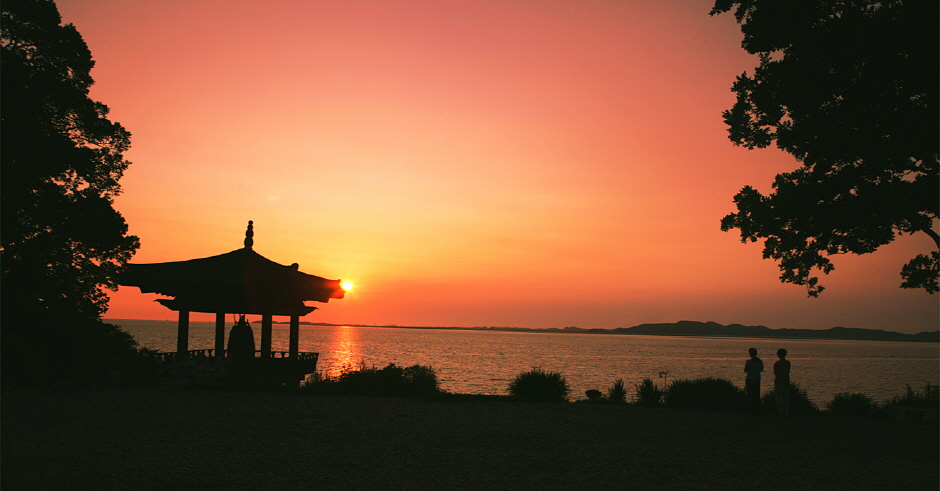
Manghaesa Temple (망해사)
.0M 2024-04-07
94, Simpo 10-gil, Gimje-si, Jeonbuk-do
Manghaesa Temple is located at the edge of the Gimje Plains before the sea. The temple stands at the summit of Jinbongsan Mountain. The temple was named for the view of the ocean and the fields of rice. The temple was established by the great monk Buseol Geosa during the 2nd year of King Uija of Baekje (AD 642). Years later, Dobeopsa (a Chinese monk from the Tang dynasty) renovated the temple. The temple was altered again during the reign of King Injo of the Joseon dynasty when the great monk Jinmuk Daesa built Nakseojeon Hall in 1589. Bogwangjeon Hall and Chilseonggak Pavilion were built much later in 1933. Manghaesa Temple is unique in that it is the only temple where the distant horizon is visible over both land and sea. Nearby attractions include a walking path through a field of reeds by Mangyeonggang River and views of the sunset over the sea.

Gunsan Country Club (군산 컨트리클럽)
6.4Km 2024-04-07
1685, Namgunsan-ro, Gunsan-si, Jeonbuk-do
Gunsan Country Club is a golf course featuring 81 holes, including 18 holes exclusively for members only, on the site of an abandoned salt field that spans over 1,060 acres. It is the only course in Korea where all the holes are surrounded by lakes; around 380 acres or 36% of the course is comprised of lakes, and the holes are connected by 26 bridges. It has some of the longest golf holes in the world, including a Par 7 hole (1,004 m) and a Par 6 hole (661 m). The 18-hole private golf course is done in the classic American style, while the public golf course offers more variety.
Gimje Seongmoam Hermitage (성모암(김제))
8.5Km 2024-04-07
54-9, Hwapo3-gil, Gimje-si, Jeonbuk-do
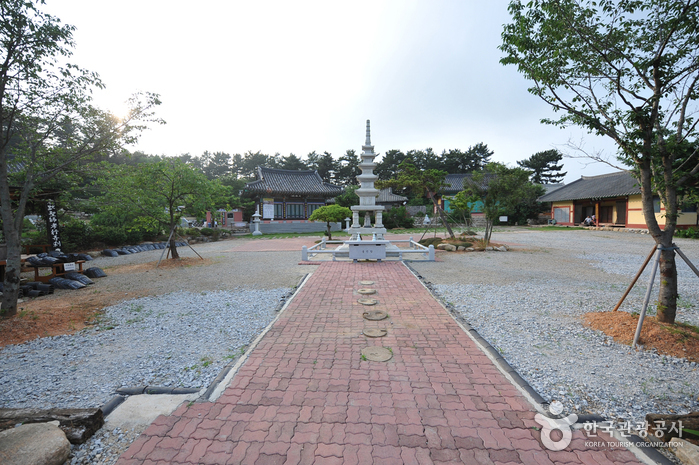
Seongmoam Hermitage, a temple of the Jogye Order, is located on Yuangsan Mountain in Mangyeong-myeon, Gimje-si. The temple is the final resting place of the mother of Jinmuk Daesa, a great Buddhist monk from the Jeonbuk region. Jinmuk believed that a person’s love and respect for Buddha is not that much different from the love and respect one has for his or her parents. As an expression of this philosophy, Jinmuk had his mother’s remains enshrined at the temple after she died at Mujasoncheonnyeonhyanghwajiji.
A neat little line of stone lamps leads visitors up from the parking lot to the temple grounds, revealing the well-attended grave of Jinmuk Daesa’s mother to the left. The temple is very unique in that it is the only one to house a caretaker’s office (Gosiraejoen Hall) that is responsible for maintaining the grave site.
It is said that prayers made to Seongmo (the holy mother) while visiting the temple will come true. Throughout the year, throngs of people journey to the temple to pay their respects and earnestly ask the holy mother to grant them their deepest desires.
Saemangeum Trail (새만금 광역탐방로)
8.8Km 2024-04-06
1192-1 Hwapo-ri, Jinbong-myeon, Gimje-si, Jeonbuk-do
Saemangeum Trail is a walking trail designed to showcase the exceptional natural scenery near the Mangyeonggang River. Spanning a total of 12.5 kilometers, starting from Mangyeong-eup's Tojeong Village and leading to Jinbong-myeon's Sampo Village, this trail allows walkers to immerse themselves in expansive rice paddy and lush greenery. Along the Mangyeonggang River, visitors can also observe various protected plant and animal species inhabiting the area.
Eunpa Lake Park (Eunpa Recreation Area) (은파호수공원(은파국민관광지))
10.9Km 2024-04-07
Miryong-dong, Gunsan-si, Jeonbuk-do
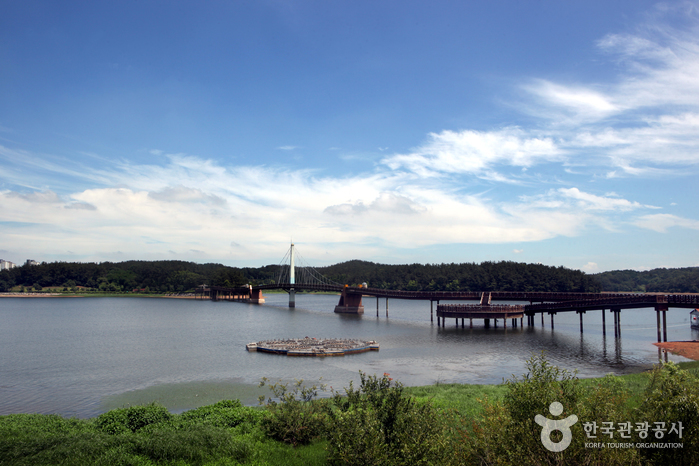
Located in Gunsan, Jeollabuk-do, Eunpa Lake Park was once a reservoir built before the Joseon dynasty that supplied water to nearby farms. The lake and its surrounding mountains were designated a national tourist site in 1985, but remain historically significant as they are featured on Daedongyeojido (Grand Map of Korea), a revered document developed by geographer Kim Jeong-ho. Known for its beauty at night, the lake was befittingly dubbed “Eunpa,” which means “silvery moonlit waves.”
Eupa Lake Park is full of natural beauty. The road that runs up from the park entrance is lined with cherry trees that create a breathtaking tunnel of pink flowers each spring. This stunning cherry blossom tunnel draws crowds of families and couples each year, particularly on the weekends. Mulbit Bridge, a landmark of the Eunpa tourist site, offers an impressive view of the Music Fountain and nightscape. At the park, you’ll also find an inline skating area, a waterfront stage, and a lotus flower garden.
Ritz Plaza Hotel (리츠프라자호텔)
11.2Km 2024-04-07
30 Hanbatan-gil, Gunsan-si, Jeonbuk-do
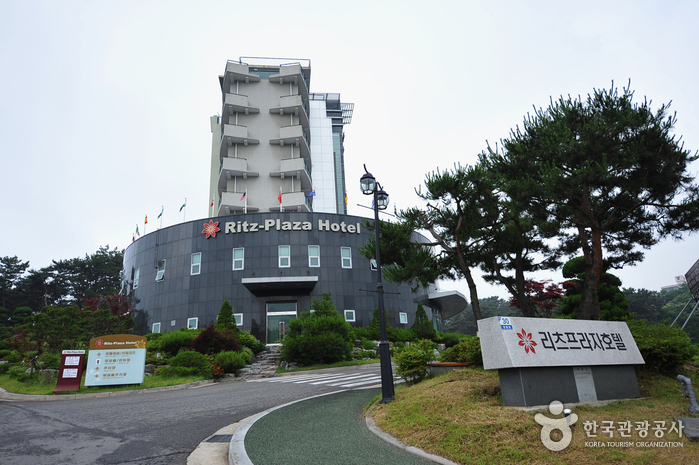
Ritz Plaza Hotel is a tourist hotel perfect for leisure, well-being, and resting. It is a representative of Gunsan along with Seonyudo Island. The stunning Eunpa Lake can be seen from the premium rooms. The hotel is equipped with various facilities like a Korean restaurant, Western-cuisine restaurant, coffee shop, buffets, wedding hall, banquet hall, and cafe bar.
House of Lee Young-choon (이영춘가옥)
13.0Km 2024-04-07
7, Donggaejeong-gil, Gunsan-si, Jeonbuk-do
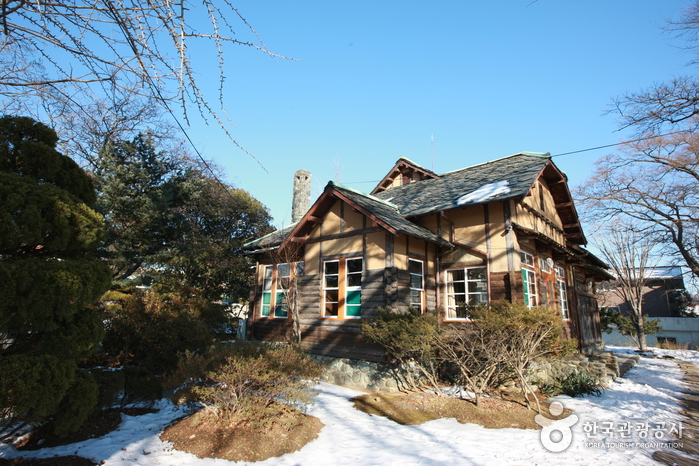
The House of Lee Young-choon was constructed by
a Japanese landlord named Kumamoto during the Japanese colonial era. The house combined Western, Korean, and Japanese into one structure. After Korean liberation, Dr. Lee Young-choon, the first medical doctor, lived in the house. From that time, the house was referred to as the
House of Lee Young-choon.
Thanks to its beautiful exterior, the house was used as a backdrop for films such as Bingjeom, Sandglass, and Yain Shidae, etc.
The doctor was considered the Korean "Albert Schweitzer", and his
pen name of "Ho", referring to ssangcheon,
means "two branches of spring water, represents one for healing physical disease and the other for healing the
spirit. He was born in Yonggang-gun, Pyeongannam-do in October 1903. In 1935,
through a connection by his professor at Pyeongyanggobo School, he took a position
as the head of Jahye Hospital to take care of 20,000 people. In addition, he was the first person
in Korea to implement the policy of school nurses as well as the medical insurance union.
LOTTE Shopping Mall – Gunsan Branch (롯데몰 군산점)
13.1Km 2024-04-06
130 Jochon-ro, Gunsan-si, Jeonbuk-do
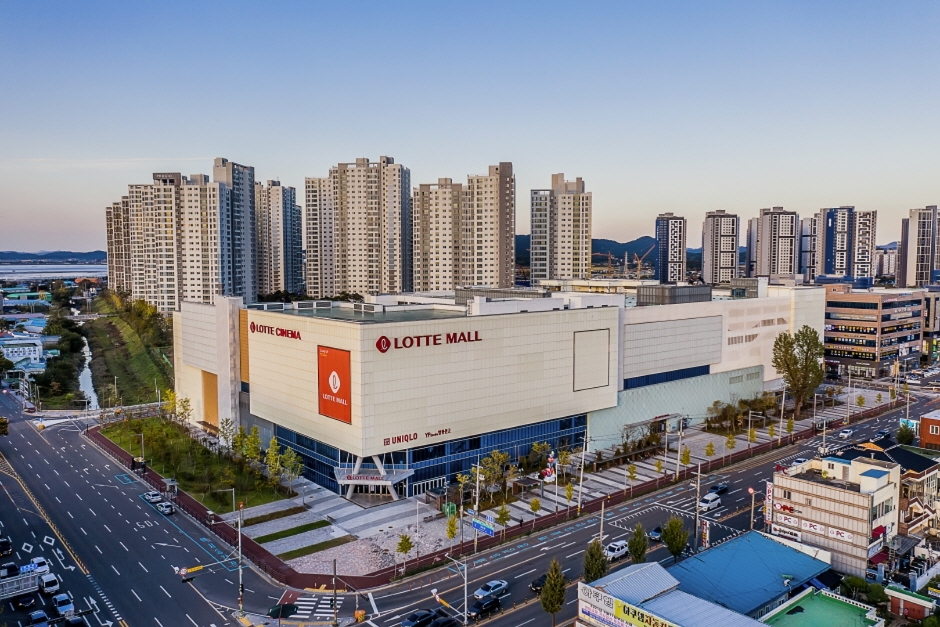
It is a shopping town where visitors can enjoy shopping, culture, and entertainment together, and it is the largest and first complex shopping mall in Jeonbuk State.
LOTTE Shopping Mall Gunsan Branch is full of fun 365 days with various events and performances for children.
Donggunsan Hospital (의료법인 오성의료재단 동군산병원)
13.2Km 2025-10-23
149 Jochon-ro, Gunsan-si, Jeonbuk-do
Donggunsan Hospital is a general hospital equipped with advanced medical equipment and system, ensuring high accuracy in tests and diagnoses, and providing high-quality treatment and medical services.
The hospital aims to become a genuinely good, patient-centered institution. It focuses on fostering Health Promotion Center, Gastrointestinal Endoscopy Center as well as areas of vascular surgery, cosmetic procedures, varicose vein surgery, dental cosmetics, minimally invasive spinal surgery to offer top-tier medical care and preventive services. Additionally, with the establishment of an International Medical Center and dedicated patient rooms, Donggunsan Hospital is well-prepared for treating international patients, paving the way for its evolution into a global hospital.
Hinokijam 1 (히노키잠(1호점))
14.1Km 2024-12-13
54-1, Guyeong 6-gil, Gunsan-si, Jeonbuk-do
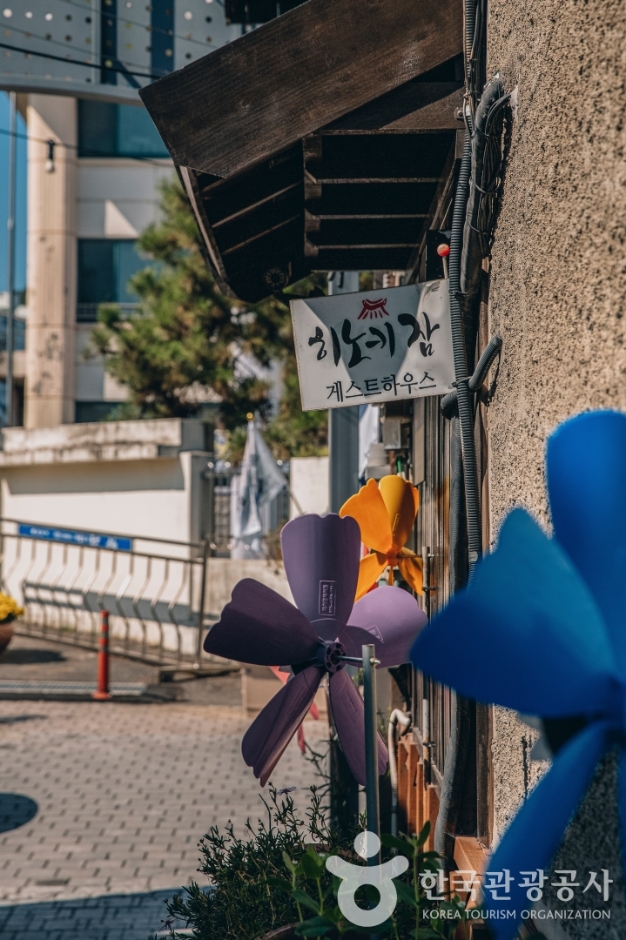
Hinokijam Guesthouse is a two-story traditional Japanese wooden house located on the Modern Culture and History Street of Gunsan, where you can experience the atmosphere and history of modern Japanese culture in Korea. Guests staying at the guesthouse are mostly travelers, and the room rates are reasonable, so it is a cost-effective option. There are 7 guest rooms, ranging from two-person rooms to eight-person rooms. Guest rooms for four or more people have beds depending on the room, and all bathrooms are inside the room. All rooms, with the exception of the Haetnimbang room, are charged per person. Breakfast includes toast and beverages.
 English
 한국어
한국어 日本語
日本語 中文(简体)
 Deutsch
 Français
 Español
 Русский


