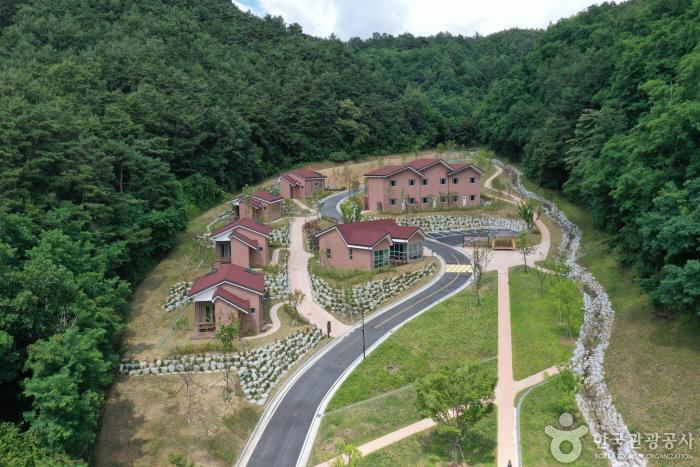
Bonghwa Pavilion Culture Center(봉화정자문화생활관)
15.8Km 2024-12-13
88 , Buraengi-gil, Bonghwa-gun, Gyeongsangbuk-do
+82-54-679-6963
Visitors to the Bonghwa Pavilion Cultural Residence Center can experience the Nujeong culture firsthand during their stay in the Solhyangchon, which is set in Oesam-ri, Bonghwa-gun, Gyeongsangbuk-do, and is themed around traditional towers and pavilions. Solhyangchoin can be divided into pensions and guest rooms, and reservations can only be made through the Bonghwa-gun Sports Facility Office's website. The pavilion exhibition hall, the pavilion garden, the pavilion rest area, and the dormitory yard are also available for your use. Nearby tourist attractions include Changpyeong Forest Park, Dadeok Mineral Spring Tourist Site, and Munsusan Natural Recreation Forest.
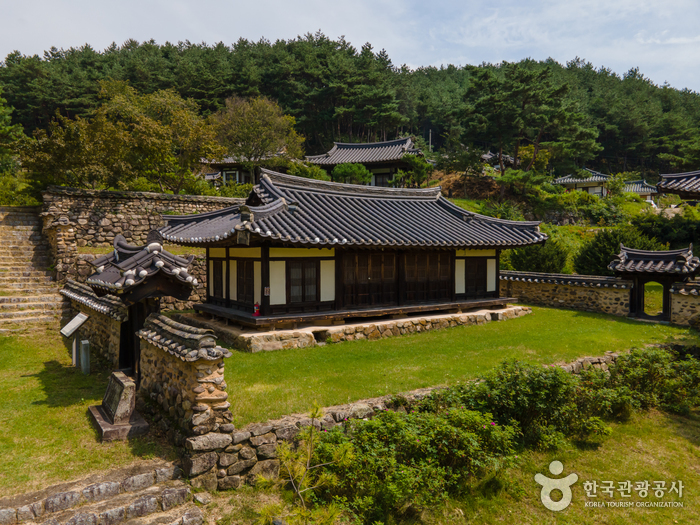
Andong Gunja Village (안동 군자마을)
16.5Km 2024-02-23
29 Gunjari-gil, Waryong-myeon, Andong-si, Gyeongsangbuk-do
Andong Gunja Village, established 600 years ago, was relocated 2 kilometers from its original site due to submergence during the construction of Andong Dam. The village's tradtional houses and pavilions were meticulously moved to preserve their historic value. Known as Gunja Village, it derives its name from a remark by the Joseon-era civil servant Jeong Gu, who noted, "There is no one in the village who is not a Gunja (gentleman)". The village is home to over 20 ancient houses, including the Hujodang Head House and Takcheongjeong Pavilion, maintained in their original state. Moreover, the village archives over 1,000 documents detailing adoption, property ownership, and labor distribution.
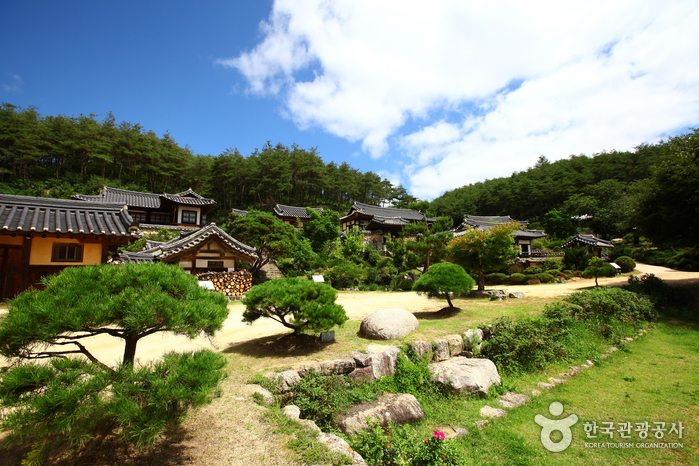
Andong Gunja Village (Ocheon Historic Site) (안동 군자마을(오천유적지))
16.5Km 2025-10-23
29 Gunjari-gil, Waryong-myeon, Andong-si, Gyeongsangbuk-do
+82-54-852-5414
Andong Gunja Village is a cluster of around twenty hanok. During the Joseon dynasty, this area produced many scholars, hence earning the name Gunja Village, meaning a village where many learned scholars reside. Designated cultural heritage sites include Takcheongjeong Historic House, and Shrine of the Gwangsan Kim Clan. Visitors can experience hanok stay, immersing themselves in the ambiance of historic houses and traditional customs.
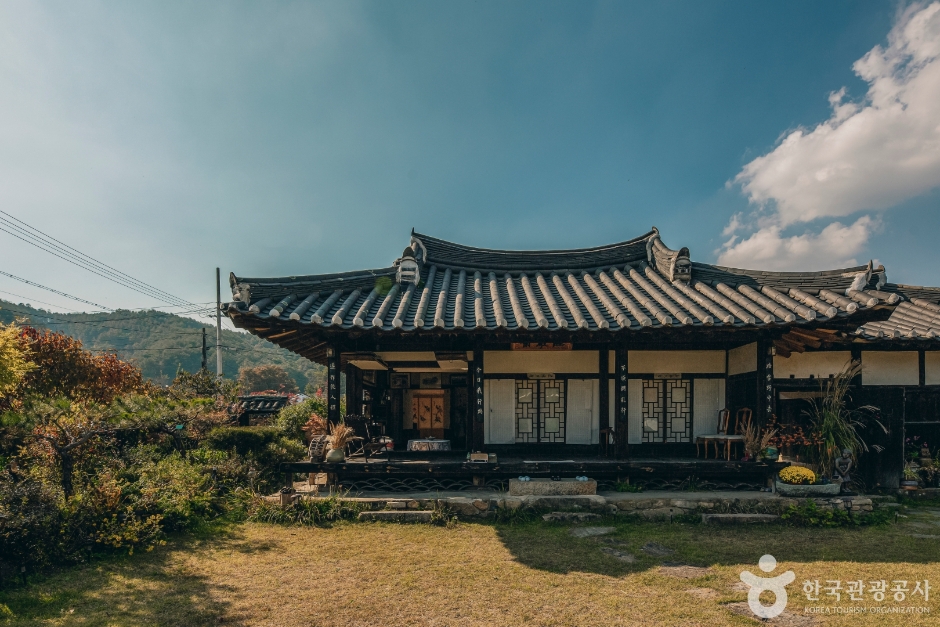
Seongamje / 성암재
16.8Km 2025-03-05
19-18 , Seodong-gil, Bonghwa-gun, Gyeongsangbuk-do
+82-54-673-5011
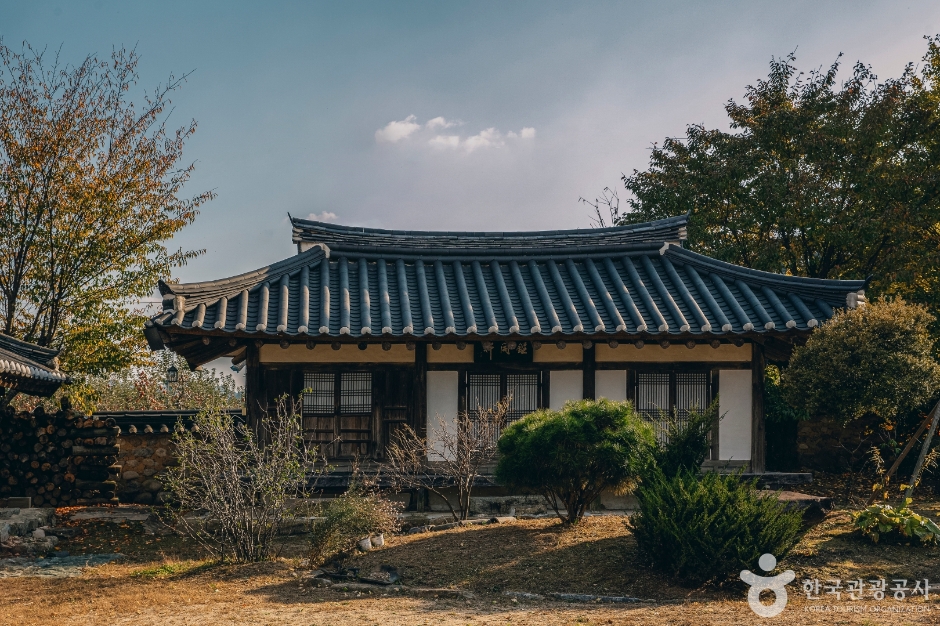
Seongamjae in Chunyang-myeon, Bonghwa-gun, Gyeongsangbuk-do, was built in 1915 by Seongam Kang Seung-won, son of Uijae Kang Pil who was an early campaigner for independence from Japan. Built of pinewood, the house is now equipped with modern facilities. In-room cooking is not allowed, a pay-for brunch is available. Next door is Bonghwa Mansan Old House, a National Folk Cultural Asset which guests are free to look around. Chunyang Station on the Yeongdong Line is a 5-minute walk away, and a luggage storage service is available.
Gwonjinsadaek House (권진사댁)
17.3Km 2024-12-13
39 , Nakcheondang-gil, Bonghwa-gun, Gyeongsangbuk-do
+82-10-9016-3201
Gwonjinsadaek House is a magnificent historic house with a history of more than 130 years, also known as Seongam House located in Chunyang-myeon, Bonghwa-gun, Gyeongsangnam-do. The first thing you notice as you walk inside past the tall gate is the sarangchae (detached building). There four guest rooms, Keun Sarangbang (large room), Jakeun Sarangbang (small room), Saesarangbang (new study room), and Jungbang (medium-sized room), all of which are ondol (underfloor heated) rooms except for Keun Sarangbang. There are no showers, toilets, or cooking facilities inside the rooms. Breakfast is not provided, but rice cakes and tea are complimentary. Nearby tourist attractions include the Mansan House and the East and West Three-Story Stone Pagodas in Seodong-ri, Bonghwa.

Andong School of Korean Etiquette (안동예절학교)
19.7Km 2023-04-07
1333-5, Toegye-ro, Andong-si, Gyeongsangbuk-do
+82-54-841-0511
Andong School of Korean Etiquette, which is located in Andong, is a mecca of Korea's Confucian customs and provides an opportunity to experience traditional Korean etiquette.
In addition to Korean traditional etiquette, Andong School of Korean Etiquette also teaches tea etiquette and traditional Korean music using instruments such as janggu and gayageum. Students can also experience the joy of learning how to play folk games such as yunnori and kite-flying. The school offers a wide variety of hands-on programs related to Korea's traditions and customs such as mask dance, paper craft, cooking, wedding, and eco-rafting on Nakdonggang River.
There are other popular tourist attractions nearby such as Dosanseowon Confucian Academy, Forest Science Museum and Yi Yuk-sa Literary Hall.
 English
 한국어
한국어 日本語
日本語 中文(简体)
 Deutsch
 Français
 Español
 Русский


