Gyeongsan Seonbonsa Temple (선본사(경산))
.0M 2021-12-02
699, Gatbawi-ro, Gyeongsan-si, Gyeongsangbuk-do
+82-53-851-1868
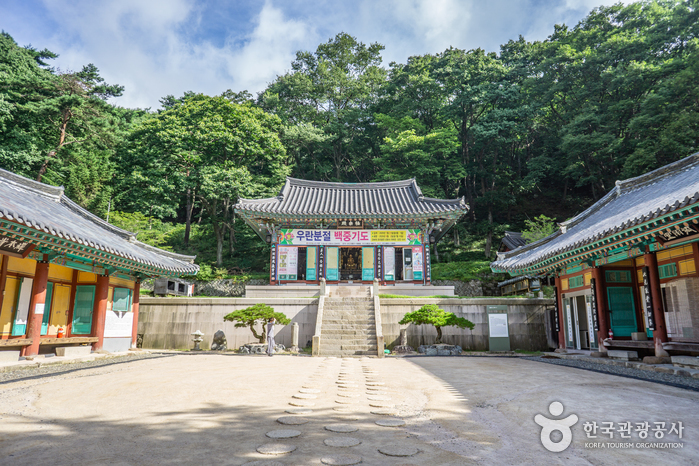
Seonbonsa Temple is a centrally administered temple of the Jogye Order. It was originally built in 491 by Geukdal, and later repaired in 1641. The temple is home to many important cultural treasures, including the Stone Seated Buddha at Gwanbong Peak (Treasure), Three-story Stone Pagoda (Gyeongsangbuk-do Cultural Heritage), and stone lanterns.
Palgongsan National Park (Gatbawi Section) (팔공산국립공원(갓바위지구))
2.3Km 2025-04-08
716-64 Gatbawi-ro 81-gil, Wachon-myeon, Gyeongsan-si, Gyeongsangbuk-do
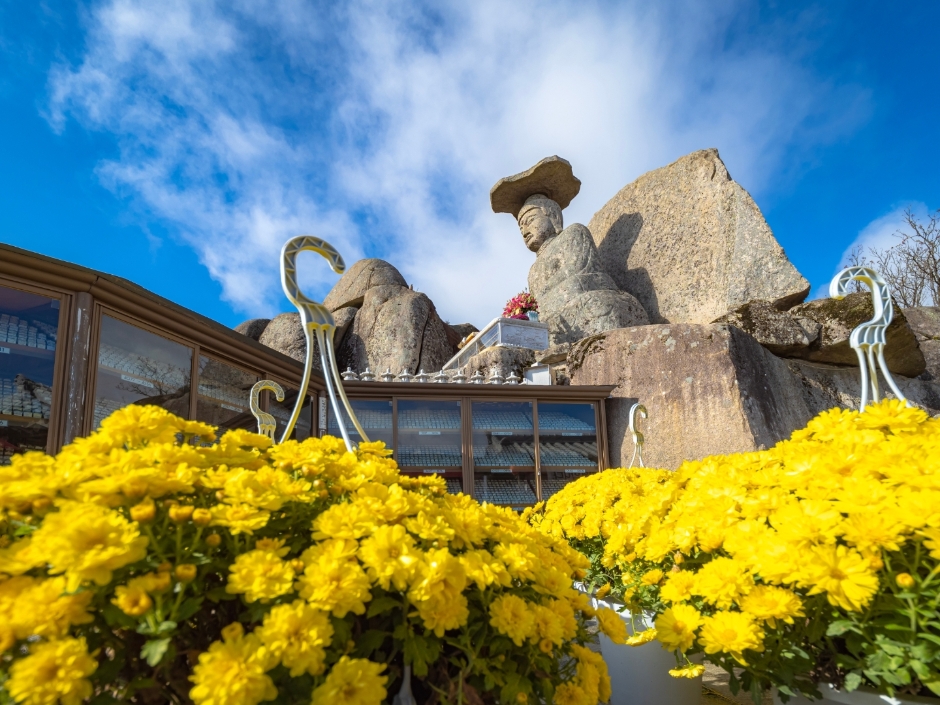
Located east of Daegu downtown, Palgongsan Mountain (altitude 1,192.3 meters) was called both Jungaksan and Buaksan Mountain during the Silla period. The mountain has many ancient temples and historical sites such as the Gatbawi Stone Buddha, Wonhyosa Temple, Cheonseongsa Temple and Bulgulsa Temple.

Daegu Donghwasa Temple (동화사(대구))
3.2Km 2025-08-11
1 Donghwasa 1-gil, Dong-gu, Daegu
Donghwasa Temple is located on the south side of Palgongsan Mountain, about 22 km northeast of Daegu. It was built by Monk Geukdal in the 15th year of King Soji’s reign (AD 493). The original name of the temple was Yugasa Temple, but Simjiwangsa rebuilt the temple under King Heungdeok (r. AD 826-836) and named it Donghwasa Temple, which means "the paulownia tree blooms even in winter," in reference to the blooming trees around the temple. Most of the present temple buildings were constructed between 1723 and 1732.
Palgongsan Nature Park (Gatbawi District) (팔공산자연공원(갓바위지구))
3.8Km 2024-02-29
6-1 Palgongsan-ro 199-gil, Dong-gu, Daegu
+82-53-939-0080
Palgongsan Nature Park, located in the Taebaek Mountain Range, features three peaks: Birobong Peak (1,192m), Yeombulbong Peak (1,042m), and Seobong Peak (1,150m). This mountain area boasts stunning rock formations and valleys. At an elevation of 852 meters on Gwanbong Peak, the Gatbawi Rock is renowned for fulfilling wishes. Other attractions include Donghwasa Temple, the Palgongsan Cable Car, and the Donghwasa Tourist Complex.
Palgongsan National Park (Donghwasa Temple District) (팔공산국립공원(동화사지구))
3.8Km 2025-08-11
1 Donghwasa 1-gil, Dong-gu, Daegu
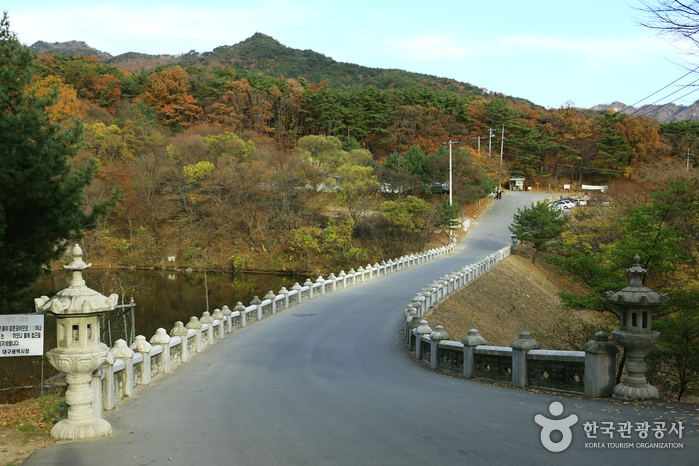
Palgongsan National Park is located close to Palgongsan Mountain, one of the larger mountains in the Taebaek Mountain Range. Palgongsan Mountain is located 20 kilometers northeast from downtown Daegu, where the Nakdonggang and Geumhogang Rivers meet. The mountain has three peaks in a row: Birobong Peak (1192.3 meters) in the center and Dongbong (aka ‘Mitabong,’ 1,155 meters) and Seobong (aka ‘Samseongbong,’ 1,150 meters) on each side.
The park is within the administrative district of Dong-gu, with Daegu and four towns along its border, including Yeongcheon-si, Gyeongsan-si, and Chilgok-gun. A number of Buddhist temples including Donghwasa, the headquarters of the 9th Buddhist Parish, are located in the area.
The park has numerous rocks and valleys and is carpeted with azaleas in the spring. In the autumn many visitors flock to the park to admire the fall leaves on the trees lining the 16.3-kilometer-long roadway that runs through the park. With vibrant green leaves in spring and a delicate snowscape in the winter, Palgongsan Mountain is an attractive destination for visitors throughout the year.
Palgongsan National Park (Eunhaesa Temple Section) (팔공산국립공원 - 은해사지구)
3.9Km 2025-04-08
Geojo-gil, Yeongcheon-si, Gyeongsangbuk-do
+82-54-852-8031
Located east of Daegu downtown, Palgongsan Mountain (1,192.3m) was called both Jungaksan and Buaksan Mountain during the Silla period. The mountain has many ancient temples and historical sites such as the Gatbawi Stone Buddha, Wonhyosa Temple, Cheonseongsa Temple and Bulgulsa Temple.
Palgongsan Cable Car (팔공산 케이블카)
4.0Km 2025-08-12
51 Palgongsan-ro 185-gil, Dong-gu, Daegu
Palgongsan Cable Car takes visitors a ride on an ascending slope, offering both thrill and beautiful views. The cable car's landing platform is at the top of Sinnimbong Peak of Palgongsan Mountain. This peak is considered one of the most famous prayer spots, together with the ritual alter on Birobong Peak and the Buddha statue on the eastern Gatbawi Rock.
Mt. Palgong Hot Spring Tourist Hotel (팔공산온천관광호텔(온천))
4.2Km 2024-02-28
11 Palgongsan-ro 185-gil, Dong-gu, Daegu
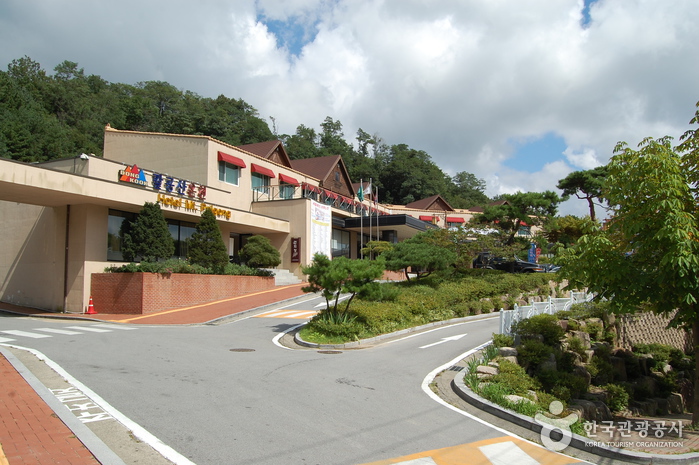
Mt. Palgong Hot Spring Tourist Hotel is nestled near Birobong Peak of Palgongsan Mountain. It features a hot spring bath with sodium chloride alkaline water (pH 8.0), sourced from 687 meters below the granite surface of a nearby valley. The spring water, at a temperature of 28.9 ℃, is renowned for its properties that soothe the skin, enhance blood circulation, and relieve fatigue. The facility includes hot and cold baths, jet benches for water massages, a sauna, and open-air baths. Additionally, the surrounding Palgongsan Mountain area boasts numerous tourist attractions, including Donghwasa Temple, a cable car, and various hiking trails.
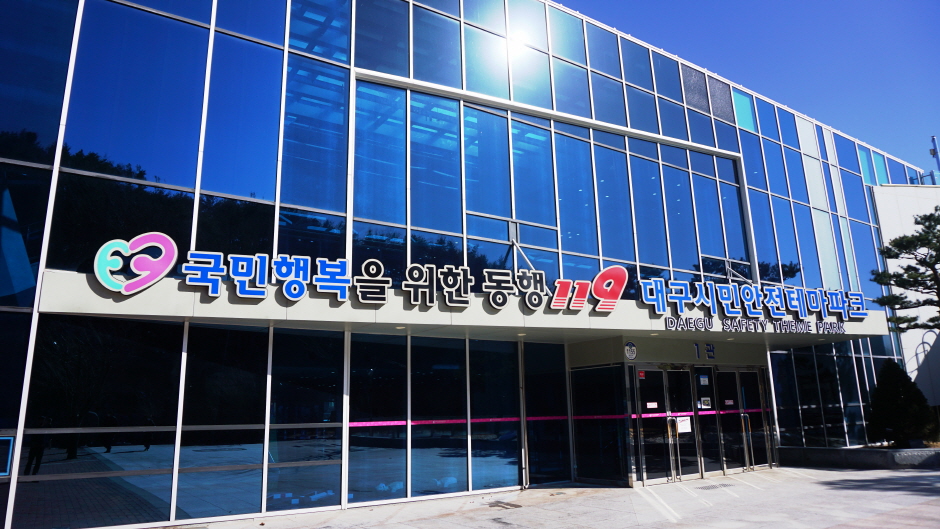
Daegu Safety Theme Park (대구시민안전테마파크)
4.2Km 2021-07-08
1155, Palgongsan-ro, Dong-gu, Daegu
+82-53-980-7770
Daegu Safety Theme Park was established to provide citizens with education on safety measures in an emergency situation. The theme park has experience stations set up to demonstrate accidents one can encounter in their everyday life and provides an opportunity to exercise simulated safety drills. Noteworthy exhibition halls that provide practical and useful safety information include the Subway Safety Exhibition, Mountain Safety Exhibition, and Earthquake Safety Exhibition. All of the facilities throughout the park, including the exhibition halls and the safety education theater, are designed to emphasize the importance of safety.
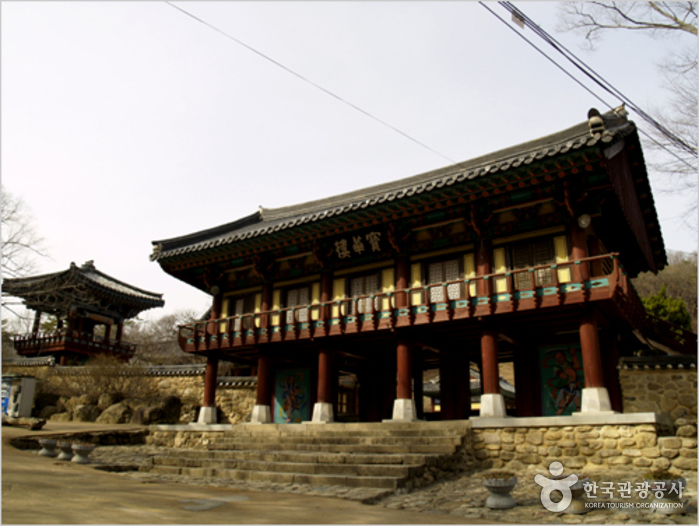
Yeongcheon Eunhaesa Temple (은해사 (영천))
4.5Km 2021-12-21
951, Cheongtong-ro, Yeongcheon-si, Gyeongsangbuk-do
+82-54-335-3318
Eunhaesa Temple, located on Palgongsan Mountain in Yeongcheon city, Gyeongsangbuk-do, is one of two major temples on the mountain along with Donghwasa Temple.
The temple was founded by Monk Hyecheol and was given the name Haeansa Temple in the first year of King Heondeok’s reign during the Silla Kingdom (AD 809), but was moved to the current site in the Joseon dynasty in 1546 (the first year of King Myeongjong). Upon its relocation, King Injong of Joseon dynasty was commemorated with a new lecture hall along with a memorial stone plaque where the king's umbilical cord was buried and sealed. It was then when the temple was also given its current name, Eunhaesa Temple.
The temple houses the main shrine, Bohwaru pavilion, Seolseondan Hall, Shimgeondang Hall, eight small hermitages, as well as Baegeungam Temple, Jungangam Temple, and a professional Buddhist education institution, the Eunhaesa Buddhist University. Eunhaesa Temple is home to a National Treasure, Geojoamyongsanjeon Hall, and Treasure, Baekheungamgeukrakjeon Hall. It also contains Treasure, the Sunidan Buddha Platform; Treasure, the Wunbuamcheongdongbosal Seated Buddha Statue; and Treasure, the Eunhaesa Temple Gwaebultaeng hanging Buddha picture. The area is also close to the Seongbu Museum, which exhibits cultural assets from Eunhaesa Temple and the neighboring areas, as well as popular tourist attractions such as Geukrakgul grotto of Jungangam temple (Hwaeomgul Grotto), Geondeul Rock, Manyeonsong Pine Tree, Ganggunsu Waters, and Anheungpokpo Falls of Gigiam Temple.
 English
 한국어
한국어 日本語
日本語 中文(简体)
 Deutsch
 Français
 Español
 Русский


