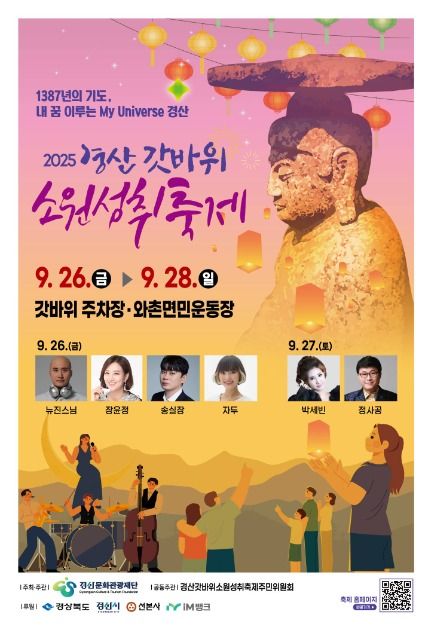
Gyeongsan Gatbawi Wish Fulfillment Festival (경산 갓바위소원성취축제)
5.0Km 2025-10-23
Wachon-myeon, Gyeongsan-si, Gyeongsangbuk-do
+82-53-819-0332
Gyeongsan Gatbawi Wish Fulfillment Festival is a healing and participatory festival that blends traditional culture with modern performances. Various events and hands-on activities are offered during the festival, including tea ceremony programs, temple stay, wish pagoda stacking, meditation, and yoga. Visitors can also explore various regional products such as fresh Wachon plums and enjoy opening performances.
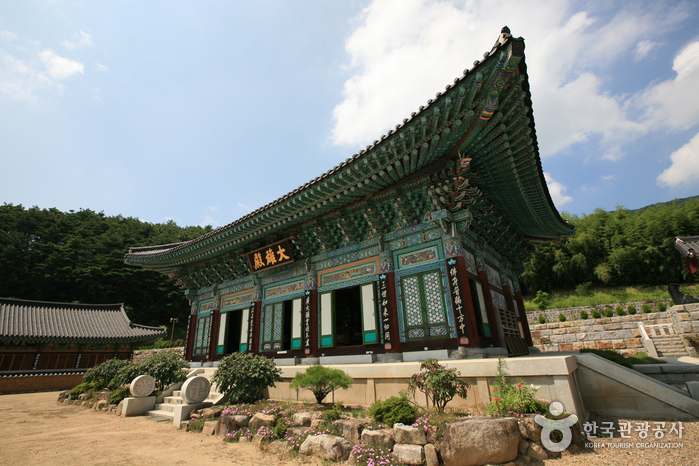
Buinsa Temple (Daegu) (부인사(대구))
5.9Km 2024-02-23
967-28 Palgongsan-ro, Dong-gu, Daegu
Buinsa Temple is a temple nestled on the southern slopes of Palgongsan Mountain, with a deep historical connection to Queen Seondeok of Silla (580–647). The temple is renowned for preserving the woodblocks of the First Tripitaka Koreana, a collection of Buddhist scriptures carved in the 11th century. The current Buinsa Temple encompasses significant structures, including Daeungjeon Hall, Queen Seondeok's Memorial Hall, and Samseonggak Shrine. Visitors have the opportunity to appreciate the scenic beauty of nature while exploring the cultural and architectural heritage from the Silla and Goryeo periods.

Gooam Farmstay Village (구암팜스테이마을)
6.5Km 2024-03-15
8-1 Guam-gil, Dong-gu, Daegu
+82-53-984-5273
Known as "Gooam" due to its rock formations resembling turtle's shell, Gooam Farmstay Village offers various activities such as harvesting agricultural produce, traditional food making, traditional games, and craft experiences. Depending on the season, there are experiences like picking strawberries, digging potatoes, picking cherry tomatoes, gathering chestnuts, and harvesting persimmons. Visitors can also participate in making bean curd, rice cakes, kimchi, catching loaches, making kite, and experiencing hanji crafts.
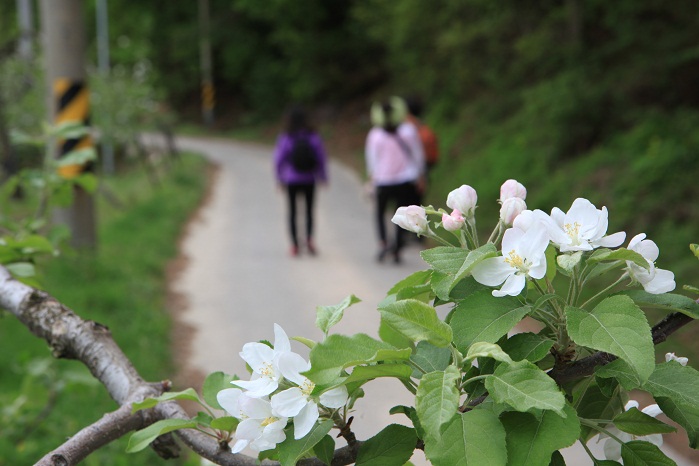
Pyeonggwang-dong Apple Village (평광동 사과마을)
7.4Km 2023-11-09
37 Dopyeong-ro 116-gil, Dong-gu, Daegu
Pyeonggwang-dong Apple Village is home to some 140 apple orchards. The village is located at the foot of Palgongsan Mountain, and has been growing apples for over 100 years, even creating a new apple, the Pyeonggwang honey apple. The village features many impressive trees, including the nation's oldest Hongok apple tree, a pine tree planted in honor of Korean Independence, and a large willow tree referred to as Filial Soon Gang Sunhang Tree. Many families visit in fall the enjoy apple picking.
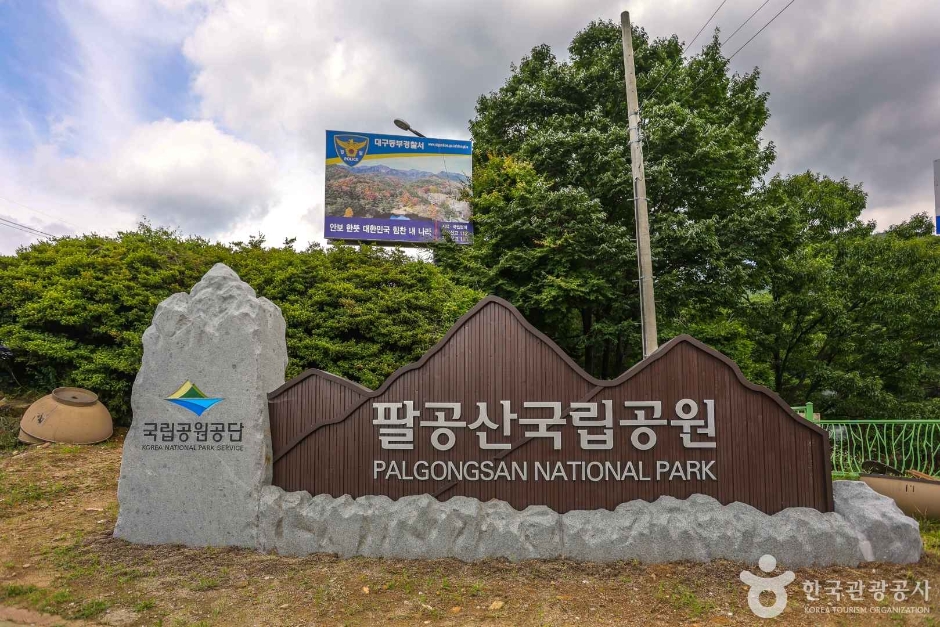
Palgongsan National Park (Pagyesa Temple District) (팔공산국립공원(파계사지구))
9.4Km 2025-04-08
741 Pagye-ro, Dong-gu, Daegu
+82-53-939-0080
Palgongsan National Park is located close to Palgongsan Mountain, one of the larger mountains in the Taebaek Mountain Range. Palgongsan Mountain is located 20 kilometers northeast from downtown Daegu, where Nakdonggang River and Geumhogang River meet. The mountain has three peaks in a row: Birobong Peak in the center and Dongbong Peak (aka Mitabong, 1,155 m) and Seobong Peak (aka Samseongbong, 1,150 m) on each side.
The park is within the administrative district of Dong-gu, Daegu and has four towns along its border including Yeongcheon-si, Gyeongsan-si, and Chilgok-gun. A number of Buddhist temples including Donghwasa Temple, the headquarters of the 9th Buddhist Parish, are located in the area.
The park has numerous rocks and valleys and is carpeted with azaleas in the spring. In autumn, many visitors flock to the park to admire the fall foliage on the trees lining the 16.3 kilometer-long roadway that runs through the park. With vibrant green leaves in spring and a delicate snowscape in the winter, Palgongsan Mountain is an attractive destination for visitors throughout the year.
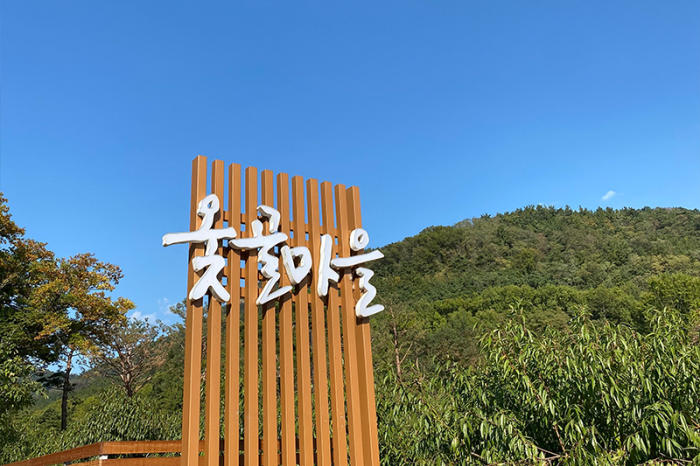
Myeongpum Otgol 1616 Cooperative Society (명품옻골 1616 협동조합)
10.0Km 2024-02-29
195-5 Otgol-ro, Dong-gu, Daegu
+82-53-983-1040
Myeongpum Otgol 1616 Cooperative Society is a village enterprise operating in the oldest Otgol Village in Daegu. Utilizing traditional hanok houses dating back 200 years, they offer hanokstay experiences, guided village tours, and various traditional Korean experiences such as Tea Confectionery Experience, Hanbok Experience, Village School Experience, Rice Cake Pounding Experience, Tuho (Arrow-throwing), Jegichagi, Biseokchigi. Visitors can also enjoy traditional beverages at the hanok café.

PyoChungJae Experience Center (표충재 전통체험관)
10.1Km 2024-08-01
17 , Sinsunggyeom-gil, Dong-gu, Daegu
+82-53-428-9980
Pyochungjae Hanok stands within the General Shin Sung-gyeom Historic Site in Dong-gu, Gyeongsangbuk-do, and is a quiet spot surrounded by beautiful scenery. Rooms incorporate a toilet and modern bathroom, with a shared kitchen and additional toilet outside. Traditional pastimes such as archery, Yutnori and Neolttwigi can be enjoyed in the hanok yard. Pyochungjae is just 10 minutes from Daegu International Airport and 30 minutes from the center of Daegu. Donghwasa Temple is 15 minutes and Palgongsan and Gatbawi Rock 20 minutes away. The hanok is not always open during winter, so prior booking is required.

Bumbine (붐비네)
10.2Km 2025-10-30
54 Pagye-ro 6-gil, Dong-gu, Daegu
Holy place for SHINee fans
It is a small Tteokbokki restaurant in front of an elementary school without a prominent sign, but it is a must-visit place for SHINee fans. It was because Key stopped by every day when he was in elementary school. It is fun to see the store filled with SHINee's albums and photos. Sweet Tteokbokki with a lot of cabbage is not irritating, so you can eat it without burden. If you mix this with Daegu's specialty Flat Mandu, it's the best combination. Listening to the pleasant story of the owner of this restaurant creates new memories.
![Aritaum - Daegu Catholic Univ. Branch [Tax Refund Shop] (아리따움 대가대)](http://tong.visitkorea.or.kr/cms/resource/56/2883756_image2_1.jpg)
Aritaum - Daegu Catholic Univ. Branch [Tax Refund Shop] (아리따움 대가대)
10.9Km 2024-04-18
1F, #103, 58, Hayang-ro, Hayang-eup, Gyeongsan-si, Gyeongsangbuk-do
-
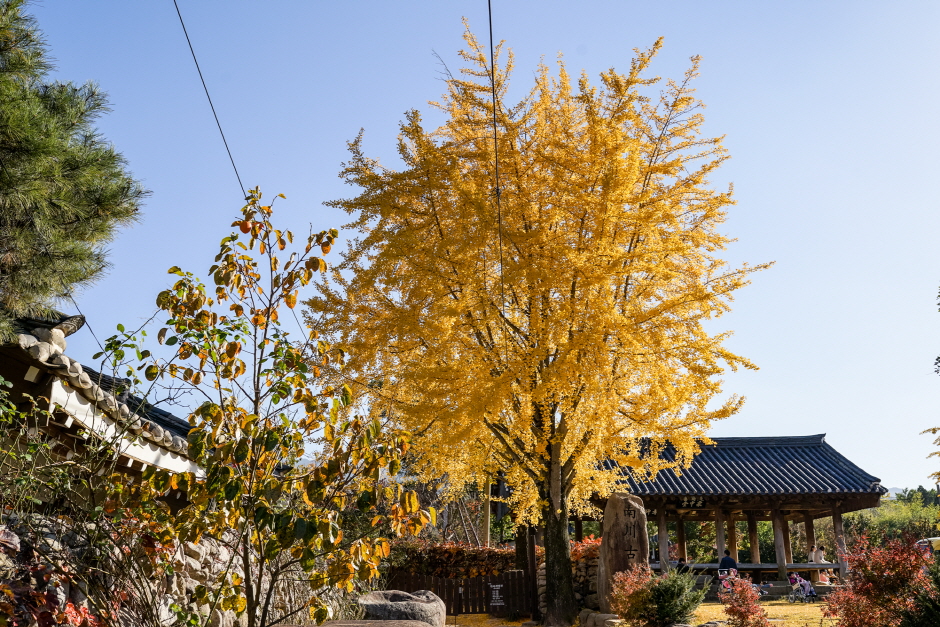
Hanbam Village (한밤마을)
11.0Km 2025-10-23
2137-3 Hanti-ro, Bugye-myeon, Gunwi-gun, Daegu
◎ Travel information to meet Hallyu’s charm - TV series"The Good Bad Mother"
Serving as the inspiration for Jowoori Village in the show “The Good Bad Mother,” this charming village under the Palgongsan Mountain retains the picturesque stone walls and sceneries of rural Korean villages. If you were a fan of the show, head to Hanbam Village and walk along the stone walls to re-live your favorite scenes.
 English
 한국어
한국어 日本語
日本語 中文(简体)
 Deutsch
 Français
 Español
 Русский


