
Daegu Art Museum (대구미술관)
10.4Km 2025-01-13
40, Misulgwan-ro, Suseong-gu, Daegu
+82-53-803-7900
Daegu Art Museum is a municipal museum supported by the Daegu Municipal Government. The museum holds exhibitions to promote Daegu's art advancement through the study of the art's historical value. The museum also has planned exhibitions introducing the social and artistic issues of the times and the leading trends in the art scene through domestic and overseas exchanges.
Diverse performances and events such as academic programs and lectures with famous professors are offered to children, teens and citizens of all ages. The Art Information Center on the third floor within the museum library is where visitors can read art-related books or rest at the lounge.
Grand opening: May 26, 2011
Daegu Stadium (대구스타디움)
11.0Km 2022-06-30
180, Universiad-ro, Suseong-gu, Daegu
+82-53-803-8300
Daegu Stadium is a sports stadium located in Daeheung-dong, Suseong-gu in Daegu. Construction of the stadium began on July 28, 1997 and was completed on May 20, 2001. Its roof is designed to resemble a globe, incorporating the beautiful curves found in the roofs of traditional Korean houses.
The stadium seats approximately 66,000 people and is suitable for hosting large-scale international sports games and 74% of the seats are protected by a Teflon-coated overhang. The 47,407 square meter stadium has three stories below ground and three above ground floors and is built on a 512,479 square meters of land just 9 kilometers southeast of the city’s downtown area.
Stadium facilities include a gymnasium, baseball field, indoor ice rink, horseback riding track, tennis court, fitness center, shooting range, archery range, skateboard park, and an indoor jogging course. There are smaller buildings for taekwondo, judo, and rock climbing.
Daegu Stadium has hosted a number of 2002 FIFA World Cup matches; Senegal vs. Denmark (June 6), Slovenia vs. South Africa (June 8), Korea vs. U.S.A. (June 10) and Korea vs. Republic of Turkiye (June 29).
Buinsa Temple (Daegu) (부인사(대구))
11.2Km 2024-02-23
967-28 Palgongsan-ro, Dong-gu, Daegu
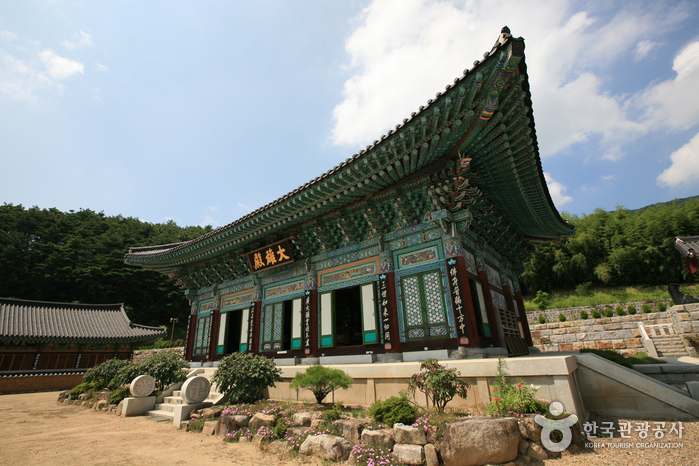
Buinsa Temple is a temple nestled on the southern slopes of Palgongsan Mountain, with a deep historical connection to Queen Seondeok of Silla (580–647). The temple is renowned for preserving the woodblocks of the First Tripitaka Koreana, a collection of Buddhist scriptures carved in the 11th century. The current Buinsa Temple encompasses significant structures, including Daeungjeon Hall, Queen Seondeok's Memorial Hall, and Samseonggak Shrine. Visitors have the opportunity to appreciate the scenic beauty of nature while exploring the cultural and architectural heritage from the Silla and Goryeo periods.
Palgongsan National Park (Pagyesa Temple District) (팔공산국립공원(파계사지구))
11.2Km 2025-04-08
741 Pagye-ro, Dong-gu, Daegu
+82-53-939-0080
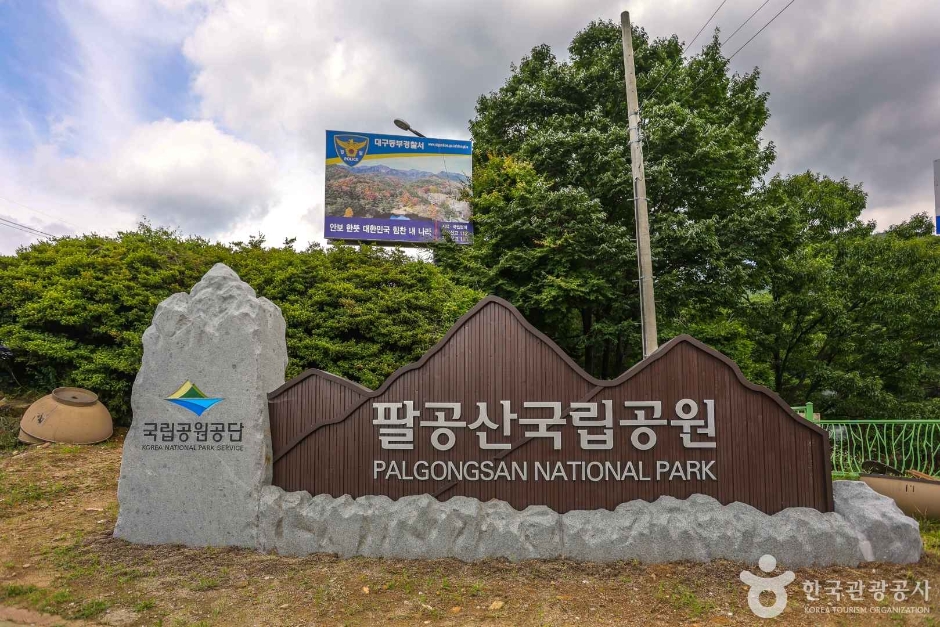
Palgongsan National Park is located close to Palgongsan Mountain, one of the larger mountains in the Taebaek Mountain Range. Palgongsan Mountain is located 20 kilometers northeast from downtown Daegu, where Nakdonggang River and Geumhogang River meet. The mountain has three peaks in a row: Birobong Peak in the center and Dongbong Peak (aka Mitabong, 1,155 m) and Seobong Peak (aka Samseongbong, 1,150 m) on each side.
The park is within the administrative district of Dong-gu, Daegu and has four towns along its border including Yeongcheon-si, Gyeongsan-si, and Chilgok-gun. A number of Buddhist temples including Donghwasa Temple, the headquarters of the 9th Buddhist Parish, are located in the area.
The park has numerous rocks and valleys and is carpeted with azaleas in the spring. In autumn, many visitors flock to the park to admire the fall foliage on the trees lining the 16.3 kilometer-long roadway that runs through the park. With vibrant green leaves in spring and a delicate snowscape in the winter, Palgongsan Mountain is an attractive destination for visitors throughout the year.
Daegu Safety Theme Park (대구시민안전테마파크)
11.5Km 2021-07-08
1155, Palgongsan-ro, Dong-gu, Daegu
+82-53-980-7770
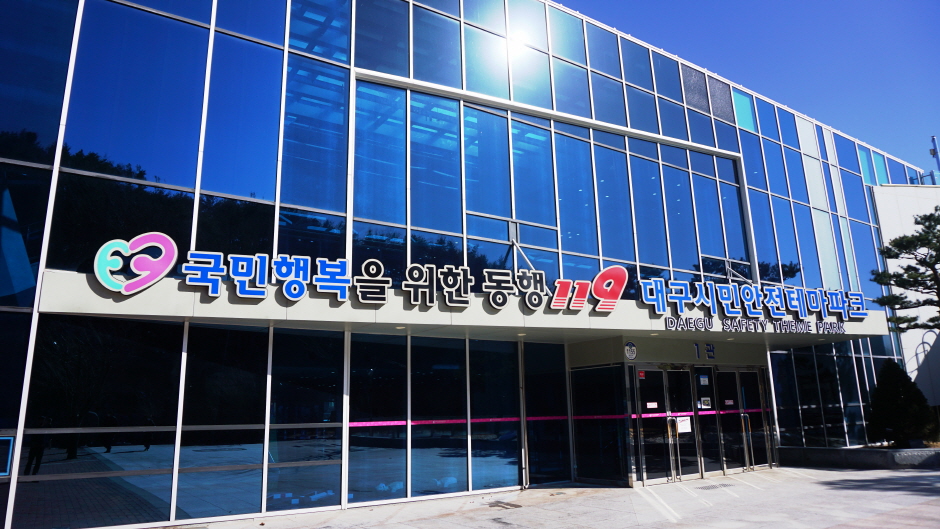
Daegu Safety Theme Park was established to provide citizens with education on safety measures in an emergency situation. The theme park has experience stations set up to demonstrate accidents one can encounter in their everyday life and provides an opportunity to exercise simulated safety drills. Noteworthy exhibition halls that provide practical and useful safety information include the Subway Safety Exhibition, Mountain Safety Exhibition, and Earthquake Safety Exhibition. All of the facilities throughout the park, including the exhibition halls and the safety education theater, are designed to emphasize the importance of safety.
Mt. Palgong Hot Spring Tourist Hotel (팔공산온천관광호텔(온천))
11.7Km 2024-02-28
11 Palgongsan-ro 185-gil, Dong-gu, Daegu
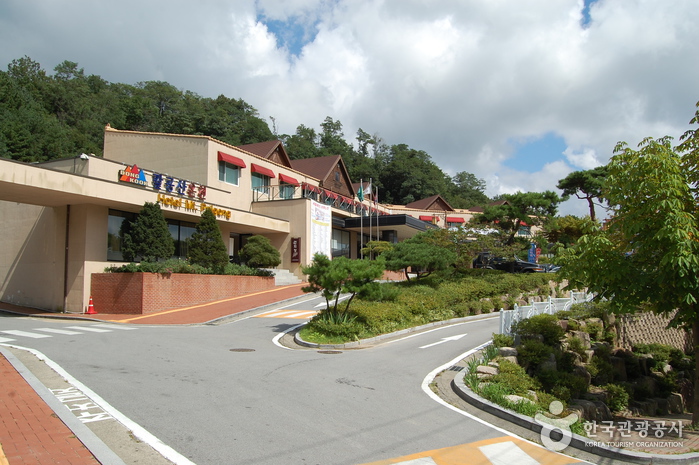
Mt. Palgong Hot Spring Tourist Hotel is nestled near Birobong Peak of Palgongsan Mountain. It features a hot spring bath with sodium chloride alkaline water (pH 8.0), sourced from 687 meters below the granite surface of a nearby valley. The spring water, at a temperature of 28.9 ℃, is renowned for its properties that soothe the skin, enhance blood circulation, and relieve fatigue. The facility includes hot and cold baths, jet benches for water massages, a sauna, and open-air baths. Additionally, the surrounding Palgongsan Mountain area boasts numerous tourist attractions, including Donghwasa Temple, a cable car, and various hiking trails.
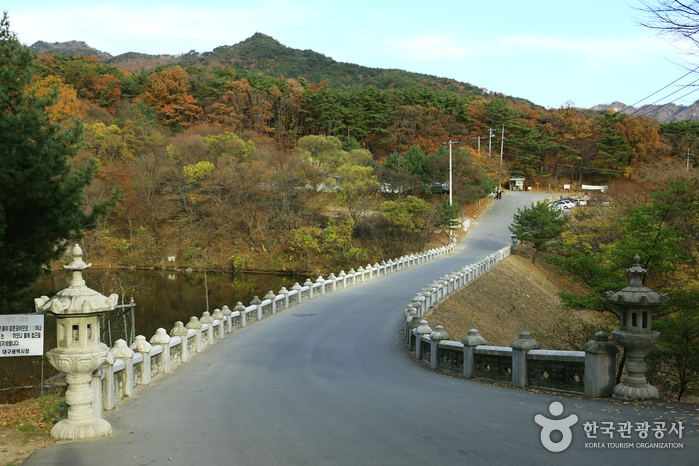
Palgongsan National Park (Donghwasa Temple District) (팔공산국립공원(동화사지구))
11.8Km 2025-08-11
1 Donghwasa 1-gil, Dong-gu, Daegu
Palgongsan National Park is located close to Palgongsan Mountain, one of the larger mountains in the Taebaek Mountain Range. Palgongsan Mountain is located 20 kilometers northeast from downtown Daegu, where the Nakdonggang and Geumhogang Rivers meet. The mountain has three peaks in a row: Birobong Peak (1192.3 meters) in the center and Dongbong (aka ‘Mitabong,’ 1,155 meters) and Seobong (aka ‘Samseongbong,’ 1,150 meters) on each side.
The park is within the administrative district of Dong-gu, with Daegu and four towns along its border, including Yeongcheon-si, Gyeongsan-si, and Chilgok-gun. A number of Buddhist temples including Donghwasa, the headquarters of the 9th Buddhist Parish, are located in the area.
The park has numerous rocks and valleys and is carpeted with azaleas in the spring. In the autumn many visitors flock to the park to admire the fall leaves on the trees lining the 16.3-kilometer-long roadway that runs through the park. With vibrant green leaves in spring and a delicate snowscape in the winter, Palgongsan Mountain is an attractive destination for visitors throughout the year.
Palgongsan Nature Park (Gatbawi District) (팔공산자연공원(갓바위지구))
11.8Km 2024-02-29
6-1 Palgongsan-ro 199-gil, Dong-gu, Daegu
+82-53-939-0080
Palgongsan Nature Park, located in the Taebaek Mountain Range, features three peaks: Birobong Peak (1,192m), Yeombulbong Peak (1,042m), and Seobong Peak (1,150m). This mountain area boasts stunning rock formations and valleys. At an elevation of 852 meters on Gwanbong Peak, the Gatbawi Rock is renowned for fulfilling wishes. Other attractions include Donghwasa Temple, the Palgongsan Cable Car, and the Donghwasa Tourist Complex.
Palgongsan Cable Car (팔공산 케이블카)
11.8Km 2025-08-12
51 Palgongsan-ro 185-gil, Dong-gu, Daegu
Palgongsan Cable Car takes visitors a ride on an ascending slope, offering both thrill and beautiful views. The cable car's landing platform is at the top of Sinnimbong Peak of Palgongsan Mountain. This peak is considered one of the most famous prayer spots, together with the ritual alter on Birobong Peak and the Buddha statue on the eastern Gatbawi Rock.
Daegu Donghwasa Temple (동화사(대구))
12.2Km 2025-08-11
1 Donghwasa 1-gil, Dong-gu, Daegu
Donghwasa Temple is located on the south side of Palgongsan Mountain, about 22 km northeast of Daegu. It was built by Monk Geukdal in the 15th year of King Soji’s reign (AD 493). The original name of the temple was Yugasa Temple, but Simjiwangsa rebuilt the temple under King Heungdeok (r. AD 826-836) and named it Donghwasa Temple, which means "the paulownia tree blooms even in winter," in reference to the blooming trees around the temple. Most of the present temple buildings were constructed between 1723 and 1732.
 English
 한국어
한국어 日本語
日本語 中文(简体)
 Deutsch
 Français
 Español
 Русский


