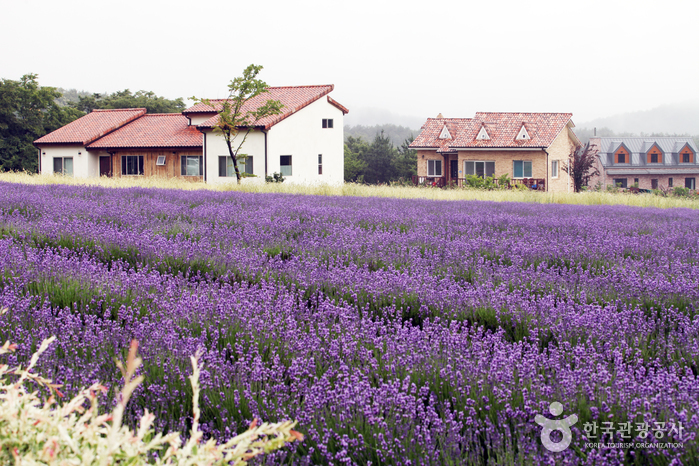
Hani Lavender Farm (하늬라벤더팜)
18.3Km 2024-02-28
175 Kkotdaemaeul-gil, Ganseong-eup, Goseong-gun, Gangwon-do
The Hani Lavender Farm transforms into a sea of purple every June, as its lavender fields reach full bloom. During this time, the farm celebrates with a Lavender Festival, featuring concerts and workshops on making lavender sachets. Beyond lavender, the farm showcases other floral attractions such as rye fields and hydrangea gardens. Visitors can capture memorable photos against the stunning natural scenery and indulge in unique treats like lavender ice cream.
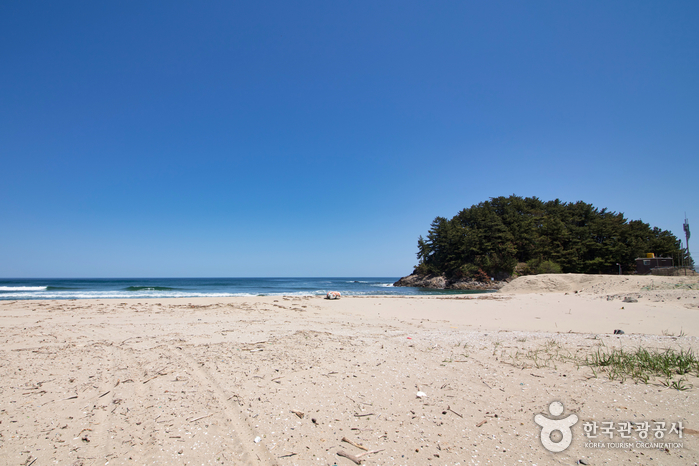
Songjeonhaebyeon Beach (송전해수욕장)
18.3Km 2024-02-05
21-7 Songjeon-ri, Sonyang-myeon, Yangyang-gun, Gangwon-do
This beach ranks among Korea's most favored surfing destinations. With its pristine white sand, it stretches 900 meters in length and 80 meters in x_width, and has a depth of 1 meter. It holds the distinction of being the second largest and longest white sand beach in Yangyang-gun, following Naksanhaebyeon Beach. Notably, the water here is so clean and clear that visitors can enjoy clamming.

Inje Hwangtae Village (인제 황태마을)
18.8Km 2024-03-15
307 Jinburyeong-ro, Buk-myeon, Inje-gun, Gangwon-do
Inje’s winter landscape is at its most picturesque at the Dried Pollack Deokjang, the area’s premier seasonal attraction, within Inje Hwangtae Village. Deokjang refers to the traditional racks used for air-drying fish. Here, pollack undergoes a natural freeze-drying process, alternating between the sharp cold and the mild winter sunlight, resulting in a chewy texture that is much loved. This process, coupled with the breathtaking view of the racks laden with fish against the snowy backdrop, is indeed one of winter’s unique offerings. As visitors explore the Deokjang, they can learn about the 33 meticulous steps that transform pollack from fresh catch to the dried delicacy that graces dining tables. Adjacent to the Deokjang, Maebawi is known for its "iron way," a rock climbing path ideal for beginners. However, in winter, it transforms into a challenging ice climbing site suited for experienced climbers.
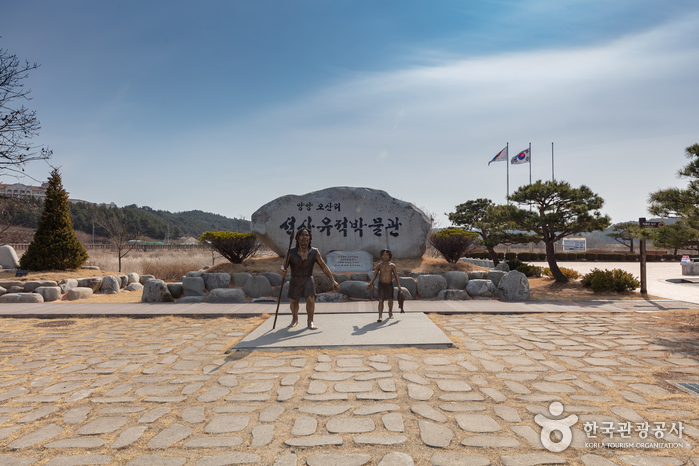
Osan-ri Prehistory Museum (오산리선사유적박물관)
19.1Km 2021-08-11
33, Hakpo-gil, Yangyang-gun, Gangwon-do
Osan-ri Prehistory Museum is dedicated to preserving, researching, and exhibiting artifacts found in the Archaeological Site in Osan-ri, Yangyang. These artifacts, dating back to the Neolithic period about 8,000 years ago, were found over the course of public works on the museum’s surrounding wetlands. The collection of nearly 40,000 artifacts, include earthenware with a raised design, stone arrowheads, and net weights, represent one of the premier archaeological findings of the Neolithic period in Korea. The artifacts themselves speak to the fishing, hunting, and gathering activities of the Neolithic residents of Osan-ri. The museum is divided into indoor and outdoor exhibitions, storage, and research areas. Exhibition Hall 1, located indoors, offers a diorama of the Neolithic lifestyle in Osan-ri, such as fishing, gathering, and earthenware production. Exhibition Hall 2 introduces the prehistoric culture of the Yeongdong region, encompassing the periods from the Neolithic to the Iron Age in Yangyang, Goseong, and Gangneung. Outdoor Exhibition includes Neolithic cottage models, exploration paths, and Ssangho Wetlands, whose nickname of “the dancing reed bed” comes from the mysterious sight of the reed bed rising over the wetlands like an island, dancing to the winds.
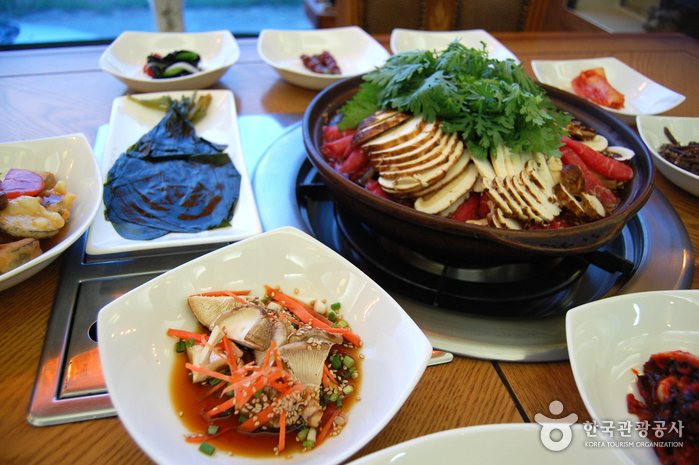
Songibeoseot Maeul (송이버섯마을)
19.7Km 2024-12-27
55-20 Namdaecheon-ro, Yangyang-eup, Yangyang-gun, Gangwon-do
This restaurant serves a variety of dishes made with pine mushrooms. You can, for instance, enjoy songibeoseot jeongol (pine mushroom hot pot) with Korean beef in a shabu-shabu style. After eating the mushrooms and the beef, you can add noodles to the soup, which goes quite well with the broth, now richly infused with the flavors of pine mushrooms and Korean beef.
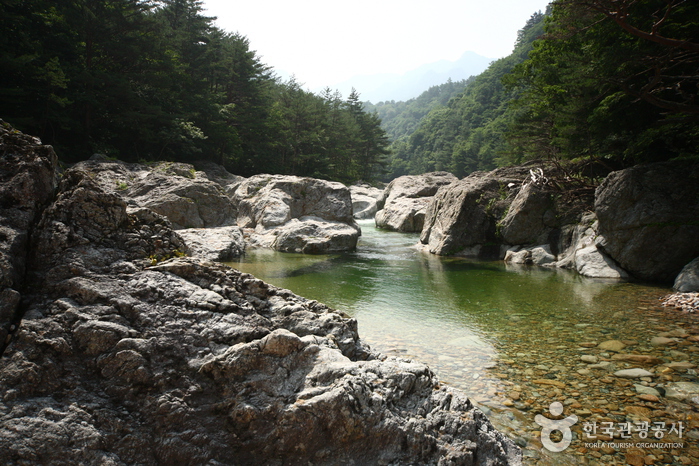
Baekdamgyegok Valley (백담계곡)
19.9Km 2021-06-25
150, Baekdam-ro, Inje-gun, Gangwon-do
Baekdamgyegok Valley stretches over an eight kilometer section from Baekdamsa Temple to Yongdae-ri in Inje-gun. The valley has a road, but it is closed to general traffic. The valley is located within Seoraksan National Park. The stream running through the valley is wide and deep. The name of the valley comes from the claim that there are one hundred ('baek' in Korea) pools ('dam') of water along the valley. Baekdamgyegok Valley features clean water and lush forests.
 English
 한국어
한국어 日本語
日本語 中文(简体)
 Deutsch
 Français
 Español
 Русский


