
Gajinhaebyeon Beach (가진해변)
4.2Km 2024-03-18
Gajin-ri, Jugwang-myeon, Goseong-gun, Gangwon-do
The waters at Gajinhaebyeon Beach display a wonderous mix of deep blue and emerald hues. Swimming is permitted up to 15 meters from the shore, so visitors should take care to stay within this designated area. Its proximity to Gajin Port means that visitors can enjoy fresh hwareo hoe (sliced raw fish), and avid fishers have the chance to fish from the breakwater. Addtionally, the Goseong Unification Observatory is just a 20-minute drive to the north.
Unification Security Park (통일안보공원)
4.4Km 2025-01-13
481 Geumgangsan-ro, Hyeonnae-myeon, Goseong-gun, Gangwon-do
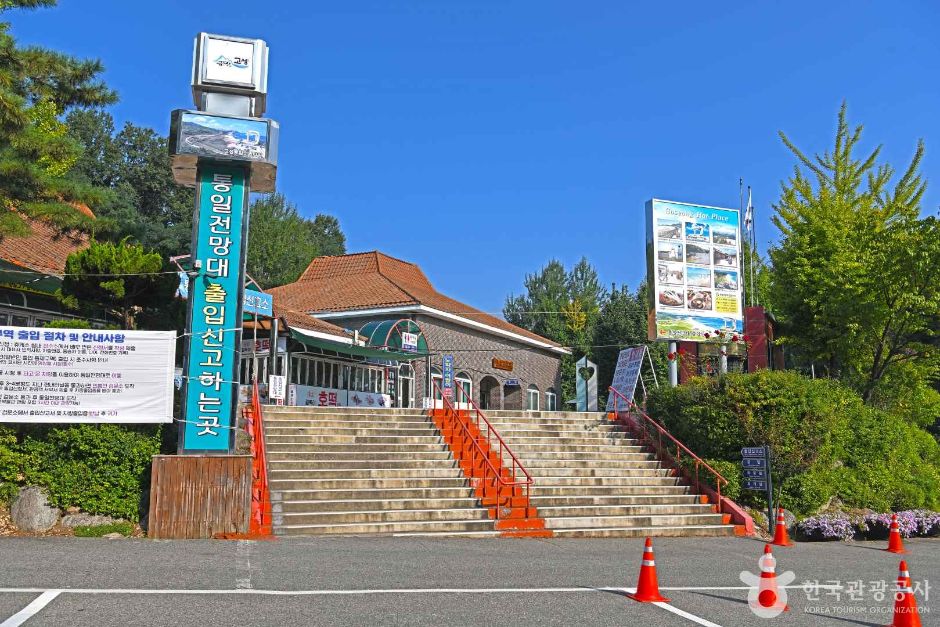
Unification Security Park serves as the entry point to the Unification Observatory. Before entering the observatory, visitors can watch a video at the Education Security Hall, which has a seating capacity of 700 people. In front of the Education Security Hall, stands the Peace Bell, a symbol of hope for peaceful reunification. Additionally there is a monument commemorating the army unit members who sacrificed their lives to stop the invasion of North Korean guerillas just before the Korean War.
◎ Due to its location within the Civilian Control Line area, visitors must complete the required procedures before entering.
The Korean War Exhibition Hall (6.25 전쟁체험전시관)
4.4Km 2021-04-17
481, Geumgangsan-ro, Goseong-gun, Gangwon-do
+82-33-682-0088
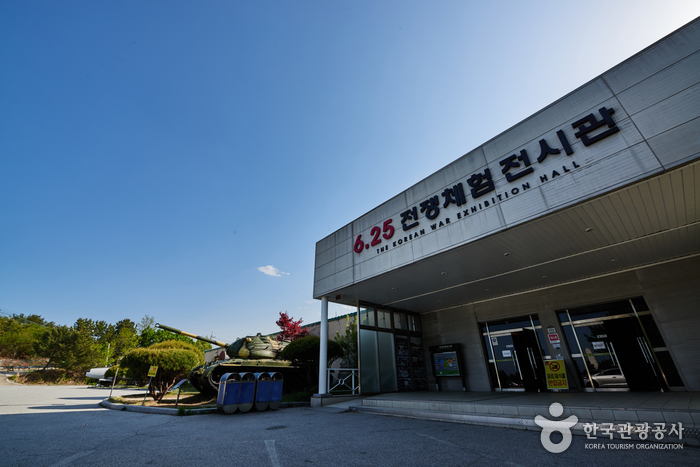
The Korean War Experience Hall, located next to the Unification Observatory, offers lessons learned through the tragedy of civil war and provides hopes for a peaceful reunification and harmony in the homeland. Visitors can get a deeper understanding of the Korean War and the hardships it led to through videos, materials, and relics on display in this hall.
Goseong Unification Observatory (고성 통일전망타워)
4.4Km 2025-03-26
481 Geumgangsan-ro, Hyeonnae-myeon, Goseong-gun, Gangwon-do
+82-33-682-0088
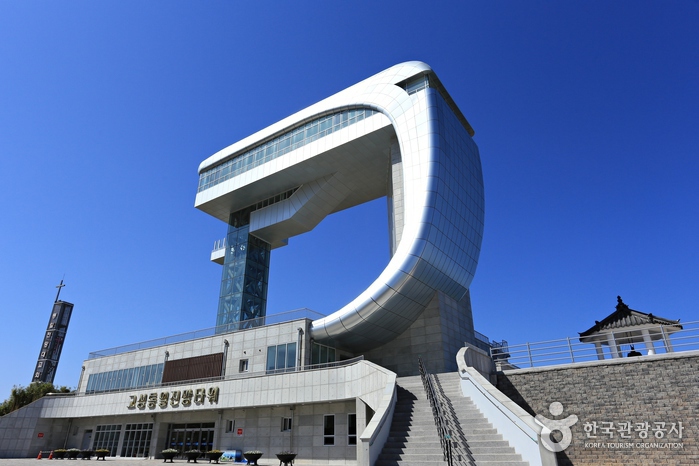
The Goseong Unification Observatory stands as the northernmost observatory in South Korea. It provides panoramic views of the DMZ, the East Sea, and North Korea's Geumgangsan Mountain. Established as a symbol of hope for the reunification of the Korean Peninsula, it features an exhibition hall dedicated to educating visitors about the Korean War (1950-1953). Due to its location near the DMZ, visitors must bring an ID, such as a passport or foreigner resident card, for entry.
DMZ Peace Trail (Goseong A/B Course) (DMZ 평화의 길(고성 A/B코스))
4.4Km 2024-03-18
481 Geumgangsan-ro, Hyeonnae-myeon, Goseong-gun, Gangwon-do
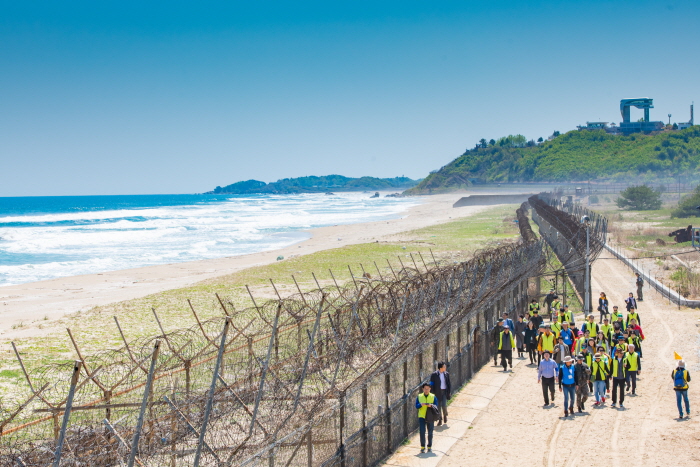
The DMZ Peace Trail is a trekking path created with the hope of fostering peace in the Korean DMZ (Demilitarized Zone). This trail offers views of the renowned Geumgangsan Mountain and the Haegeumgang Islets. To access the trail, visitors must first register their visit at the Goseong Visitor Registration Center, confirm their identity, and then acquire a visitor pass at the Jejin Checkpoint. After these steps, visitors can proceed to the Unification Observatory, which is the starting point of the trail.
[Course A] Unification Observatory → Geumgang Access Gate → Geumgangsan Observatory → Unification Observatory (2.7km on foot + 5.2km by car)
[Course B] Unification Observatory → Anho Checkpoint → Geumgangsan Observatory → Unification Observatory (7.2km by car)
Goseong DMZ Museum (고성 DMZ 박물관)
11.9Km 2022-12-28
369, Tongiljeonmangdae-ro, Goseong-gun, Gangwon-do
+82-33-681-0625
The DMZ Museum was founded in honor of people's hope for unification of South Korea and North Korea. It is located at the northernmost area along the east coast near the civilization control line.The museum features exhibition halls arranged in a number of different themes that highlight the historical significance and the meaning of the DMZ, from the aftermath of war to its pristine ecosystem.
Stay Gajin (스테이가진)
14.0Km 2024-12-13
168 , Gajinhaebyeon-gil, Goseong-gun, Gangwon-do
+82-33-631-5455
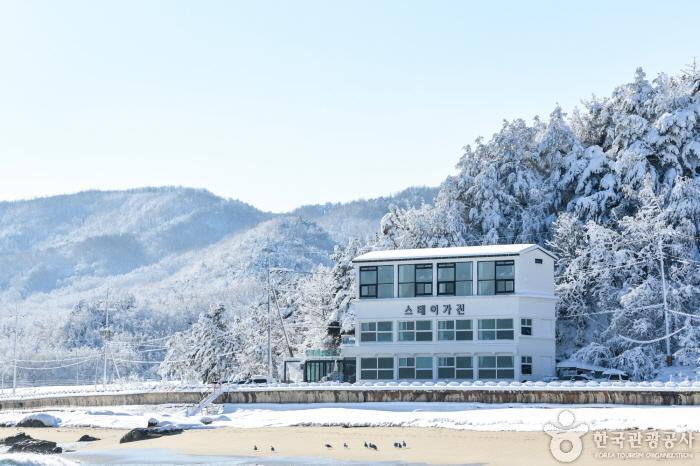
On Gajin Beach Road in Goseong-gun, Gangwon-do, Stay Gajin is a pension where all rooms overlook the East Sea. At night, you can listen to the sound of the waves, and in the morning, you can see the magnificent sunrise over the East Sea. The first floor has one room that can accommodate up to four guests, the second floor has four rooms that can accommodate two guests, and the third floor has the most popular two-story rooms. Every room is equipped with a kitchen where guests may cook and a bathtub where they may enjoy a lower-body bath. Across the street is a small beach that can be used privately.
Hani Lavender Farm (하늬라벤더팜)
14.6Km 2024-02-28
175 Kkotdaemaeul-gil, Ganseong-eup, Goseong-gun, Gangwon-do
+82-33-681-0005
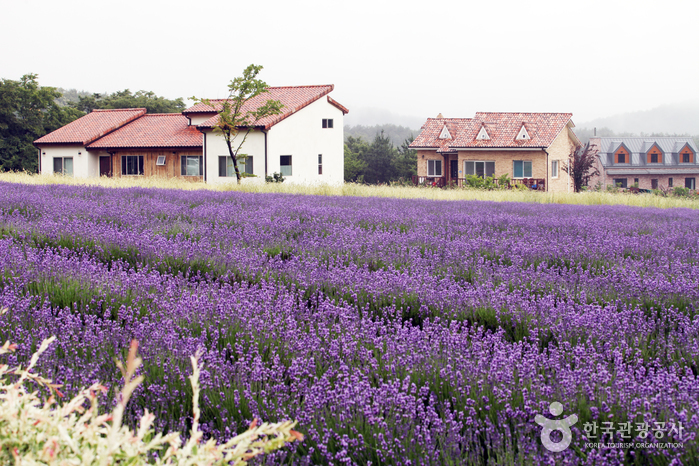
The Hani Lavender Farm transforms into a sea of purple every June, as its lavender fields reach full bloom. During this time, the farm celebrates with a Lavender Festival, featuring concerts and workshops on making lavender sachets. Beyond lavender, the farm showcases other floral attractions such as rye fields and hydrangea gardens. Visitors can capture memorable photos against the stunning natural scenery and indulge in unique treats like lavender ice cream.
Gonghyeonjin1-rihaebyeon Beach (공현진1리해변)
15.6Km 2025-10-23
Gonghyeonjin1-ri, Jugwang-myeon, Goseong-gun, Gangwon-do
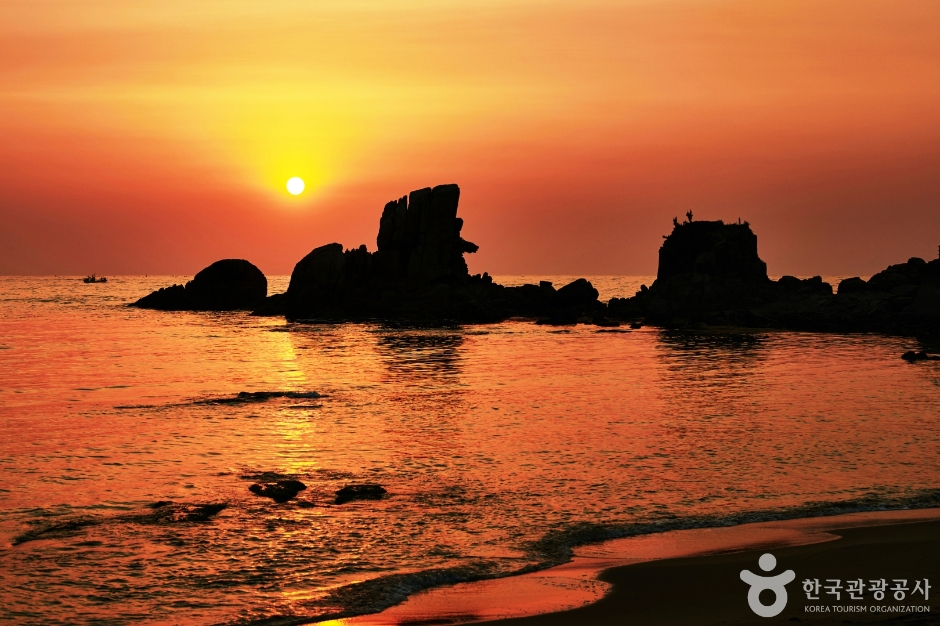
Gonghyeonjin1-rihaebyeon Beach is located by a small fishing village along National Road 7. The wide sandy beach is clean and the slope is shallow, making it a great place to play in the water. The nearby Gonhyeonjin Port is lined with restaurants selling fresh seafood. The quiet, fishing village vibe makes this a popular summer vacation destination for families.
Goseong Wanggok Village (고성왕곡마을)
16.3Km 2024-12-10
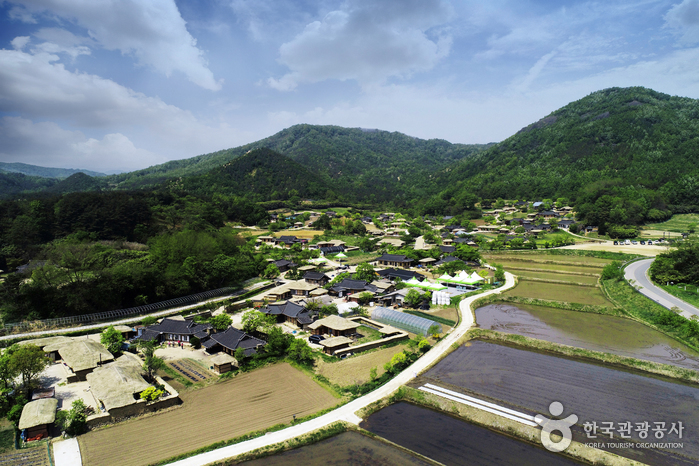
Goseong Wanggok Village is a traditional village located about 1.5 kilometers away from the East Sea. Its secluded location nestled among five hills has allowed the village to retain its appearance and tradition for a long time. Because of its geographic features, the village was also protected from disasters like wars and mountain wildfires, allowing the area to preserve its form. Wanggok Village’s origins are said to date back to the 14th century, when it was first settled as a clan village and survived for over nearly 600 years. The entire village has preserved its original appearance and is recognized for its historical and academic value. Here, visitors can observe traditional northern-style houses, clusters of thatched houses, and a gateless yard. Some traditional hanok buildings offer accommodations as well, accepting visitors to stay overnight through online reservations.
 English
 한국어
한국어 日本語
日本語 中文(简体)
 Deutsch
 Français
 Español
 Русский


