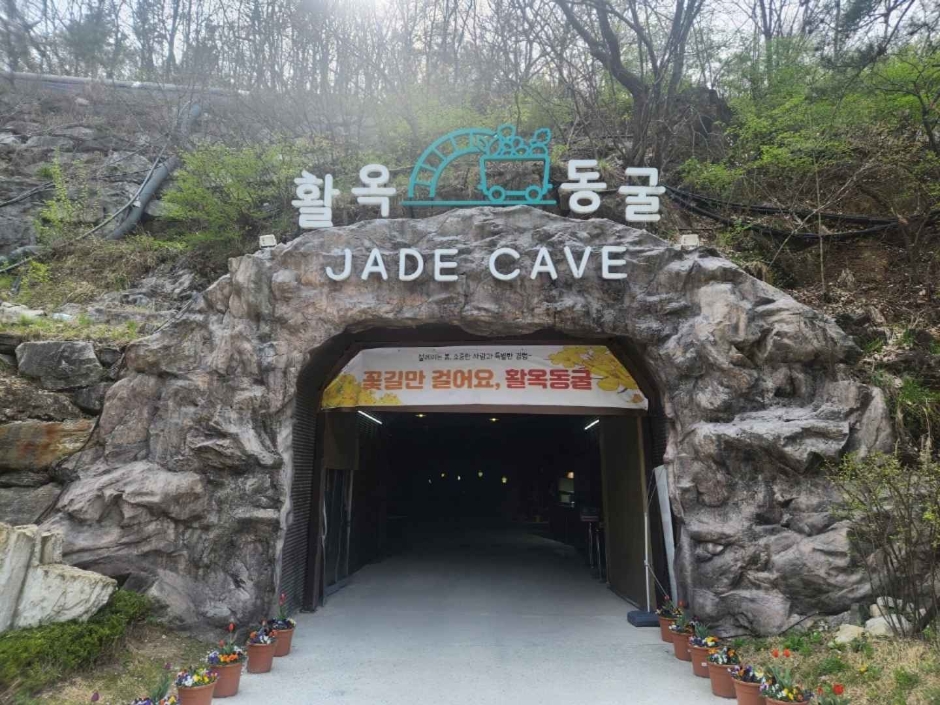
Chungju Hwalok Cave (충주 활옥동굴)
.0M 2025-03-16
26 Mokbeoran-gil, Chungju-si, Chungcheongbuk-do
Developed in 1922 during the Japanese Forced Occupation, this is the only talc mine in Korea and is the largest in the East, with a recorded length of 57km, an unofficial length of 87km, and an underground vertical x_height of 711m. A 2.5km-long stretch of the cave has been developed into a tourist site, filled with light sculptures, performance venues, and health therapy zones. LED, neon, and a variety of natural lights create a mysterious atmosphere, and since the temperature stays between 11 and 15 degrees year-round, it's even more popular in summer. There is also a kayaking experience that allows visitors to see inside the cave by kayaking in a lake created by mineral water.
Note that the temperature inside the cave averages between 11 and 15 degrees Celsius, which is warm in the winter but cold in the summer, so you'll want to bring a long-sleeved jacket.
Gyemyeongsan Recreational Forest (계명산자연휴양림)
3.7Km 2022-09-07
1170, Chungjuhosu-ro, Chungju-si, Chungcheongbuk-do
+82-43-870-7930
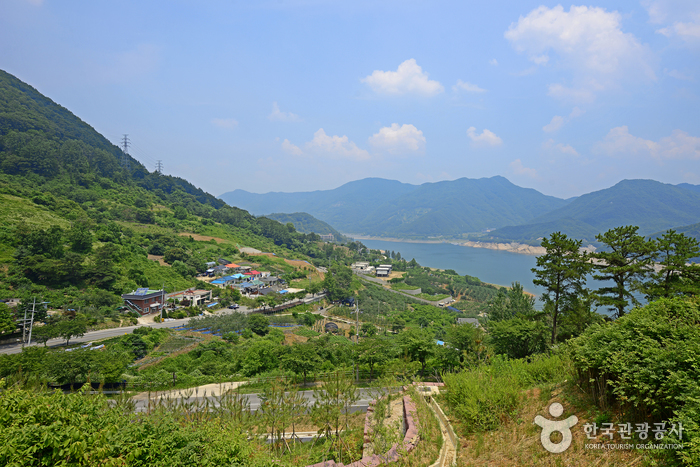
Gyemyeongsan Recreational Forest is located on Gyemyeongsan Mountain, part of the Sobaeksan Mountain Range, and has outstanding views of Chungjugho Lake. Although the park is small in size, the recreational forest provides a peaceful and relaxing getaway with lush pine tree forest along with diverse animals and plants. The trees are great for forest bathing, and are beautiful in autumn when the leaves turn crimson. <BR>
Nearby attractions include Suanbo Hot Springs, Songnisan Mountain, Eight Sights of Danyang, and Chungjuho Lake. The park also has log cabins, providing a unique type of accommodation.

Chungjuho Lake (충주호)
4.9Km 2024-03-08
Jodong-ri, Dongnyang-myeon, Chungju-si, Chungcheongbuk-do
+82-43-850-5114
Chungjuho Lake is the nation’s largest lake, and was formed after the construction of Chungju Dam. When constructing the dam, an area of approximately 66.48 ㎢ was submerged throughout three regions in Chungju, Danyang and Jecheon. Even though nearly 50,000 people lost their hometown, the lake became a famous regional tourist spot, along with Woraksan National Park, Songgye Valley, Cheongpung Culture Center, Eight Sceneries of Danyang, Gosu Cave, Guinsa Temple, Suanbo Hot Springs, Nodong Cave and other spots.
Tourists can enjoy the scenic area on five ferry docks from Chungjunaru, main ferry dock of Chungju Dam, Cheongpungnaru, Janghoenaru where Gudambong Peak and Oksunbong Peak are located, Danyangnaru in Danyang-eup, and Woraknaru located near the beautiful scenery of Woraksan Mountain. From Chungju Dam to Janghoenaru, it takes approximately 1 hour 30 minutes, making it a long-distance course and offers special sightseeing on board. This course also holds great views of Chungjuho Lake and Yeongbong Peak of Woraksan Mountain, the surrounding scenery of Woraknaru, and two scenic spots of Danyang which are Gudanbong and Oksunbong Peak featuring uniquely-shaped rocks and peaks. This course is the most attractive among Chungjuho ferry excursion routes.
Cheongpungjip (청풍집)
7.1Km 2024-10-15
90, Muhakcheonbyeon-gil, Chungju-si, Chungcheongbuk-do
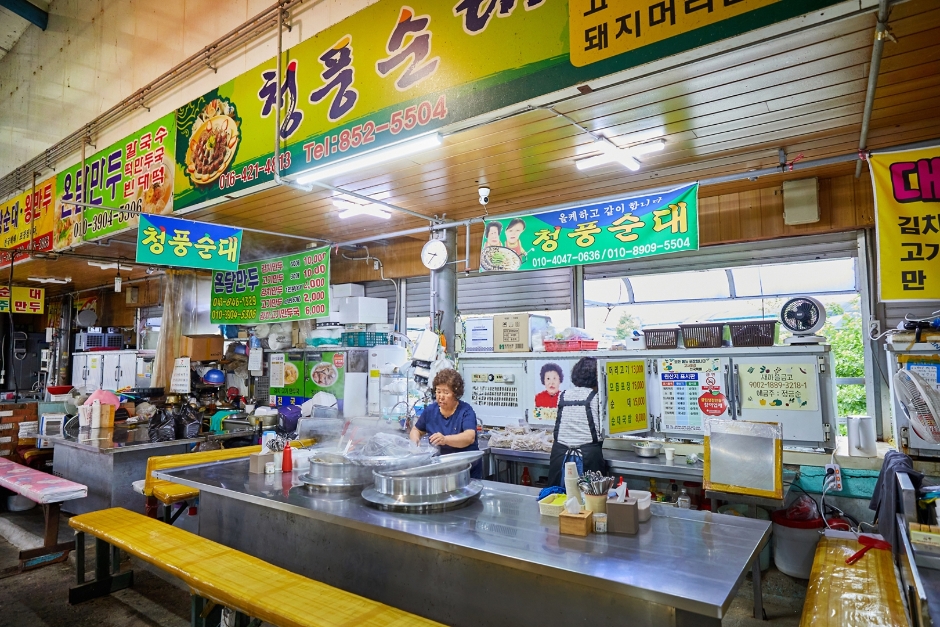
Sundae is a beloved traditional dish enjoyed as a snack in Korea. It is made by filling pork or beef intestines with mung bean sprouts, dried napa cabbage, glass noodles, and other ingredients, which are then flavored with soybean paste. Different regions and different shops have their own takes on the dish, along with different choices of sauce. Cheongpungjip, located in Muhak Market, Chungju, is famous for its Chungju-style sundae soup, served with dried radish or napa cabbage leaves. Its taste is so well-known that visitors from other cities come to this place just to get the soup as a takeout. The management is also known for their hearty approach to business, with extra sundae, intestines, or side dishes being a common addition to the flavors of Chungju’s tradition. You can find the store within the Sundae and Mandu Alley.
Hotel Film 37.2 (호텔 필림37.2)
7.5Km 2024-12-23
17 , Yeonwon-ro, Chungju-si, Chungcheongbuk-do
+82-43-842-0515
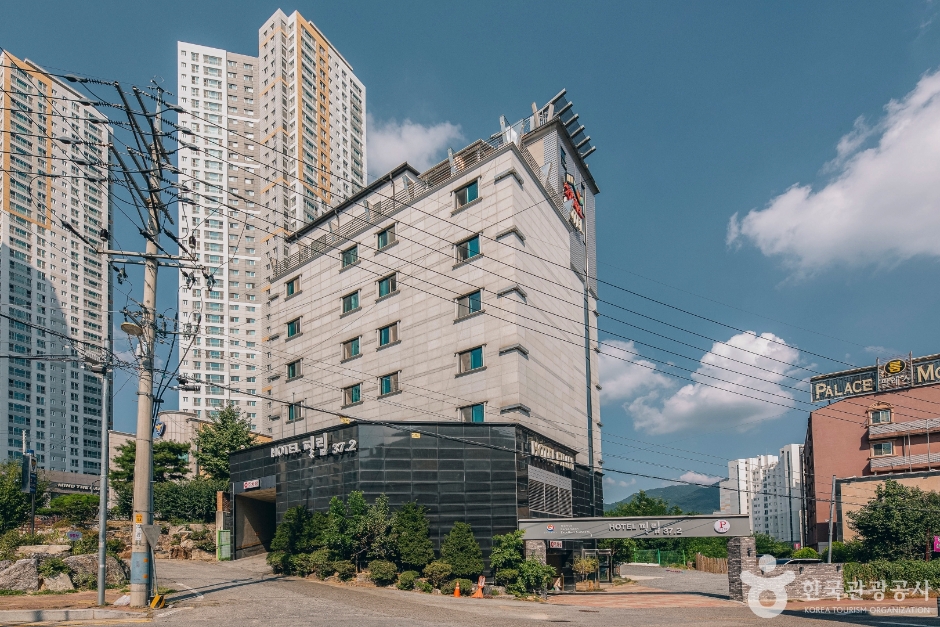
Hotel Film 37.2, located in Chungju, Chungcheongbuk-do, is conveniently located near Chungju City Hall. Rooms are mediculously decorated in three different styles - Korean, European, and Japanese - depending on which floor they are on. Especially, the Korean-style room has a door in the shape of a traditional Korean gate, and the paper ornaments and muntin-style windows give it a warm, old-fashioned feel.
Songgyegyegok Valley (송계계곡)
9.7Km 2022-07-25
Mireuksonggye-ro, Jecheon-si, Chungcheongbuk-do
+82-43-653-3250
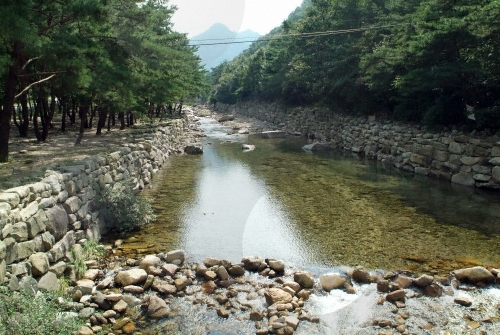
Songgyegyegok Valley lies at the foot of Woraksan Mountain in Jecheon, Chungcheongbuk-do. Crystal-clear water flows between the rocks that are scattered throughout the valley. The valley is a perfect summer getaway as the forest and cool water provide much needed shelter from the heat. In fall, visitors can enjoy fall foliage. There are various attractions in the mountain for visitors to explore.

Woraksan National Park (월악산국립공원)
10.5Km 2023-03-24
1647, Mireuksonggye-ro, Jecheon-si, Chungcheongbuk-do
+82-43-653-3250
Woraksan National Park is located along the Baekdudaegan Mountain Range between Sobaeksan and Songnisan Mountains. The rugged mountain is softened by the waterfalls and small pools found within the valleys. The area was designated as a national park on December 31, 1984. The mountain is surrounded by Chungjuho Lake to the north, the Eight Scenic Views of Danyang and Sobaeksan Mountain to the east, and Mungyeongsaejae Pass and Songnisan Mountain to the south. The main peak of Woraksan National Park is Yeongbong Peak, reaching an altitude of 1,097 meters above sea level. The path there is steep, with sections of rock stretching 150 meters in x_height. There is also a 4-kilometer-long path circling the base rock.
Cheongpungho Scenic Monorail (청풍호 관광모노레일)
12.2Km 2024-03-13
879-17 Cheongpungmyeongwol-ro, Cheongpung-myeon, Jecheon-si, Chungcheongbuk-do
+82-43-653-5120
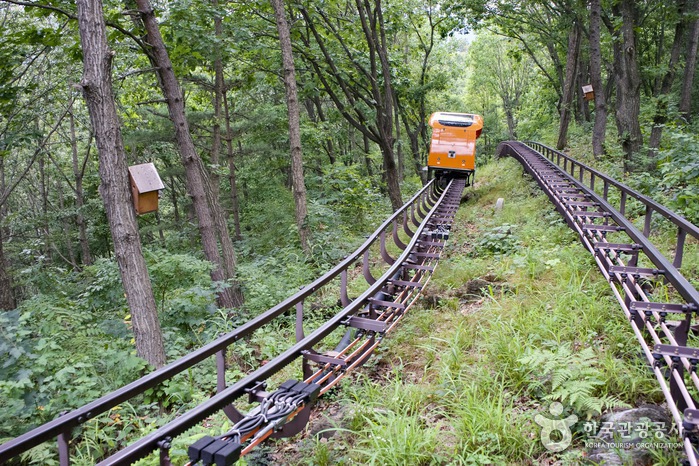
The Cheongpungho Scenic Monorail offers a unique journey along a three-kilometer track from Dogok-ri in Cheongpung-myeon, Jecheon, to Bibongsan Mountain, situated at 531 meters above sea level. Typically, reaching the summit of Bibongsan Mountain on foot from Dogok-ri takes about an hour. However, the monorail service significantly reduces this time by half. Additionally, passengers can enjoy panoramic views of Cheongpungho Lake from various perspectives during their ride.
Sangnok Hotel (수안보상록호텔)
12.8Km 2025-01-07
22, Jujeongsan-ro, Suanbo-myeon, Chungju-si, Chungcheongbuk-do
+82-43-845-3500
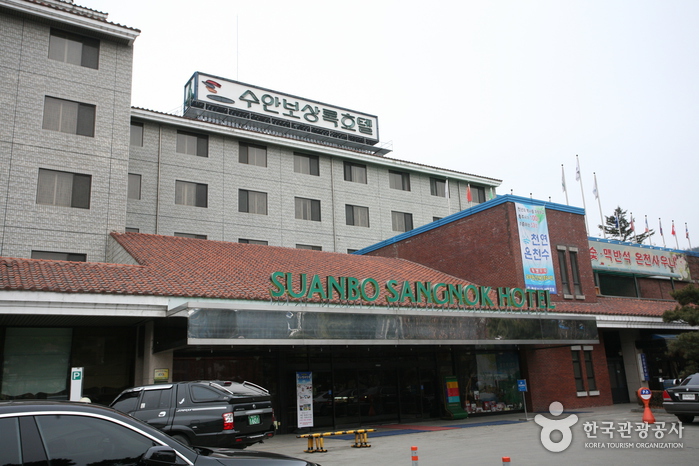
The Sangnok
Hotel is a first class (four-star) hotel located in Suanbo, an area known for
its hotsprings and natural landscape. The hotel has 101 guestrooms, a seminar room, lecture hall, conference room, banquet hall, and
grand halls for big gatherings.
The hotsprings of Suanbo boast an impressive
1000-year history and the water is known to be benefial for relieving fatigue
and treating certain diseases.
Jecheon Deokjusa Temple (덕주사(제천))
13.8Km 2021-12-03
87, Mireuksonggye-ro 2-gil, Jecheon-si, Chungcheongbuk-do
+82-43-653-1773
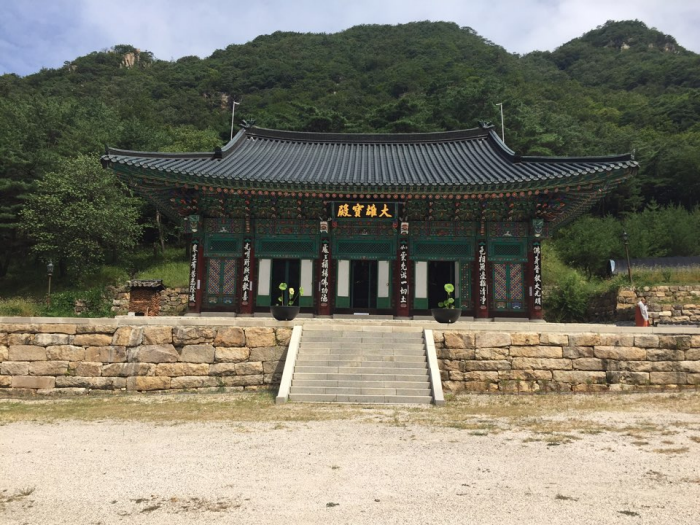
Deokjusa Temple is a branch temple of Beopjusa Temple, the head temple of the 5th district of the Jogye Order. The temple is believed to have been established in 597 AD by Princess Deokju, the last princess of the Silla Kingdom. According to legend, Princess Deokju stayed at the site with Prince Ma-ui and built the temple, naming it after herself, along with the cave nearby. However, there are no records to confirm or refute these claims.
The temple once stood in front of the Rock-carved Standing Buddha of Deokjusa Temple (a Treasure), but was burned down during the Korean War. The present temple building stands about 1.7 kilometers from the original temple site and is the result of reconstruction efforts conducted in the 1970s.
 English
 한국어
한국어 日本語
日本語 中文(简体)
 Deutsch
 Français
 Español
 Русский


