Mungyeongsaejae Provincial Park (문경새재도립공원)
16.0Km 2023-02-13
932, Saejae-ro, Mungyeong-si, Gyeongsangbuk-do
+82-54-571-0709
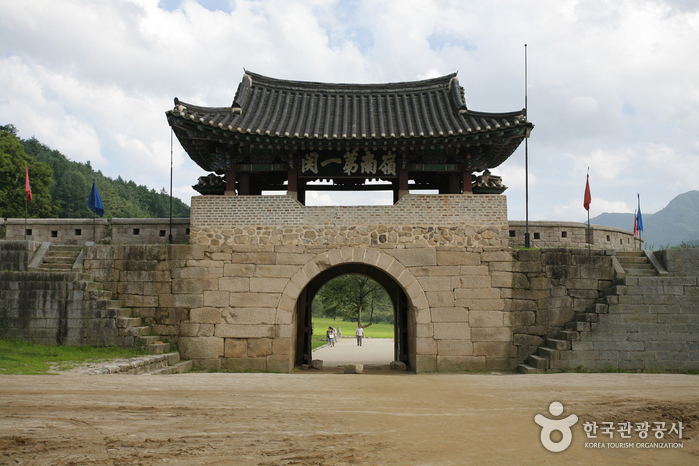
Mungyeongsaejae Pass, which crosses Joryeongsan Mountain, has always been the highest and most dangerous mountain pass in Korea, being reputed to be too tall for even birds to fly over. The three gates of Juheulgwan, Jogokgwan, and Joryeonggwan were built for national defense after the Imjin War (1592-1598). These three gates are designated collectively as Historic Site No. 147. The area between the three gates was designated a provincial park in 1981. The path from the first gate to the last passes through beautiful forests and takes roughly four hours round-trip. Also located within the park boundaries is Mungyeongsaejae Open Set, used for filming historical dramas.
Mungyeong Chasabal Festival (문경찻사발축제)
16.0Km 2025-07-11
932 Saejae-ro, Mungyeong-si, Gyeongsangbuk-do
+82-54-571-7677
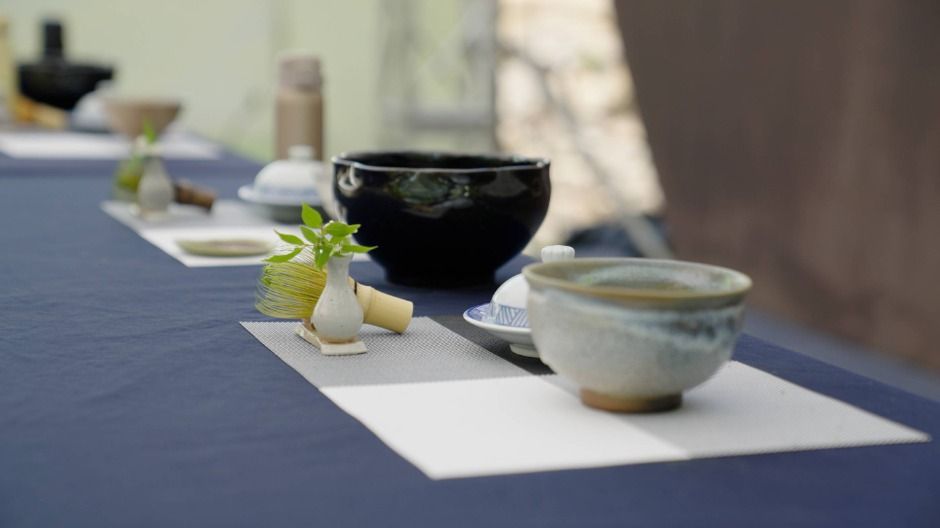
Home to many ceramic masters and artisans, Mungyeong holds the Mungyeong Chasabal (Tea Bowl) Festival every year to honor and develop traditional Korean pottery and ancestral craftsmanship. The festival holds an exhibit with more than 200 kinds of high-quality and high-end ceramics and an online auction of luxury tea bowls. There is also a performance, “A Day of a Mungyeong Potter,” in which craftsmen tell stories and provide explanations behind their tea bowls to add fun and content to the festival. Visitors can mold their own clay and make tea bowls, and children can partake in various programs, such as playing with clay and performing a tea ceremony.
◎ Chasabal
Chasabal, also known as dawan, is a bowl used for drinking tea. Mungyeong’s traditional tea bowl is made in a firewood kiln called “Mangdaengi,” which uses wood rather than modern gas or electric kilns to make a fire.
Mungyeongsaejae Open Set (문경새재 오픈세트장)
16.0Km 2025-10-24
932 Saejae-ro, Mungyeong-si, Gyeongsangbuk-do
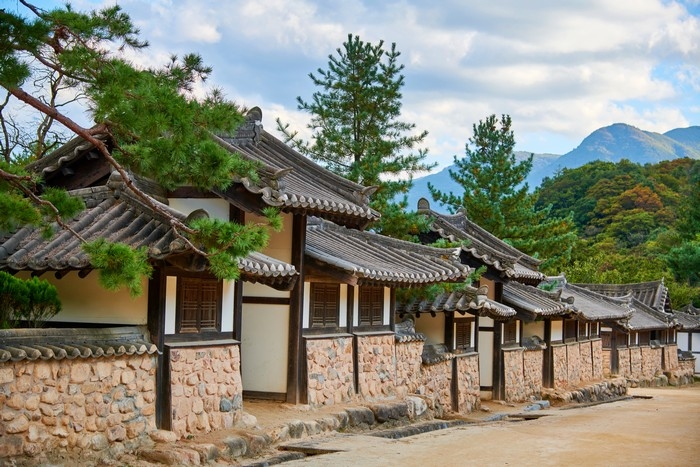
This open set is a filming location for popular historical dramas such as "Kingdom (2019)," "The Red Sleeve (2021)," and "The Moon Embracing the Sun (2012)," and is connected to Mungyeong Provincial Park. One of the most famous spots is the Gwanghwamun Set, which vividly embodies Gwanghwamun Gate. The set has various settings such as a hanok village, downtown area, and a common people's village, spread over a large site, making visitors feel as if they have traveled back in time to the Joseon dynasty.
Mungyeong Saejae Bare-foot Walking Festival (오감만족 문경새재맨발페스티벌)
16.0Km 2025-05-16
932 Saejae-ro, Mungyeong-eup, Mungyeong-si, Gyeongsangbuk-do
+82-53-755-5881
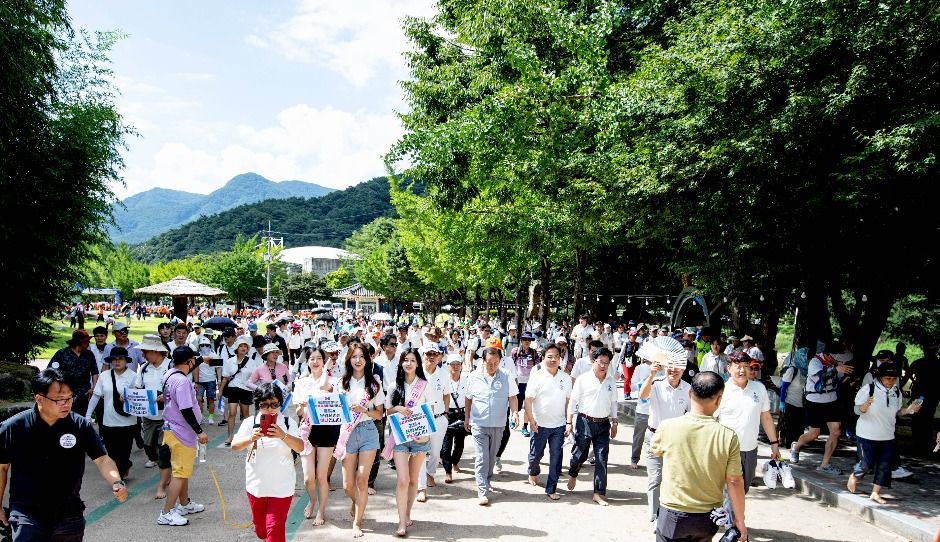
The festival, held annually in Mungyeong, is a bare-foot walking festival covering approx. 7km. During the festival a main performance, various event booths, bare-foot-walking events, and a singing contest are held, allowing visitors to enjoy the festivities while keeping an eye on their health.
Seongjubong Recreational Forest (성주봉자연휴양림)
16.0Km 2022-09-07
3, Seongjubong-ro, Sangju-si, Gyeongsangbuk-do
+82-54-541-6512
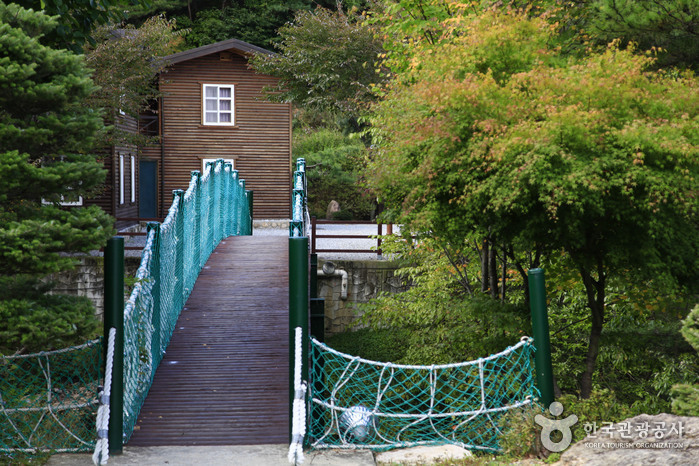
Seongjubong Recreational Forest is located in the foothills of Seongjubong Peak (alt. 606 m), and filled with a lush forest, clean water, and beautiful surroundings. The forest is equipped with basic facilities to maintain the natural environment and ambience for relaxation. Accommodation facilities include forest cabins, a training center, and camping sites. Additional amenities include seminar halls, a forest education center, pavilions, a water playground, and more. The forest also has walking trails of varying levels for all to enjoy.
Museum of Old Roads (옛길박물관)
16.1Km 2023-07-28
944, Saejae-ro, Mungyeong-si, Gyeongsangbuk-do
+82-54-550-8372
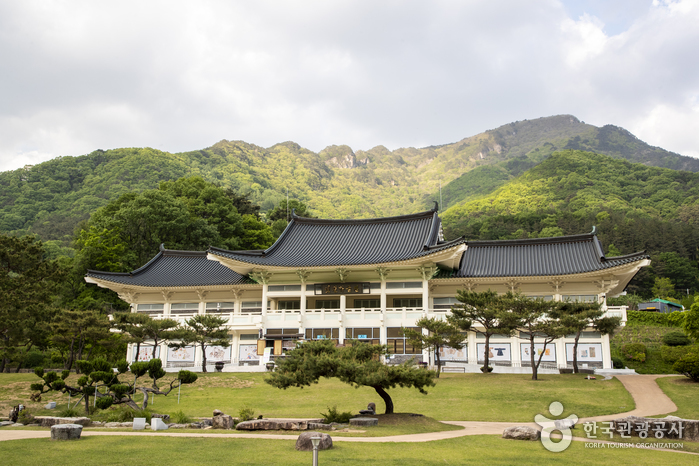
The Museum of Old Roads offers the history of traditional roads and routes in Korea. In the past, Mungyeongsaejae was a transportation hub for the people of Korea, particularly during the Joseon Period. Mungyeongsaejae is home to Haneuljae (one of the oldest roads in Korea, first established in 156 AD), Tokkibiri (a famous trade route), and Yugok Station (a transport hub in the Yeongnam area).
Even though the importance of the roads as travel routes has diminished over time, they continue to increase in cultural significance, conveying the area’s rich traditional heritage to visitors. The Museum of Old Roads was opened in 2009 after having been remodeled from the Mungyeongsaejae Museum, which mainly dealt with local history.
Mungyeong Spa (문경종합온천)
16.1Km 2023-04-07
24, Oncheon 2-gil, Mungyeong-eup, Mungyeong-si, Gyeongsangbuk-do
+82-54-571-2002
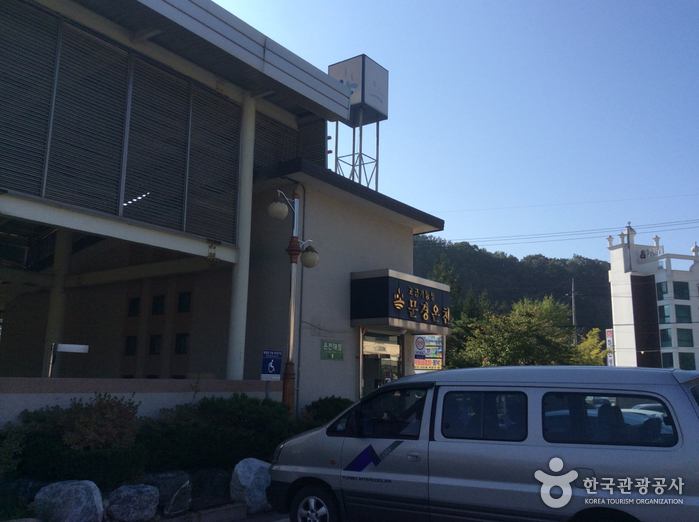
Mungyeong Spa is an enormous hot springs complex that first opened in March 2001 and is able to accommodate up to 2,500 visitors at one time, as well as up to 1,000 vehicles in the spacious parking lot.
It offers two types of hot springs water. The yellow earth-colored hot springs water comes from 900 meters underground and the other hot springs water comes from 750 meters below the ground.
Cheongungak Hall (청운각)
16.2Km 2023-10-20
35 Cheongun-ro, Mungyeong-si, Gyeongsangbuk-do
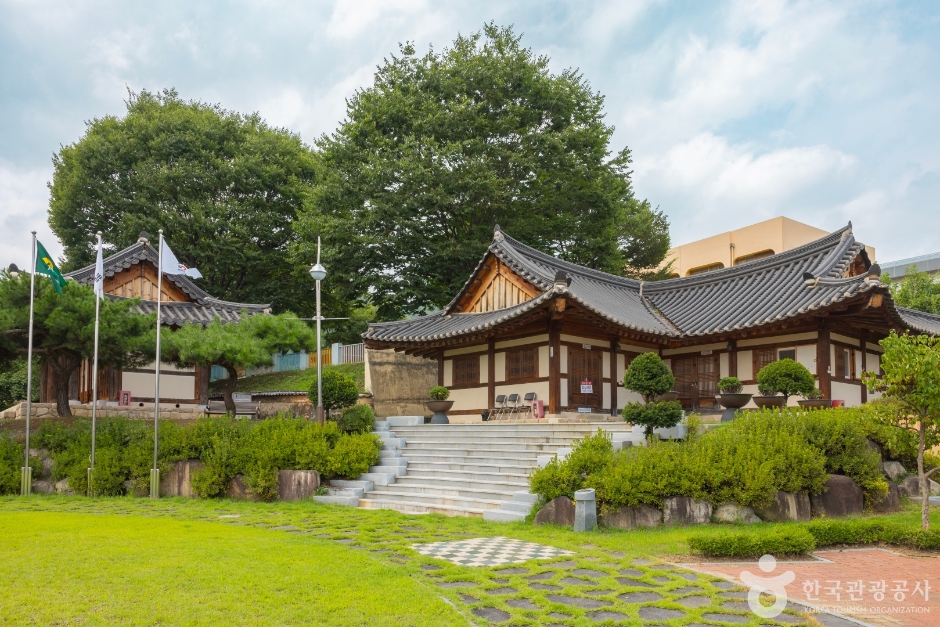
Cheongungak Hall was the living quarters for President Park Chung Hee from 1937 to 1940 while he was working as an elementary school teacher. After becoming president, he would often visit the hall when there were events in the area of Mungyeong. Cheongungak Hall was built in 1928 and is a prime example of 20th century architecture. Currently the hall serves as an exhibition space for photos of the president and items he used during his time here.
Korea Tea Cup Museum (한국다완박물관)
16.2Km 2023-10-20
2-1 Oncheon 5-gil, Mungyeong-si, Gyeongsangbuk-do
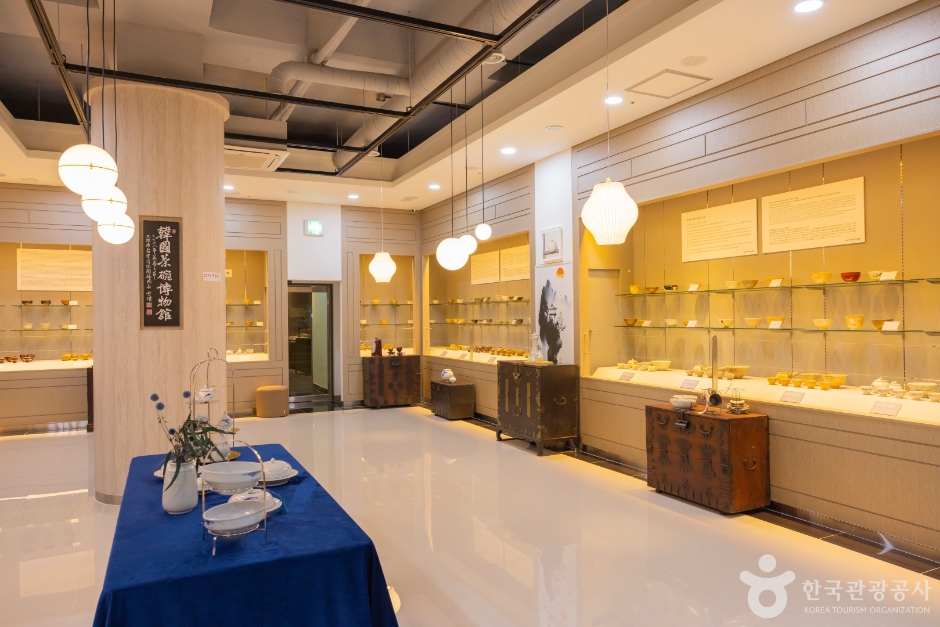
The Korea Tea Cup Museum opened in March of 2022 as the first museum dedicated solely to displaying dawon, traditional tea cups. The museum displays around 700 cups from the past to modern times, while maintaing over 2,500 tea cups in storage for rotational exhibitions. The museum is operated by Kim Seon-sik, an eight-generation potter. A range of experience programs is available with advance reservation.
Songnisan Special Tourist Zone (속리산 관광특구)
16.8Km 2025-01-14
405, Beopjusa-ro, Boeun-gun, Chungcheongbuk-do
+82-43-540-3393
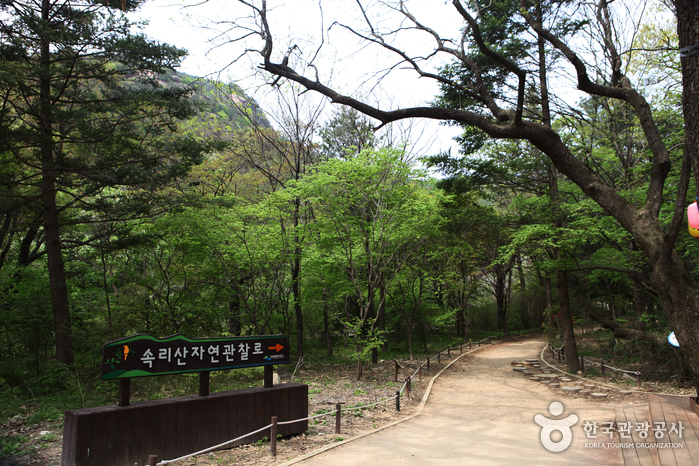
With Songnisan National Park at its center, Songnisan Special Tourist Zone offers picturesque scenery and cozy resorts. At 1,058 meters above sea level, Songnisan Mountain is one of the 8 scenic wonders in Korea, and its steep peaks and deep valleys create a fascinating view. A variety of hiking trails that set out from Beopjusa Temple offer superb mountain scenery from every angle.
A tourism complex around Songnisan National Park offers various types of accommodations, and the area's attractions, such as Beopjusa Temple, Seowongyegok Valley, Mansugyegok Valley and Solhyang Park are not to be missed. In fact, the mountain is a habitat for rare animals and plants, including flying squirrels and Berchemia Berchemiaefolia, and is called a “treasure house of natural resources.”
The convenient accessibility should be noted as well. The highway between Dangjin and Yeongdeok goes through the zone, and it takes only 30 minutes from Cheongju International Airport. This helps foreign tourists from China, Taiwan and Singapore as well as Korean visitors to easily access the zone.
A variety of events, including the Songni Festival, the Songnisan Maple Music Festival and the Songnisan Hiking Festival, are held every year, and the largest number of tourists visit in autumn to appreciate a view of the mountain tinged with red.
* Current State of Songnisan Special Tourist Zone
1) Districts Covered: Areas around Sangpan, Jungpan, Galmok and Sanae-ri, Songnisan-myeon, Boeun-gun, Chungcheongbuk-do
2) Area: 43,745,528 ㎡
 English
 한국어
한국어 日本語
日本語 中文(简体)
 Deutsch
 Français
 Español
 Русский


