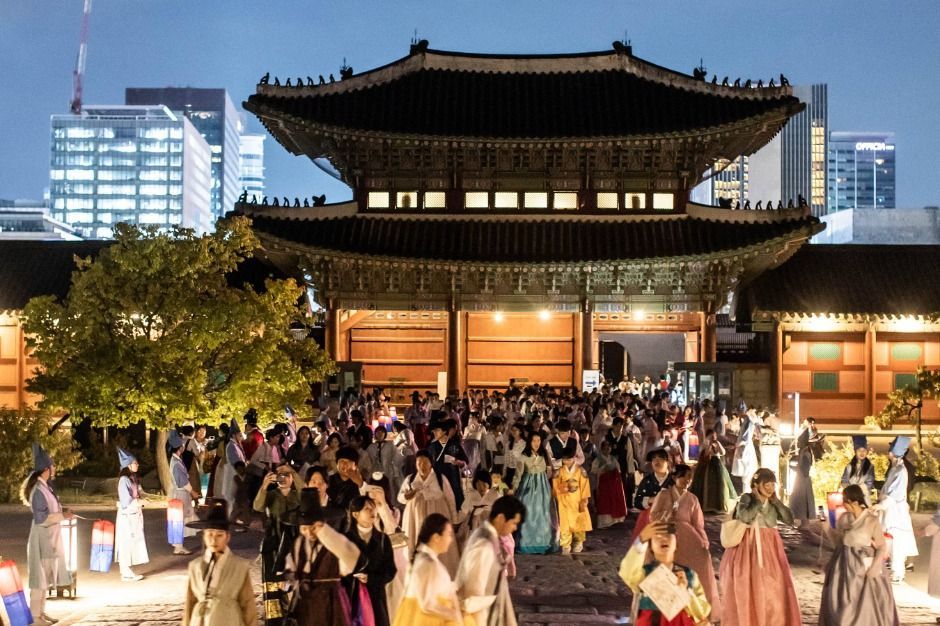
K-Royal Culture Festival (궁중문화축전)
2.1Km 2025-07-29
161 Sajik-ro, Jongno-gu, Seoul
+82-1522-2295
The K-Royal Culture Festival is held at the five Royal Palaces and Jongmyo Shrine. The festival first began in 2014 and provides visitors with first-hand knowledge of these important cultural heritages through unique performances, exhibitions, experiences and programs. The festival expanded in 2021 to be hosted twice a year, in spring and in fall.
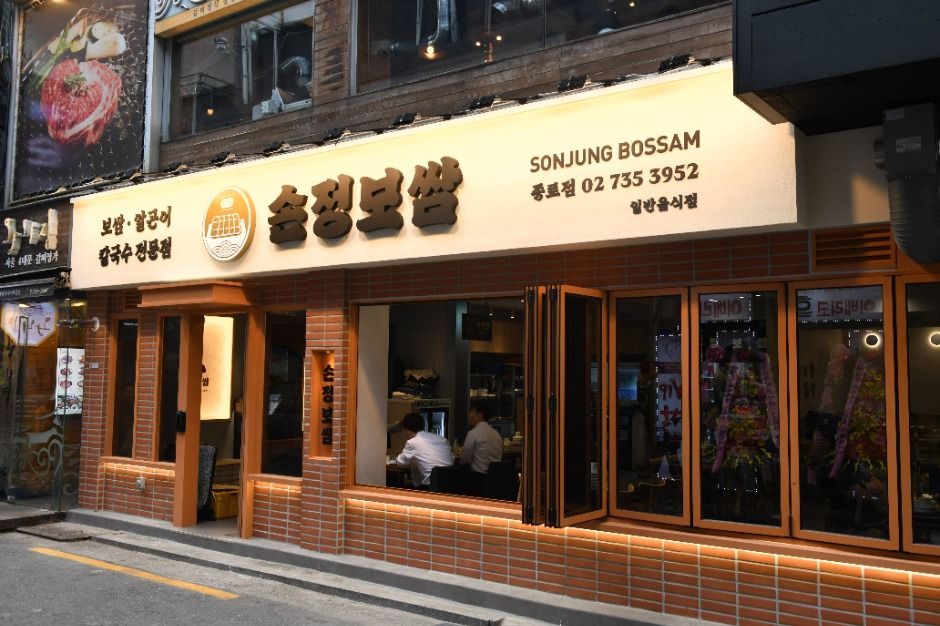
Sonjung Bossam (손정보쌈)
2.1Km 2025-07-25
24 Samil-daero 15-gil, Jongno-gu, Seoul
Sonjung Bossam offers dishes with a modern touch by reinterpreting traditional meals. Passed down for three generations, this restaurant values sincerity and careful attention in food making in order to serve every customer a heartwarming meal. Sonjung Bossam's signature dish Premium Gabri Bossam takes only the rarest pork cut, the blade-end fatback called "gabri" in Korean, and boils the meat using the restaurant's secret recipe for tender, juicy meat. The restaurant also serves their own special version of spicy stir-fried fish roe and intestines and haemultang (spicy seafood stew), boasting a generous amount of various seafood and rich broth. All meals are prepared wholeheartedly as if they are being served to a family.
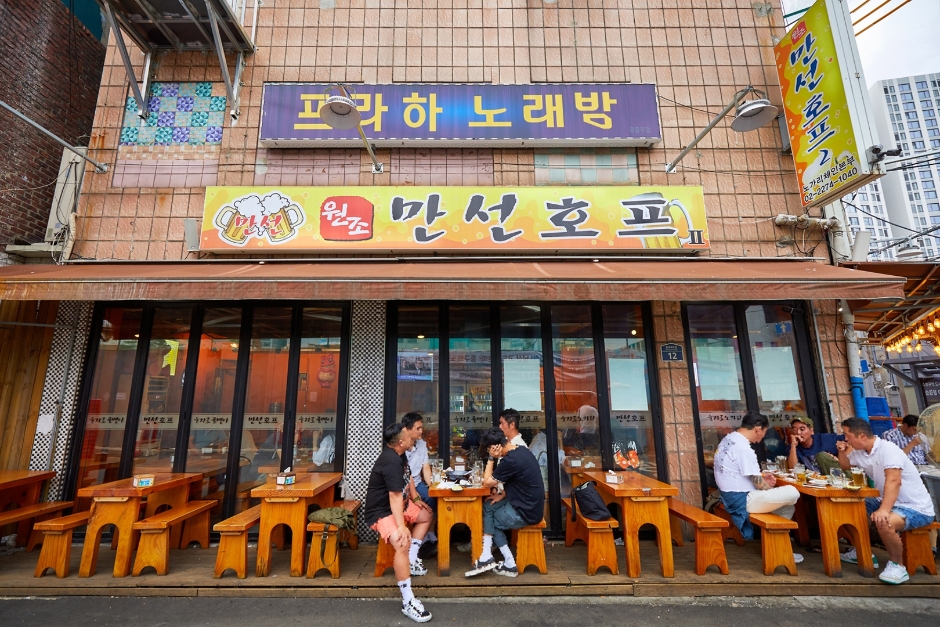
Euljiro Nogari Alley (을지로 노가리골목)
2.2Km 2025-11-06
Eulji-ro 129, Jung-gu, Seoul
Going out of Exit 3 of Euljiro 3-ga Station on Seoul Metro Line 3 and turning to the alley, you will find many pubs selling Nogari/Dried Young Pollack (Korean people grill and dip it in red pepper paste to eat as a side dish with alcohol) and restaurants specializing in Golbaengi/Sea Snails (It is a kind of conch shell, and Korea people made it a seasoned dish and enjoy it with Somyeon/Thin Noodles or use it as a bar sack). People gather in small groups at every outdoor table and sit in every alley to enjoy beer and snacks on weekday evenings and weekends, so it isn't easy to find a seat.
Originally, this area was lined with various company buildings and shops selling tools. However, in 1980, the pub 'Eulji OB Bear' opened, and as similar pubs opened nearby, it naturally came to be called 'Euljiro Nogari Alley.' As the affordable prices of snacks and beer attracted nearby office workers and college students, it has become increasingly popular, leading to its current status.
Here, along with a cold draft beer, let's try the K-snacks only available in Korea, such as Nogari/Dried Young Pollack and Golbaengi/Sea Snails. In addition, snacks such as chicken and fried dishes are also available, so try various snacks.

Redtable Inc (주식회사 레드테이블)
2.2Km 2025-10-23
10F, SIGNATURE TOWER(WEST),100,Cheonggyecheon-ro, Jung-gu, Seoul
We are a Google partner in Korea that provides services for searching, inquiries, consultations, bookings, and payments related to hospitals, wellness centers, and aesthetic services on Google.
We focus on attracting global tourists from English-speaking countries, Japan, and other Asian regions.
Additionally, Redtable Inc is an official agency of Meituan-Dianping (the largest integrated platform in China), specializing in marketing and promotions for the Chinese market.
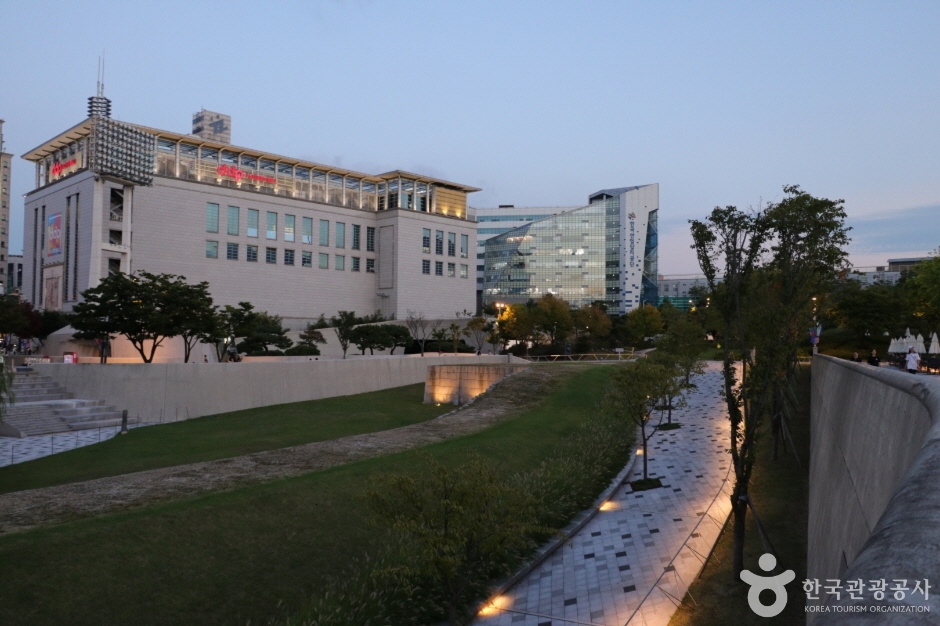
Dongdaemun History & Culture Park (동대문역사문화공원)
2.2Km 2024-11-27
281 Eulji-ro, Jung-gu, Seoul
Dongdaemun History & Culture Park is a park established on the former site of the Dongdaemun Stadium. It serves as a thematic park showcasing the history and culture of Seoul, while also providing a space to experience modern design and culture. During the park's development in 2008, numerous artifacts from the Joseon dynasty, including The Two Floodgates, the Chiseong Castle, Military Training Agency, and over 1,000 relics from the Joseon era, were excavated. Alongside the park, there is the Dongdaemun Design Plaza (DDP) and the Relic area.
Bosingak Belfry (보신각 터)
2.2Km 2024-03-04
54, Jong-ro, Jongno-gu, Seoul
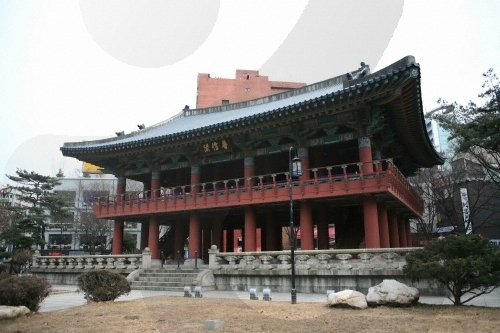
Bosingak Belfry is also known as Jonggak. It was the site in which a large bell, used to keep the time in Seoul, was found during the Joseon period (1392-1897). Bosingak Belfry was burned down during the Korean War (1950-1953) and was reconstructed in 1979. The original bell was moved to the Gyeongbokgung Palace, and a new bell was forged in 1985. At midnight, January 1, the bell at the Bosingak Belfry is rung to welcome the new year. Many people gather around the belfry to make a wish for their new year.
Cheong Wa Dae Media Display (청와대 국민과 함께 영상전시)
2.2Km 2025-08-20
1 Cheongwadae-ro, Jongno-gu, Seoul
박주원 학예연구사 02-3771-8636
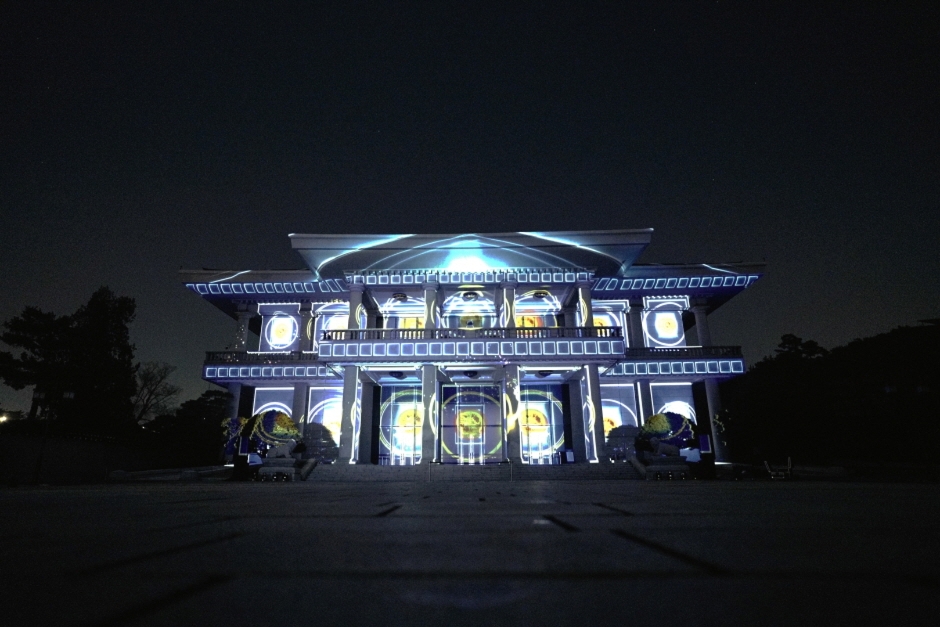
Cheong Wa Dae Media Display brightens the night through a media facade display on Yeongbingwan Hall. The display shows the history of Cheong Wa Dae through the theme "Twelve Lights".
LoL Park (롤파크)
2.2Km 2025-11-04
33 Jong-ro, Jongno-gu, Seoul
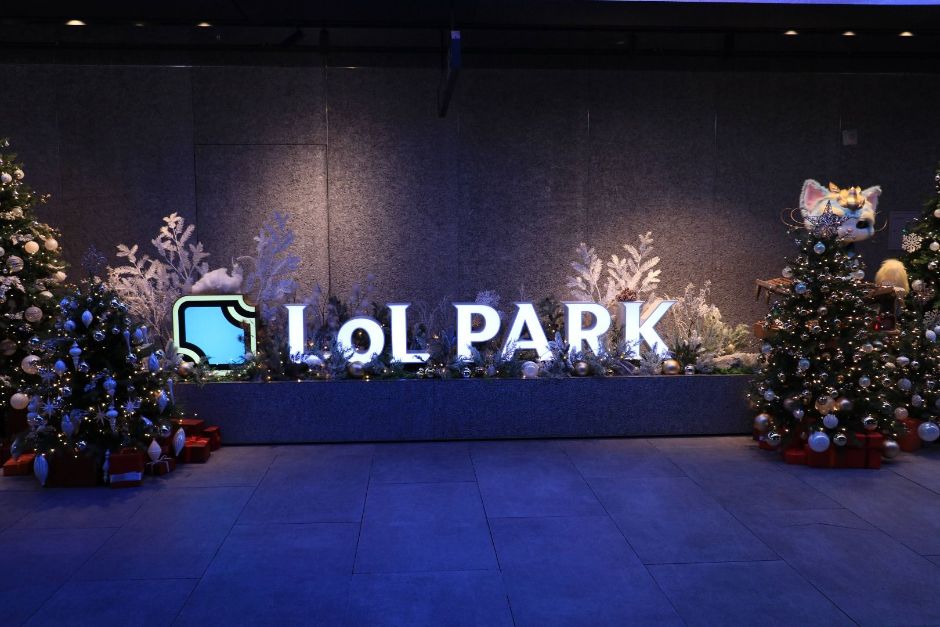
Lol Park is the venue where the largest-scale League of Legends competition in South Korea, LCK (League of Legends Champions Korea), is held. It serves as a space for various esports events and activities, featuring spectator seating, LCK Arena (lounge), Riot Store (merchandise shop), PC rooms, and café.
The Souvenir Fair (2025 대한민국 관광기념품 박람회)
2.3Km 2025-10-27
281 Eulji-ro, Jung-gu, Seoul
+82-10-8315-5434
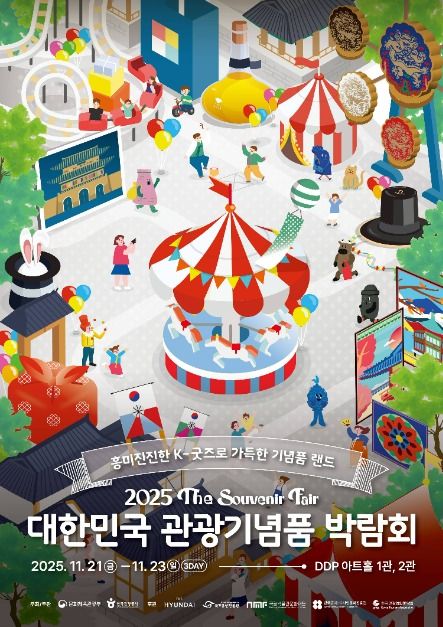
The Souvenir Fair brings together various companies and local governments to showcase a variety of souvenirs, both traditional and trendy. Visitors can freely explore the exhibition space, enjoy souvenir shopping, and take part in various programs. Highlights of the fair include an exhibition of competition-winning works, a zone featuring outstanding local souvenirs, and a special exhibition of overseas souvenirs.
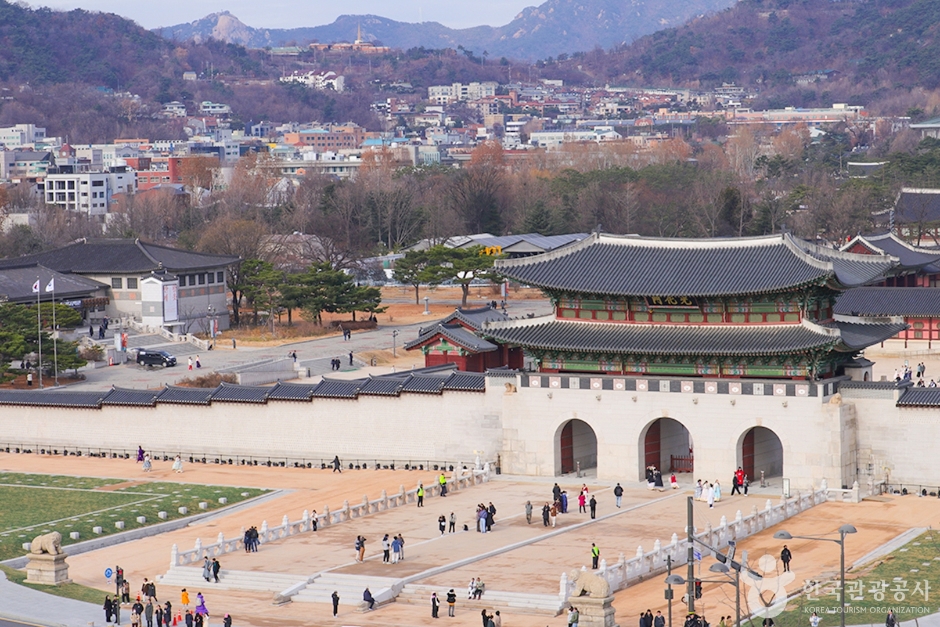
Gwanghwamun Gate (광화문)
2.3Km 2024-12-04
161 Sajik-ro, Jongno-gu, Seoul
Built in 1395 under the reign of King Taejo, the first king of the Joseon dynasty, Gwanghwamun Gate is the southern gate of Gyeongbokgung Palace. It is also the main gate of the palace, therefore larger and fancier in comparison to the other gates. Gwanghwamun Gate consists of three arched gates; the center gate was used by the king, while the other two were used by the crown prince and royal officials. The tall granite walls of the gate serve as a platform for the wooden gate tower that watches over the city. The gate has a sign with its name written at the top center of the gate tower.
Gwanghwamun Gate went through several damages and restorations over the course of history. It was first severely damaged during the Imjin War (1592-1598) and was not restored until the reconstruction of Gyeongbokgung Palace in 1864. Under the Japanese administration, the gate was demolished and relocated to the north of the palace's eastern gate, followed by series of damages during the Korean War (1950-1953). In 1968, Gwanghwamun Gate was relocated back to the south of the palace and was rebuilt using concrete; however, the gate’s position was shifted a few meters away from its original location. In 2006, a major reconstruction project took place to restore Gwanghwamun Gate to its original state and location, disassembling the structure completely and replacing concrete with granite and wood. After three years and eight months of construction, Gwanghwamun Gate was fully restored to its original form and was open to the public on August 15, 2010.
 English
 한국어
한국어 日本語
日本語 中文(简体)
 Deutsch
 Français
 Español
 Русский


