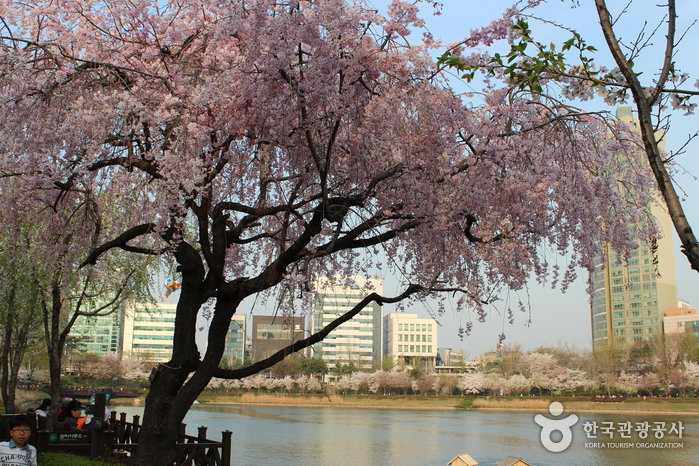
Songpa Naru Park (Seokchonhosu Lake) (송파나루공원 (석촌호수))
10.9Km 2025-10-23
136 Samhaksa-ro, Songpa-gu, Seoul
Songpa Naru Park, also commonly referred to as Seokchonhosu Lake, is a citizen park in Seoul with a jogging course and walking trails. It has two lakes with Songpa-daero Boulevard running in between. Originally, a branch of the Hangang River ran through the site, forming one large lake, but the lake was divided into two with the construction of Songpa-daero Boulevard. The total size of the two lakes is 217,850 ㎡, and they hold about 737 tons of water. The depth of the lakes is 4-5 meters.
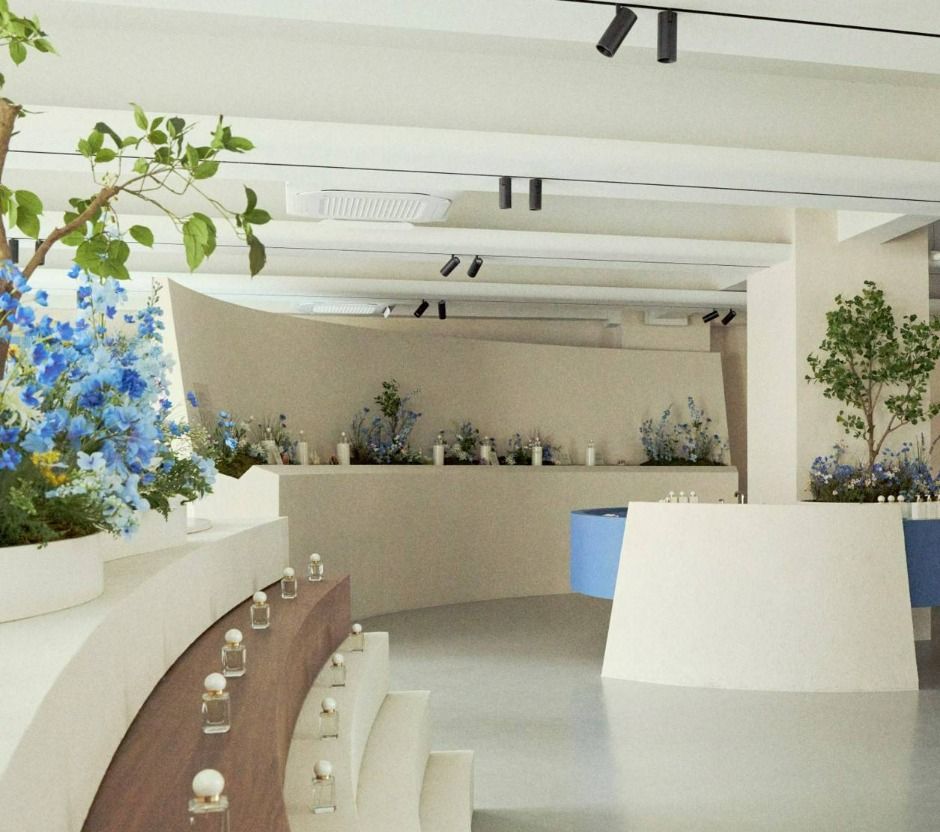
Matthew Chang Anguk (메튜장 안국)
10.9Km 2025-07-14
33 Yulgok-ro, Jongno-gu, Seoul
Matthew Chang Anguk flagship store uses the whole space to bring the brand's philosophy to life through fragrance. Located in Anguk, the heart of Korea's tradition and aesthetics, the store's tranquil atmosphere sets the mood for visitors to try on and experiment with the brand's carefully selected perfume collection. The staff provides assistance in recommending the perfect scent according to visitor's preference, mood, and nostalgia. The store also has a section dedicated to body care products, such as hand wash and body lotion.
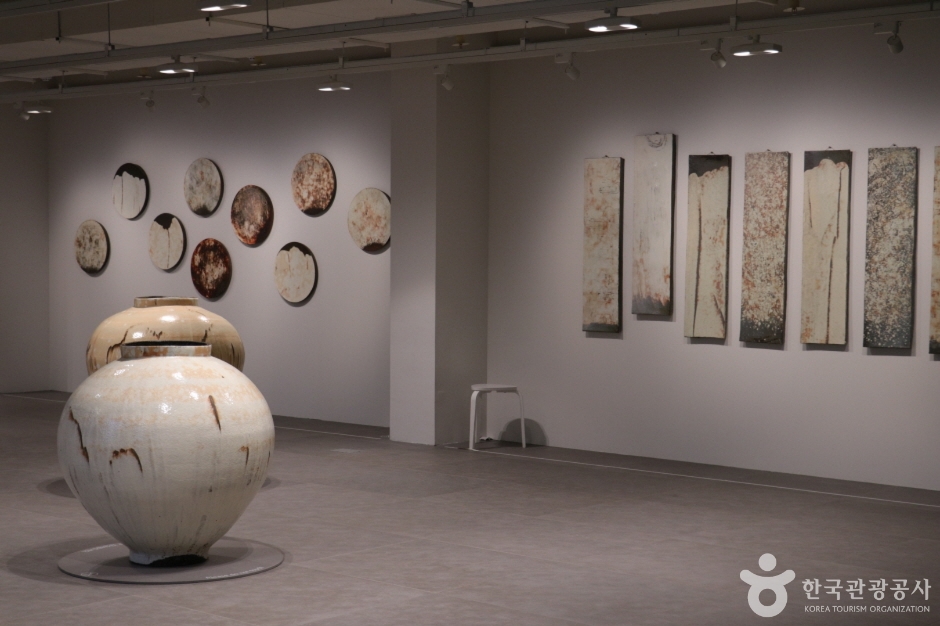
Seoul Museum of Craft Art (SeMoCA) (서울공예박물관)
10.9Km 2025-06-19
4 Yulgok-ro 3-gil, Jongno-gu, Seoul
The Seoul Museum of Craft Art (SeMoCA), the first public museum of craft art in Korea, opened its doors in Anguk-dong, Jongno-gu, in July 2021 after renovating five buildings of the former Pungmoon Girls’ High School. SeMoCA studies and shares not only works, but also information, records, people, and environment related to craft art with the goal of becoming a dynamic platform for experiencing the technical, practical, artistic, and cultural values of craft.
SeMoCA holds a collection that comprises various crafts and craft materials covering multiple fields and eras from the traditional to the present. SeMoCA also holds exhibitions that feature the history of craft from traditional to contemporary art as well as local and children’s crafts, along with programs that utilize the museum’s craft installations, craft archives, craft library, and craft resource management system.
The site of the museum has deep historical roots as it is also the Andong Secondary Palace Site, where a detached palace was constructed as a royal residence for King Sejong’s son Prince Yeongeung, and served as a venue for royal celebrations, such as the wedding of King Sunjong. The site is also at the center of Jongno-gu, where Joseon-era master artisans (“gyeonggongjang”) of the royal palace produced and delivered craft works.
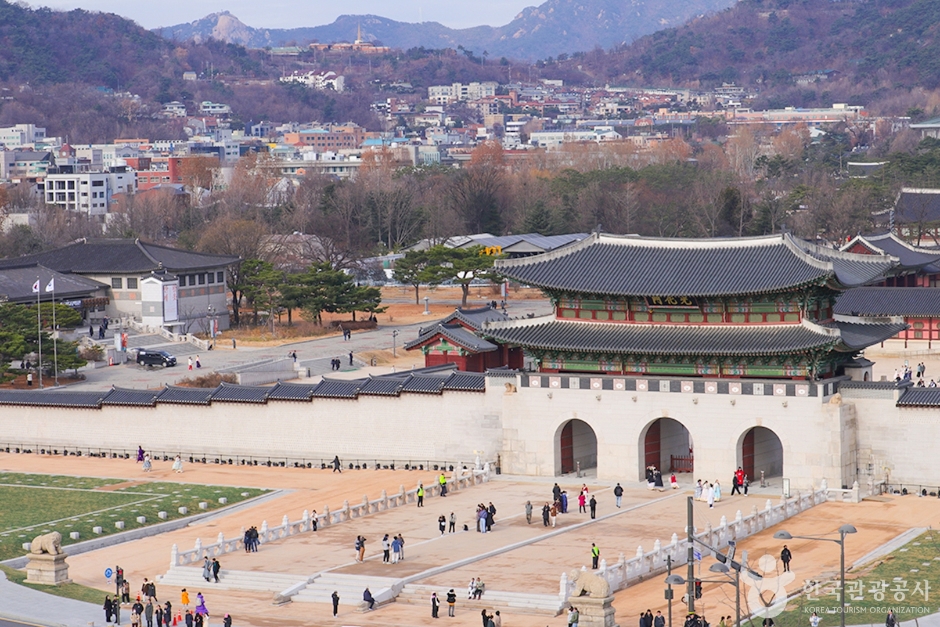
Gwanghwamun Gate (광화문)
10.9Km 2024-12-04
161 Sajik-ro, Jongno-gu, Seoul
+82-2-3700-3900
Built in 1395 under the reign of King Taejo, the first king of the Joseon dynasty, Gwanghwamun Gate is the southern gate of Gyeongbokgung Palace. It is also the main gate of the palace, therefore larger and fancier in comparison to the other gates. Gwanghwamun Gate consists of three arched gates; the center gate was used by the king, while the other two were used by the crown prince and royal officials. The tall granite walls of the gate serve as a platform for the wooden gate tower that watches over the city. The gate has a sign with its name written at the top center of the gate tower.
Gwanghwamun Gate went through several damages and restorations over the course of history. It was first severely damaged during the Imjin War (1592-1598) and was not restored until the reconstruction of Gyeongbokgung Palace in 1864. Under the Japanese administration, the gate was demolished and relocated to the north of the palace's eastern gate, followed by series of damages during the Korean War (1950-1953). In 1968, Gwanghwamun Gate was relocated back to the south of the palace and was rebuilt using concrete; however, the gate’s position was shifted a few meters away from its original location. In 2006, a major reconstruction project took place to restore Gwanghwamun Gate to its original state and location, disassembling the structure completely and replacing concrete with granite and wood. After three years and eight months of construction, Gwanghwamun Gate was fully restored to its original form and was open to the public on August 15, 2010.
Lotte World Folk Museum (롯데월드 민속박물관)
10.9Km 2024-03-12
240, Olympic-ro, Songpa-gu, Seoul
+82-2-411-4762
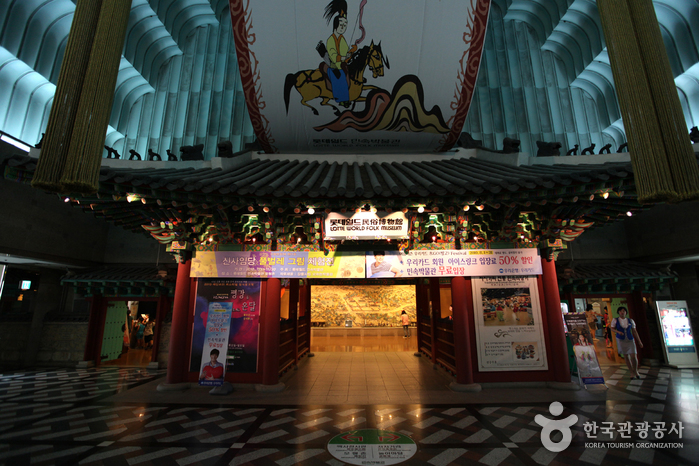
Lotte World Folk Museum, located within Lotte World, is a museum showcasing the ancient lifestyles of Korea. It exhibits artifacts from the prehistoric era to the Japanese colonial period, divided by historical eras. Particularly noteworthy is the miniature village, featuring over two thousand dolls at a scale of 1:8, depicting various aspects of life during the Joseon dynasty, including the four seasons, seasonal customs, four ceremonial occasions, and the lives of the yangban and commoners with remarkable realism.
Lotte World(롯데월드 어드벤처)
10.9Km 2025-06-10
240 Olympic-ro, Songpa-gu, Seoul
+82-1661-2000
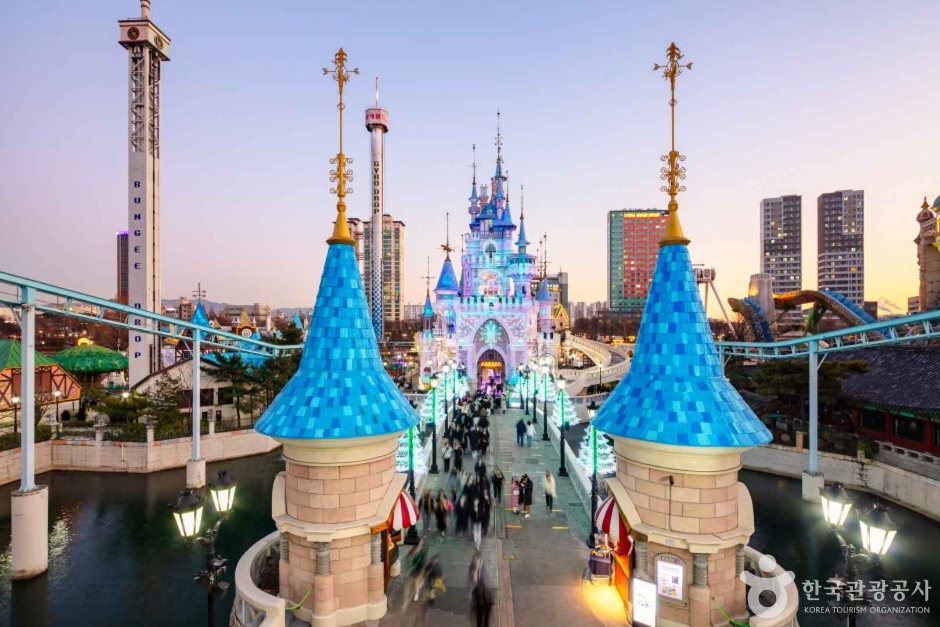
Operated by Lotte Group, Lotte World is the perfect spot for entertainment and sightseeing for Koreans and international tourists alike. The theme park is divided into the indoor Lotte World Adventure, and the outdoor lakeside Magic Island, with additional amenities including a shopping mall, folk museum, ice rink, hotel, and more.
Lotte World Adventure is the world's largest indoor amusement park, complete with top-of-the-line rides, fantastic parades and performances, and food from around the world. The Folk Museum displays miniature models of Korea throughout 5,000 years in history. Lotte World Garden Stage presents various themed musicals to match each season and Lotte World Star Avenue is the perfect place to experience Korean stars and the entertainment world.
Charlotte Theater (샤롯데씨어터)
10.9Km 2024-03-20
240 Olympic-ro, Songpa-gu, Seoul
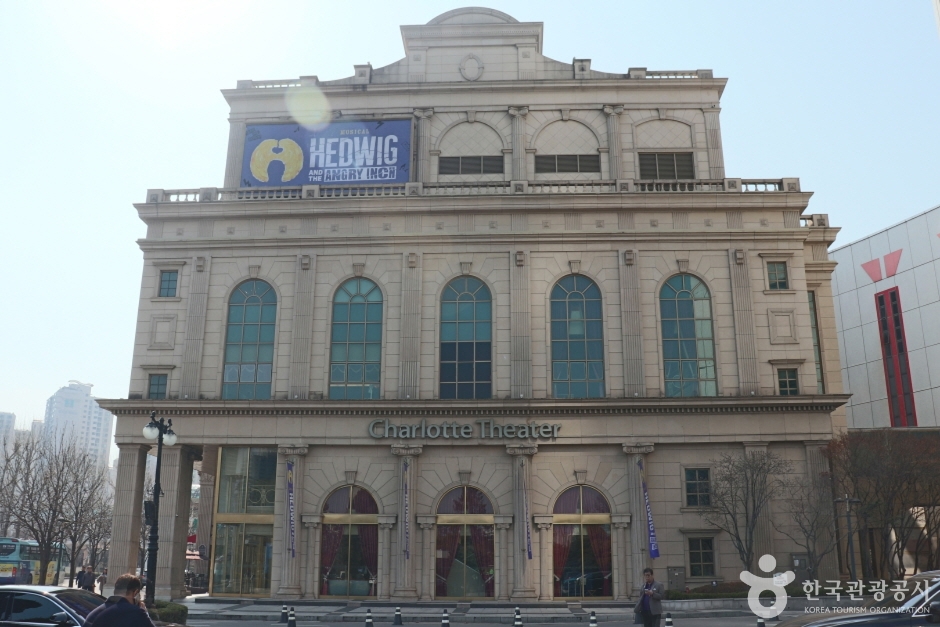
The Charlotte Theater, located near Lotte Tower in Jamsil, features an elegant and luxurious interior and exterior reminiscent of medieval Europe, providing a sophisticated setting for musical performances. With a short distance between the stage and the audience, spectators can vividly experience the actors' performances up close. It hosts productions such as The Phantom of the Opera and Jekyll & Hyde.
KidZania Seoul (키자니아 서울)
10.9Km 2024-03-13
240, Olympic-ro, Songpa-gu, Seoul
+82-1544-5110
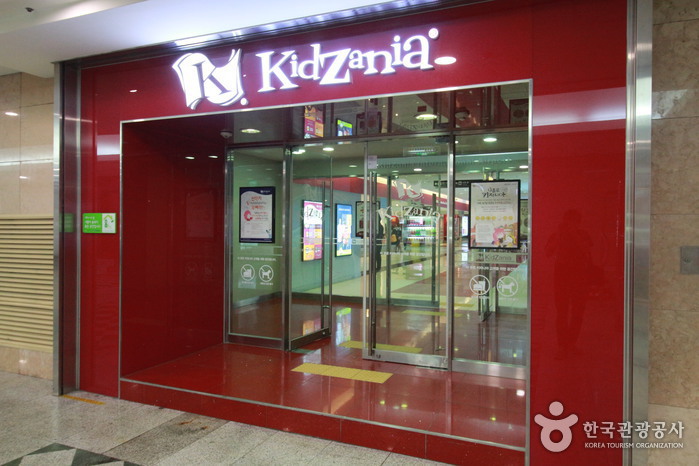
KidZania is a theme park organized around the idea of vocational experience for children. It is home to a variety of facilities where one can experience different career paths, all located on a scale model of a city. Visitors can learn what it is like to work as a firefighter, doctor, cook, member of the police force, reporter, and more.
Seoul Sajik Park (사직공원(서울))
11.0Km 2021-11-12
89, Sajik-ro, Jongno-gu, Seoul
+82-2-2148-4149
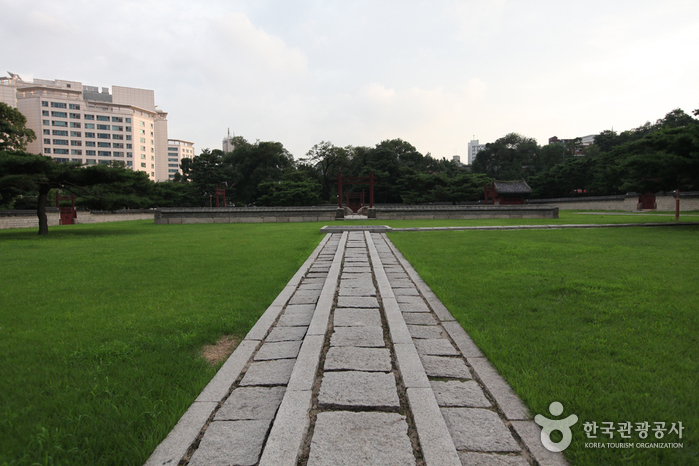
Sajik Park is one of the three most popular parks in Jongno-gu along with Tapgol Park and Samcheong Park. Located west of the Government Complex-Seoul on the southeastern foothills of Inwangsan Mountain, the park measures an impressive 188,710 m².
The name of the park dates back to 1395 when Taejo Yi Sung-gye made Sajik Altar (altar to the State deities) at the center of the park. "Sa" refers to the deity of the earth while "jik" refers to the deity of the five grains. Rites wishing for a good harvest were held regularly at Sajik Altar.
In the park are several playgrounds, statues of Sin Saimdang, Hwanghakjeong, and Yulkog Yi I, and the Municipal Children's Library. Dangun Shrine and Jongno Library are situated nearby. By following the path next to Sajik Park for approximately 5 minutes, travelers can reach the Inwangsan hiking path with relative ease.

Dodeoksan Suspension Bridge (도덕산 출렁다리)
11.0Km 2025-11-06
317-80 Gwangmyeong-dong, Gwangmyeong-si, Gyeonggi-do
Dodeoksan Suspension Bridge is located in Dodeoksan Park, which serves as a resting place and a light hiking course for citizens of Gwangmyeong. Dodeoksan Park has a well-maintained wooden walkway, and the slope is not too steep, so anyone can walk safely there. It is about 400 meters from Dodeoksan Park parking lot to Dodeoksan Suspension Bridge, allowing one to reach the bridge at a leisurely pace on foot. The bridge is in a Y-shape and 82 meters long in total and has an artificial waterfall under the midpoint of the bridge, giving a thrilling yet refreshing experience.
 English
 한국어
한국어 日本語
日本語 中文(简体)
 Deutsch
 Français
 Español
 Русский


