
Seoul Doseonsa Temple (도선사(서울))
8.0Km 2025-06-25
504 Samyang-ro 173-gil, Gangbuk-gu, Seoul
Doseonsa Temple was established 1,100 years ago during the latter part of the Silla Kingdom when the renowned Buddhist priest Doseonguksa was traveling through the mountains. After visiting the site, Doseonguksa made a prophecy that led to the construction of the temple. According to legend, he used only his walking stick to carve the large Bodhisattva that sits at the temple. Interestingly enough, the statue does not show any evidence of chisel marks, further adding to the mystery of how the statue was made.
During the 7th year of King Gwangmu of the Joseon dynasty, Doseonsa Temple was officially named the representative temple of Korea with the purpose of promoting Cheongdamdaejongsa's Korean Buddhism movement, aiming at a religious revival. Due to these special circumstances Deseonsa Temple gained a high reputation and much recognition, which have held strong to this day.
Inside the temple, visitors can view the remains and written works of Cheongdamdaejongsa in the Cheongdamdaejongsa Memorial Hall. Next to the road leading to Cheonbuljeon Hall is a pond where you can toss a coin and make a wish and just past Yongammun Gate is a hiking path connecting Baegundae Cliff and Insubong Peak. Inside the Ksitigarbha Hall are portraits of President Park Chung-hee, Yuk Yeong-su, and Hyundai Chairman Chung Ju-yung. In front of the hall is a tree that is said to have been planted by a Buddhist priest who brought it from India 200 years ago. Historical artifacts can be found throughout the temple.
April 19th National Cemetery (국립4.19민주묘지)
8.2Km 2023-01-02
17, 4.19-ro 8-gil, Gangbuk-gu, Seoul
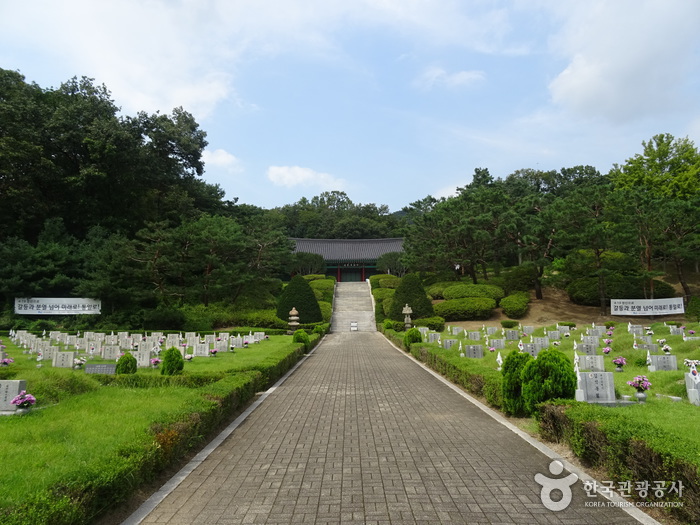
Located at the foot of Bukhansan Mountain, the April 19th National Cemetery was established in memory of the 224 people who lost their lives during the 4.19 Revolution in 1960. The cemetery features a memorial hall and a traditional wooden structure that houses the grave of the historic figure Yu Yeongbong.
At the cemetery is a pond surrounded by sculptures such as "Symbolic Door," "Roots of Democracy," and "Sparks of Justice" and a memorial tower bearing an inscription for the brave patriots who lost their lives during the revolution. Groves of pine, juniper, yew, and maple trees and the well-kept hiking path add a natural charm to the overwhelming ambiance of peace and serenity. Many people visit to see the spring blossoms in May, and throughout the year to take in the glorious scene of the sunset over Bukhansan Mountain.
Gana Art Center (가나아트센터)
8.4Km 2024-03-18
28 Pyeongchang 30-gil, Jongno-gu, Seoul
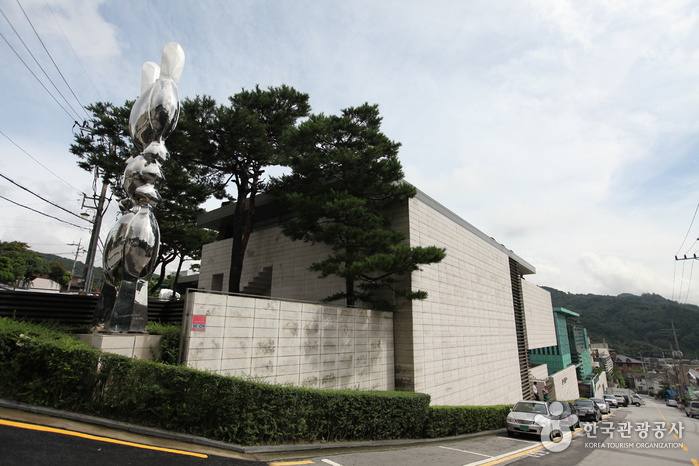
The Gana Art Center located at the foothills of Bukhansan Mountain has been showcasing more than 300 exhibitions since its opening in 1983. Through both national and international exhibitions, the Gana Art Center is a recognized gellery. With numerous fairs and exhibitions, Gana Art Center not only invite internationally known artists, but also promotes other forms of art, such as music, theater, mime, etc. Through their flexibility in promoting all art forms, the visitors will surely be able to find the theme of their interest.
Total Museum (토탈미술관)
8.4Km 2022-07-22
8, Pyeongchang 32-gil, Jongno-gu, Seoul
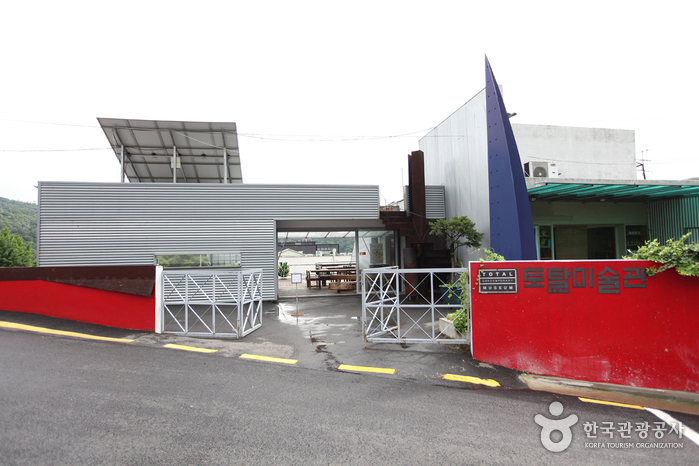
The Total Museum is a branch of Jangheung Art Park (formerly “Total Outdoor Museum”) that opened near Bukhansan Mountain in April 1992. It houses facilities such as an art academy, library, art shop, and outdoor performance stage. In addition to exhibitions, the museum holds a variety of art and culture programs like musical concerts, events, lectures, and seminars. In particular, the members-only educational programs and gallery concerts provide a chance to enjoy high-quality cultural events.
Jamunbak Cultural Festival (자문밖문화축제)
8.4Km 2025-10-23
5 Pyeongchang 31-gil, Jongno-gu, Seoul
+82-2-6365-1388
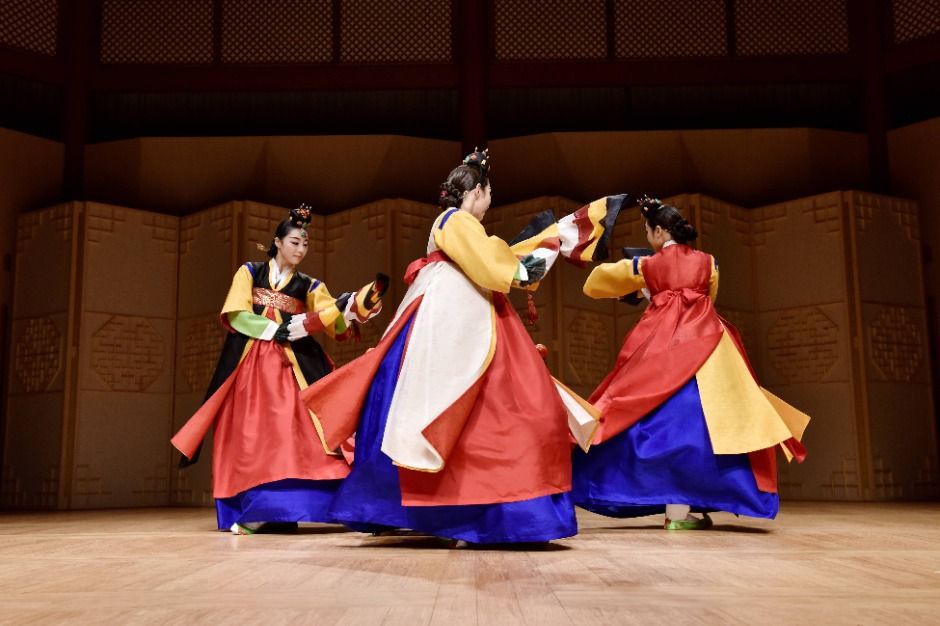
The Jamunbak Festival is a celebration of the artistic life of Seoulites. At the foot of Bukhansan Mountain, the festival features exhibitions, performances, forums, workshops, and field trips that bring together artists of different generations and citizens of Seoul—who have long led Korea’s artistic culture—to reflect on and propose new directions for their own artistic lives. The festival aims to create a platform where emerging artists experimenting with new aesthetics, mid-career artists who form the backbone of Korean art, collectors, critics, students, and the general public can all engage in dialogue together.
Paju Bogwangsa Temple (보광사(파주))
8.6Km 2021-09-10
87, Bogwang-ro 474beon-gil, Paju-si, Gyeonggi-do
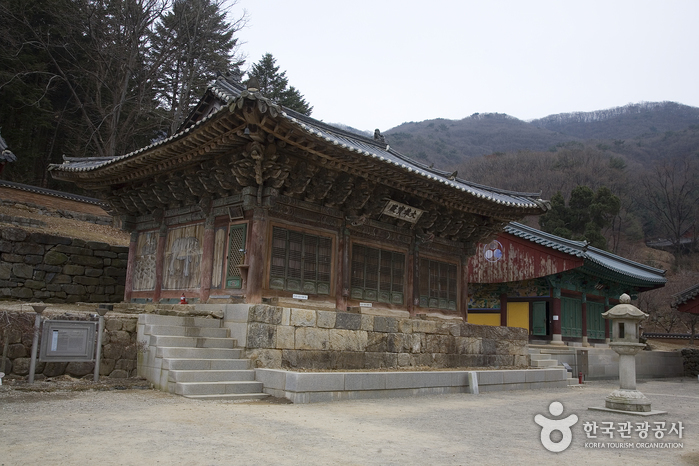
Bogwangsa Temple is a traditional temple located on the foothills of Goryeongsan Mountain in Paju. It was built by Great Monk Doseonguksa during the Silla Kindom period under the order of Queen Jinseong in AD 894. At the time, it was considered a hidden national treasure and one of the six grand temples located on the northern side of the Hangang River. In was once ruined during the Imjin War, and reconstructed in 1622 by Monk Seolmi and Monk Deogin. In 1667, Monk Jigan and Monk Seok Ryeon reconstructed Daeungbojeon Hall and Gwaneumjeon Hall.
Bukhansan National Park (Seoul District) (북한산국립공원(서울))
8.7Km 2024-11-27
262 Bogungmun-ro, Seongbuk-gu, Seoul
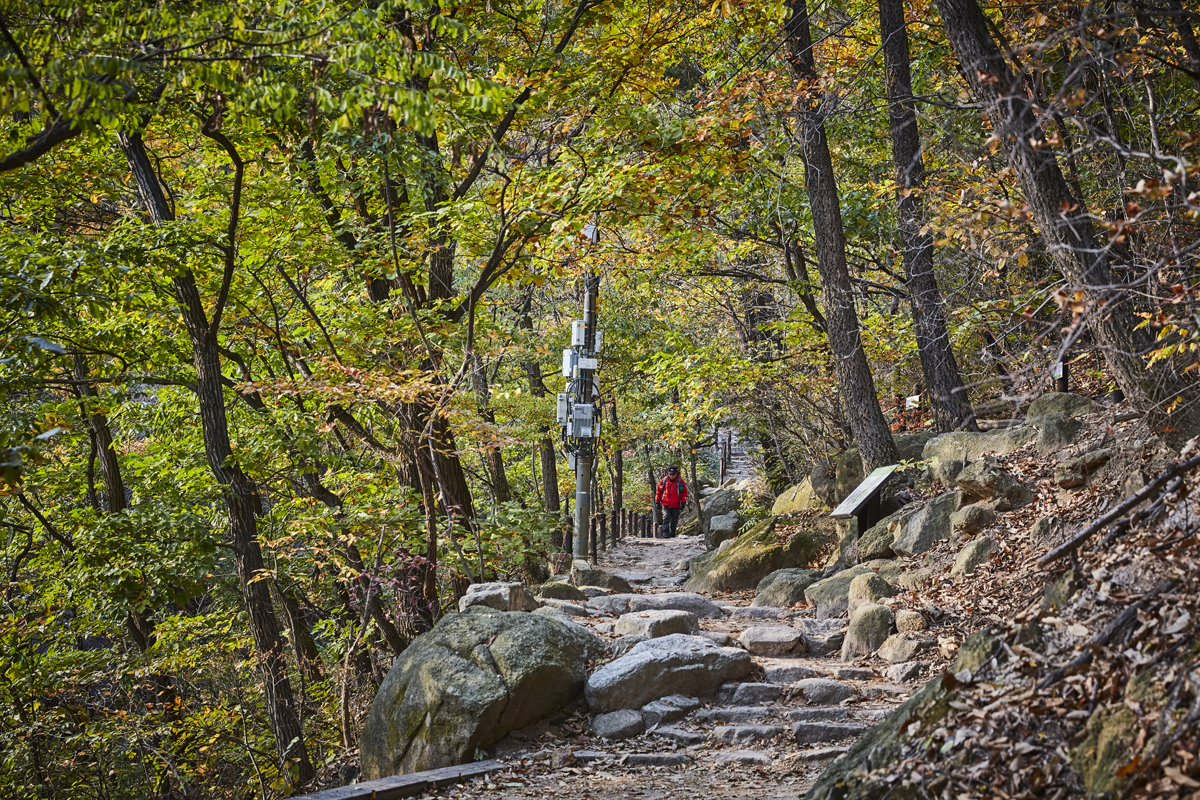
Bukhansan Mountain was officially designated as a national park in 1983. Bukhansan National Park covers both Bukhansan and Dobongsan Mountains, and spans a total area of 80.699 ㎢. At the top of Bukhansan Mountain are Baegundae Terrace (835.6 m), Insubong Peak (810.5 m) and Mangyeongdae Terrace (799.5 m), which gave the mountain the nickname "Samgaksan" or the "three-horned mountain." The mountain had other names: Sambongsan (mountain with three peaks), Hwasan (flower mountain), and Buaak (mountain shaped like a person giving a baby a piggyback ride). The current name, Bukhansan, was given after the Bukhansanseong Fortress was built under King Sukjong of the Joseon dynasty.
Seoul Hwagyesa Temple (화계사(서울))
8.8Km 2021-11-02
117, Hwagyesa-gil, Gangbuk-gu, Seoul
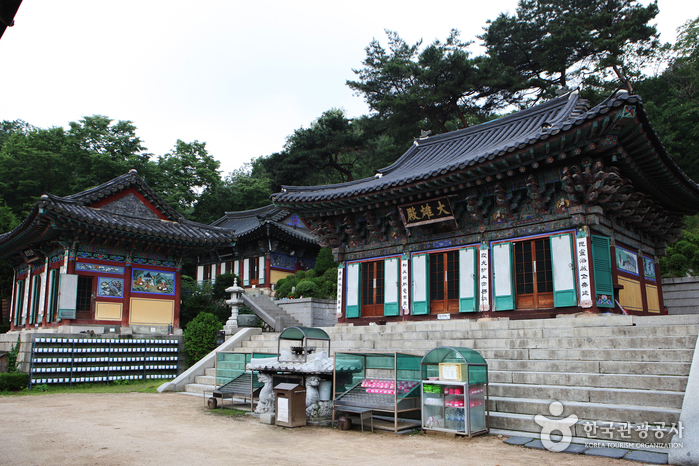
Hwagyesa Temple was built in 1522 (the seventeenth year of the reign of King Jungjong of the Joseon dynasty) by monk Shinwol, but was destroyed in a fire in 1618. It was rebuilt the following year, and expanded In 1866 through the efforts of Monks Yongseon and Beomun.
The temple also has various templestay programs for visitors. Hwagyesa Temple is located not too far from the city but also provides a natural environment.
Wondangsaem Park (원당샘공원)
8.9Km 2024-02-15
16 Haedeung-ro 32ga-gil, Dobong-gu, Seoul
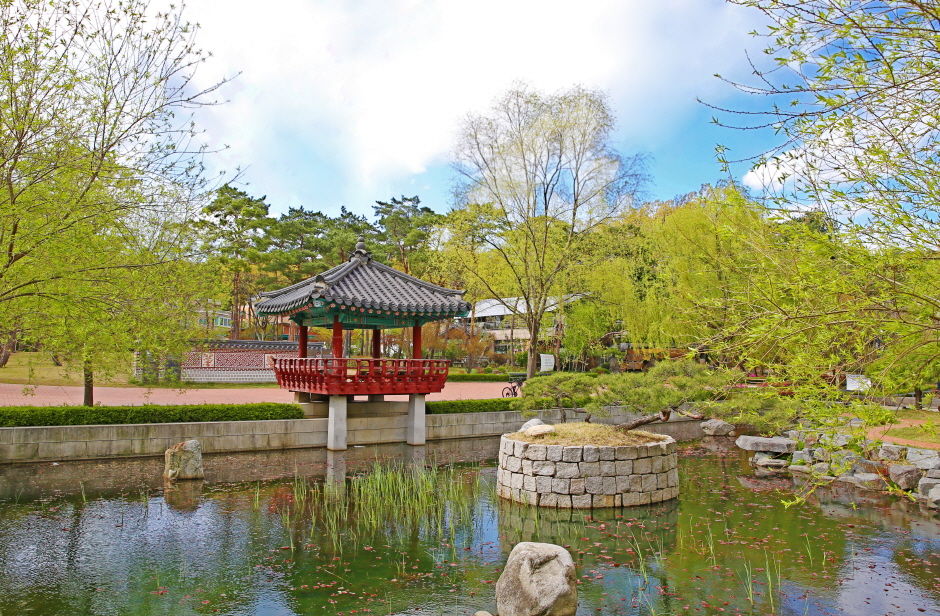
Wondangsaem Pond is named after the Wondang village, where the Yun family settled about 600 years ago. It is a park that harmoniously blends a traditional pond with a Hall of Rejoicing Pavilion called Samojeong, a wall fall, and a floral wall. During autumn, the golden foliage of an 800-year-old ginkgo tree enriches the surroundings, and a deck path around the tree offers a delightful stroll.
Seokparang (석파랑)
9.0Km 2024-09-02
309 Jahamun-ro, Jongno-gu, Seoul
Seokparang is a place built by relocating the Sarangchae of Heungseon Daewongun, the father of King Gojong of the Joseon dynasty. It boasts beautiful late Joseon-style gardens and three traditional hanok buildings. Here, one can enjoy authentic Gungjung hanjeongsik (royal Korean table d'hote) for both lunch and dinner, featuring meticulously prepared dishes such as traditional porridge, chilled salads, steamed prawns, kimchi cabbage wraps with pork, soybean paste jjigae set menu, and desserts. Diners can also savor traditional liquors crafted by artisans from across the country.
 English
 한국어
한국어 日本語
日本語 中文(简体)
 Deutsch
 Français
 Español
 Русский


