Beauty Play (뷰티플레이)
5.7Km 2025-11-14
73 Myeongdong-gil, Jung-gu, Seoul
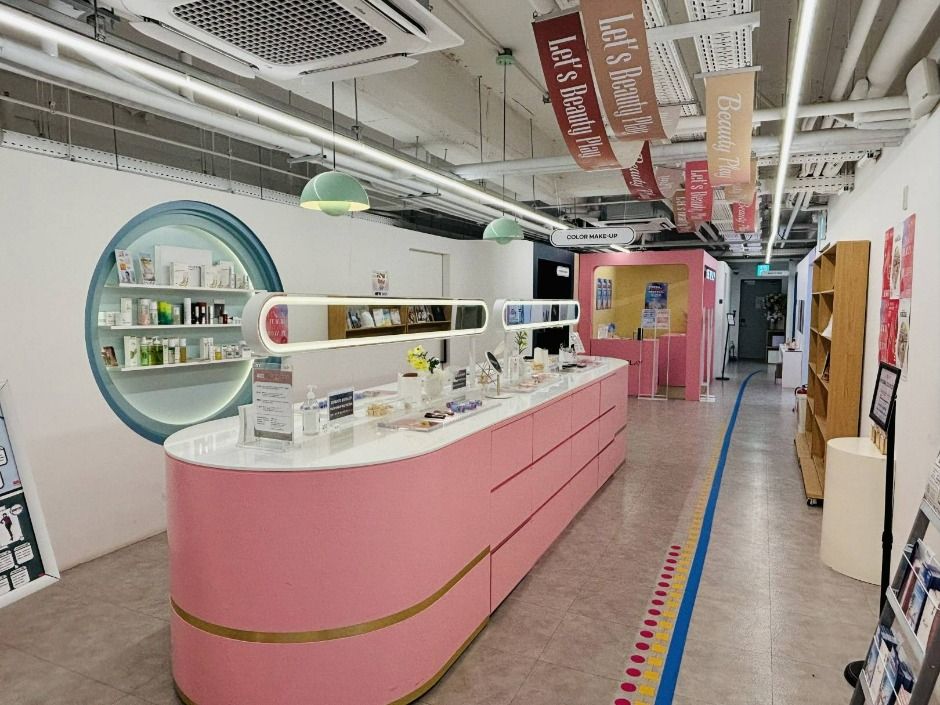
Beauty Play is a K-beauty experience center operated by the Korea Cosmetics Industry Institute and supported by the Ministry of Health and Welfare. It offers a wide variety of sample Korean beauty products for testing as well as diverse beauty experience programs such as makeup touch-up service (choice of base, eyes, or lips), personal color test, and skin evaluation. Visitors can also ask for product recommendation based on their skin type or skincare concerns. Beauty Play also frequently hosts free one-day classes, which are announced online via its official website. It also hosts a variety of sample product giveaway events and the exhibited products get changed every two months, allowing visitors to get familiarized with lesser known quality products as well.

The Children’s Museum of the National Folk Museum of Korea (국립민속박물관&국립민속박물관 어린이박물관)
5.7Km 2025-06-19
37 Samcheong-ro, Jongno-gu, Seoul
The Children’s Museum of the National Folk Museum of Korea, located within Gyeongbokgung Palace, showcases artifacts related to Korean traditional culture. This interactive museum allows children to experience and learn about various aspects of Korean traditional clothing, food, society, culture, and games firsthand. Especially catering to children from Asian countries, there is a service for renting items, and reservations are required for admission.
Seokparang (석파랑)
5.7Km 2024-09-02
309 Jahamun-ro, Jongno-gu, Seoul
Seokparang is a place built by relocating the Sarangchae of Heungseon Daewongun, the father of King Gojong of the Joseon dynasty. It boasts beautiful late Joseon-style gardens and three traditional hanok buildings. Here, one can enjoy authentic Gungjung hanjeongsik (royal Korean table d'hote) for both lunch and dinner, featuring meticulously prepared dishes such as traditional porridge, chilled salads, steamed prawns, kimchi cabbage wraps with pork, soybean paste jjigae set menu, and desserts. Diners can also savor traditional liquors crafted by artisans from across the country.
Imun Seolnongtang (이문설농탕)
5.7Km 2025-06-18
38-13 Ujeongguk-ro, Jongno-gu, Seoul
Imun Seolnongtang has been serving its hearty seolleongtang for over a hundred years since it first opened in 1907. Even its name has a long history: the word imun comes from Imun-gol, the now-obsolete name of the restaurant’s location, and seolnongtang, an old variation of the word seolleongtang. During the Japanese colonial rule, the restaurant’s regular customers included Gijeong Son, the marathon gold-medalist at the 1936 Berlin Olympics. The meal served at this restaurante is reputed to stay consistent from the Japanese colonial period.
Seoul International Writers' Festival (서울국제작가축제)
5.7Km 2025-07-30
26 Insadong 9-gil, Jongno-gu, Seoul
+82-70-8826-5207
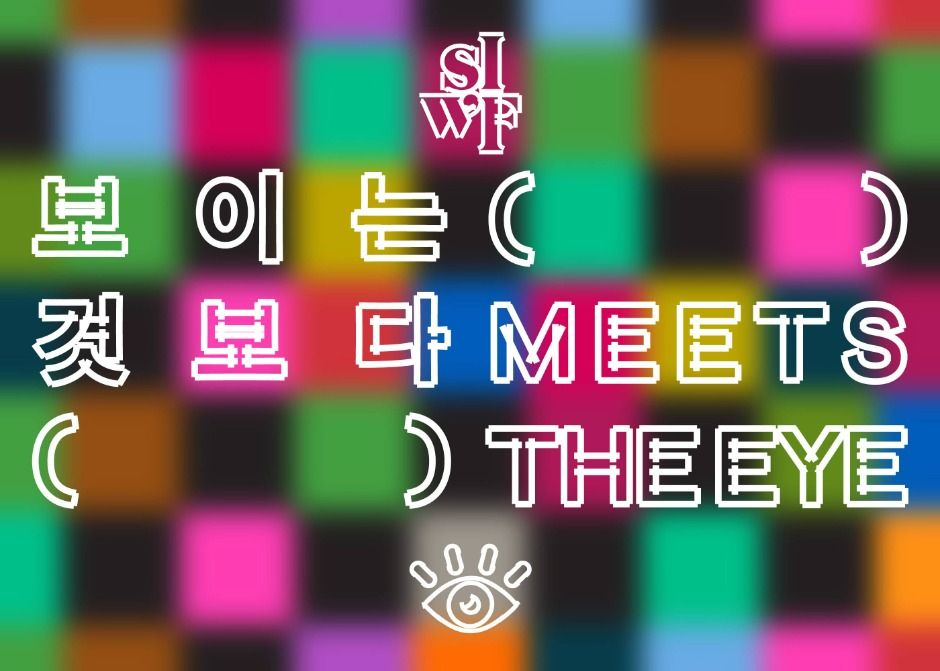
Seoul International Writers' Festival was founded in 2006 with aims to lay a foundation for connecting Korean literature and international literature. This year's theme is "() Meets the Eye," inviting attendees to explore the beauty of literature that is much more than meets the eye.
Myeongdong Guesthouse Como (명동게스트하우스 꼬모)
5.8Km 2024-12-23
12 , Toegye-ro 24-gil, Jung-gu, Seoul
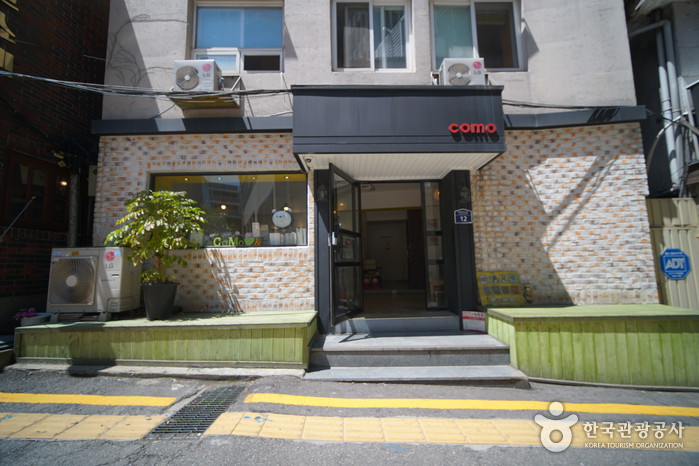
Como is a guesthouse in Jongno-gu, Seoul, just 3-minute’s walk away from Myeongdong Station on Line 4. Como is particularly popular with foreign travelers: staff are fluent in English and Chinese, and luggage storage is free of charge. Rooms come in different sizes to cater from single travelers to family groups, and all have a separate bathroom and toilet. Must-see local sights such as Namsan Seoul Tower, Sungnyemun Gate, and Namdaemun Market are easily reached by car or bus.
Insa-dong (인사동)
5.8Km 2024-05-17
62, Insadong-gil, Jongno-gu, Seoul
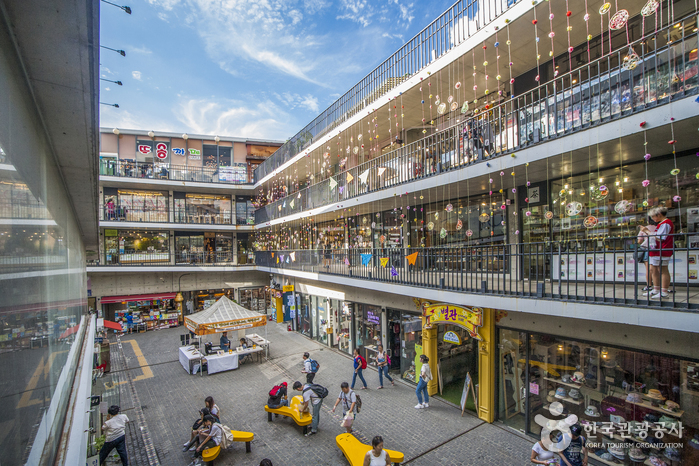
Insa-dong, located in the heart of the city, is an important place where old but precious traditional goods are on display. There is one main road in Insa-dong with alleys on each side. Within these alleys are galleries, traditional restaurants, teahouses, and cafes.
The galleries are the heartbeat of Insa-dong. There are about 100 galleries in the area offering every example of traditional Korean fine art from paintings to sculptures. The most famous galleries are Hakgojae Gallery, which functions as the center of folk art, Gana Art Gallery, which promotes many promising artists, and Gana Art Center.
The teahouses and restaurants are the perfect complement to the galleries. They are hidden deep within the twisting alleyways, making it feel like a treasure hunt. The shops in Insa-dong are very popular among all age groups, because each one is unique.
Every Saturday from 14:00 to 22:00 and Sunday from 10:00 to 22:00, the main street is blocked to vehicular traffic and it becomes a cultural space. Stores set up booths outside and Korean candy merchants and fortune teller stalls can easily be found; there are traditional performances and exhibits as well. Insa-dong is especially popular among international tourists. This is where they can experience and see traditional Korean culture first-hand, and also purchase pieces of fine art.
Myeongdong Cathedral (서울 명동성당)
5.8Km 2022-12-27
74, Myeongdong-gil, Jung-gu, Seoul
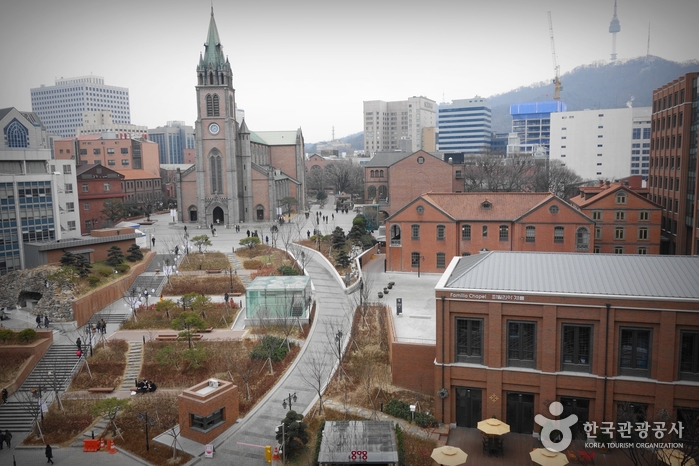
Myeongdong Cathedral is the Church for Archdiocese of Seoul and was also the birthplace for the Roman Catholic Church community in Korea. The church houses the remains of several individuals: Bishop Laurent Joseph Marie Imbert (1796-1839), and priests Peter Simon (1803-1839), James (Jacques Honor Chastan, 1803-1839) and Pourthie Jean Antoine Charles (1830-1866) and four martyrs.
Myeongdong Cathedral is located in downtown Seoul and tourists frequently come and visit the place. Near the cathedral are other tourism spots such as Namsangol Hanok Village preserving Korean traditional houses, N Seoul Tower overlooking Seoul and Namdaemun Market, a traditional market with a wide variety of food and goods.
Seoul Museum of Craft Art (SeMoCA) (서울공예박물관)
5.8Km 2025-06-19
4 Yulgok-ro 3-gil, Jongno-gu, Seoul
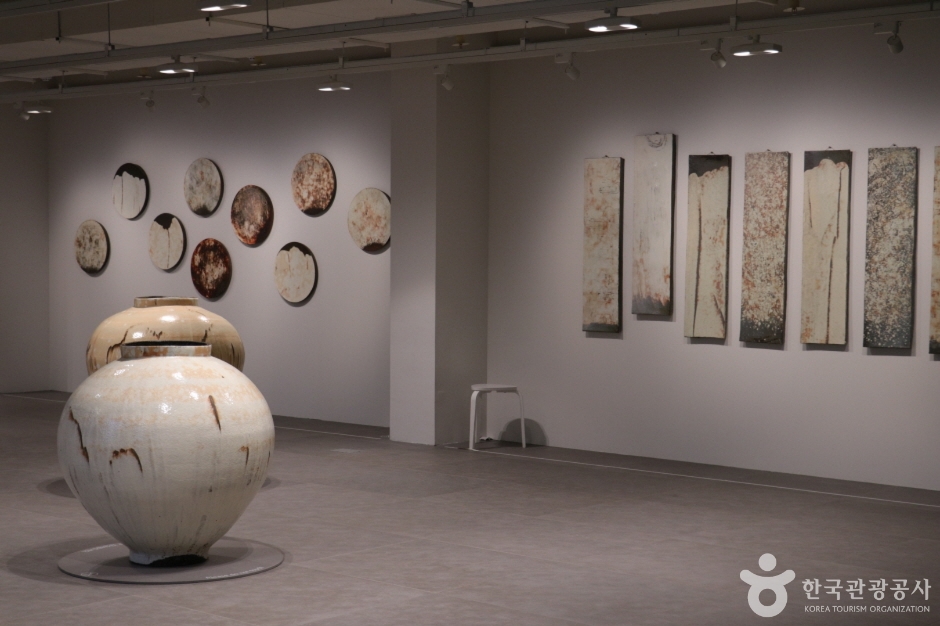
The Seoul Museum of Craft Art (SeMoCA), the first public museum of craft art in Korea, opened its doors in Anguk-dong, Jongno-gu, in July 2021 after renovating five buildings of the former Pungmoon Girls’ High School. SeMoCA studies and shares not only works, but also information, records, people, and environment related to craft art with the goal of becoming a dynamic platform for experiencing the technical, practical, artistic, and cultural values of craft.
SeMoCA holds a collection that comprises various crafts and craft materials covering multiple fields and eras from the traditional to the present. SeMoCA also holds exhibitions that feature the history of craft from traditional to contemporary art as well as local and children’s crafts, along with programs that utilize the museum’s craft installations, craft archives, craft library, and craft resource management system.
The site of the museum has deep historical roots as it is also the Andong Secondary Palace Site, where a detached palace was constructed as a royal residence for King Sejong’s son Prince Yeongeung, and served as a venue for royal celebrations, such as the wedding of King Sunjong. The site is also at the center of Jongno-gu, where Joseon-era master artisans (“gyeonggongjang”) of the royal palace produced and delivered craft works.
Namsan Octagonal Pavilion (남산 팔각정)
5.8Km 2021-06-19
105, Namsangongwon-gil, Yongsan-gu, Seoul
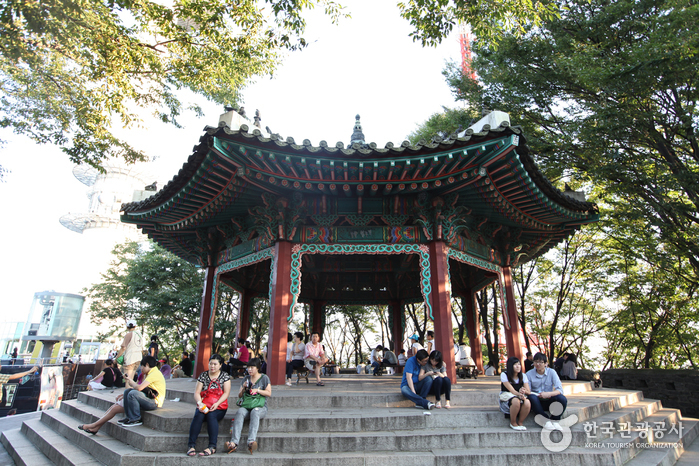
Originally known as Unamjeong Pavilion, the pavilion was built in 1959 to commemorate Rhee Syngman. It was demolished by the 4.19 movement in 1960 and was rebuilt on November 11, 1968. This pavilion now sits atop Namsan Mountain, with views covering the entirety of Seoul below. As it is a prime spot to view the first sunrise of the year, the annual sunrise festival takes place every New Year's Day.
 English
 한국어
한국어 日本語
日本語 中文(简体)
 Deutsch
 Français
 Español
 Русский


