Gangcheonsan County Park (강천산 군립공원)
17.3Km 2024-04-07
97, Gangcheonsan-gil, Sunchang-gun, Jeonbuk-do
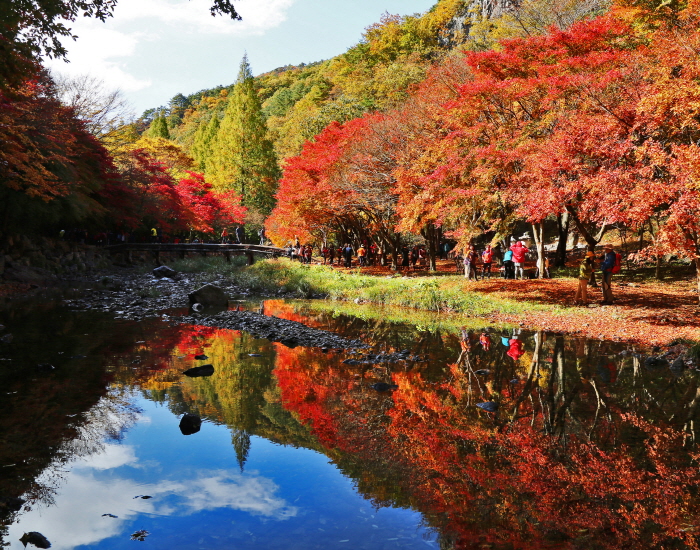
Gangcheonsan Mountain is surrounded by Gwangcheonsan Gwangjubong Peak (583.7 meters above sea level), Gwangdeoksan Seonnyeobong Peak (578 meters), and Sanseongsan Yeondaebong Peak (603 meters above sea level) in the area of 996beonji, Cheonggye-ri, Sunchang-gun, Jeollabuk-do. It is divided into small canyons and has an outstanding view with rocky mountains on all sides. The valley was called Gangcheon Valley because clean and clear water flows like a spring on the hard rocks, and all the mountains around it were called Gangcheonsan Mountain. It is said that in the past it was called Yongcheonsan Mountain, named after the shape of two dragons waving their tails toward the sky and ascending to heaven.
Following the Noryeong Mountain Range to Chuwolsan Mountain, it forms Gwangdeoksan Mountain and Yongcheonsan Mountain. On Sanseongsan Mountain (two dragons from the eastern sky to the western sky) that towers high in the sky, two dragons run east side by side. There are numerous peaks, some famous ones are, Yeondaebong, Undaebong, Suyeongbong, Cheonjabong, Gitdaebong, Gwangjubong, Gyeonjebong, and Songrakbong peaks. Between these two mountains is a very deep valley. Some of the famous valleys are, Yeondaegyegok Valley, Seonnyeogyegok Valley (Jeobujegol), Wondeunggyegok Valley (Yongdaeamgol), Buntonggol Pass, Jijigol Valley, Somokgol Valley, Samindaegyegok Valley (Hwangwoojegol), Giwoojegol Valley, Senyanggol Valley, Multonggol Valley, Chodanggol Valley, Ujakgol Valley, Dongmakgol Valley, Geumganggyegok Valley (Tapsanggol), Seungbanggol Valley, Byeondugol Valley, etc. The clear water flowing from every valley joins into one and the sound of the water crashing against the rocks and stones echoes throughout the valley and enters Gangcheonho Lake.
When spring comes, willows bloom, and when the forsythia and azaleas are in full bloom, wild cherry blossoms reach full bloom on every mountain peak. The clear and clean water flows continuously between the gravel along the valley. Visitors can cool off the heat in this river that does not collect moss either because it is too cold or clean. On Gangcheonsan Mountain, there are beautiful shrubs and maple trees, and the baby maples and baby squirrels announce the arrival of autumn among the seven different types of maple trees. The multiple trails on the mountain are not steep or too dangerous, making it popular regardless of age. It is also ideal for mountaineering and mountain-loving hikers. The scenery of the river with white snow and icicles attracts painters who want to capture the moment on a canvas. Gangcheonsan Mountain has four distinct seasons making it a popular destination all year round.
Kim Myeong-gwan's House (정읍 김명관 고택)
17.4Km 2025-01-16
72-10 Gongdong-gil, Sanoe-myeon, Jeongeup-si, Jeonbuk-do
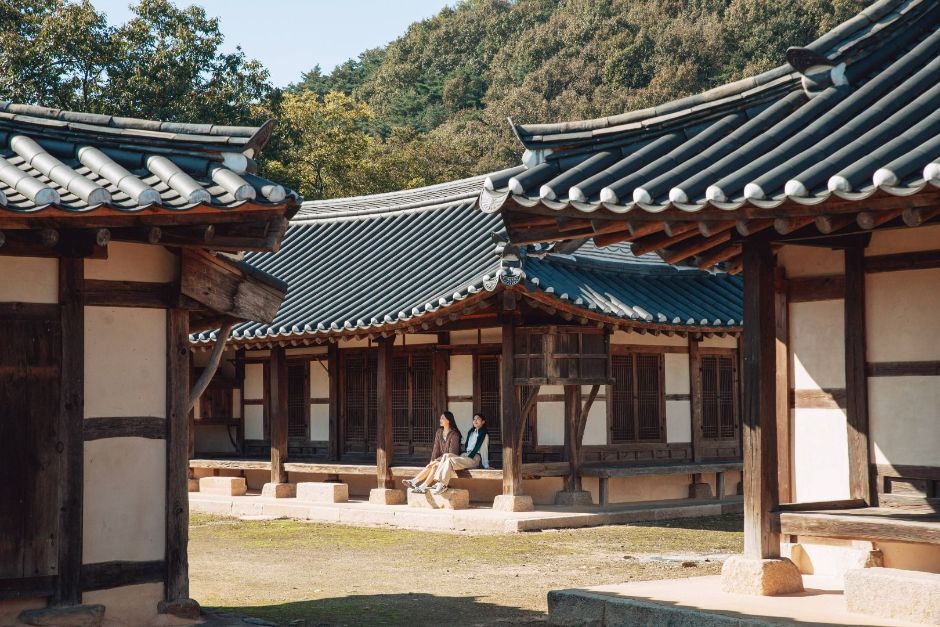
A typical example of an aristocrat's house, this residence was built in the 8th year of King Jeongjo's reign in the Joseon dynasty by Kim Myeong-gwan, the 6th generation descendent of Kim Dong-su. Kim Myeong-gwan carefully considered the principles of geomancy when choosing the location of the house, with Cheonghasan Mountain to the back and Dongjingang River to the front, and it took ten years to complete the house. Upon entering the main gate, the house reveals a balanced symmetry with the daecheongmaru (wooden floor hall) at the center. Every component of the house was placed and designed to create a balance with the surroundings and efficient movement within the premises. Because the house contains most of its original form and displays a beautiful harmony with the natural surroundings, it is regarded as valuable research material. Although there may be limitations, viewing is generally allowed.

Damyang Resort Spa (담양리조트 온천)
17.6Km 2022-12-28
202, Geumseongsanseong-gil, Damyang-gun, Jeollanam-do
Damyang Resort is a large resort complex comprised of a hotel, spa, arboretum, and event plaza. The spa is spread over a ground floor and basement floor, with both men's and women's pools, as well as many event pools and an open-air hot spring. Additional facilities include a jjimjilbang (Korean-style sauna), skincare center, and massage center. The hot springs use water with a mix of 20 minerals, including germanium, strontium, sulfuric ions, calcium, and lithium. The mineral mix helps soothe skin, relieve stress, and improve blood circulation to prevent many diseases and ailments.
Pihyangjeong Pavilion (정읍 피향정)
18.3Km 2025-01-17
2951 Taesan-ro, Taein-myeon, Jeongeup-si, Jeonbuk-do
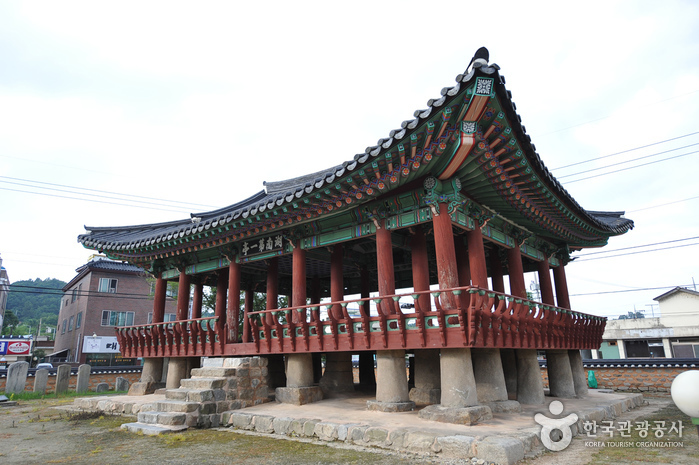
Pihyangjeong Pavilion is known to be the most outstanding pavilion in all of Jeolla region. Orignally, there were two ponds around the pavilion, but one of the ponds were filled up with soil during the Japanese period. The pavilion's name derived from the scent of water lilies that bloomed afloat on the ponds. The pavilion demonstrates all the basic components of a typical pavilion built during the Joseon dynasty and is valued as an historical example of a wooden architecture during the mid-Joseon dynasty.
Gochang-eup Sunghanok Village (고창읍성한옥마을)
18.5Km 2024-08-05
128 , Dongni-ro, Gochang-gun, Jeonbuk-do
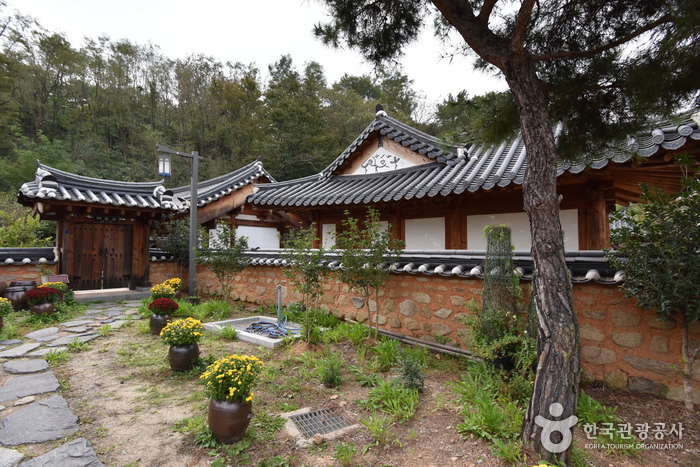
Gochangeupseong Hanok Village is a group of houses once attached to the government office inside the ancient Gochangeupseong Fortress, Gochang-gun, Jeollabuk-do. It consists of seven tile-roofed houses containing 11 comfortable guest rooms with wooden floors, equipped with toilet and AC. There is a yard, and visitors can walk a trail to Gochangeupseong Fortress and ponder the impressive 500 year-old walls. There is a pottery and an embroidery experience center, and Yangpyeong Military Art Museum, Gochang Pansori Museum, and Seonun Golf Course are all nearby. Visitors can use the village’s large parking lot.
Gochangeupseong Walled Town (고창읍성)
18.7Km 2025-01-07
1, Moyangseong-ro, Gochang-gun, Jeonbuk-do
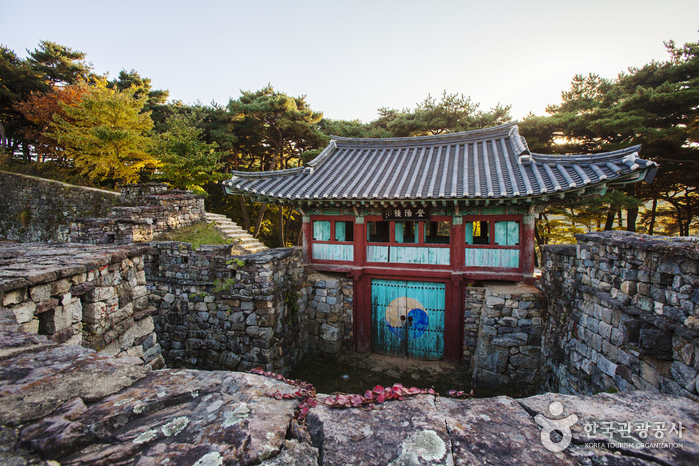
Gochangeupseong Walled Town was built in 1453 during th reign of Joseon King Danjong to protect the city from foreign invaders. The walls were built by the local civilians, using natural resources as they were available. Also called Moyangseong Fortress, the walled town served a vital role in protecting the southern region, and was designated Historic Site No. 145 on April 1, 1965. The walls are 4~6 meters high and 1,684 meters long, with three gates on the north, east, and west walls, each protected by curved walls. Inside the large area there were 22 government buildings. Restoration work on the wall has been ongoing since 1976.
Sin Jae-hyo's House (고창 신재효 고택)
18.8Km 2024-04-07
100, Dongni-ro, Gochang-gun, Jeonbuk-do
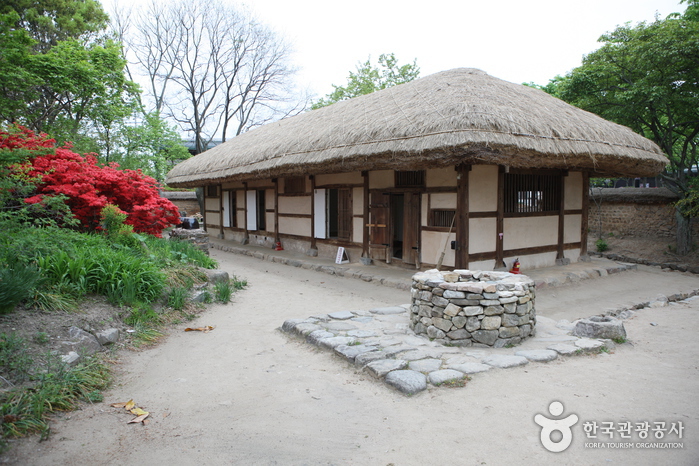
Sin Jae-hyo (1812-1884) was a legendary theorist, director, and sponsor of pansori (epic chant). Sin Jae-hyo's House in Gochang was built in 1850, and visitors can observe sarangchae (main room), an old well, and a paulownia tree preserved to this day. Sin was not a singer himself but a pansori enthusiast, and he used wealth to train potential singers and contribute to the growth of pansori. He also compiled and edited six pansori madangs (operas) titled Ttoggi Taryeong, Bak Taryeong, Simcheongga, Jeokbyeokga, Chunhyangga, and Garujigi Taryeong, of which only five are passed down. To honor his contributions and passion for pansori, Dongni Gugakdang was founded behind this house.
Gochang Pansori Museum (고창판소리박물관)
18.8Km 2024-04-06
100, Dongni-ro, Gochang-gun, Jeonbuk-do
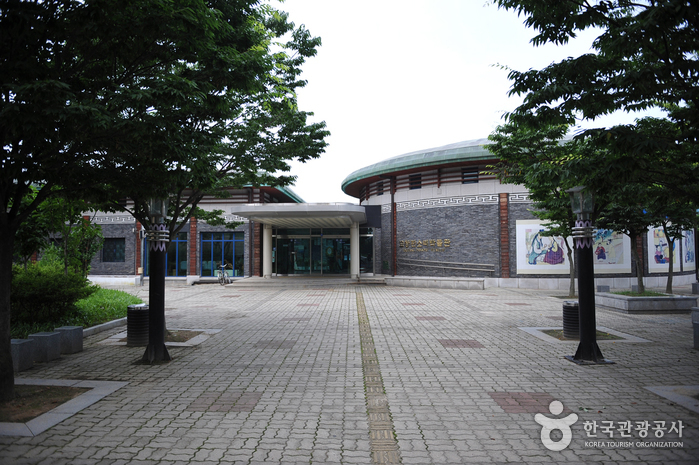
The Gochang Pansori Museum was established in the old residence of ‘Dongni’ Sin Jae-Hyo (a musical theorist and arranger and a sponsor of Pansori) with the aim of honoring the great Pansori singers of the past (including Sin Jae-Hyo) and preserving and developing the indigenous tradition of Pansori. Of the original rooms of the residence only Sarangchae (an annex where men used to study or welcome guests) has been renovated and is open to the public. Right next to Sarangchae is the Dongni Gugakdang (Korean Traditional Music Hall).
Over 1,000 pieces related to Pansori and great local singers are on display at the museum, included personal possessions once owned by Sin Jae-Hyo (penname ‘Dongni’). For those interested in learning more about the traditional art of Pansori music or experiencing high-quality Pansori, the Gochang Pansori Museum is a must-visit travel destination.
Sanoe Hanu Village (산외한우마을)
19.2Km 2024-04-07
450 Sanoe-ro, Sanoe-myeon, Jeongeup-si, Jeonbuk-do
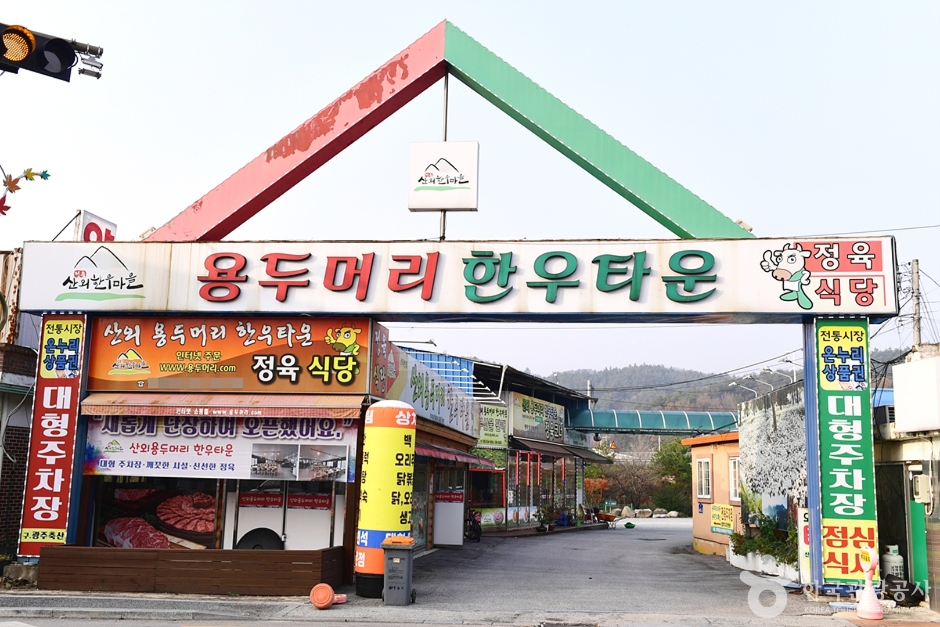
Sanoe Hanu Village is situated approximately 30 minutes from downtown Jeongeup. This establishment exclusively deals in hanu (Korean beef), facilitating direct transactions between producers and businesses, which allows for lower prices due to its family-oriented business model. Here, visitors can savor delicious, nutritious, and affordably priced beef. Most shops at the village function as both butcher shops and restaurants, so one can select their preferred cut of meat. Upon ordering, guests will receive a simple table setting, which includes five to six side dishes, priced at around 5,000 won per person, and the chosen meat will be served.
Hoemunsan National Recreational Forest (국립 회문산자연휴양림)
19.3Km 2024-04-07
249, Ansim-gil, Sunchang-gun, Jeonbuk-do
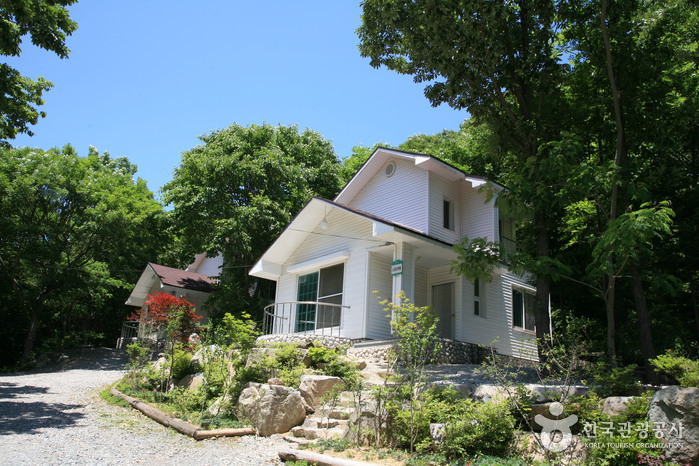
Hoemunsan National Recreational Forest, located in Sunchang, Jeollabuk-do, opened in 1993 with a daily maximum limit of 500 people. There’s a waterfall next to the rock gate near the entrance of the forest and a suspension bridge further ahead. Above the suspension bridge is an observatory that provides visitors with a panoramic view of the area. The 5.5 kilometer path to the peak has various types of trees and flowers and also houses many different types of birds. The forest has many facilities including a water playground, exercise machines, volleyball court, pagoda, walking trails, and hiking trails.
 English
 한국어
한국어 日本語
日本語 中文(简体)
 Deutsch
 Français
 Español
 Русский


