
Baegyangsa Temple (백양사)
5.8Km 2025-03-15
1239 Baegyang-ro, Bukha-myeon, Jangseong-gun, Jeollanam-do
Baegyangsa Temple is a historic temple built in the 6th century located on Baegamsan Mountain. Walking through the forest path, visitors are greeted by a serene lake overlooked by Ssanggyeru Pavilion at the entrance of Baegyangsa Temple, creating a picturesque scene especially during autumn with its vibrant foliage. Surrounding the temple are over 5,000 torreyas, some over 500 years old, lending a lush ambiance to the area. Baegyangsa Temple is picturesque in every season and offers temple stay programs for visitors seeking a serene retreat.
Namchanggyegok Valley (남창계곡)
6.4Km 2021-07-27
Namchang-ro, Jangseong-gun, Jeollanam-do
Namchanggol Valley, located at the foot of Ibamsan Mountain with a x_height of about 654 meters, belongs to the southern part of Naejangsan National Park (Namchang District). It consists of six valleys, including Sanseong, Eunseon-dong, and Banseok-dong (Saejaegyegok Valley). Nearby there is the Chonnam National University training center and beautiful surrounding scenery. Despite being well-known, visitors can enjoy their time without being crowded making it a very good summer resort. Hermitages such as the famous Baegyangsa Temple, Yaksaam Rock, and Yeongcheongul Cave, Jangseongho Lake and Bija grove are nearby as well. In particular, Ibamsanseong Fortress located in the upper reaches of the valley is Pogoksiksanseong Fortress built during the Samhan Period and designated as National Historic Site No. 384.
The Namchang Valley Nature Observation Trail, which is about 730 meters long, is equipped with various information boards and experience facilities related to nature learning, making it a good place for ecological learning. The nature observation path has themes to provide visitors with a variety of attractions, and the long stretch of cedar forest is also a must-see. In autumn, the maple leaves from the maple trees fall into the valley water creating a stunning scenery.
Jeongeupsa Culture Park (정읍사문화공원)
7.6Km 2024-04-07
Sigi-dong, Jeongeup-si, Jeonbuk-do
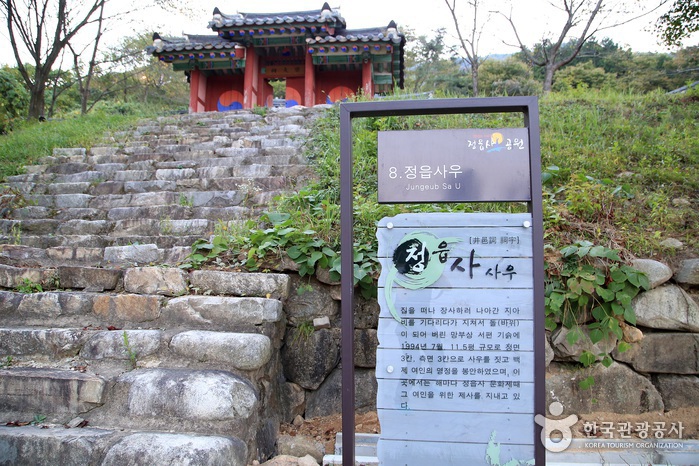
Jeongeupsa Culture Park (located in Sigi 3-dong in downtown Jeongeup-si) was built in honor of ‘Jeongeupsa’ a famous Baekje Gayo (a type of poem from the Baekje dynasty). Jeongeupsa is the only poem of the five Baekje Gayos (Jeongeupsa, Mudeungsangok, Bangdeungsangok, Seonunsangok, and Jirisangok) recorded in Hangeul that remains in existence today.
The park, built on the location where the epic poem took place, boasts a 2.5-meter high granite statue of the heroine of Jeongeupsa. Nearby the statue are a shrine and a 2-meter wide monument commemorating the poem. Located in the vicinity are the Jeongeupsa Art Center, the Korean Classical Music Center, the city library, and an outdoor stage.
Herb One (정읍 허브원)
8.3Km 2024-12-03
188-29 Guryang 1-gil, Jeongeup-si, Jeonbuk-do
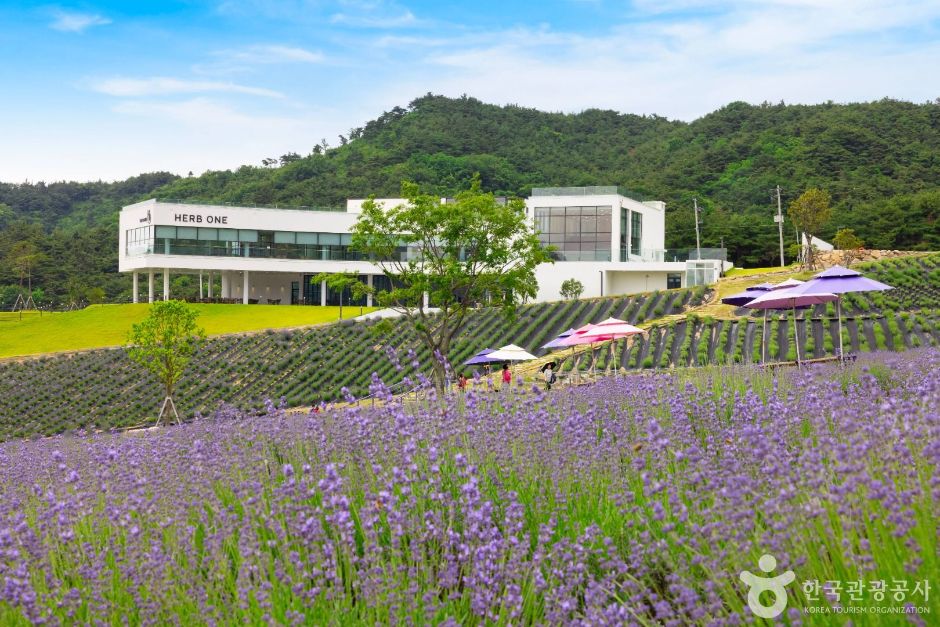
Herb One hosts a Lavender Festival every year during the lavender blooming period. It has over 300,000 Lavenders and 40,000 Lavandin, covering the area purple. There are also sunflowers and cosmos to please the eyes.
Baegyang Tourist Hotel (백양관광호텔)
8.9Km 2025-01-07
941, Baegyang-ro, Jangseong-gun, Jeollanam-do
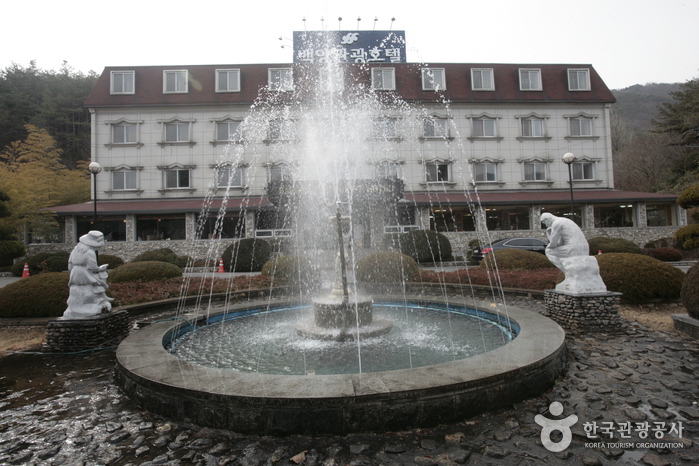
Baegyang Tourist Hotel is located next to Baegyangsa Temple at the foothills of Naejangsan Mountain. The rooms offer beautiful views of nature all year round, with some rooms showing the magnificent mountain while others showing a bird's-eye-view of the hotel's garden. The hotel is perfect for family vacations and business trips.
Jeongeup Ssanghwacha Street (정읍 쌍화차거리)
9.5Km 2025-01-09
147 Jungang 1-gil, Jeongeup-si, Jeonbuk-do
This unique street, known for its cafés selling ssanghwacha, is located along Jungang 1-gil, which is about 200 meters from Jeonbuk Jeongeup Police Station, right in the heart of downtown Jeongeup. Ssanghwacha is a traditional Korean tea made by brewing ssanghwatang, an herbal concoction that includes ingredients like white woodland peony, Chinese foxglove, angelica root, cinnamon, and licorice. Often, to cater to personal tastes, nuts such as walnuts and pine nuts, along with egg yolk, are added to the brew. This tea is particularly favored by middle-aged Koreans and is commonly consumed for its restorative properties when one is suffering from a cold or feeling run-down. The flavor is distinctively herbal with a bitter edge and a sweet finish. At the street’s entrance, a sculpture featuring a ssanghwacha teapot offers a warm welcome to visitors. The renowned Ssanghwatang Teahouse, with a history spanning over 30 years, remains a strong presence on this street, accompanied by about ten other large and small teahouses specializing in ssanghwatang. These cafés typically serve traditional Korean desserts like garaetteok (rice cake stick) and nurungji (scorched rice), which complement the herbal tea perfectly.
Jangseongho Tourist Area (장성호관광지)
9.5Km 2025-01-08
591-8, Baegyang-ro, Jangseong-gun, Jeollanam-do
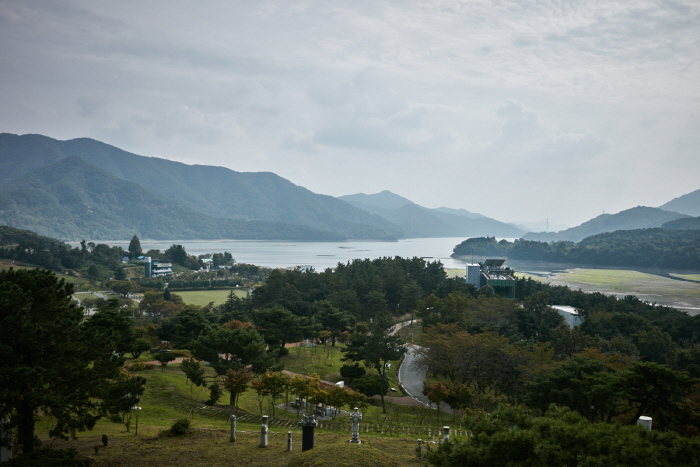
Jangseongho Tourist Area is located south of Naejangsan National Park, in Jangseong, known as the hometown of Hong Gil-dong, a Korean Robin Hood. The lake was made by the damming of Hwangnyonggang River, and holds up to 89.7 million tons of water, filled with many freshwater fish species. In addition, the walking path along the 603-meter-long embankment attracts many tourists with beautiful views of the mountains and lake. Cruise ferries and motorboats also cross the lake. Nearby attractions include Ibamsan and Baegamsan Mountains, Namchanggyegok Valley, Baegyangsa and Naejangsa Temples, Gosanseowon Confucian Academy, Bangjangsan Recreational Forest, and more.
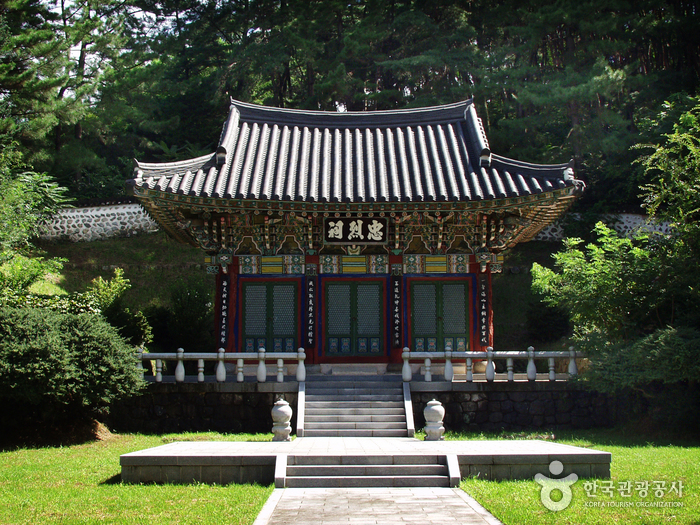
Chungnyeolsa Temple (충렬사)
9.7Km 2024-04-07
228-13, Chungjeong-ro, Jeongeup-si, Jeonbuk-do
Located in Jeongeup, Jeollabuk-do, Chungnyeolsa Temple was established as a shrine to embody the spirit of Admiral “Chungmugong” (honorific title in military) Yi Sun-Sin. He was a great national hero who led the Korean navy to victory in many naval battles using innovative ‘turtle ships’ during the Imjin War (1592-1598).
Situated in the heart of Gumisan Mountain overlooking the city of Jeongeup, the temple is the location of a memorial ceremony held every 28th of April, the birthday of Admiral Yi. The ceremony is meant to pay tribute to the memory of the naval hero and his irreproachable service to the city. Yi Sun-Sin had been appointed as reeve of Jeongeup in 1589 but soon after in 1591 he left the post to work as the chief naval officer of the Jeolla region.
Wunder Fuel (분더퓨얼)
9.8Km 2025-01-16
249 Chungjeong-ro, Jeongeup-si, Jeonbuk-do
Wunder Fuel is a cafe cafelocated in Jeongeup, Jeonbuk-do. It was renovated and redesigned from an old gas station, keeping the vintage charm while creating an eye-catching look with vivid colors. The cafe's signature menu items are Nutty Combination, a coffee latte beverage with an espresso shot, milk, and peanuts; Choco Butter Pudding, a chocolate croissant topped with a scoop of vanilla ice cream; and Pure Cream Latte, a delicious coffee topped with rich cream. The cafe also sells coffee beans and its unique merchandise like eco bags, tumblers, and mugs. The interior is designed to create an Instagrammable vibe, equipped with a photo zone.
European Village Engelberg (유럽마을 엥겔베르그 )
11.9Km 2025-01-20
503 Chungjeong-ro, Jeongeup-si, Jeonbuk-do
European Village Engelberg is a village-style resort that consists of a senior townhome and a wellness resort. All buildings are built with wood and inspired by European-style architectural design. Derived from a village in Swizterland, the name means "Angel's Mountain," and the European Village Edenberg overall demonstrates a striking resemblance to cities and villages in Switzerland or southern Germany.
 English
 한국어
한국어 日本語
日本語 中文(简体)
 Deutsch
 Français
 Español
 Русский


