
World Cup Park (월드컵공원)
15.3Km 2024-10-23
243-60 World Cup-ro, Mapo-gu, Seoul
Opened on May 1st, 2002, the Wolrd Cup Park was once a 15-year-old landfill that held over 92 million tons of garbage. The park is located near Seoul World Cup Stadium, and is made up of five smaller parks - Pyeonghwa (Peace) Park, Haneul (Sky) Park, Noeul (Sunset) Park, Nanjicheon Park, and Nanji Hangang Park.
* Pyeonghwa Park: Closest to Seoul World Cup Stadium, it holds a pond, garden, children’s playground, and forest. As a representative park of World Cup Park, the park was designed in hopes of peace and harmony between mankind and nature. It is often used as a picnic area and place for nature studies.
* Nanji Hangang Park: Nanji Hangang Park was developed on the banks of the Hangang River. In contrast to other Hangang River parks, Nanji Hangang Park is a water-friendly park that has a gradual slope towards the riverbank. The park consists of a camping ground, soccer field, basketball court, grass field, cruise ship port, and an area for nature studies.
* Haneul Park: Haneul Park consists of vast grassland located at the highest elevation of the five parks. The park's pasture is covered with eulalias and wild flowers in their most natural state. In addition, 30,000 butterflies of different species were introduced in 2000 to stabilize the ecosystem. Five wind-powered generators provide power to the park and the park’s maintenance office. Once a mountain of garbage, it is now a green hill with 22 lookout points offering breathtaking views of Seoul, including the N Seoul Tower, Bukhansan Mountain, and Hangang River. Tall trees are line the park to provide shades and serve as resting spots for visitors. As a popular spot to enjoy the sight of eulalias, the park usually remains open until late in the evening during the Eulalia Festival period.
* Noeul Park: In order to prevent the vast area of land of what was once a wasteland from becoming an unnecessary chunk of land, a nine-hole golf course was constructed in what is now known as Noeul Park. The golf course serves as an environment friendly entertainment park to visitors while stabilizing the geographical formation and has an urban park nearby that offers scenic views of the Hangang River and beautiful sunset. Located west of the golf park is Noeul Square, decorated with shrubs and flowers.
* Nanjicheon Park: Nanjicheon Park was developed from the Nanji Stream, which flowed under Haneul Park. It was once overflowing with sewage runoff from a nearby landfill, but it has since been beautifully restored into a park with clear water. The park is built to serve as a recreational spot for those with for youths, elders, and people with disabilities.
Odusanseong Fortress (파주 오두산성)
15.3Km 2024-12-03
Seongdong-ri, Paju-si, Gyeonggi-do
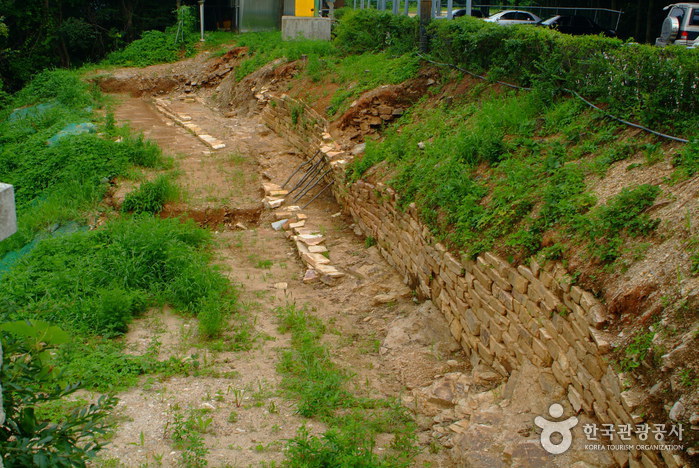
Odusanseong Fortress is built around the strategic summit of Odusasn Mountain. The walls stretch across roughly 620 meters and were built during the Baekje dynasty. The fortress is built on the intersection of the Imjingang River and the Hangang River on the summit of Odusan Mountain (119 meters). The mountain’s slope is steep and stones used in the construction of the fortress walls are scattered here and there at the summit. These scattered stones are evidence that the fortress underwent repairs several times during the Samguk (Three Kingdoms) era and the Joseon dynasty, as these stones were evidently quarried and used to mend the fortress walls. Excavations have discovered a great deal of earthenware, white porcelain, tile, and iron arrowheads. Topographically, the fortress sits on a prime strategic junction and the Unification Observatory has been situated there as well. The fortress stands as an important object of study concerning fortifications and structures from the Baekje dynasty. It has been recorded on the stele of King Gwanggaeto, Samguksagi (History of the Three Kingdoms), in the Naekjebongi (Baekje Annals) and on Daedongyeojido (Map of Korea) that the fortress was the Gwanmi Fortress of Baekje, attracting many scholars and researchers interested in this period.
Seoul Battleship Park (서울함공원)
15.6Km 2025-07-14
407 Maponaru-gil, Mapo-gu, Seoul
Seoul Battleship Park is the city's first-ever battleship-themed park established through a sisterhood relationship with the city of Seoul and by using three retired vessels - Seoul-ham, Chamsuri, and a submarine - that had retired after serving the mission of protecting Korea's waters for 30 years. The three vessels whose original appearances have been preserved intact offer unique exhibits and entertainment and aim to present a special experience to citizens who visit Seoul Hangang Park through new and exciting things to see and enjoy.
Songa Myeonok (손가면옥)
15.8Km 2024-10-15
313 Sinheung-ro, Wonmi-gu, Bucheon-si, Gyeonggi-do
Established in 1994, Songa Myeonok is a renowned naengmyeon (cold buckwheat noodles) restaurant in Bucheon. Its signature dishes include bibim naengmyeon (spicy buckwheat noodles) and hoe naengmyeon (cold buckwheat noodles with raw fish). These dishes are celebrated for their chewy noodles and a refreshing blend of sweet and sour seasonings. Boasting a spacious parking lot and a comfortable interior, the restaurant is a popular choice for family outings and group gatherings.
Sunset Leisure 435 (썬셋레저 435)
15.9Km 2023-07-04
서울특별시 마포구 망원동 205-5
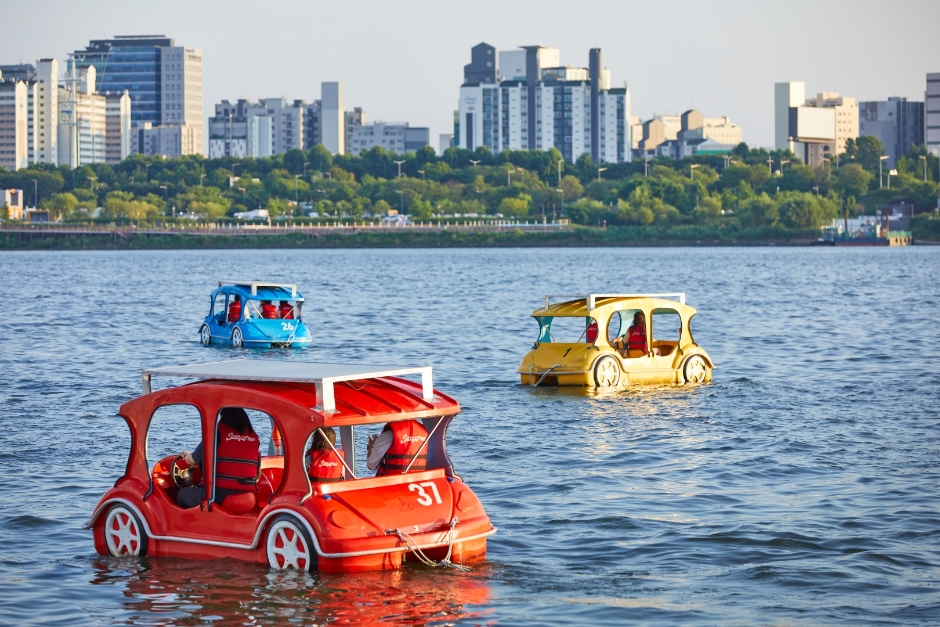
Mangwon Hangang Park is famous for its amenities, and what better than the iconic duck boat to get the most out of Hangang River? Hangang River is a wide river ranging up to 1 - 2km in x_width, so go for a joyride with duck boats on the river. One can also opt for electric boats for a more comfortable experience, depending on one’s preferences and the group size. Duck boats are particularly popular on the weekends and holidays, so it is recommended to place reservations before heading there.
Starbucks Buckhansan (스타벅스 더북한산)
15.9Km 2024-12-27
24-11 Daeseomun-gil, Eunpyeong-gu, Seoul
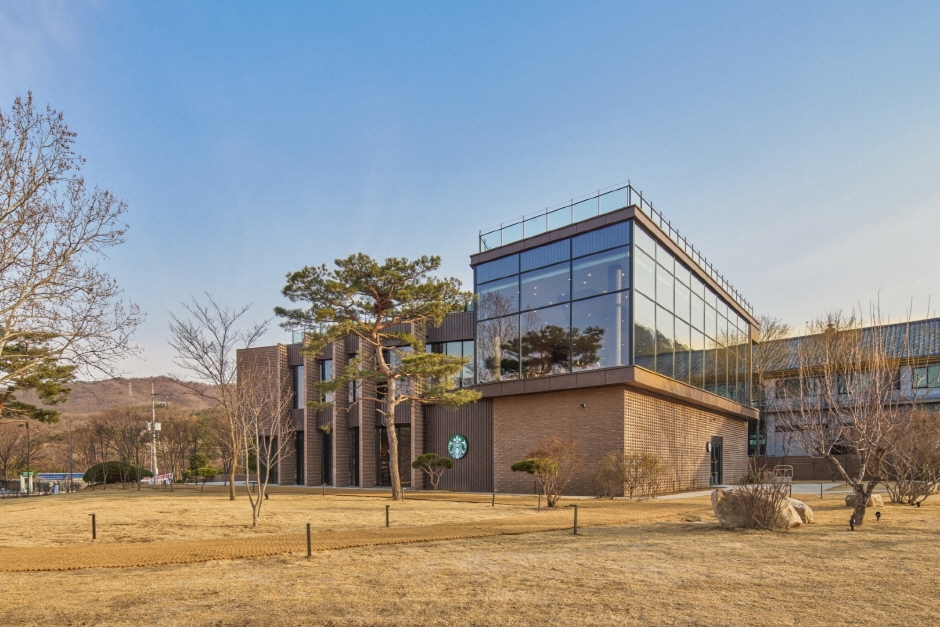
'"The" store, panoramic view of Bukhansan Mountain and garden
Starbucks Bukhansan is the third Destination Store by Starbucks. It features a “Healing in Nature” concept that beautifully combines the natural beauty of Bukhansan Mountain with various landscape spaces and offers breathtaking views of Bukhansan Mountain.
Starbucks Bukhansan store is currently the most loved and trending place in Korea, and it ranked first in the “2023 Best Restaurants Voted by Locals VS Foreigners” list announced by the Korea Tourism Organization.
Starbucks Bukhansan proudly offers the store's exclusive Bukhansan Lemon Earl Grey Blended beverage, and Crafted Food available only at some Starbucks stores. There is a photo zone on the 3F rooftop to take memorable pictures. These are the reasons why many customers consider it one of the top locations to have a special Starbucks experience.
Jingwansaggyegok Valley (진관사 계곡)
15.9Km 2024-02-20
73 Jingwan-gil, Eunpyeong-gu, Seoul
Jingwansaggyegok Valley is a 1km-long stream located within the Bukhansan National Park, with clear water always flowing. Surrounded by deep forests, it offers refreshing shade and clean air. The valley features various shaped rocks and waterfalls, creating a beautiful scenery. In particular, it's a great spot for water activities with the cool shade and refreshing stream during the summer, and the autumn leaves make it stunning in the fall. Its accessibility from downtown Seoul adds to its appeal.
Museum HEI (뮤지엄헤이)
15.9Km 2024-10-04
885-43 Pyeonghwa-ro, Tanhyeon-myeon, Paju-si, Gyeonggi-do
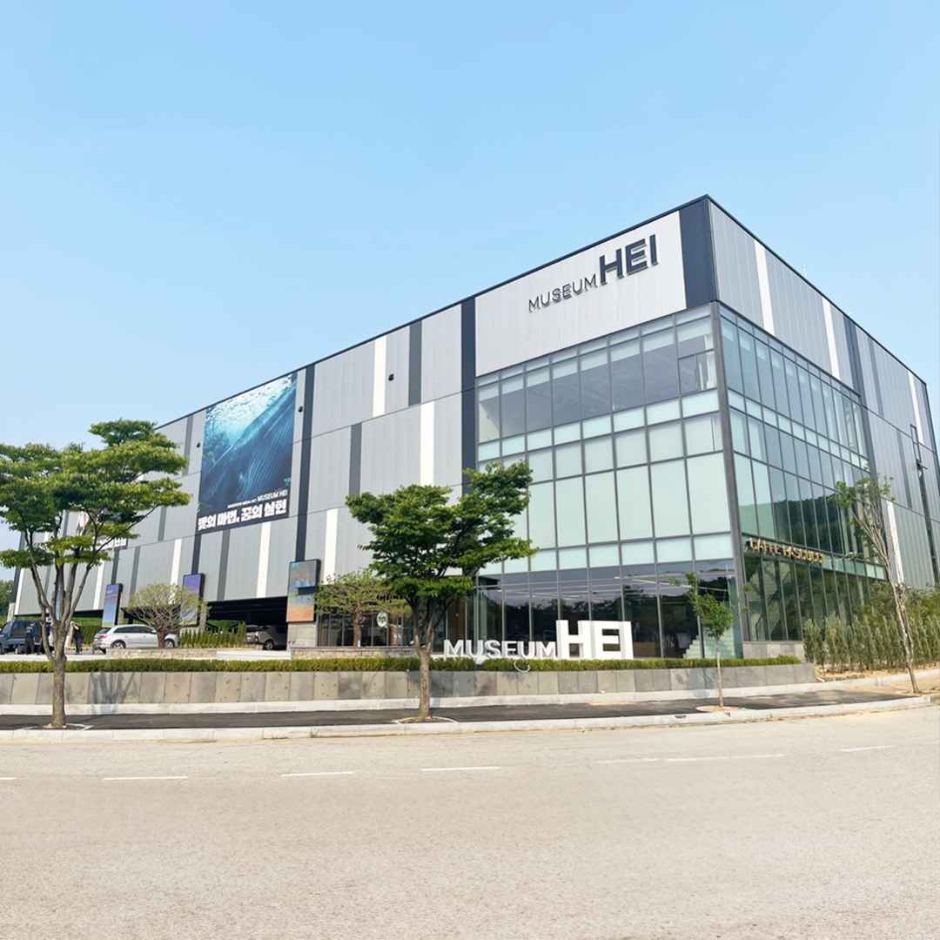
Museum HEI is a large media art gallery located in Paju, named after the common greeting in Finland, the world's happiest country. The gallery features 20 different themed contents, all under the overarching concept of "beautiful moments in life."
![Jingwansa Temple (Seoul) [진관사(서울)]](http://tong.visitkorea.or.kr/cms/resource/33/3429433_image2_1.JPG)
Jingwansa Temple (Seoul) [진관사(서울)]
15.9Km 2025-06-30
73 Jingwan-gil, Eunpyeong-gu, Seoul
Jingwansa Temple is one of the four Buddhist temples that surround Seoul. It was known as the center of Buddhism and academics. Jingwansa Temple is home to a variety of buildings, such as Daeungjeon Hall, Myeongbujeon Hall, and Nahanjeon Hall, all surrounded by the beautiful nature of Bukhansan Mountain. In fact, the temple complex is a popular fall destination for its fall colors. Visitors can also visit the nearby Eunpyeong Hanok Village.
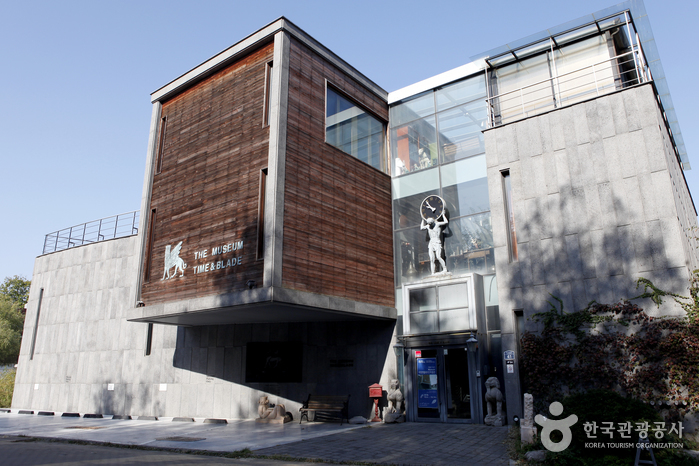
Time & Blade Museum (타임앤블레이드 박물관)
16.1Km 2021-11-30
41, Heyrimaeul-gil, Paju-si, Gyeonggi-do
The Time & Blade Museum features two floors filled with items that have shaped the development of humankind. There are many clocks and watches on display, with the largest hall dedicated to skeleton clocks. The museum also displays the parts that make up a clock and the tools used to create them.
 English
 한국어
한국어 日本語
日本語 中文(简体)
 Deutsch
 Français
 Español
 Русский


