
Bulhoesa Temple (Naju) (불회사(나주))
17.5Km 2026-06-30
1224-142 Dado-ro, Dado-myeon, Naju-si, Jeonnam-Gwangju Special Metropolitan City
Bulhoesa Temple is a temple located in the middle of Deongnyongsan Mountain. It exudes a simple yet devout atmosphere. Behind it lies a beautiful forest of camellia trees. At the entrance of the temple, there are two stone Jangseung figures estimated to have been made around 1719. Jangseung is a traditional Korean cultural symbol believed to ward off evil spirits, and they are sculpted with comical expressions, providing an amusing sight for visitors.
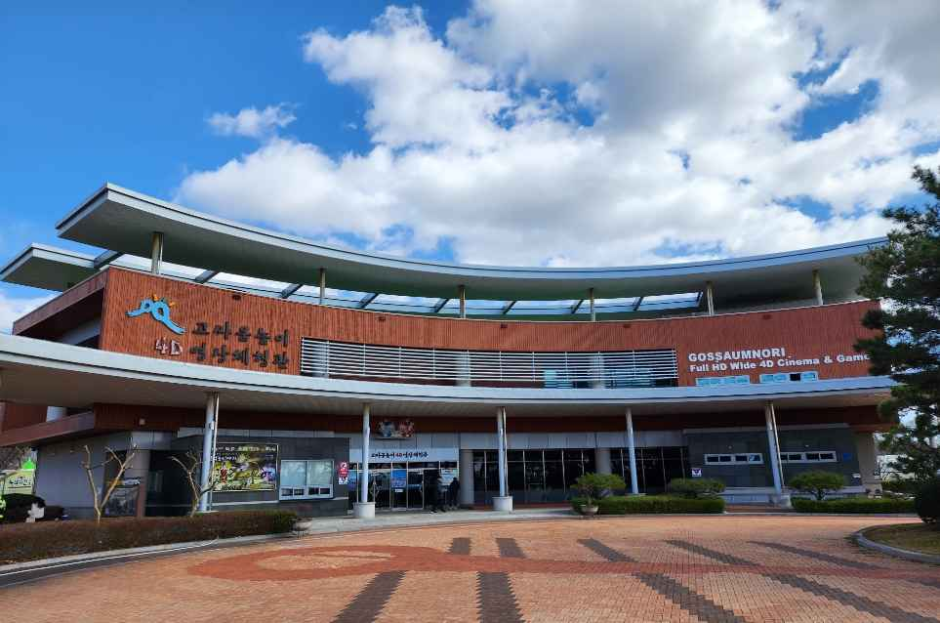
Gossaumnori Theme Park (고싸움놀이테마파크)
17.5Km 2026-06-30
2 Gossaum-ro, Nam-gu, Jeonnam-Gwangju Special Metropolitan City
Gossaumnori Theme Park was built over five years to preserve and develop the traditions of Gossaum, a local type of tug-of-war game. The park comprises a training center, video experience hall, folk game experience center, and outdoor performing hall.
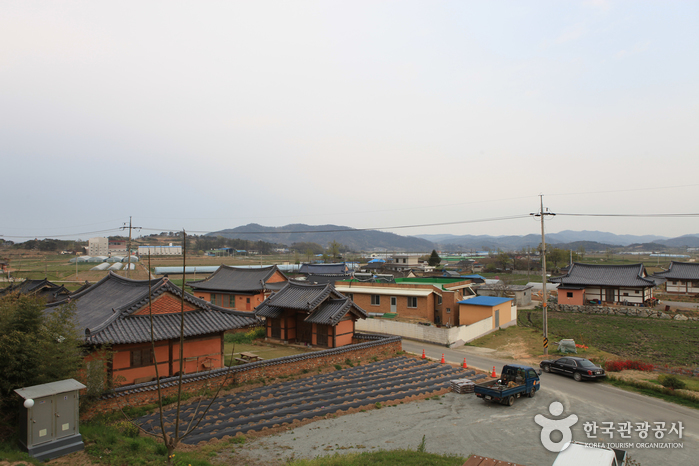
Mopyeong Village (모평마을)
19.1Km 2026-06-30
80, Sangmo-gil, Hampyeong-gun, Jeonnam-Gwangju Special Metropolitan City
Located in Hampyeong-gun, Jeollanamdo, Mopyeong Village is a scenic farming village that is rich in tradition and history. From the moment you start walking down the stonewall-lined path into town, this small village will capture your heart. The village’s important history (including its title as the origin of Hampyeong-gun of Jeollanam-do Province) is evident in everything you see: from the traditional houses to the 500-year old forest. The area is home to 27 historical and cultural sites and the beautiful Haebochoen Stream, which is shaded by over 40 different types of trees including zelkova trees, nettle trees, and willow trees. Some of the town’s traditional houses, which are about 80 years old, offer guesthouse accommodations to tourists. They include Mopyeongheon, Sopungga and Hisomun (a house made of yellow sod).
In addition to the beautiful country scenery, there is a great selection of available programs that highlight the area’s specialties, including: mulberry-picking, silkworm-feeding and Korean traditional sauce-making. You can also visit a traditional watermill, which has been restored, and swim and splash around in the forest stream. Visitors are encouraged to try their hand at making green tea cakes at the traditional teahouse nearby.
The area of Mopyeong is full of things to entertain visitors, including a number of attractions and special events. Some of the area’s most praiseworthy attractions are the Hampyeong Butterfly Festival, the Cluster Amaryllis Festival in Yongcheonsa Temple, the Chrysanthemum Festival, and the Hampyeong Eco Park and Folk Museum.
Other towns well worth a visit in the Mopyeong area are Hamo Maeul, Ungok Maeul and Wonsan Maeul. A stay at Wonsan Maeul gives visitors a chance to experience firsthand the reality of an agricultural lifestyle by doing some activities like mulberry-picking. For a more low-key trip, make your way over to Ungok Maeul, where you can enjoy the fantastic scenery at the lake or take a relaxing walk along the hiking trails of Mt. Wolyangsan.
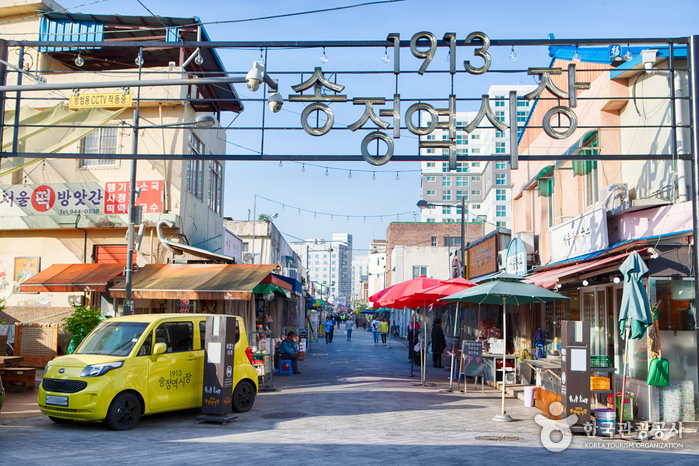
1913 Songjeong Station Market (1913송정역시장)
19.4Km 2026-06-30
13 Songjeong-ro 8beon-gil, Gwangsan-gu, Jeonnam-Gwangju Special Metropolitan City
Songjeong Station Market was opened in 1913 in connection with the opening of Gwangju-Songjeong Station. For many years, the market was the go-to-place for necessary items and produce, but with the increase of large supermarts in the 1990s, people began to visit traditional markets less and less. In order to increase the liveliness of Songjeong Station Market and showcase the difference between modern marts and a traditional market, the entire space was redesigned around the theme of time.
The newly redesigned 1913 Songjeong Station Market, located just across the street from Gwangju-Songjeong KTX Station, has a bright appearance with modern-styled architecture and signboards detailing the history of the various shops. Visitors can enjoy all the classic market foods here, such as hotteok (hot griddle cakes), gyeran bap (rice with egg), and eomuk (fish cake).
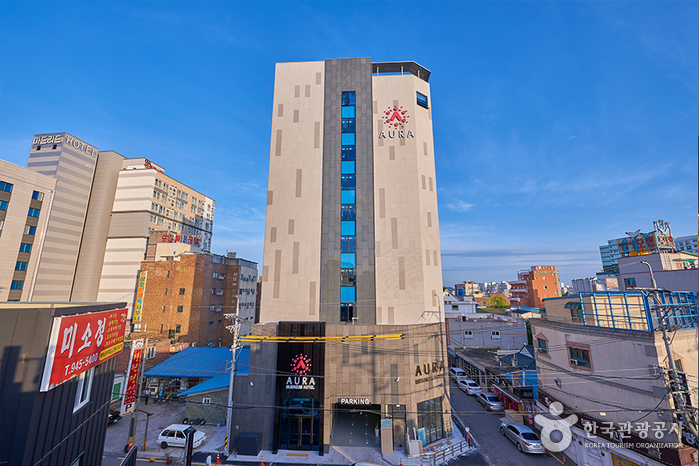
Gwangju Aura Hotel (광주 아우라 비즈니스 호텔)
19.6Km 2026-06-30
28 , Songjeong-ro 1beon-gil, Gwangsan-gu, Jeonnam-Gwangju Special Metropolitan City
The Aura Hotel in Gwangju, Jeollanam-do, is a business hotel directly opposite KTX Songjeong Station, which offers clean and comfortable rooms with spacious bathrooms and an elegant atmosphere. Transport connections are good, with Gwangju Airport and Gwangju 2nd Ring Road just 10 minutes away, Must-visit Gwangju sights Songjeong Tteokgalbi Street, 1913 Songjeong Old Market, and Songjeong 5-Day Market are also nearby.
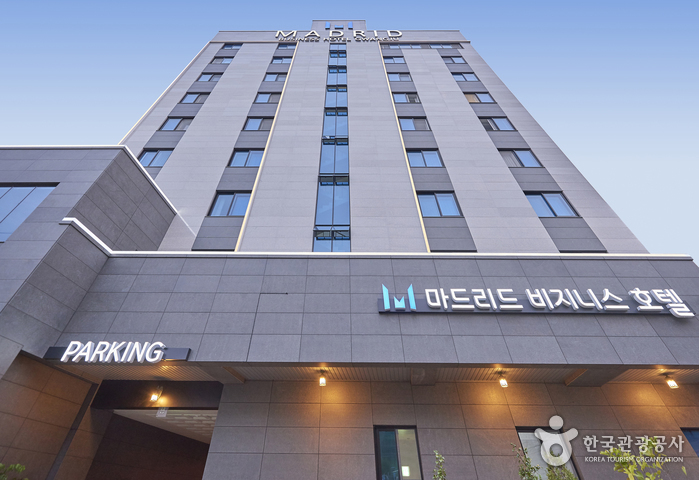
MADRID Business Hotel Gwnagju (유)한성 마드리드 광주호텔)
19.7Km 2026-06-30
11 , Gwangsan-ro 19beon-gil, Gwangsan-gu, Jeonnam-Gwangju Special Metropolitan City
The Madrid Hotel in Gwangju, Jeollanam-do, is right across from KTX Gwangju Songjeong Station, and not far from Gwangju Airport, giving excellent transport access. Nearby tourist destinations include the Sangmu shopping and business district, Kimdaejung Convention Center, Songjeong Tteokgalbi Street, and the 1913 Songjeong Station Market. It is also easy to move to Pyeongdong Industrial Complex, Sochon Industrial Complex, Naju Innovation City, etc. The hotel was used as the headquarters hotel for the 2019 World Aquatics Championships, and received good reviews for its neat and clean facilities and friendly service.
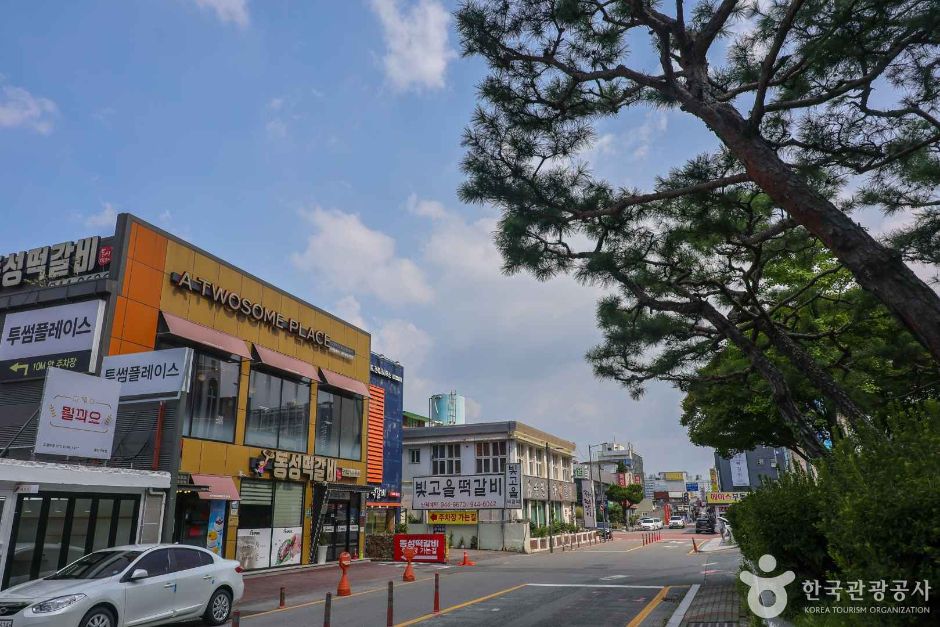
Gwangju Songjeong-dong Tteokgalbi Street (광주 송정동 떡갈비 골목)
19.8Km 2026-06-30
Gwangsan-ro 29beon-gil, Gwangsan-gu, Jeonnam-Gwangju Special Metropolitan City
Tteokgalbi Street in Gwangju Songjeong-dong is lined with around 20 restaurants specalizing in tteokgalbi (grilled galbi patties). The area is a popular place to eat for locals and tourists alike, with many people visiting both during the week and the weekend. The tteokgalbi here stands out from tteokgalbi found in other regions in a few ways. Most places use 100% beef in the patties, but Songjeong-dong tteokgalbi uses a mix of beef and pork. This change was made in the 90s in order to keep the prices the same during a tough financial season. The restaurants here also serve a bone broth soup with the meal, made from boiling pork bones with kelp and radish for over a long period of time.
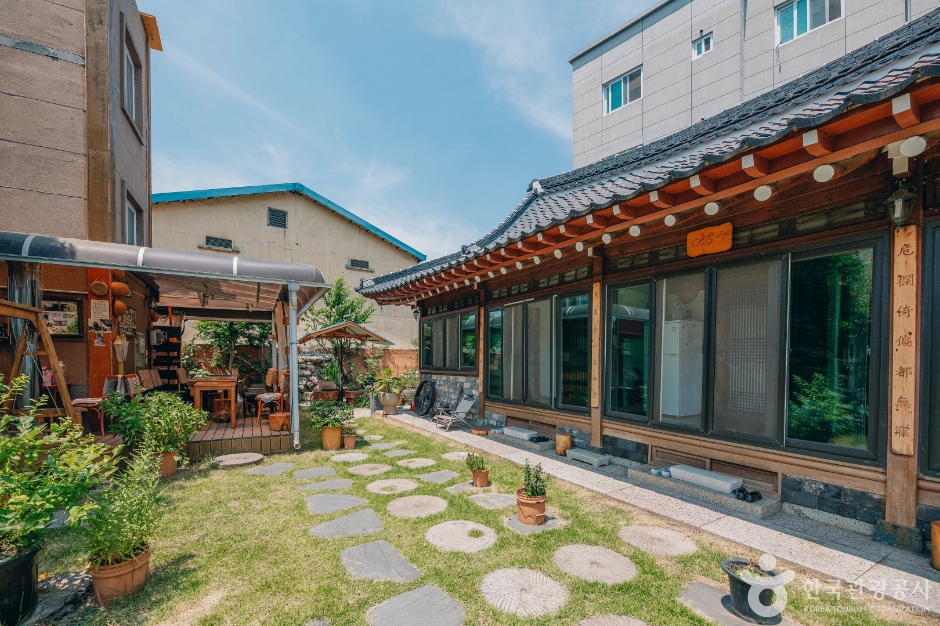
Dasomchae (다솜채)
19.9Km 2026-06-30
27 , Naesang-ro 51beon-gil, Gwangsan-gu, Jeonnam-Gwangju Special Metropolitan City
Dasomchae in Songjeong-dong, Gwangju, Jeollanam-do, is a guesthouse in an 80-year-old hanok with a spacious yard. All rooms have red clay walls and natural cotton bedding is provided. The yard contains many elegant locust, plum,and other fruit trees, and summertime brings the lovely sight of trumpet creepers winding round the chimney. The location is convenient for transport as it’s only a 10-minute drive to Gwangju Songjeong Station.
 English
 한국어
한국어 日本語
日本語 中文(简体)
 Deutsch
 Français
 Español
 Русский


