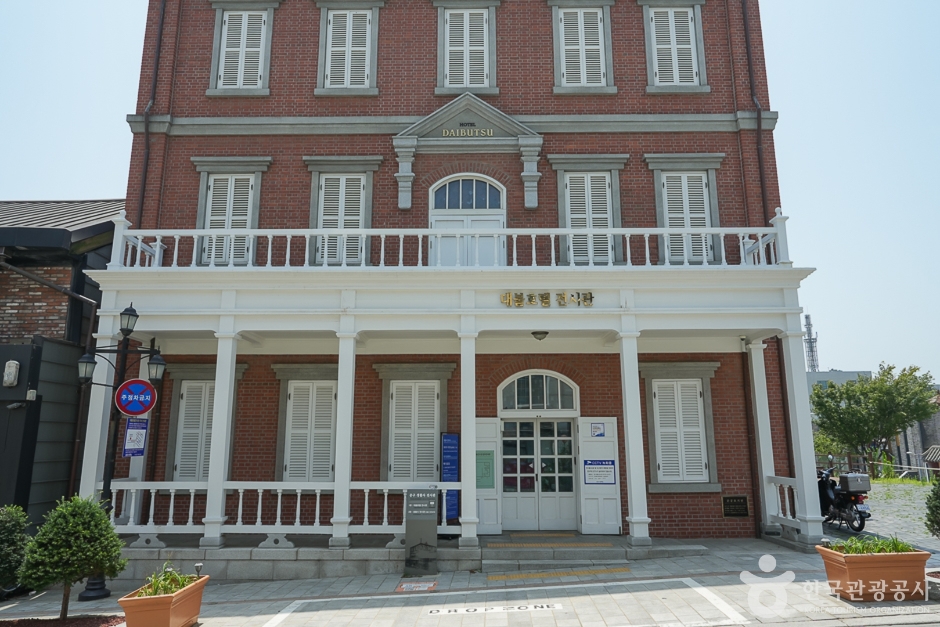
Daebul Hotel Exhibition Hall (대불호텔전시관)
749.8M 2025-10-23
101 Sinpo-ro 23beon-gil, Jung-gu, Incheon
This museum is located on the site of Daebul Hotel, Korea's first Western-style hotel, established in 1889. The hotel was demolished in 1978, but parts of the hotel structure were discovered in 2011 and rebuilt to preserve the hotel's original appearance. The first floor is the Daebul Hotel Exhibition Hall, through which visitors can see traces of Daebul Hotel at the time. The second floor is the Jung-gu Life History Museum, where visitors can get a glimpse of life in Incheon's Jung-gu area in the 1960s and 1970s.
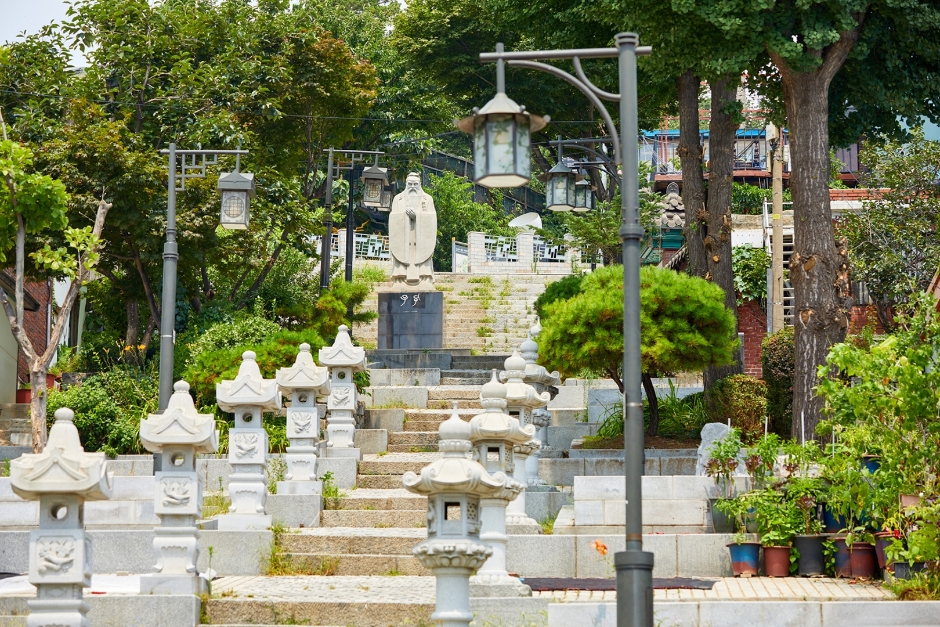
Cheongil Jogyeji Stairway (청일조계지 경계 계단)
801.3M 2025-05-20
Seollin-dong, Jung-gu, Incheon
The border stairs of the Sino-Japanese Concession (an exclusive residential area set up for foreigners to live freely in ports opened for foreign trade) are located on a steep hill southwest of Jayu Park. It is a meaningful attraction with a history of about 120 years. The concession areas are divided into the Qing Dynasty concession on the left and the Japanese concession on the right with the stone stairs in the center. The buildings on the left and right clearly show each country's architectural styles and characteristics of the past.
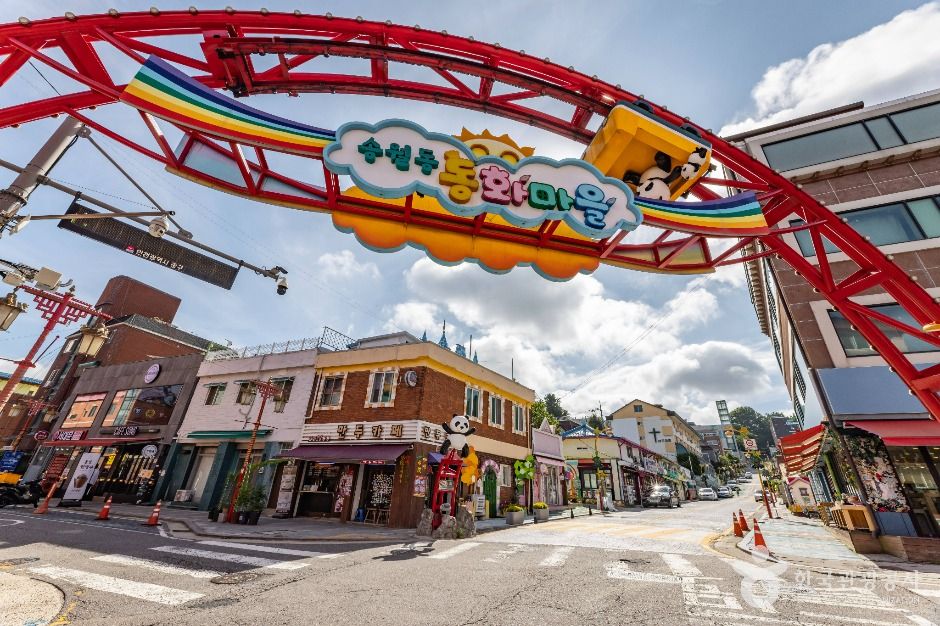
Songwol-dong Fairy Tale Village (송월동 동화마을)
816.8M 2025-10-23
Songwol-dong 3(sam)-ga, Jung-gu, Incheon
Songwol-dong was named for its view of the moon between the pine forest. The opening of Incheon Port in 1883 led to the start of many foreigners coming into the area for settlement, and it turned into a rich village. However, young people gradually moved out, leaving the village in a state of stagnation. As such, a renovation project was brought about to improve the development of the village by decorating with murals and sculptures of classic fairy tales.
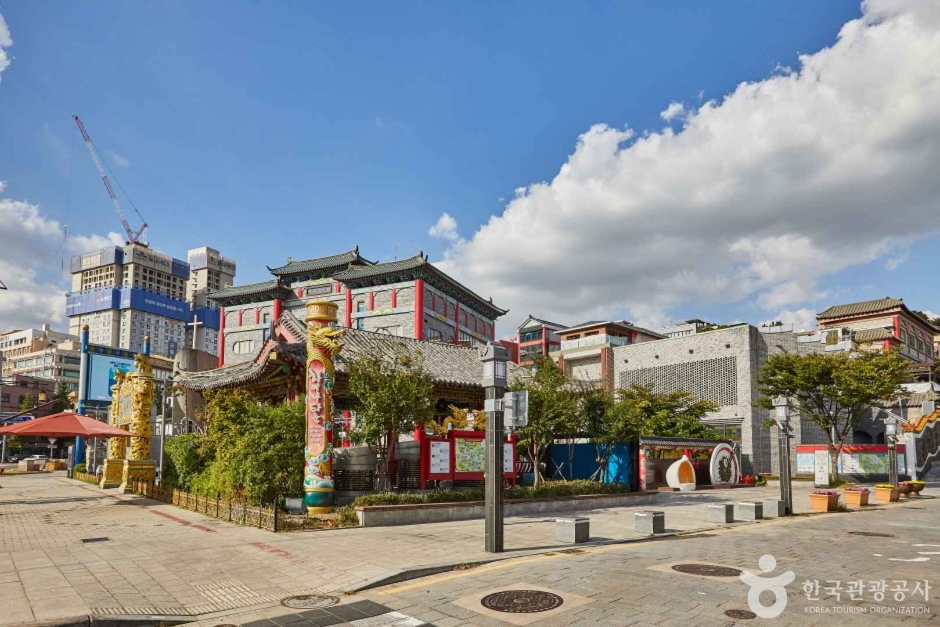
Incheon Chinatown (인천 차이나타운)
827.0M 2025-10-23
20 Chinatown-ro 59beon-gil, Jung-gu, Incheon
Incheon's Chinatown came into being with the opening of Incheon Port in 1883 and Incheon's designation as an extraterritoriality of the Ching dynasty in the following year. In the past, the area held many stores trading goods imported from China, but currently most Chinese businesses in the area are restaurants. Today, the residents of Chinatown are mostly 2nd or 3rd generation Chinese, descendents of the early Chinese settlers. The area harbors many of the flavors of China, while the traditional culture of the first generation is preserved.
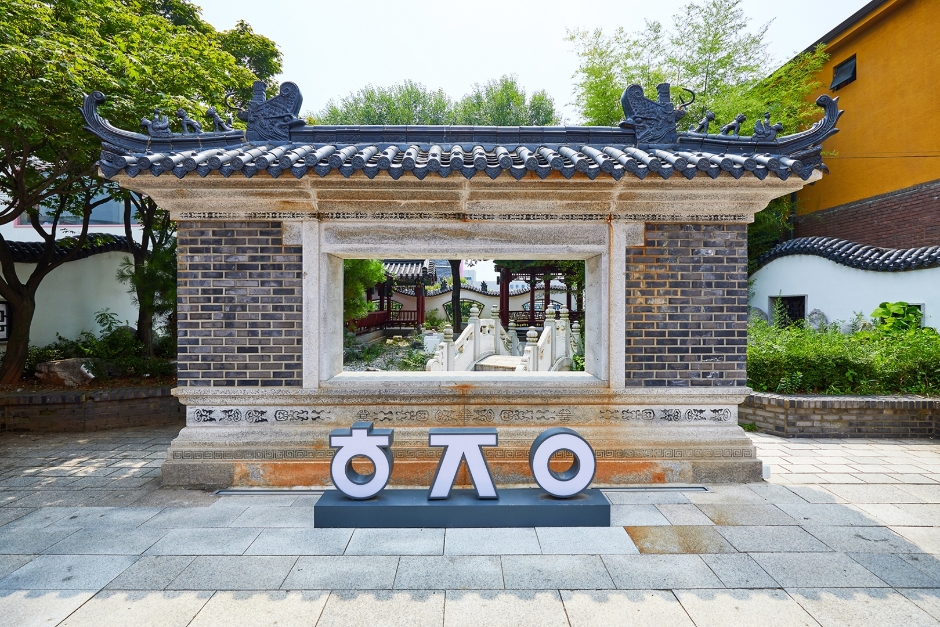
Hanjungwon (한중원)
872.5M 2024-01-04
12 Chinatown-ro 59beon-gil, Jung-gu, Incheon
Hanjungwon is a Chinese-style garden built to commemorate the establishment of diplomatic relations between Korea and China, making it a great place to rest after looking around Chinatown. It was created with the motif of the garden style of the Suzhou region in the mid and late Qing Dynasty. Plants native to China are planted, such as bamboo, roses, and peonies, giving it an exotic atmosphere. There are human figures wearing traditional Chinese costumes on both sides of the entrance, making it a famous photo zone.
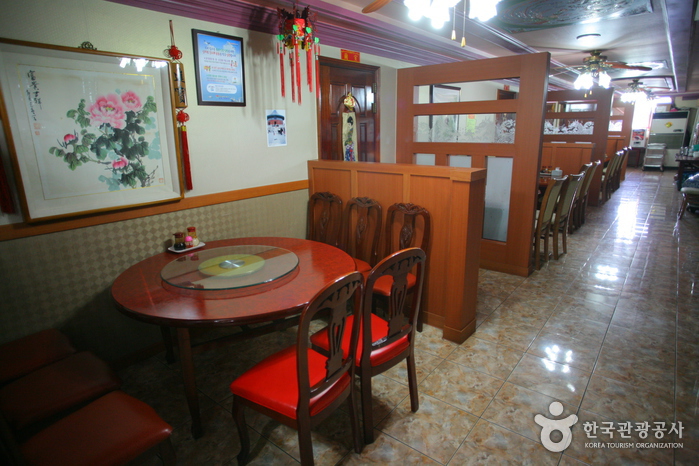
Taehwawon (태화원)
883.3M 2024-12-02
10 Chinatown-ro 59beon-gil, Jung-gu, Incheon
Now in its third generation, this Korean-Chinese restaurant, established in 1926, is one of the earliest in Incheon Chinatown and is renowned for preserving traditional flavors. Its signature Incheon Hyangto Jjajang (Incheon-style black bean sauce noodles) is crafted with the restaurant's own chunjang and seasonal ingredients, offering a richer, deeper taste than jjajangmyeon made with store-bought sauce. The restaurant also offers a vegetarian menu.

Mandabok (만다복)
902.5M 2024-12-19
인천광역시 중구 차이나타운로 36 만다복
This restaurant offers baengnyeon jjajang (meaning “hundred-year jjajang”), a traditional style of hayan jjajang, or old-fashioned black bean sauce noodles. The dish features noodles topped with a soy sauce-based sauce along with pork, seafood, and vegetables.
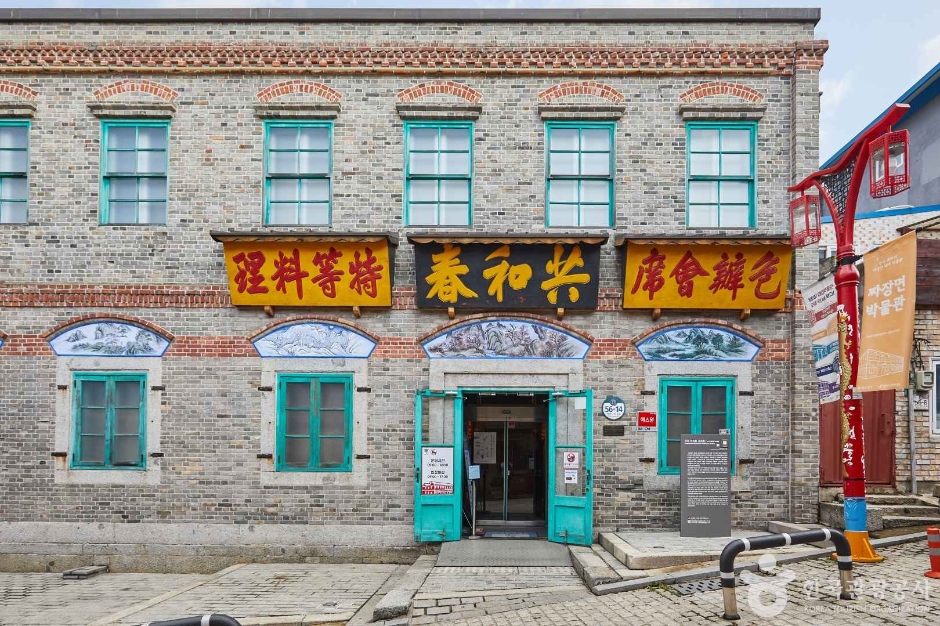
Jjajangmyeon Museum (짜장면박물관)
938.2M 2024-12-23
56-14 Chinatown-ro, Jung-gu, Incheon
Jjajangmyeon Museum is built in the former building of Gonghwachun, the official birthplace of jjajangmyeon, a food people of all ages love. Gonghwachun operated in this old-fashioned brick building until 1983, and the building was renovated as Jjajangmyeon Museum. It is the first jjajangmyeon-themed museum in Korea and consists of six permanent exhibition rooms and one special exhibition room. Visitors can see the birth and transformation of jjajangmyeon at a glance and the different types and recipes of jjajangmyeon. The special exhibition room presents exhibitions on a variety of topics every year. The reproduction of Gonghwachun’s original reception room and kitchen as well as the exhibition of how the metal delivery box changed over the years are also interesting.
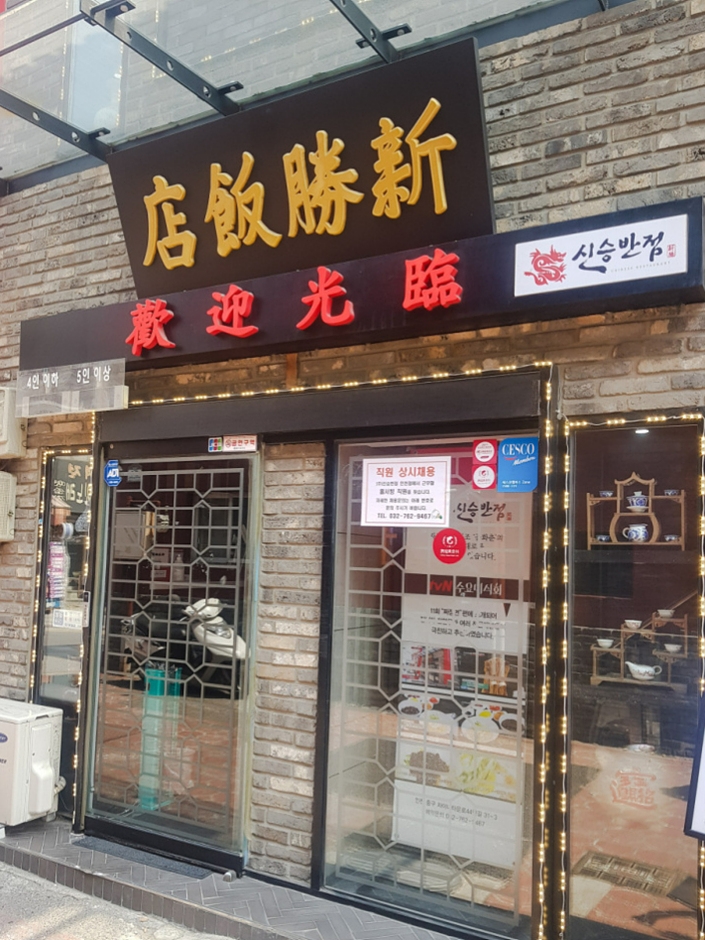
Sinseung Banjeom (신승반점)
998.7M 2024-12-19
인천광역시 중구 차이나타운로44번길 31-3
This restaurant, run by the granddaughter of Gonghwachun’s founder Woo Hee-gwang, is best known for its signature yuni-jjajang—a sweet, savory sauce made with minced meat and vegetables, served separately from the noodles, similar to ganjjajang, and topped with a sunny-side-up fried egg. Other popular dishes include the chewy chapssal tangsuyuk (deep-fried pork in a sweet rice batter with sweet and sour sauce) and the samseon haemul nurungjitang (a three-delicacy sizzling rice soup with seafood).4
Wolmi Sea Train (월미바다열차)
1.1Km 2024-04-21
269 Jemullyang-ro, Jung-gu, Incheon
Wolmi Sea Train is Korea's longest urban tourist monorail, stretching over 6.1 kilometers. The train travels at an average speed of 9 kilometers per hour, taking 42 minutes to complete one loop around Wolmido. The tracks are located between 7 and 18 meters off the ground, offering a view over all Wolmido has to offer. The views out over the sea are especially beautiful at sunset.
 English
 한국어
한국어 日本語
日本語 中文(简体)
 Deutsch
 Français
 Español
 Русский


