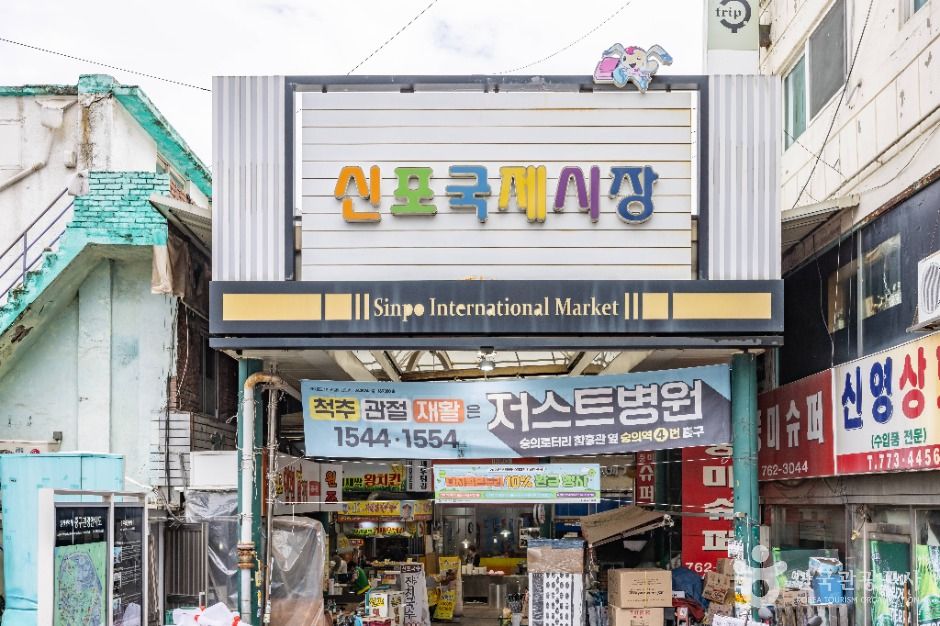
Sinpo International Market (신포국제시장)
116.1M 2025-10-23
11-5 Uhyeon-ro 49beon-gil, Jung-gu, Incheon
Located in Sinpo-dong, Incheon, Sinpo Market dates back to the late 19th century when vendors began selling fresh vegetables to the Japanese, Chinese, and Westerners who settled in the area. Sinpo Market was officially registered as a market in 1970 and now boasts over 140 stores.
An increasing number of tourists and international merchants have visited Incheon by ferries and cruise ships, turning the local market into an international shopping area over the past few decades. The information desk and office at the market even provide a variety of services (translation services, trade and shopping information, etc.) for tourists and merchants from home and abroad.
The most famous item of the market is dakgangjeong, a Korean dish of crispy fried chicken coated in a sweet and spicy sauce. Other popular dishes include yuni jjajang, egg tart, freshwater fish jeon, mandu, and jjolmyeon (chewy noodles).
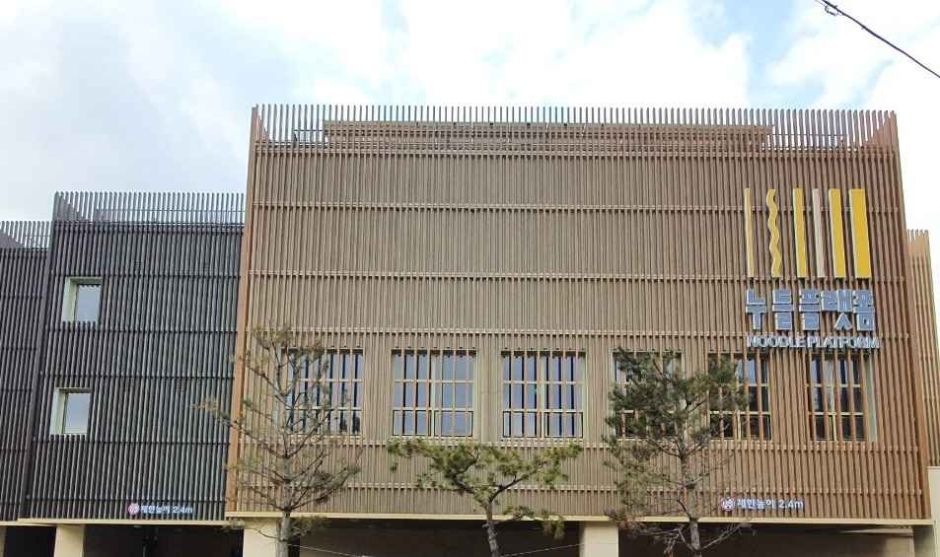
Noodle Platform (누들플랫폼)
423.1M 2025-10-23
36 Sinpo-ro 27beon-gil, Jung-gu, Incheon
Noodle Platform is a noodle-themed cultural complex in Incheon, offering exhibitions, educational programs, and hands-on experiences centered around noodles. The three-story complex features an exhibition space that explores the development of noodle dishes in Incheon, such as jjajangmyeon (black bean sauce noodles) and jjolmyeon (spicy chewy noodles); a noodle experience zone; and an educational area where visitors can learn how to cook noodle dishes.
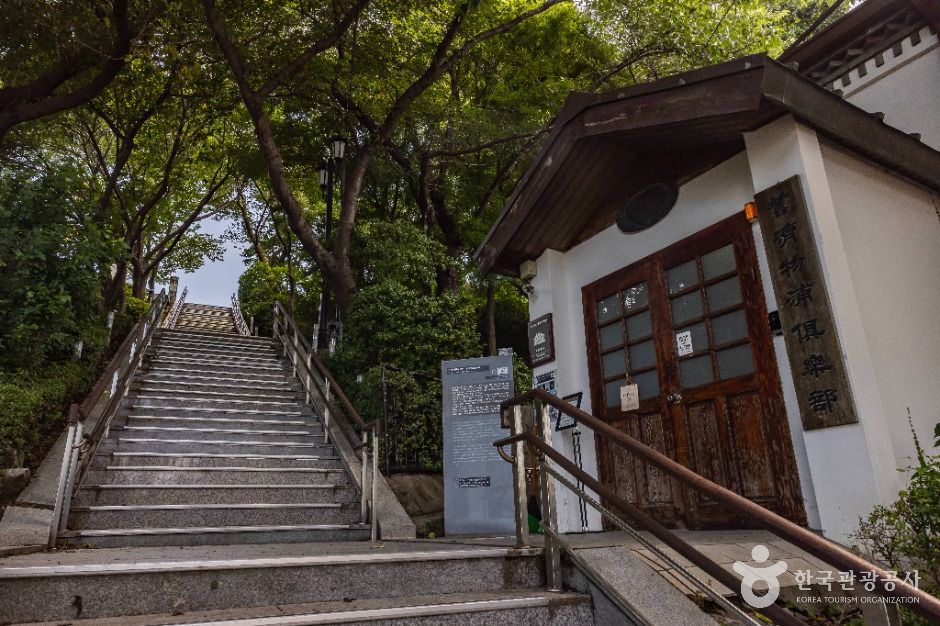
Jemulpo Club (제물포구락부)
568.4M 2025-10-23
25 Jayugongwonnam-ro, Jung-gu, Incheon
Jemulpo Club, also called Jeumulpo Gurakbu, was established in 1901 to be used as the venue for foreigners such as American, English, German, French, Russian and a small minority of Chinese and Japanese all living in Incheon to build up friendships before opening the port. The two-story brick building was comprised of a library room, pool table, tennis court and others facilities.
The site was used as Incheon Museum from 1953 to 1990 and Incheon Cultural Center from 1990 to 2006. In 2007, the name was changed to Jemulpo Gurabu, imphasizing the Japanese pronunciation of "club." It now offers a site for experiencing modern culture interactions.

Incheon Hwapyeong-dong Sesutdaeya Naengmyeon Steet (인천 화평동 세숫대야 냉면 거리)
607.2M 2023-11-15
Hwapyeong-ro, Dong-gu, Incheon
The first naengmyeon restaurant to open in Hwapyeong-dong did so in the early to mid-70s. It wasn't until the early 2000's that the area saw an influx of over 20 naengmyeon restaurants. These days, visitors can choose from 13 restaurants. In the beginning, the servings here were all the standard found anywhere else in Korea. However, many of the factory workers in the area would come here, and ask for additional servings during their lunch break. Eventually, the restaurants began to serve larger sizes, naturally leading to the use of a large bowl to one similar to what people would use when washing their faces. Another specialty of the naengmyeon here is the addition of yeolmu kimchi (young summer radish kimchi). Many restaurants also offer free, unlimited refills on noodles.
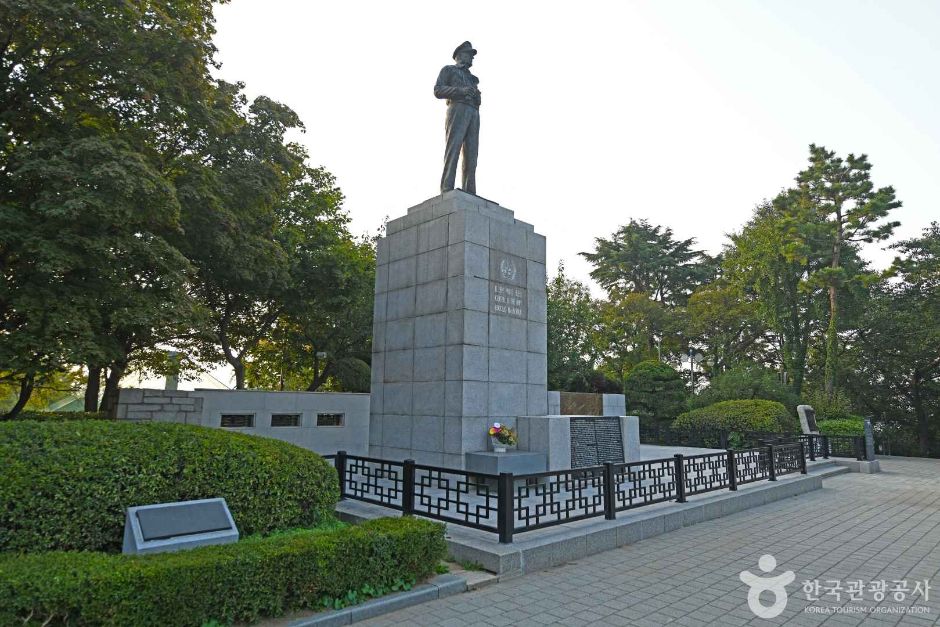
Incheon Jayu Park (자유공원 (인천))
641.5M 2024-12-27
46 Jemullyang-ro 232beon-gil, Jung-gu, Incheon
Jayu Park is the first Western-style park in Korea, built five years after the opening of Incheon Port. The location is perfect for a nice stroll as it is located high above sea level with spacious areas and a thick forest. At top of the park is the Korea-U.S.A. Centennial Monument built in 1982 to commemorate the 100th anniversary of the treaty of peace, commerce and navigation between Korean and the US. Within the park, visitors can enjoy a small zoo, a pagoda, benches and other rest areas. A statue of General MacArthur stands in the park as a memorial of the general's feat of Operation Chromite during the Korean War. Every April, a cherry blossom festival is held as the cherry blossoms fill the park, attracting many visitors. The panoramic view of the city is breathtaking with nightscape especially popular for couples. There are many attractions nearby for visitors to enjoy food and history.
Gaehangjang (Open Port Area) Street (개항장 거리)
650.2M 2025-10-23
27 Jemullyang-ro 232beonan-gil, Jung-gu, Incheon
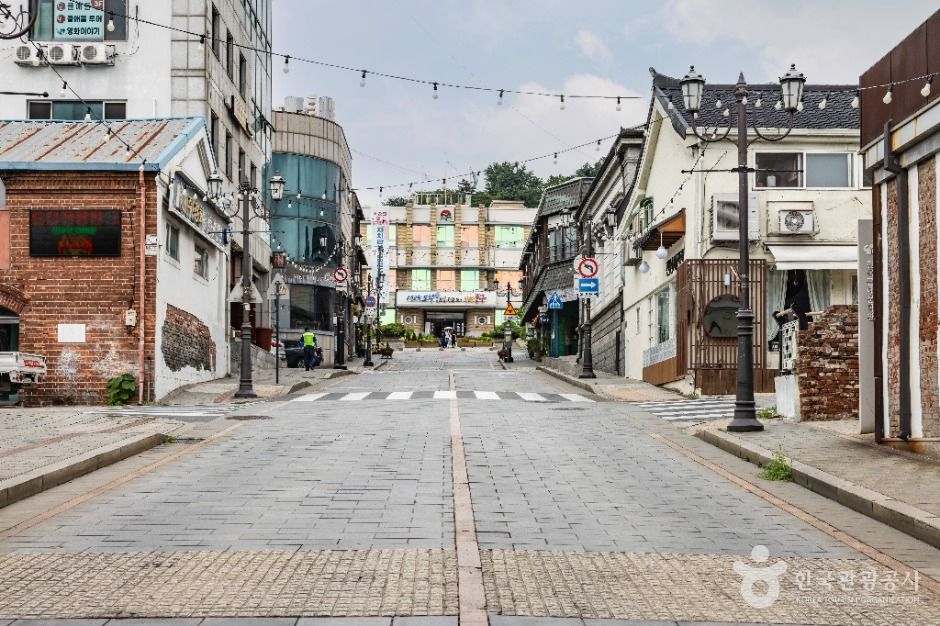
As the Incheon Port was opened in 1883, this is where one could feel the rich history and culture accumulated over 126 years. Formerly used by the Japanese consulate, the Jung-gu Office, the Incheon branch of Japan's 1st, 18th and 58th Bank and other modern historical architecture can be found intact here. Other historical remains like Former Japan Mail and Shipping Inc., Incheon Art Platform, Jemulpo Gurakbu, and more are also available for visitors to see at the Incheon Gaehangjang (Open Port Area). For those who are interested in learning more, a guided tour by an Incheon cultural tourism expert is available upon reservation.
Incheon Japanese Street (인천일본풍거리)
674.0M 2024-02-16
Gwandong 1(il)-ga, Jung-gu, Incheon
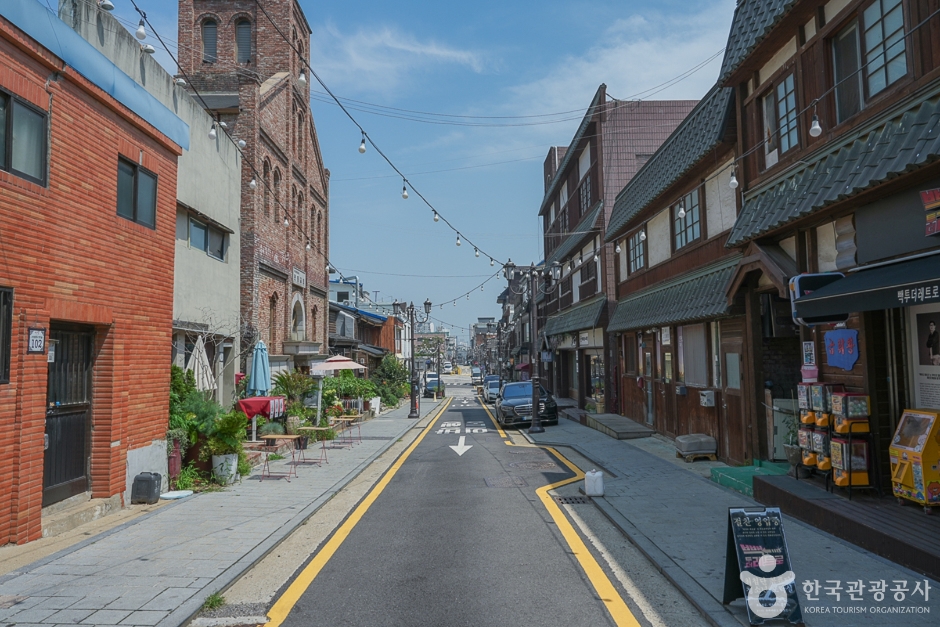
Incheon Japanese Street, established following the opening of Incheon and Jemulpo Ports in 1883, was home to the Japanese concession. It preserves several Japanese-style wooden houses and stone structures from that era. These wooden houses, designed in the distinctive style of Japanese architecture where a storefront is integrated into the residential building, have been renovated and are now serving as cafés and exhibition halls. Nearby, visitors can also explore Incheon Chinatown and the Gaehangjang (Open Port Area) Street.
Incheon Open Port Museum (인천개항박물관)
691.1M 2025-10-23
89 Sinpo-ro 23beon-gil, Jung-gu, Incheon
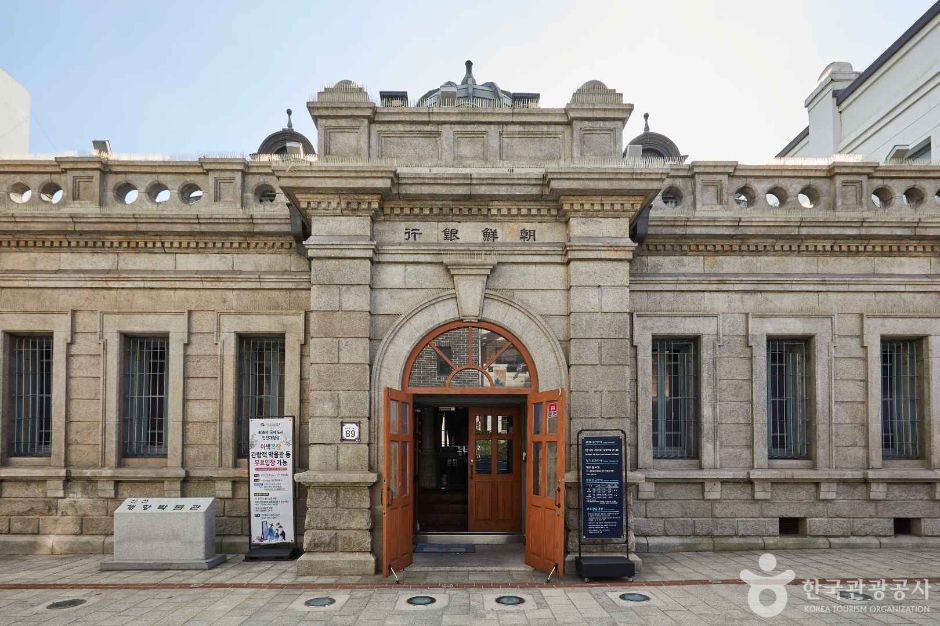
Designated as a Tangible Cultural Heritage of Incheon Metropolitan City, the Incheon Open Port Museum is housed in the former Bank of Japan building, an architectural masterpiece constructed in the late Renaissance style. With four permanent exhibitions, the museum offers a glimpse into various aspects of modern culture and artifacts that were first introduced after the opening of Incheon Port. (Credit: Incheon Jung-gu Cultural Foundation)
Incheon Art Platform (인천 아트플랫폼)
696.8M 2025-10-23
3 Jemullyang-ro 218beon-gil, Jung-gu, Incheon
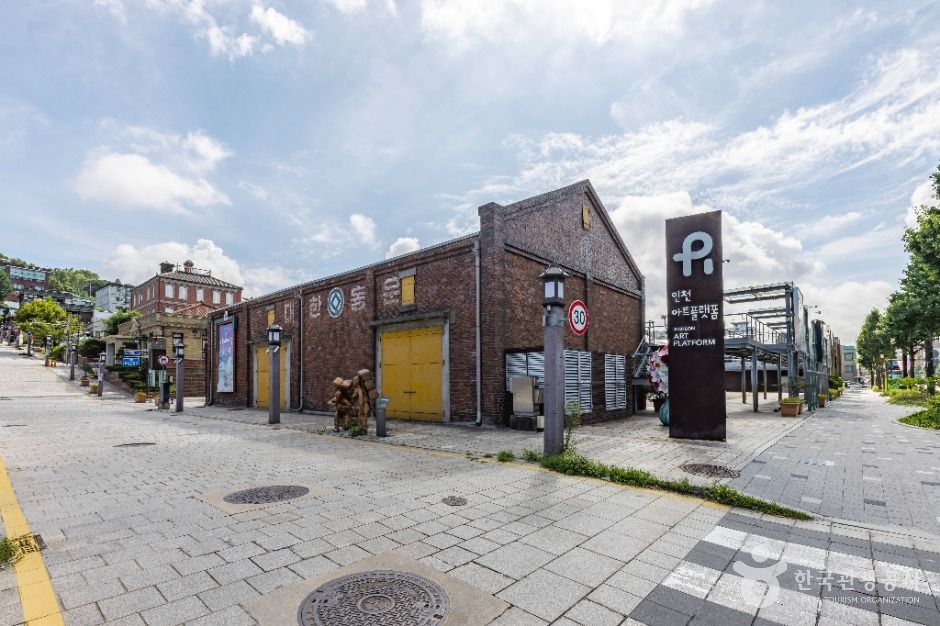
Incheon Art Platform, located in Haean-dong, Incheon, is known for its well-preserved architectural heritage and buildings that showcase a blend of traditional and modern architecture. The complex was established by remodeling structures built in the 1930s and 1940s. Centered around its residency program, it offers exhibitions, performances, and educational programs, and plays a significant role in promoting the free exchange of art and culture. By providing creative spaces for artists and venues for cultural exchange, the platform fosters interaction between artists and visitors.
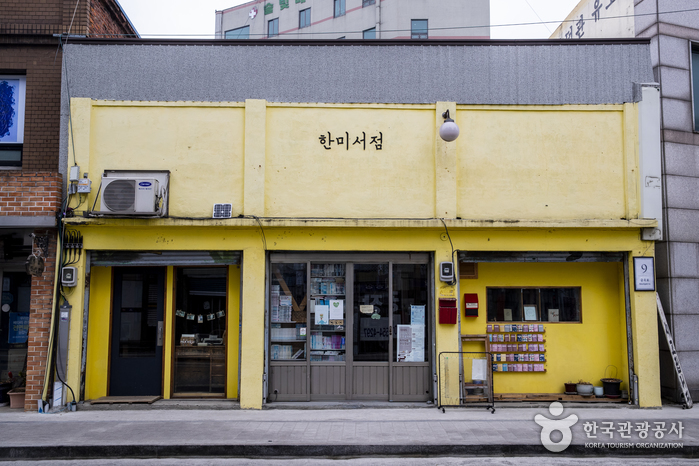
Baedari Secondhand Bookstore Alley (배다리 헌책방 골목)
699.2M 2023-11-08
3 Geumgok-ro, Dong-gu, Incheon
Baedaeri Secondhand Bookstore Alley is a representative location of Incheon's past and the life of people living here. The street is home to five bookstores that sell books on every topic, from art and music to traditional medicine, children's literature, and dictionaries. The entrance to the alley also features murals of life in the past. Recently, the street was used as a filming location for the drama "Guardian: The Lonely and Great God (2016)," making it an extremely popular spot to visit.
 English
 한국어
한국어 日本語
日本語 中文(简体)
 Deutsch
 Français
 Español
 Русский


