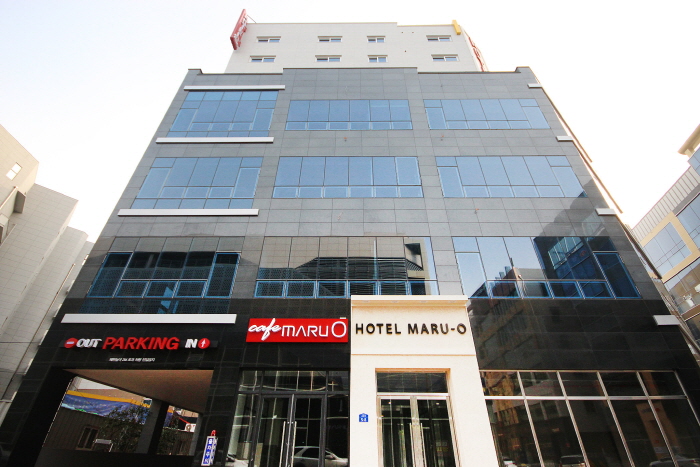
Maru-o / 마루오(MARU-O)
18.7Km 2025-03-05
5-8, Baemet 3-gil, Naju-si, Jeollanam-do
+82-61-331-0700
MARU O is a modern business hotel located at the center of Naju Innovation City. Many public enterprises are clustered around the hotel. Therefore, the hotel is loved by business travelers visiting the city, while the neat facilities also attract casual travelers. The Bitgaram Lake Park, right in front of the hotel, is a great place for a walk along the pleasant park surrounding a small lake. At the heart of the park stands Baemesan Observatory where one can enjoy an unhindered view of Naju Innovation City.
The hotel offers a variety of services as well. In particular, there is a charger for electric car drivers in the underground parking lot. Front desk provides tourist guidebooks on Naju and the Jeollanam-do region and lends mobile phone charger for free.
MARU O is about a 12-minute drive away from the KTX Naju Station, and 15 minutes by car from the inter-city bus terminal, Yeongsanpo Hongeo Street or Naju Gomtang Street. In particular, Naju Gomtang Street is a region where famous Gomtang (Naju’s representative food) restaurants are concentrated. As Hayanjib, Naju Gomtang Noamjib, Naju Gomtang Wonjojib and 60-year Nampyeong Halmaejib (some of the best known places) are all found here, just drop in anywhere and you will be able to taste the authentic taste of local dishes.
YangDongHo Traditional House (Hanok 152)/ 양참사댁(양동호 가옥 / 한옥152)
19.0Km 2025-03-05
24, Darasil-gil, Hwasun-gun, Jeollanam-do
+82-10-9646-5087
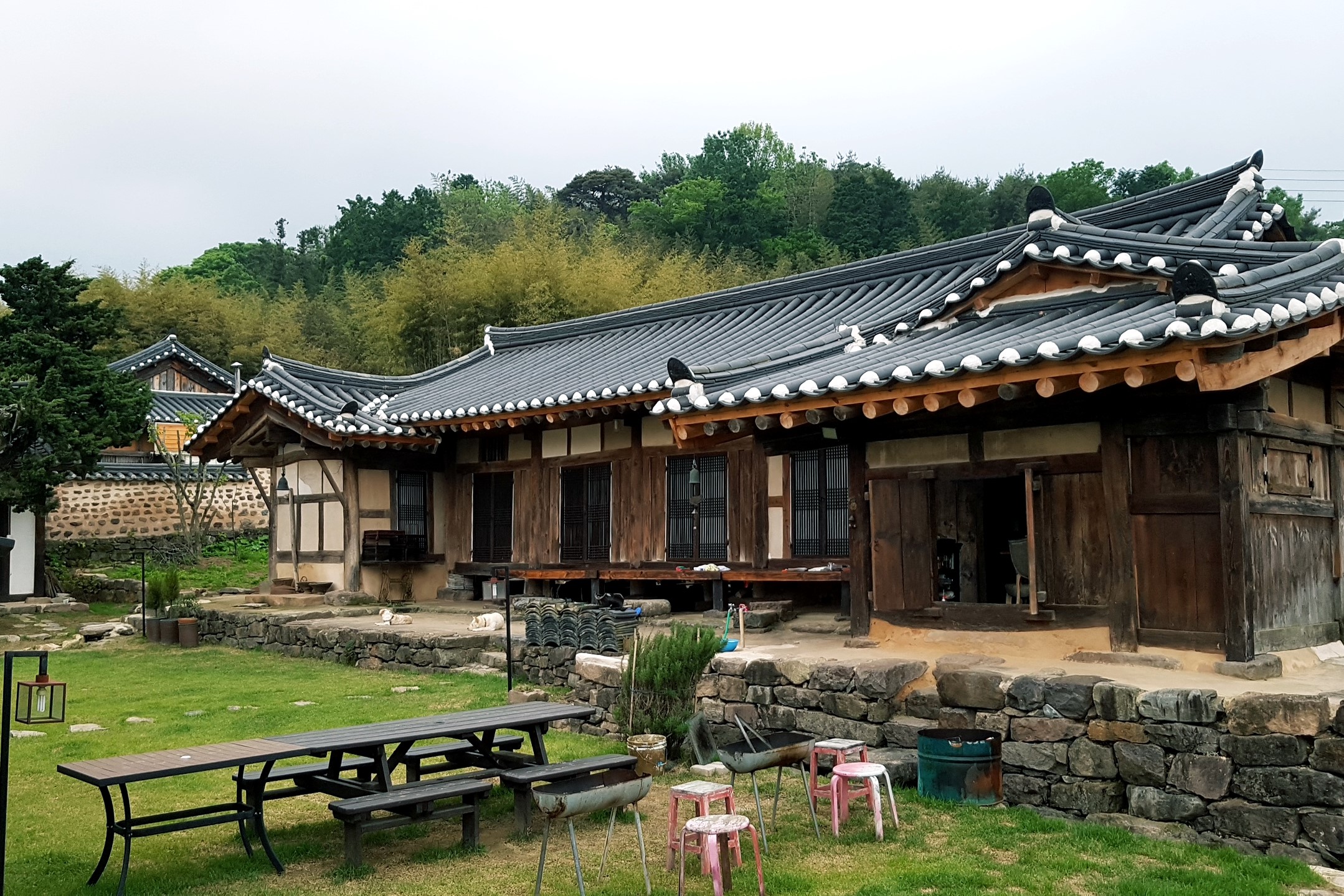
Yangchamsadaek (Yangdongho’s former name) or National Cultural Property No. 152 is a traditional hanok accommodation. Dalasil Village, Hwasun, Jeollanam-do, where the house is located, is a town with traditional houses and fields, where interestingly those who have the surname of Jeju Yang live together.
Yangchamsadaek is a typical noble's house in the southern region with the ㄷ-shaped main building and the ㅡ-shaped detached building form the ㅁ shale. It is expected that the main building was built in the 18th century and the detached building at the end of 19th century. In 2013, the current owner has taken over the antique house and started running a hanok stay, and his daughter, Jo A-ae, a curator and culture planner, added modern touches to turn it into a culture complex, Hanok 152. The wide lawn is sometimes rented for music performance, traditional wedding, or outdoor wedding, and other times it serves as a venue of one-day classes for hanbok experience, Korean food experience, etc.
As for rooms, there are four options: big room and small room in Anchae (main building), and Daecheong room and bed room in Sarangchae (detached building). The rooms are decorated with traditional cabinets and folding screens with embroidery, displaying the beauty of an antique house. The main floor, which is much bigger than that of other houses, has been renovated by the owner. The main floor in the main building, with a comfortable sofa and a rug, is modern and luxurious, whereas the main floor in the detached building is cozy with a floor table and Korean cushions. Toiletries are not available in the bathroom but provided upon request to the information desk. Space rental is also available. Various events such as traditional wedding, small wedding, first birthday celebration, 70th birthday celebration, small workshop, or one-day class can be held here. Moreover, traditional hanbok experience is always available at 15,000 won per person. Korean food experience is notified on Instagram and requires reservation. As the cost varies depending on the number of participants and the date, make sure to inquire over the phone.
Also located in the village are Hanjae House (National Cultural Property No. 154) and World Heritage Hwasun Dolmen Site. Note that the Unjusa Temple, famous for the Cheonbulcheontap Pagoda, is a 15-minute drive away.
Doraemi House / 도래미하우스
19.1Km 2025-08-12
18-26, Dongnyeok-gil, Dado-myeon, Naju-si, Jeollanam-do
+82-10-8616-6725
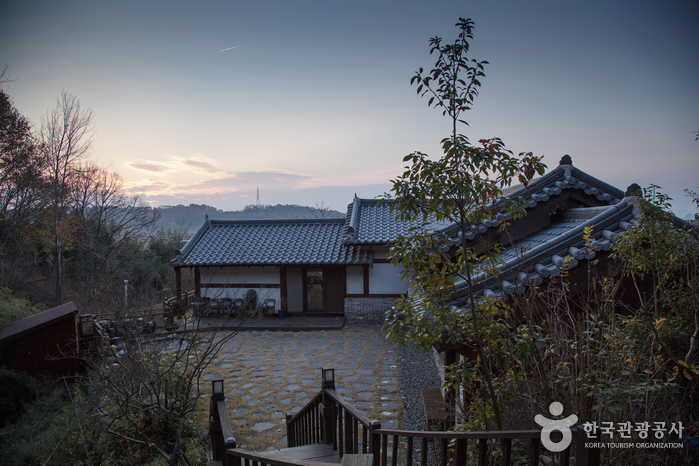
Doraemi House is a hanok stay type of tourist accommodation located in the village of Dorae, Naju City, Jeollanam-do Province. The house was named Doraemi, meaning “the beauty (mi) of Dorae”, in the hope of conveying the beauty of the village. The accommodation consists of three hanok structures - the Bonchae, Sarangchae, and Byeolchae. The Bonchae consists of two bedrooms with a garret; the Sarangchae has 2 bedrooms flanked by a living room; and the Byeolchae, located on a hill, is a cozy single room, with a wooden swing placed in front of the building. Doraemi House is decorated with cozy, natural items that create a relaxing atmosphere. A pleasant forest trail passes by the house and leads to Gyeeunjeong Pavilion, one of the village’s three pavilions, and a small pond. The owner of the house has established a small reading space filled with picture books next to the Bonchae building, where guests can enjoy reading amid a tranquil atmosphere.
Unknown Hotel / 언노운호텔
19.3Km 2025-08-12
27, Damju 1-gil, Damyang-gun, Jeollanam-do
+82-61-382-2600
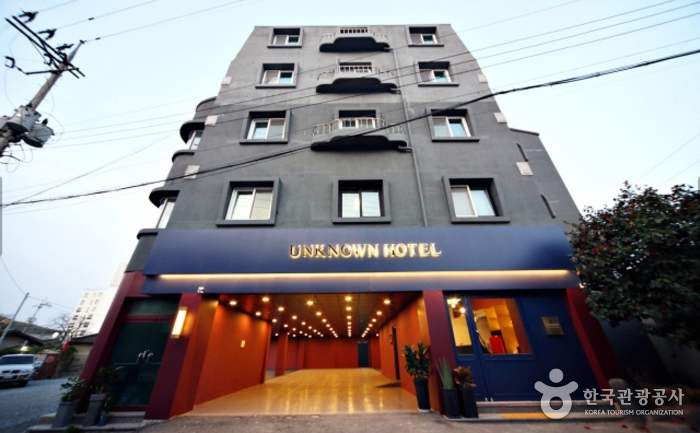
This hotel’s outstanding feature is its room design, which seems straight out of a pop art piece. There are 30 rooms in total, furnished with bright colors like pink, yellow, or red and contemporary design. It is located less than 1 km away from Damyang Bus Terminal, making it highly accessible as well. In terms of bed comfort, which is an issue of paramount importance for hotels, Unknown Hotel’s large king size bed and plush mattress excel. There is a wide selection of rooms, from Standard Plus and Deluxe for 2 to 8-person Signature rooms. The Signature room, which is inspired by the American artist Edward Hopper’s work, is ideal for private meetings as well, having a spacious living room with a six-person table. The hotel also offers bicycles for rental, which are ideal for exploring Damyang’s Juknokwon, Gwanbangje Forest, and Metasequoia Road.

La Forêt Gwanbangjerim (관방제림)
19.9Km 2024-12-18
Namsan-ri/Gaeksa-ri, Damnyang-eup, Damnyang-gun, Jeollanam-do
+82-61-380-3150
Située à Damyang, dans la province de Jeollanam-do, Gwangbangjerim (Monument Naturel numéro 366) est une forêt cultivée le long du bord de la rivière Damyangcheon parcourant le comté. Cette forêt longue de 2 km s’étend du village Dongjeong à Namsan-ri jusqu’à Hwanggeum-ri, Subuk-myeon et Gangui-ri, Daejeon-myeon.
Gwangbangjerim est une forêt spéciale créée par l’homme afin de prévenir un éventuel débordement de la rivière et possède de nombreux gros arbres vieux de 200 à 300 ans.
La forêt est si belle qu’elle fut choisie comme étant la plus belle du pays par le Service Forestier de Corée. Afin de profiter de la beauté de la nature, les touristes s’y rendent en nombre tout le long de l’année. Son parc de sculptures fait aussi partie des lieux incontournables. Les sites tourisistiques situés à proximité sont le jardin de bambou de Jungnogwon et la route des metasequoias.
 Français
 한국어
한국어 English
 日本語
日本語 中文(简体)
 Deutsch
 Español
 Русский


