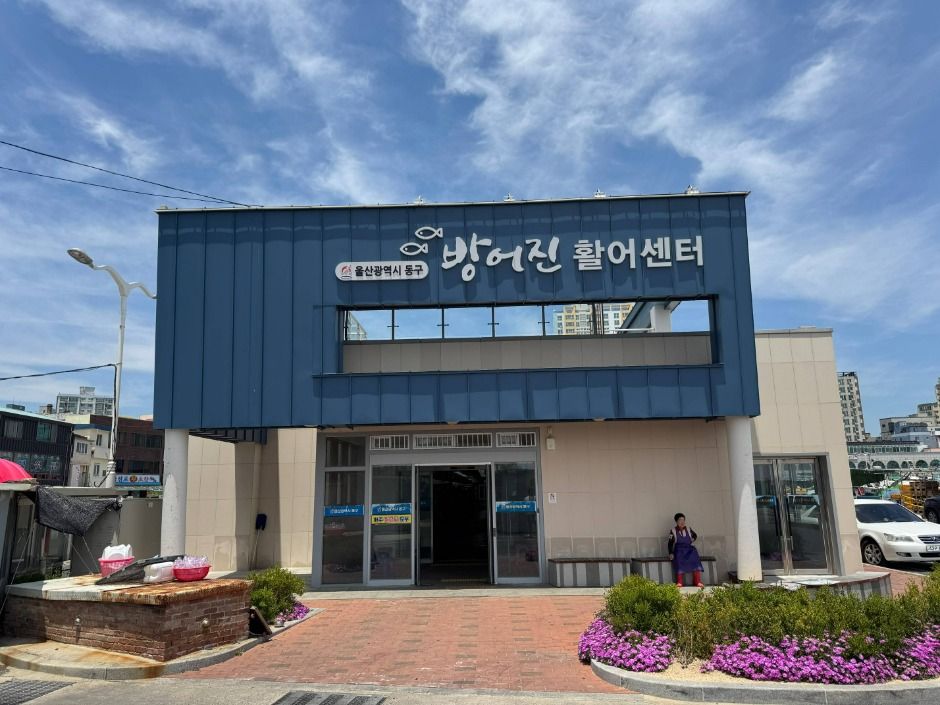
Bangeojin Live Fish Center (방어진 활어센터)
13.4Km 2025-11-04
5 Jungjin 2-gil, Dong-gu, Ulsan
Bangeojin Live Fish Center is located in Bangeojin Port in Ulsan. Visitors can choose from various seasonal fish for sashimi and purchase fresh fish at an affordable price. Additionally, there are many markets and sashimi restaurants nearby, allowing visitors to enjoy sashimi on the spot or have it neatly packaged to take away.
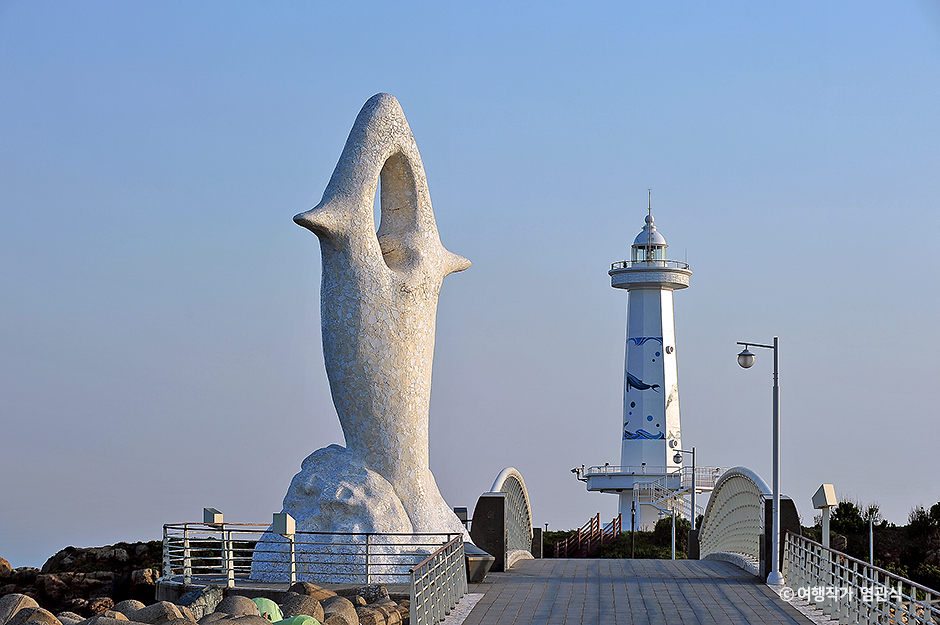
Bangeojin Port (방어진항)
13.7Km 2025-01-10
2 Seongkkeut-gil, Dong-gu, Ulsan
Bangeojin Port, designated as a national fishing port in 1971, is Ulsan's representative fishing port, with a large site for a fisheries cooperative's commission and an auction house. Various fish species, such as yellowtail, cutlassfish, Spanish mackerel, and anchovies, are caught. You can purchase fresh seafood from a nearby fish market or sashimi restaurant and enjoy it immediately.
The promenade along the breakwater reaches Seuldo Lighthouse, an excellent photo spot, and the sea road leading to Bangeojin Port, Daewangam Park, Ulgi Lighthouse, and Ilsan Beach also boasts romantic scenery. Recently, to revitalize tourism resources, murals and floor designs for the northern breakwater, parking lots, etc., were developed, and a village museum, the Bangeojin Museum, was opened. It serves as a resting place for Ulsan citizens and provides many attractions for tourists.

Daewangam Park Suspension Bridge (대왕암공원 출렁다리)
13.8Km 2023-06-10
95 , Deungdae-ro, Dong-gu, Ulsan
Daewangam Park Suspension Bridge is the first suspension bridge in Ulsan and the first large-scale commercial tourism facility in Dong-gu. It was created with a length of 303 meters, connecting Hatgaebi and Surubang coastal trails in Daewangam Park. The bridge connects at once without intermediate supports, and currently, the span length is the longest among the suspension bridges in the country. Because it is a bridge over the sea, visitors can enjoy the exciting coastal scenery around Daewangam.
Jujeon Mongdol Beach (주전몽돌해변)
14.2Km 2023-01-03
Jujeon-dong, Dong-gu, Ulsan
Jujeon Mongdol Beach is one of 12 must visit attractions of Ulsan. Jujeon meaning red ground, for the ground has a red hue. The 1.5 kilometer-long beach is filled with black pebbles and has various oddly formed rocks.
Seuldo Island (슬도)
14.2Km 2023-01-03
Bangeo-dong, Dong-gu, Ulsan
Seuldo Island is located off the coast of Ulsan City in the southeastern part of the Korean Peninsula.
Its name, Seuldo ("seul" meaning the Korean stringed instrument geomungo), was given as the sound of wind and waves hitting the rock island is said to mimic the sound of geomungo. In fact, the sound of waves hitting the island is so good that it is called seuldomyeongpa or the resounding of waves.
The island is also known as Siruseom ("siru" meaning an earthenare steamer) for its resemblance to the upside down siru, and Gomboseom ("gombo" meaning pockmarks) for its stones with holes in them.
On the island, there is an unmanned lighthouse dating back to the late 1950s. The main economic activity on the island is fishery.
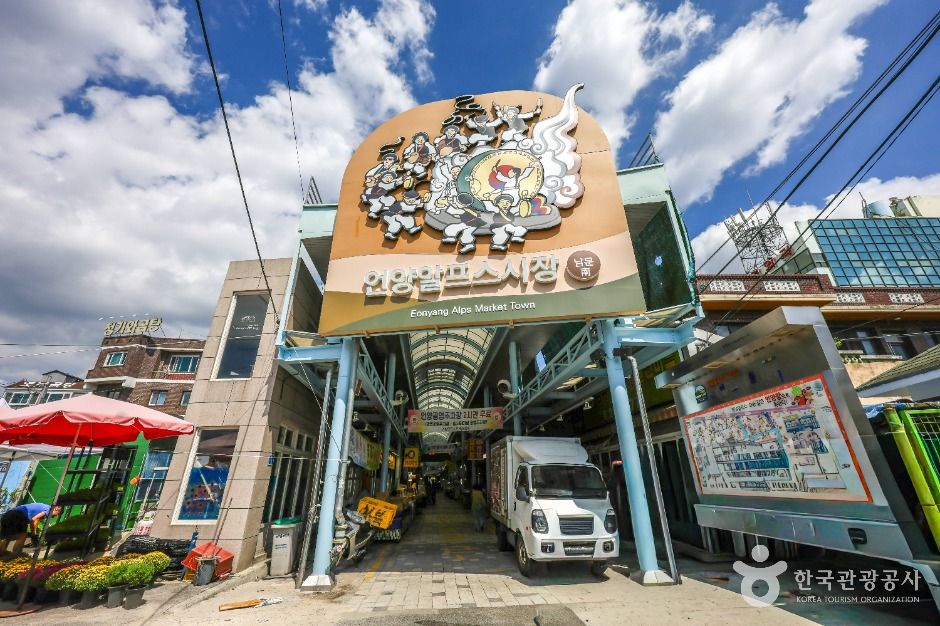
Eonyang Alps Market Town (언양알프스시장)
15.4Km 2025-12-17
12-1 Jangteo 1-gil, Eonyang-eup, Ulju-gun, Ulsan
Eonyang Alps Market Town is a medium-sized market established in 1915, held on days ending in 2 and 7 of each month. In the past, it was called the “Seven Towns Market” because products from seven nearby areas, including Cheongdo, Dongnae, Yangsan, Gyeongju, Yeongcheon, and Ulsan, were gathered here. About 40 years ago, the market took its current form and now operates as a general market.
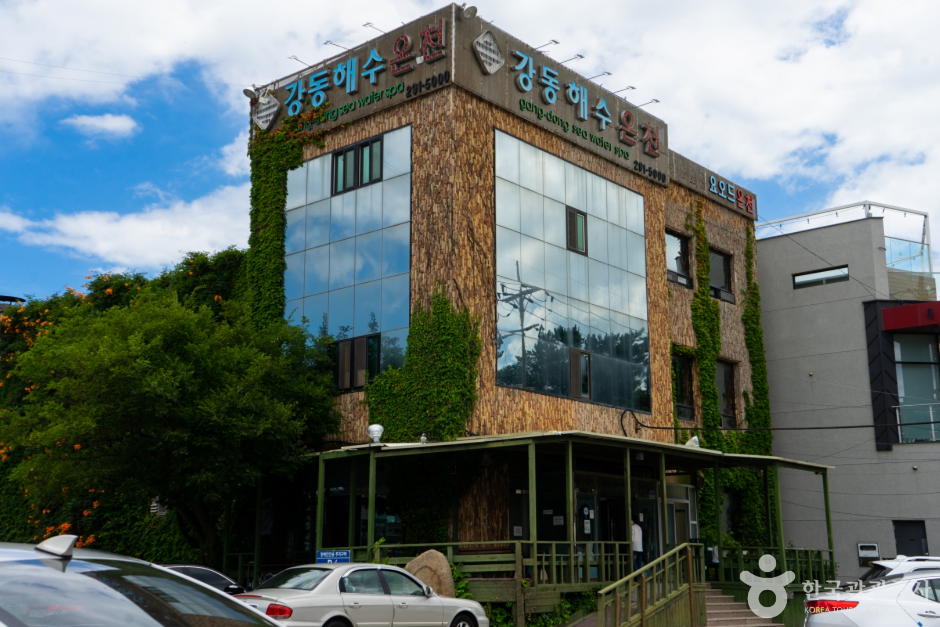
Gang-dong Sea Water Spa (강동해수온천)
15.5Km 2024-02-20
1418 Donghaean-ro, Buk-gu, Ulsan
Gang-dong Sea Water Spa is a hotspring that utilizes seawater from the sea in front of Jeongja, boiling it at temperatures exceeding 100°C, resulting in high salinity and excellent sterilizing effects. The facility offers a range of baths, including Iodine Bath, Cold Seawater Bath, Hot Seawater Bath, and Trench Hot Bath. Renowned for the exceptional quality of its seawater, the hotspring attracts numerous visitors seeking its therapeutic benefits. The breathtaking view of the sea from the baths adds to the overall experience.
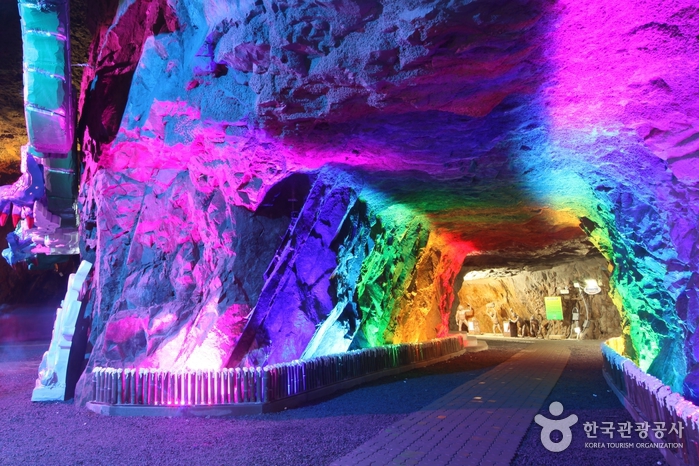
Amethyst Cavern Park (자수정동굴나라)
18.2Km 2022-09-06
212, Jasujeong-ro, Ulju-gun, Ulsan
Amethyst Cavern Park is the largest man-made cave tourist attraction in Korea, where one of the five jewels of the World, amethyst, was mined. Connected like a labyrinth, the cave is 2.5 kilometers long and fills an area of approximately 15,000 square meters. The average temperature is between 12 and 16 degrees Celsius year round. Visitors can take either the walking tour that goes through a different themed halls or take a boat ride through the cave river. On the second floor of the cave, visitors can see Jurassic World filled with different dinosaurs and character lamps.
Boksoondoga (복순도가)
18.3Km 2025-10-29
48 Hyangsandong-gil, Sangbuk-myeon, Ulju-gun, Ulsan
Boksoondoga is a traditional brewery located in Uljun-gun, Ulsan. The brewery produces makgeolli, an unrefined rice wine with a pure taste. Boksoondoga uses only the finest domestic rice and traditional pottery in the fermenting process for a truely Korean liquour.
Myeongseondo Island (명선도)
18.5Km 2024-10-14
Jinha-ri, Seosaeng-myeon, Ulju-gun, Ulsan
Myeongseondo Island is an uninhabited island near Jinha Beach in Ulju-gun, Ulsan. The island takes on a vibrant appearance after the sun sets, with various media art displays lighting up the pathways. The island is accessible via a temporary bridge set up during the admission times.
 English
 한국어
한국어 日本語
日本語 中文(简体)
 Deutsch
 Français
 Español
 Русский


