
Silla Arts and Science Museum (신라역사과학관)
8.7Km 2025-06-12
33 Hadonggongyechon-gil, Gyeongju-si, Gyeongsangbuk-do
+82-54-745-4998
Silla Arts and Science Museum, opened in 1988, displays miniature models of scientific cultural assets in order to explore and educate how these assets are formed and preserved.
GyeongjuCheonnyeonhanok Pension (경주천년한옥펜션)
8.7Km 2024-08-01
86-61 , Sidong-ro, Gyeongju-si, Gyeongsangbuk-do
+82-10-9898-3995
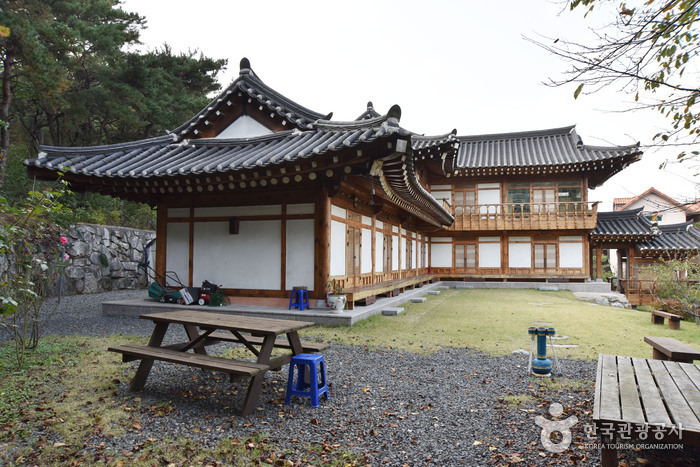
Cheonnyeon Hanok Pension in Gyeongju, Gyeongsangbuk-do, is a modern two-storey hanok built of pinewood and red clay, and equipped with geothermal heating and double doors to keep out drafts. Rooms have individual toilets and cooking facilities, and there is a spacious yard where children can play and grown-ups can experience folk games such as Tuho and Jegichagi. There are fine views of Joyang Reservoir and Tohamsan Mountain, and an inviting pine forest trail next to the house. Nearby tourist attractions include Seokguram Grotto and Bulguksa Temple.
Gyongju Folk Craft Village (경주민속공예촌)
8.8Km 2025-06-12
230 Bobul-ro, Gyeongju-si, Gyeongsangbuk-do
Gyeongju Folk Craft Village, nestled at the foot of Tohamsan Mountain in Gyeongju, is a traditional folk craft village consisting of around fourty Korean traditional houses including thatched-roof and tiled-roof houses. Skilled artisans proficient in traditional arts and crafts gather here to produce and sell ceramics, woodcrafts, jewelry, hanbok, stone crafts, and more. Visitors can also participate in hands-on crafting experiences. The village's Silla Art and Science Museum showcases artifacts from the Silla dynasty, while nearby attractions include the Bomun Tourist Complex, Bulguksa Temple, and Seokguram Grotto.
Daldongnae of Olden Times (추억의 달동네)
8.9Km 2025-05-23
216-8 Bobul-ro, Gyeongju-si, Gyeongsangbuk-do
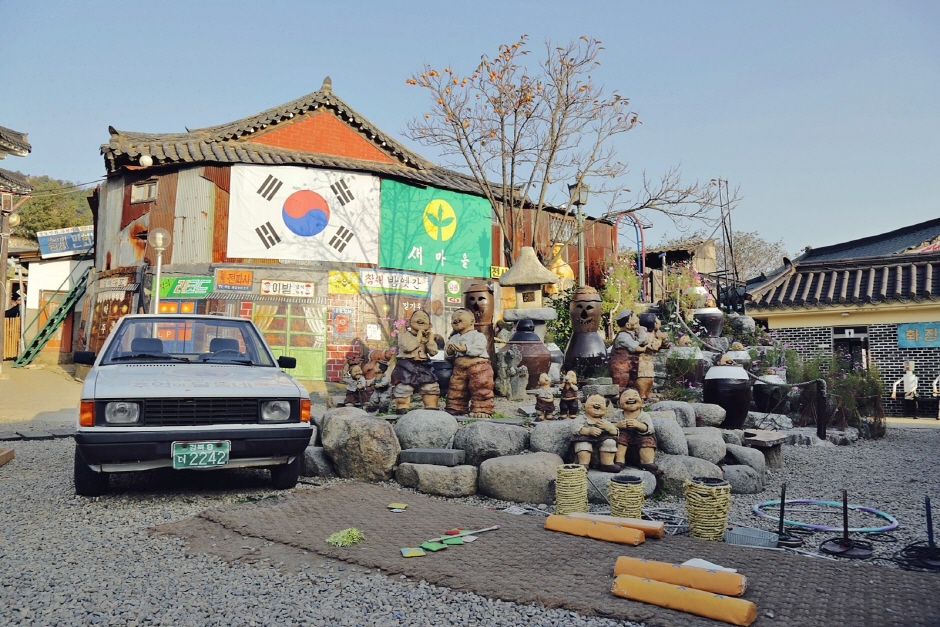
The Daldongnae of Olden Times is a modern history theme park that recreates everyday life in Korea during the 1970s-80s, through a variety of vintage products. Visitors can get a glimpse into Korean retro culture as they explore old radios, vintage-style electronic shops and alley shops, and classrooms from that era. The museum also offers retro school uniform rentals and a dalgona experience, allowing visitors to step back into the past.
Cheonggong (청공한옥)
9.3Km 2024-12-19
5-6 , Igu 2-gil, Gyeongju-si, Gyeongsangbuk-do
+82-10-9009-6022
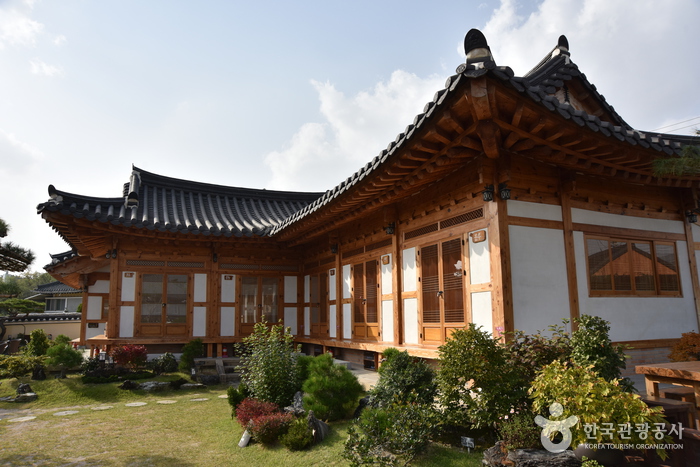
Cheonggong hanok stay is just 10-minutes’ walk from Gyeongju Bulguksa Station, on the Donghae Line, in Gyeongsangbuk-do. A traditional hanok built of timber and red clay bricks, this is a quiet and restful place. In the yard, visitors will find pine and other trees, garden plants and strangely-shaped rocks expressing harmony with each other, while beautiful flowers nestle in the field in front of the house. Each guestroom has a bathroom with toilet.
Cheongjae Hanok (청재한옥)
9.7Km 2025-03-24
163 Bulguk-ro, Gyeongju-si, Gyeongsangbuk-do
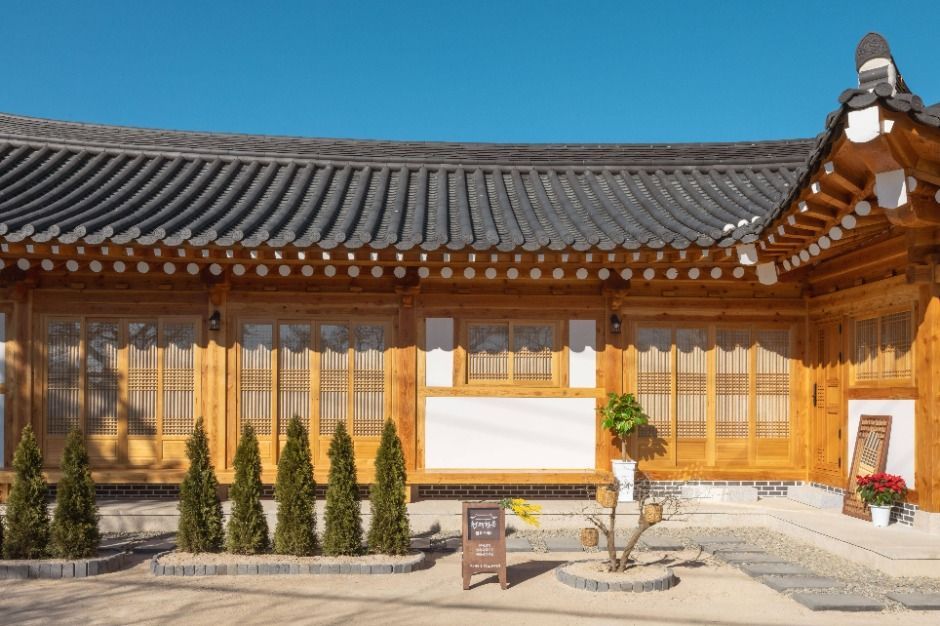
A cozy hanok accommodation in Gyeongju, Cheongjae Hanok is recommended to guests who seek to relax in a hanok nestled in a pine forest. Breakfast is offered upon advance request, and the building is equipped with a spacious parking space.
![Moda Outlet - GyeongjuPohang Branch [Tax Refund Shop] (모다아울렛 경주포항점)](http://tong.visitkorea.or.kr/cms/resource/37/2883737_image2_1.jpg)
Moda Outlet - GyeongjuPohang Branch [Tax Refund Shop] (모다아울렛 경주포항점)
10.0Km 2025-10-27
4930, Saneop-ro, Cheonbuk-myeon, Gyeongju-si, Gyeongsangbuk-do
-
GUTORAN (구토란펜션)
10.0Km 2024-08-01
17-25 , Gwigye-gil, Gyeongju-si, Gyeongsangbuk-do
+82-54-746-4847, +82-10-3520-9576
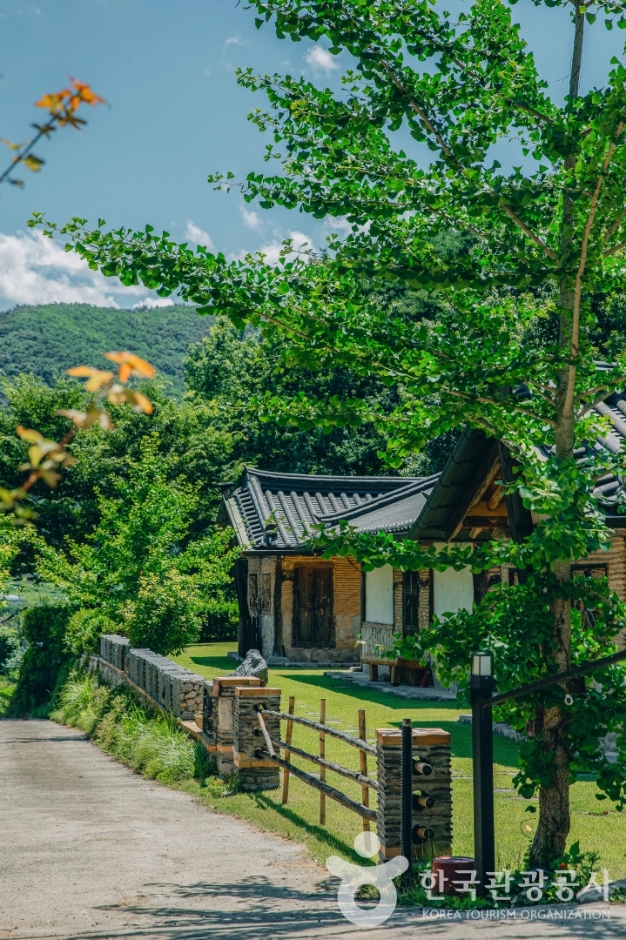
Gutoran is a hanok pension in Naenam-Myeon, Gyeongju, Gyeongsangbuk-do, owned by a ceramic artist who has hand-painted and decorated the house with his own roof tiles and pottery. In front of the house is a garden and lotus pond, also decorated with ceramic works. Nearby is the owners’ pottery workshop called (‘Gutoranyo’) where visitors can take part in ceramic classes.
Bullidan Street (불리단길)
11.0Km 2025-05-28
11 Bulguksintaekji 5-gil, Gyeongju-si, Gyeongsangbuk-do
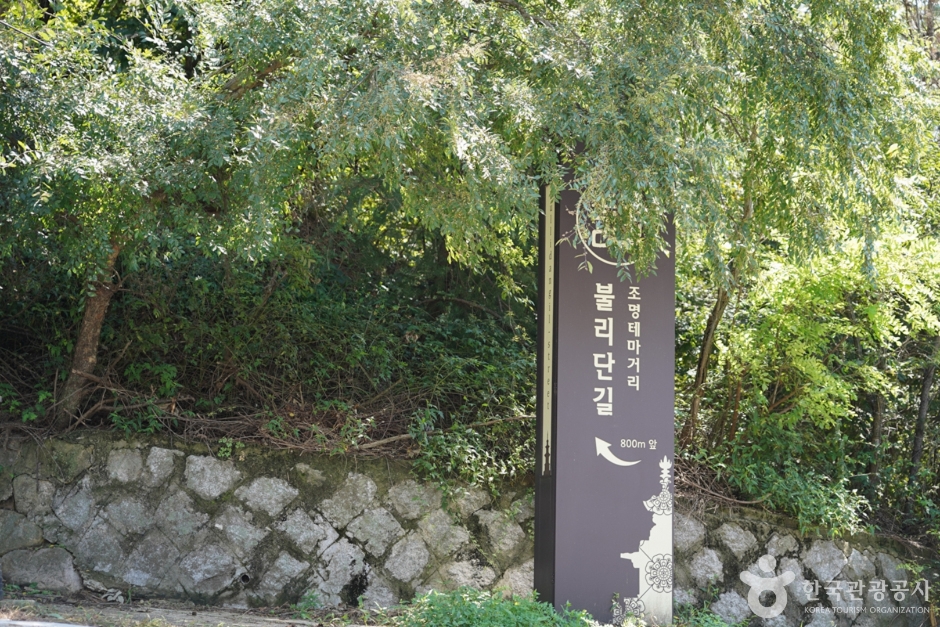
Bullidan Street, near Bulguksa Temple, once a popular destination for school and group trips, is gaining renewed attention with the opening up of various cafés, restaurants, and workshop spaces in the area. In spring, the street blooms with King Cherry Blossoms, attracting many visitors. On Saturdays, a flea market opens, offering handmade goods and souvenirs. It is the perfect place to stop by and unwind after visiting Bulguksa Temple or hiking.
![Gyeongju Bulguksa Temple [UNESCO World Heritage] (경주 불국사 [유네스코 세계유산])](http://tong.visitkorea.or.kr/cms/resource/03/2678603_image2_1.jpg)
Gyeongju Bulguksa Temple [UNESCO World Heritage] (경주 불국사 [유네스코 세계유산])
11.1Km 2025-03-24
385 Bulguk-ro, Gyeongju-si, Gyeongsangbuk-do
+82-54-746-9913
Bulguksa Temple is a representative relic of Buddhist culture from the Silla kingdom. The temple was built during the 15th year of King Beopheung's reign (514-540) to wish for peace and prosperity for all. It was later rebuilt in 751 by Kim Dae-seong. Unfortunately, the temple caught fire during the Imjin War (1592-1598). After the war, the temple suffered serious damage and was often the target of theft.
Starting in 1920, the temple has undergone continual restoration work. The temple now holds seven national treasures and a number of additional important heritages and was designated a World Cultural Heritage Site along with the nearby Seokguram Grotto by UNESCO in December 1995.
 English
 한국어
한국어 日本語
日本語 中文(简体)
 Deutsch
 Français
 Español
 Русский


