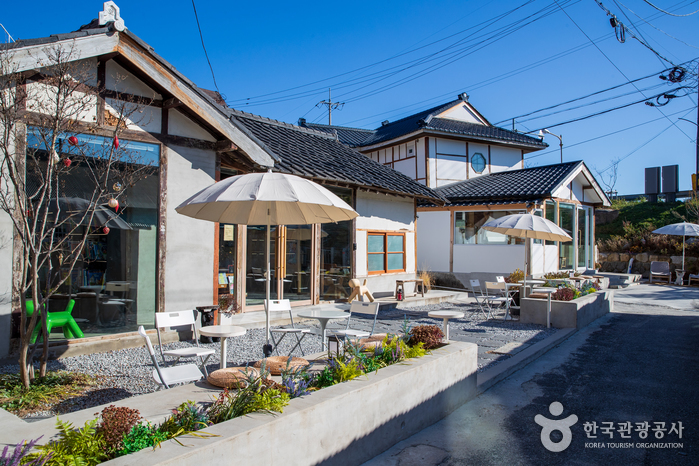
Gangneung Myeongju-dong Streets (강릉 명주동 거리)
14.8Km 2024-05-02
Myeongju-dong, Gangneung-si, Gangwon-do
Myeongju-dong in Gangneung has been the center of administration and culture from the Goryeo dynasty onwards. Nowadays, visitors can enjoy a range of concerts, performances, and events at the Myeongju Art Space, Haetsal Museum, Jageun Stage, Gangneung Coffee Festival, Myeongju Flea Market, and more. The streets here are lined with unique cafes, cultural spaces, and history.
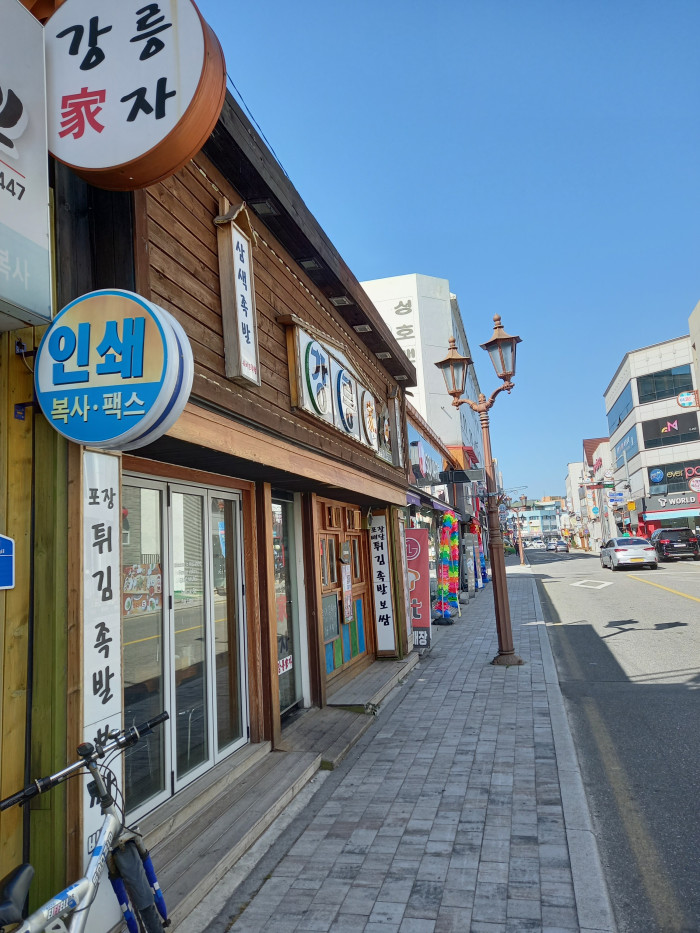
Gangneung Gaja (강릉가자)
14.8Km 2024-10-15
3, Munhwaui-gil, Gangneung-si, Gangwon-do
This is a house that serves delicious fried pig’s feet. The best menu at this restaurant is fried pigs' feet. This Korean dishes restaurant is located in Gangneung-si, Gangwon-do.
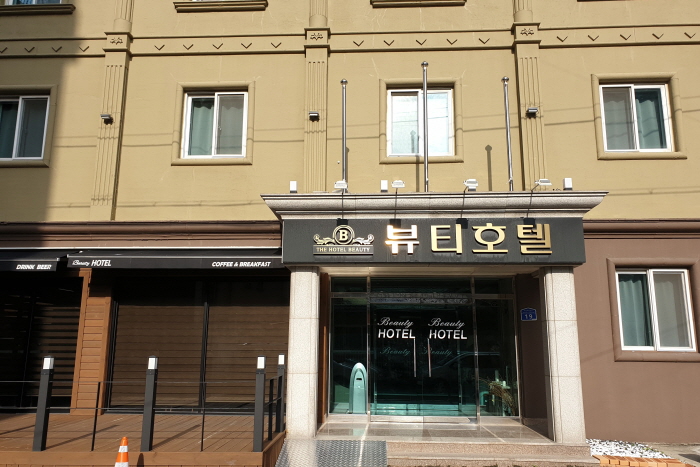
The Beauty Hotel / 더뷰티호텔
14.9Km 2025-03-31
19 , Okcheon-ro 62beon-gil, Gangneung-si, Gangwon-do
The Beauty Hotel, just 5-minutes’ walk from Gangneung Station in Gangwon-do, offers a range of rooms to suit different customers. A breakfast of cereal, yogurt, bread, eggs, and coffee is provided. Gangneung tourist information and a bicycle/electric scooter rental service are both available at the front desk. The hotel’s central location makes it a good base for exploring Gangneung; Jungang Market is reachable on foot.
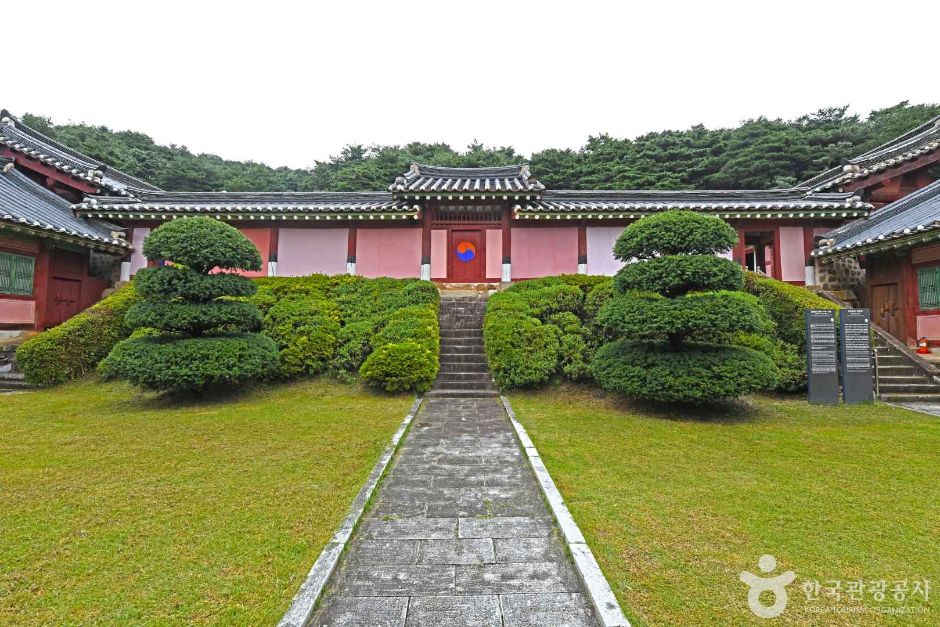
Gangneunghyanggyo Local Confucian School (강릉향교)
15.3Km 2025-02-04
29 Myeongnyun-ro, Gangneung-si, Gangwon-do
Hyanggyo (local Confucian school) is an educational institution from the Joseon era. It housed memorial tablets for esteemed Confucian scholars, such as Confucius and Mencius, and hosted commemorative services. Gangneunghyanggyo consists of traditional hanok buildings, including Daeseongjeon Shrine, used for rites; Myeongryundang Lecture Hall, a space for education; and the East (Dongjae) and West (Seojae) Dormitories, where students resided. Today, Seokjeon (rite to honor Confucius and Confucian scholars) is held every spring and fall.

Gangneung Museum of Art (강릉시립미술관)
15.5Km 2023-07-27
46 , Hwabusan-ro 40beon-gil, Gangneung-si, Gangwon-do
Gangneung Museum of Art was opened in September 2006 and re-opened as a museum managed by the city of Gangneung in April 2014. Gangneung Museum of Art has nearly 530,000 m2 of exhibition space across two floors, and the building also has a view of Gangneung’s city center as well. The museum hosts exhibitions that allow everyone to communicate through artworks, not just artists, and is trying to expand cultural education in the city by providing various experience programs. In addition to special exhibitions by famous Korean and international artists, there are also frequent exhibitions based on the local colors of Gangwon-do and the people of Gangneung, offering an opportunity to get a deeper understanding of Gangneung.
Eodal Port (어달항)
15.5Km 2025-07-18
230 Ilchul-ro, Donghae-si, Gangwon-do
Eodal Port is a small port that was founded in 1984, and there are currently 70 boats that use the dock. It's a great place to get a take in the view of the coastal village nestled among the mountain foothills and soak up the port city atmosphere. At the port's entrance has signs decorated with fish and fisher, depicting the significance of fishing industry at this port. Recreational fishing is also available at the breakwater or by hopping on a boat.
Gangneung Solhyang Arboretum (강릉 솔향수목원)
15.7Km 2023-12-06
156 Sumogwon-gil, Gujeong-myeon, Gangneung-si, Gangwon-do
Gangneung Solhyang Arboretum was built in 2008 and opened on October 30, 2013 in Gujeong-ri, Gujeong-myeon. The arboretum was formed around the scenic Yongsogol Valley and the foothills of Chilseongsan Mountain, which still preserves the prestigious Geumgang pine tree forest. The arboretum spreads across an area of 78.5 ha and is organized in 25 themes that boast a total of 220,000 plants of 1,127 different species. Visitors can enjoy a wide variety of scenery that change with season as well as themed areas such as eco-forest path dense with a colony of ginger trees and bamboos, pine forest square, wildflower gardens and more. The main attraction of this arboretum is the walking path named "Breath of Thousand Years Healing Path."
Chodang Halmeoni Sundubu (초당할머니순두부)
15.9Km 2024-12-02
77 , Chodangsundubu-gil, Gangneung-si, Gangwon-do
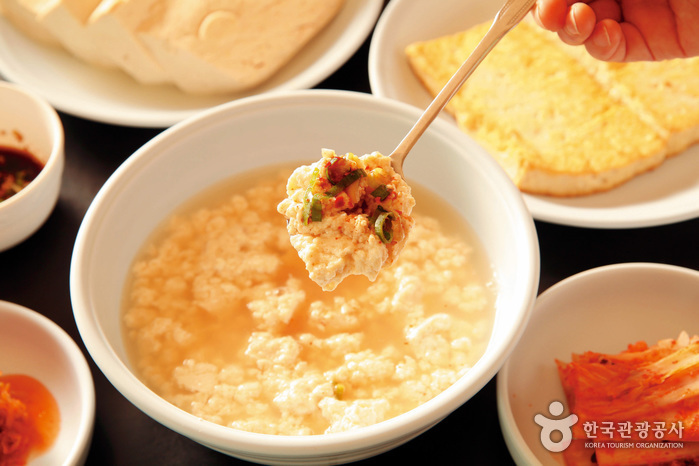
This restaurant makes bean curd using traditional methods every morning. Their main menu is sundubu baekban (soft bean curd set menu), which lets you savor the rich flavor of freshly made bean curd without any added seasonings. They also serve a popular spicy soft bean curd stew, eolkeun jjaebok sundubu, made with venus clams from the East Coast.
Gangneung Jjamppong Sundubu Donghwa Garden (강릉짬뽕순두부 동화가든 본점)
16.0Km 2025-02-06
15 Chodangsundubu-gil 77beon-gil, Gangneung-si, Gangwon-do
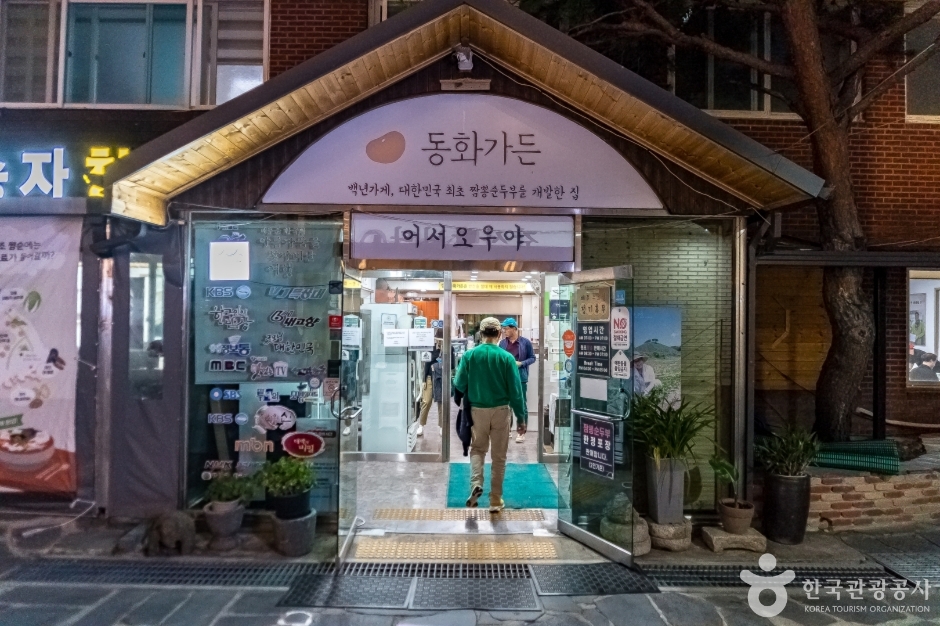
This restaurant was the first to start selling jjamppong sundubu (spicy seafood and soft bean curd soup) in Chodang Dubu Village. Their signature dish features a perfect blend of spicy seafood soup and rich, nutty soft bean curd. They also offer eolkeun sundubu (spicy soft bean curd stew) made with pork and beef bone broth, with soft bean curd and eggs at the end. Their kimchi, made with soybean whey left over from the bean curd-making process, is a unique specialty. You can also purchase their bean curd and kimchi separately.
Dojjaebigol Haerang Observatory (도째비골 해랑전망대)
16.0Km 2025-07-18
Mukhojin-dong, Donghae-si, Gangwon-do
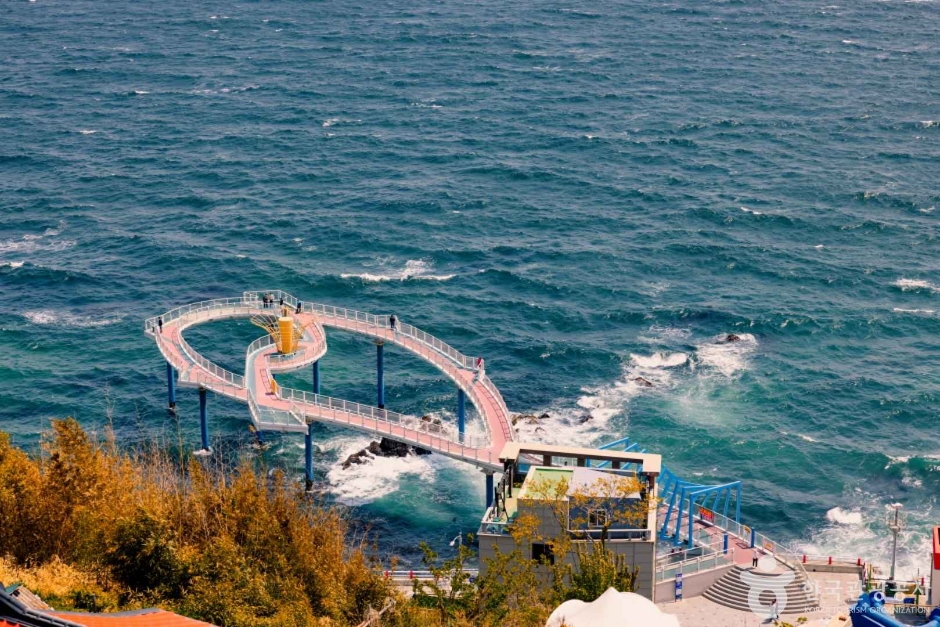
Dojjaebi is a dialect for dokkaebi, a mythical goblin in Korean folklore. Dojjaebigol Haerang Observatory, a 85-meter pedestian overpass, is designed to take the shape of a club known to be used dokkaebi. The word "haerang" means "the space where the sun, the sea, and you are all together." The entrance to the obsertory overpass is designed to give a sense as if one is warping into the realm of dokkaebi. The bridge floor is built using glass and mesh so that visitors can see the ocean water under their feet.
 English
 한국어
한국어 日本語
日本語 中文(简体)
 Deutsch
 Français
 Español
 Русский


