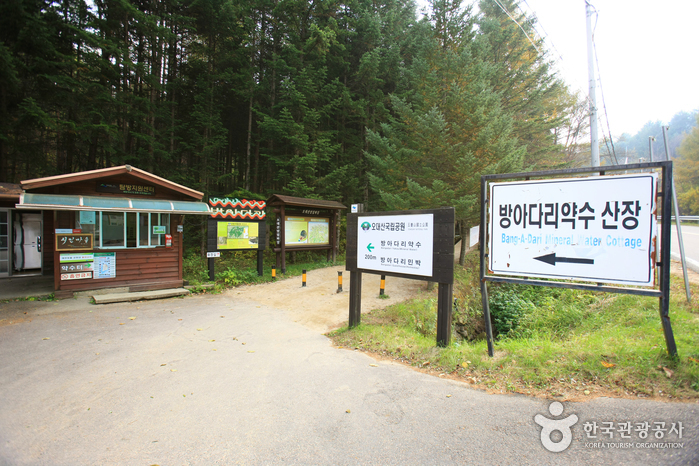
Bangadari Mineral Spring (방아다리약수터)
18.6Km 2023-04-07
1011-26, Bangadari-ro, Pyeongchang-gun, Gangwon-do
Bangadari Mineral Spring is a crisp and healthy water source located in the woods off the Yeongdong Highway. The mineral spring contains over 30 kinds of healthy minerals including carbonic acid and iron, which are known to be especially effective in treating stomach disorders, anemia, and neuralgia. The 1-kilometer long path leading from the entrance to the mineral spring site is great for taking a stroll as it is surrounded by fir trees.
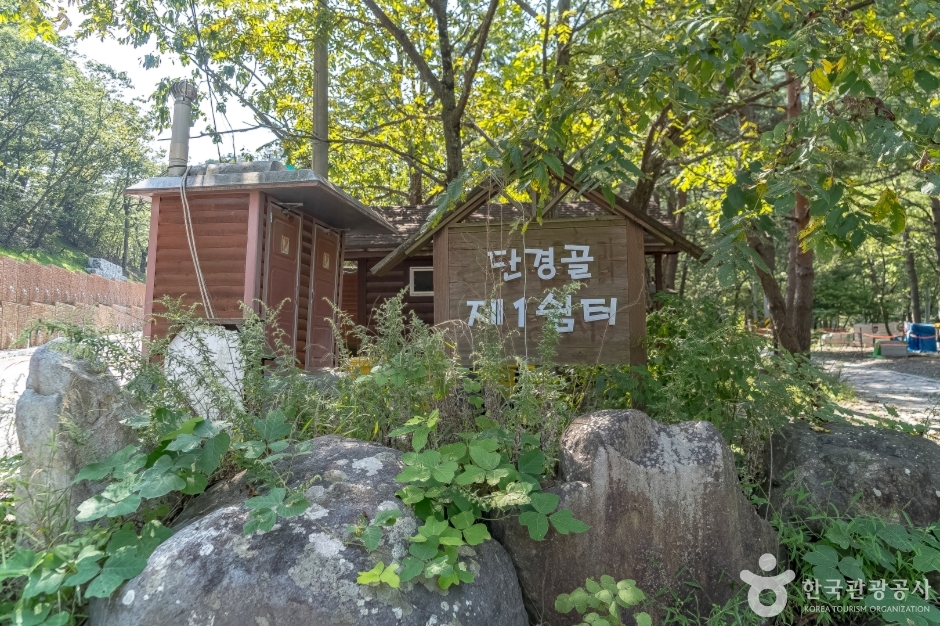
Dangyeonggol Recreation Area (단경골 휴양지)
18.9Km 2024-03-18
841 Dangyeong-ro, Gangdong-myeon, Gangneung-si, Gangwon-do
Located in Dangyeonggol Valley, upstream of the Gunseongang River in Gangneung, Dangyeonggol Recreation Area boasts unique rock formations and stunning scenery. Its tranquil and serene atmosphere makes it a popular tourist destination in summer. In fall and winter, the valley is renowned for its vibrant fall foilage and picturesque snow-covered landscapes. The Dangyeonggol Recreation Area is situated 16 kilometers south of Gangneung Station.
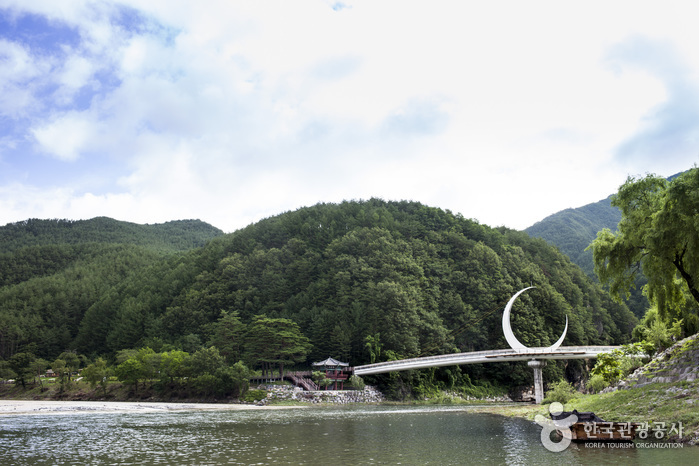
Auraji Lake (아우라지)
19.5Km 2022-12-26
69, Auraji-gil, Jeongseon-gun, Gangwon-do
Auraji is the name of a lake located in Yeoryang-myeon in Jeongseon-gun. It is here that Jeongseon Arirang, the Intangible Cultural Asset of Gangwon-do, originated. The area has long been famous for its beautiful, clean mountains and rivers. Its name is derived from the Korean word eoureojida, meaning "to meet" as the waters of Pyeongchang and Samcheok unite in this area.
Part of the upper stream of Namhangang River, Auraji was a famous starting point of log rafts transporting timber to Hanyang, the original name of Seoul. In the old days, one could always hear the singing of boatmen who came from all over the nation. The lyrics of Jeongseon Arirang reveal the sadness and longing of a woman awaiting her husband who left for business to a far-away place or left to transport timber.

Jeongseon Arirang Training Hall (정선아리랑 전수관)
19.5Km 2021-07-21
69, Auraji-gil, Jeongseon-gun, Gangwon-do
Jeongseon Arirang is an important intangible heritage of Korea, being designated Gangwon-do Intangible Cultural Asset No. 1, as well as recorded as a UNESCO Intangible Cultural Heriatge. The song was created in the late Goryeo dynasty by seven worshippers of the dynasty who settled in Jeongseon. The song was made to help the local scholars understand Chinese poetry, and to express the stories and emotions to the locals. The Jeongseon Arirang Training Hall was established to preserve and promote this history, as well as develop the local folk culture. The hall is located by the Auraji riverside at the point where Songcheon and Goljicheon Streams meet. The facilities are comprised of three buildings, divided into an exhibition area, and a experience area. In the experience area, visitors can learn how to perform Jeongseon Arirang by official holders of the intangible heritage. Programs are free but require advance reservation.
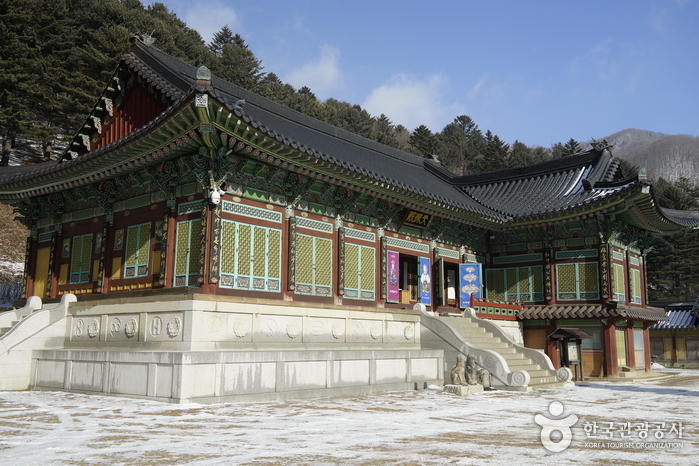
Sangwonsa Temple (상원사(오대산))
19.6Km 2021-12-06
1215-89, Odaesan-ro, Pyeongchang-gun, Gangwon-do
Sangwonsa Temple is located 8 kilometers north of Woljeongsa Temple. The temple was built by Buddhist monk Ja Jang in the 12th year of Silla Queen Seondeok, and rebuilt in 705 during the 4th year of King Seongdeok's reign. It burned down in 1946, but was restored once again in 1947. The temple is home to the Bronze Bell of Sangwonsa (a National Treasure), the oldest bronze bell in the nation. The bell, built during the 24th year of King Seongdeok, has a x_height of 1.67 meters and a diameter of 91 centimeters with a beautiful, clear ring. Other relics at the temple include Statue of Child Manjusri, said to have been seen directly by King Sejo, as well as a tablet commending the rebuilding of Sangwonsa Temple, written by King Sejo. Gwangdaegeori, located at the temple entrance, is also connected with King Sejo through a story of his bathing in the pure mountain stream one day while visiting Sangwonsa Temple.
 English
 한국어
한국어 日本語
日本語 中文(简体)
 Deutsch
 Français
 Español
 Русский


