
Clayarch Gimhae Museum (클레이아크 김해미술관)
16.0Km 2022-12-29
275-51, Jillye-ro, Jillye-myeon, Gimhae-si, Gyeongsangnam-do
The name “Clayarch” is a compound word of clay and arch, short for“architecture.” It embodies the basic spirit of the museum, which is to pursue development in the field of architectural ceramics through working with science, art, education, and industry.
Clayarch Gimhae Museum aims to play a leading role in the development of architectural ceramics, which are now spreading across the globe. It intends to do so by rediscovering the relationship between ceramics and architecture – a matter that has been relatively ignored – as a new direction for ceramic art. This reflects the pluralism of this time, which seeks to pursue something creative and new and to overcome the limitations of specific fields through working with different genres. The museum seeks to actively lead this artistic attempt, and make aesthetic and scientific achievements in this field with theoretical backing gained through academic activities, lectures, and research.
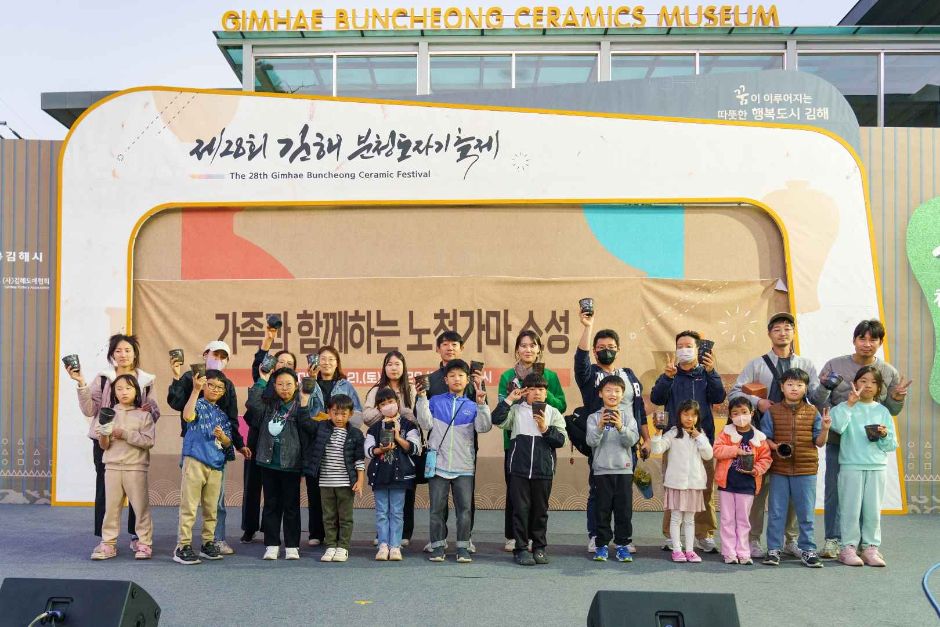
Gimhae Buncheong Ceramics Festival (김해분청도자기 축제)
16.2Km 2025-07-11
17 Buncheong-ro, Jillye-myeon, Gimhae-si, Gyeongsangnam-do
+82-55-330-3245
The Gimhae Buncheong Ceramics Festival highlights the excellence of Buncheong ceramics and their everyday appeal. The festival offers a chance to see a wide variety of ceramics and participate in hands-on activities such as traditional kiln firing.
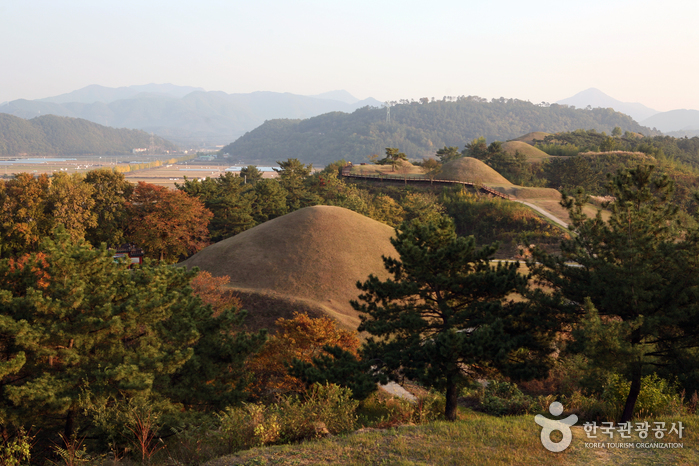
Ancient Tombs in Marisan Mountain, Haman (함안 말이산 고분군)
17.0Km 2023-10-12
114 Bondong-gil, Gaya-eup, Haman-gun, Gyeongsangnam-do
The Ancient Tombs in Marisan Mountain are from the Aragaya State, and showcase the Gaya culture through many remaining relics. There are around 100 large tombs, assumed to be those of the Aragaya kings, located on the upper summit, as well as nearly 1,000 smaller tombs on the lower side of the mountain. The tombs were first excavated during the Japanese occupation, as which point Tomb No. 34 was found to be the largest tomb, with a circumference of 39.3 meters and a x_height of 9.7 meters. However, Tomb Nu. 8 is more famous, discovered to inter five people and including armor designed with images found on the tomb walls of Goguryeo kingdom.
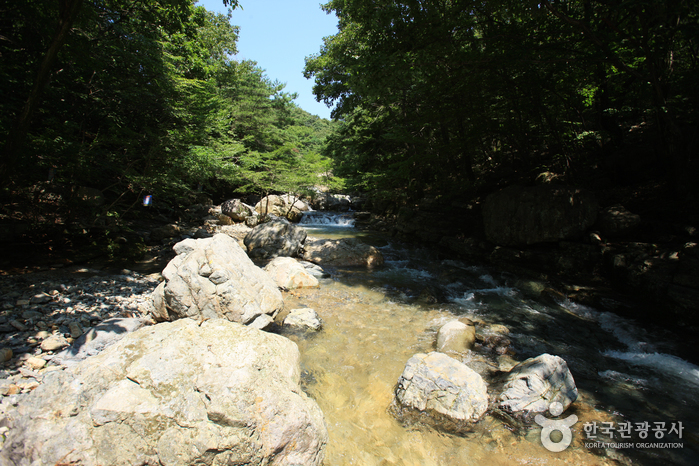
Jangyu Daecheonggyegok Valley (장유대청계곡)
17.8Km 2022-08-12
Wolsan-ro, Gimhae-si, Gyeongsangnam-do
The 6-kilometer-long Jangyu Daecheonggyegok Valley is located at the foot of Bulmosan Mountain, where the water flowing into the valley divides into two principal streams. Lush trees and clean water make up the area’s beautiful natural landscape. A 30-minute hike along the valley will take hikers to Jangyuam Hermitage where they will find the stupa of Jangyuhwasang, who is said to have spread Buddhism for the first time in Korea.
Visitors flock to Jangyu Daecheonggyegok Valley not only to enjoy the scenery, but also to taste the delicious duck, chicken, and baeksuk (chicken soup with rice) dishes sold around the area. In 1984, the valley was integrated into Jangyupokpo Recreational Park where bridges were built and water supply facilities were placed at two locations. Sangjeolgyo Bridge at the entrance to the valley is 30 meters, while Bonpogyo Bridge is 4 meters. A 1,720 meter-long forest trail was also created. The rugged mountain terrain offers a challenging, yet highly interesting climb up the mountain.
 English
 한국어
한국어 日本語
日本語 中文(简体)
 Deutsch
 Français
 Español
 Русский


