
Yeonggeumjeong (영금정)
4.3Km 2022-12-21
35, Dongmyeonghang-gil, Sokcho-si, Gangwon-do
Yeonggeumjeong refers to the area covering the shore by the Sokcho Lighthouse in Sokcho-si City. The name Yeonggeumjeong comes from a notion that the sound of waves hitting the rocks is comparable to the melody of geomungo (traditional stringed instrument with 6 strings). At the end of the 50m-long bridge built over a rocky peninsula is a pavilion offering a view of the East Sea.
Abai Village Ferry (아바이마을 갯배)
4.8Km 2022-12-21
39, Jungangbudu-gil, Sokcho-si, Gangwon-do
Gaetbae (boat without engine) is an exotic means of transportation to cross the Abai Village at the mouth of Cheongchoho Lake. It is a rapid means of traveling between downtown Sokcho and Abai Village along the 50 m-long waterway. This small barge-style boat without an engine can be run by pulling the wire manually. When fixing the solid steel wire on both sides of the waterway and pulling it hard with a hook, a boat moves forward slowly. As there is no boatman, passengers need to work together to move the boat. It takes about 5 min to cross the water by boat. This unique experience still attracts many tourists to Sokcho. Furthermore, it is known as the filming location for the Korean TV drama Autumn in My Heart, so many tourists from Japan and China visit the place.
Cheongchoho Lake Park (청초호 호수공원)
5.2Km 2024-04-08
140 Expo-ro, Sokcho-si, Gangwon-do40
Cheongchoho Lake Park is where the 1999 International Tourism & Culture Expo was held. Benches are scattered around the park for resting in the shade of trees. By the natural lake is a walking deck for enjoying tulips in spring, marinas in summer, chrysanthemums in fall, and snow in winter. From the top of the Expo Tower, one can see a panoramic view of Cheongchoho Lake, Cheongchoho Lake Park, the East Sea, and even Jodo Island. On the other side, Ulsanbawi Peak and Dalmabong Peak of Seoraksan Mountain come into view.
Forest Museum (숲박물관)
5.3Km 2024-12-23
3054 Misiryeong-ro, Sokcho-si, Gangwon-do
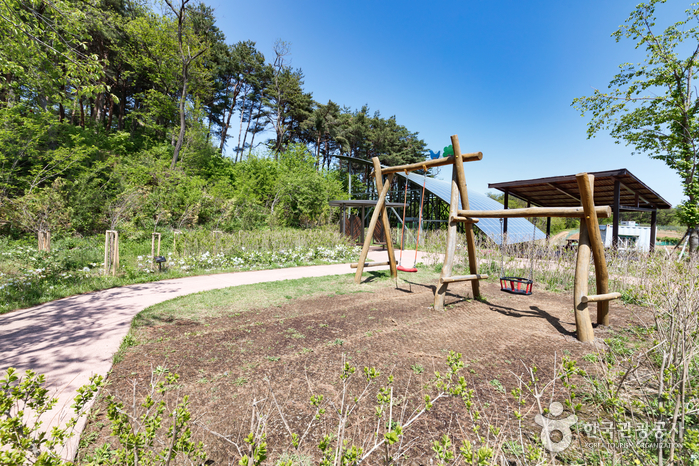
Forest Museum is a scenic forest path connecting the Sokcho City Museum and the National Mountain Museum. Its well-maintained trails are lined with diverse trees and flowering plants, including Asiatic liverworts, peonies, pasque flowers, bridal wreath, Flowering Cherry, and Korean Azaleas. The area is adorned with flowers blooming throughout the seasons. It also features a children's playground, a water garden, and serene rest areas with pergolas, outdoor tables, and scenic spots for relaxation.
Hanwha Resort Seorak Waterpia (한화리조트 설악 워터피아)
5.3Km 2024-02-28
111 Misiryeong-ro 2983beon-gil, Sokcho-si, Gangwon-do
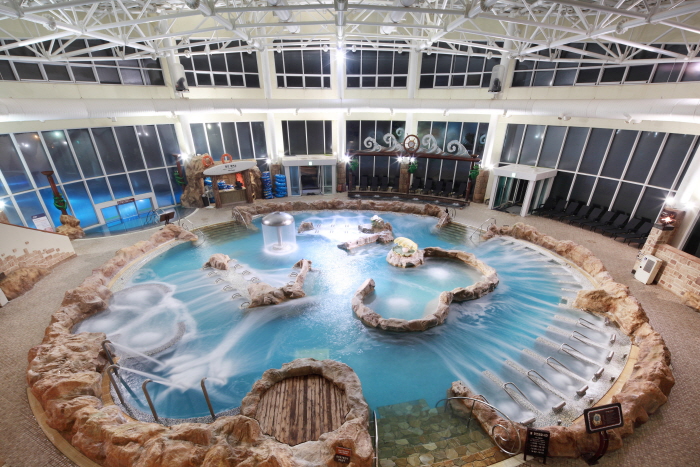
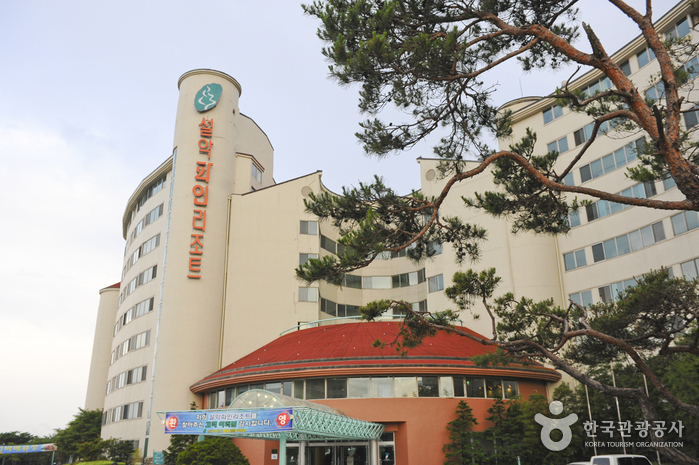
Hanhwa Resort Seorak Waterpia is a theme park where visitors can enjoy both hot spring baths and water parks. Using natural hot spring water, Seorak Waterpia is divided into a spa zone and a water zone. Its main facilities include indoor saunas, swimming pools, and a rooftop spa, with the outdoor sauna being the most popular. The park is open all year round and offers a variety of attractions.
Hanwha Resort Seorak (한화리조트 설악)
5.3Km 2025-03-16
111, Misiryeong-ro 2983beon-gil, Sokcho-si, Gangwon-do
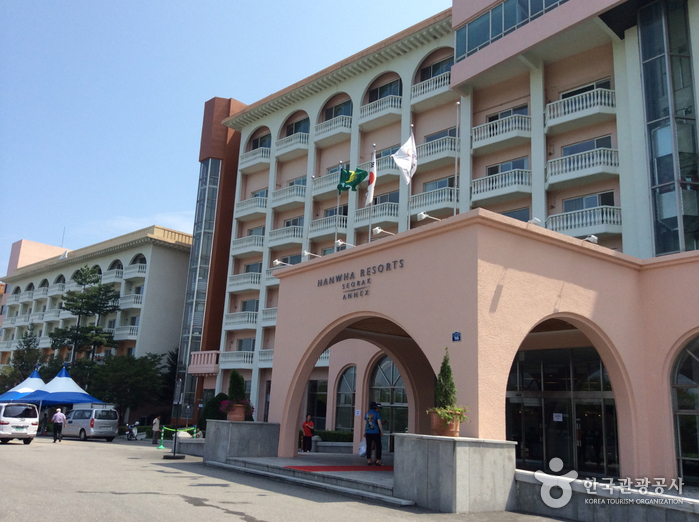
Hanwha Resort Seorak features breathtaking views of Seoraksan Mountain and the East Sea. Guests can relax at the spa or enjoy playing a round of golf.
Seorak Plaza Country Club (설악프라자컨트리클럽)
5.3Km 2022-08-12
1111, Misiryeong-ro 2983beon-gil, Sokcho-si, Gangwon-do
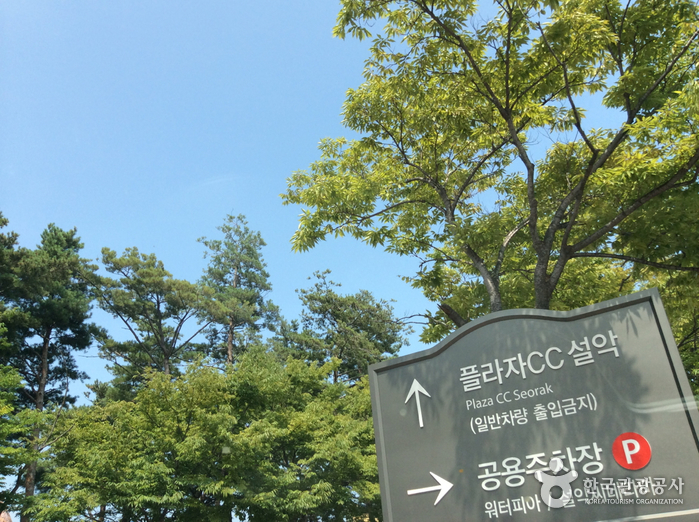
Seorak Plaza Country Club is located in the beautiful environment of Sokcho on Korea's eastern coast. The Mountain View Course showcases Seoraksan National Park, while the Sunrise View Course overlooks the East Sea.
Sokcho Museum (속초시립박물관·속초실향민문화촌)
5.5Km 2021-09-24
16, Sinheung 2-gil, Sokcho-si, Gangwon-do
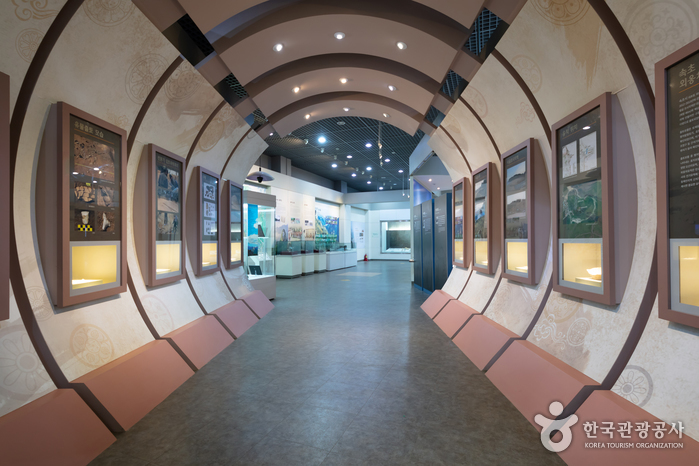
The Sokcho Museum is a cultural experience center where visitors can learn about and experience Sokcho’s history, culture, and natural environment, covering from prehistoric times to modern times. It displays artifacts related to regional tradition and culture, the fishing village culture, and the culture of the displaced people who took refuge during the Korean War.
The museum is divided into four sections: Exhibition Hall 1, which introduces Sokcho’s natural environment and cultural characteristics; Exhibition Hall 2, displaying the aspects of a fishing village and life of the Korean War refugees; Exhibition Hall 3, which provides diverse cultural experiences for children; and the Balhae History Hall with materials and artifacts related to the ancient Balhae Kingdom. The museum also has a reproduction of Cheongho-dong Alley, where the Korean War refugees from North Korea settled adn lived, and Sokcho Station building that was demolished in 1978.
Sokcho Marina (속초마리나)
5.8Km 2024-04-08
106 Cheolsae-gil, Sokcho-si, Gangwon-do
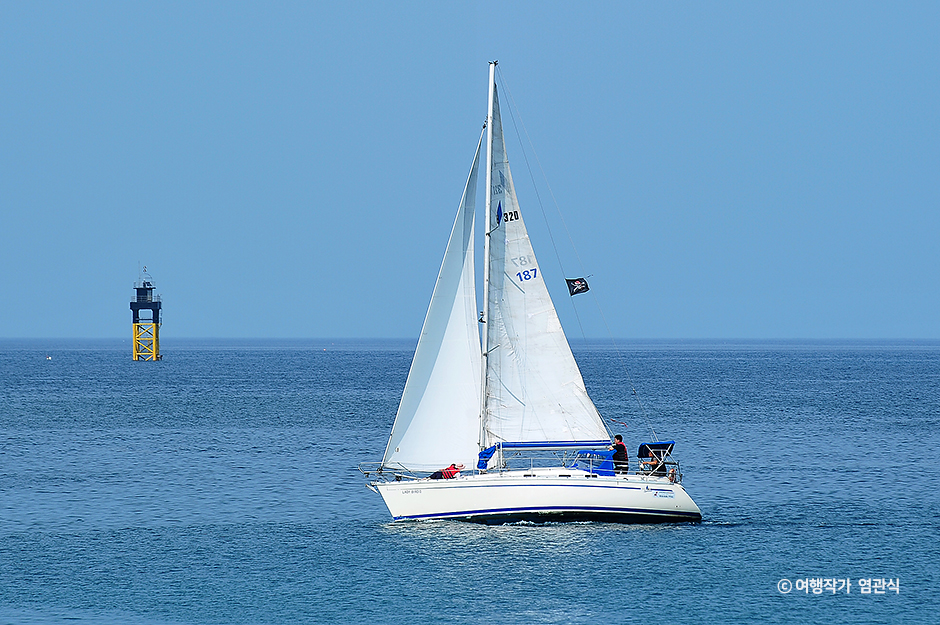
Sokcho Marina is a great place to visit with family members in the maritime city of Sokcho. Looking at the East Sea is lovely, but sailing through the blue sea is even more enjoyable. Sokcho Marina has a 12-seater cruise yacht suited for family and friends as well as a sailing yacht where passengers can soak up the romantic mood. By the dock is Cafe Marina where one can enjoy the view of yachts anchored in the bay through the window. The cruise route starts from Cheongchoho Lake and passes by Seorakdaegyo Bridge and Sokcho Beach, and turns around Jodo Island, one of the eight scenic sights of Sokcho, before returning to the dock.
 English
 한국어
한국어 日本語
日本語 中文(简体)
 Deutsch
 Français
 Español
 Русский


