
Sokcho Beach (속초해수욕장)
17.3Km 2024-11-28
190 Haeoreum-ro, Sokcho-si, Gangwon-do
Sokcho Beach opened in 1976 and is one of Korea's representative beaches. It is close to Sokcho's downtown, and the express bus terminal is also within walking distance, so transportation is convenient. With clear sea water, shallow depth, and a gentle slope, Sokcho Beach attracts visitors from all over the country every summer. Especially during the high season in July and August, the beach is so cluttered that there's nowhere to walk. There are many restaurants and facilities near the beach. And there is a pine forest with a small park and a trail behind the beach. The sculptures installed throughout the sandy beach are a sight to see regardless of the season, so tourists continue to visit even after the holiday season. There are sculptures including the Korean initials "ㅅㅊ" symbolizing Sokcho, a large compass showing directions to countries around the world, and a dolphin sculpture. The large picture frame with the blue sea in the background and the Stairway to Heaven are the most popular photo spots here. The beach often serves as a venue for a variety of events like performances and festivals.
Seoraksan National Park (Southern Section) (설악산국립공원 (남설악))
17.6Km 2024-04-02
801 Seorak-ro, Yangyang-gun, Gangwon-do
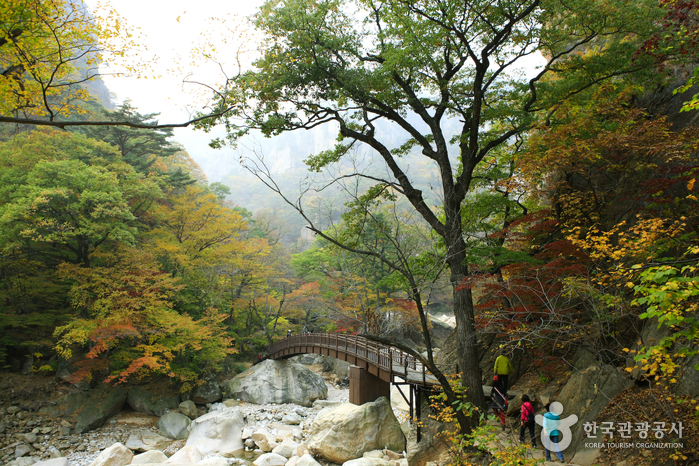
Seoraksan Mountain, the highest amid the Taebaek Mountain Range, boasts beautiful landscape and scenery all year round. To the east of Hangyeryeong and Misiryeong Passes is classified as the outer section ("Oeseorak"), to the west is the inner section ("Naeseorak"); and to the south of Hangyeryeong Pass as the southern section ("Namseorak").
The southern section is famous for its mineral water, hot springs, and waterfalls including Yongsopokpo, Sibipokpo, and Yeosinpokpo Falls. Jeongbongsan Mountain (1,424.2 meters) is also included in the area. There are also several different hiking courses varying in distance and duration.

Abai Village Ferry (아바이마을 갯배)
17.7Km 2022-12-21
39, Jungangbudu-gil, Sokcho-si, Gangwon-do
Gaetbae (boat without engine) is an exotic means of transportation to cross the Abai Village at the mouth of Cheongchoho Lake. It is a rapid means of traveling between downtown Sokcho and Abai Village along the 50 m-long waterway. This small barge-style boat without an engine can be run by pulling the wire manually. When fixing the solid steel wire on both sides of the waterway and pulling it hard with a hook, a boat moves forward slowly. As there is no boatman, passengers need to work together to move the boat. It takes about 5 min to cross the water by boat. This unique experience still attracts many tourists to Sokcho. Furthermore, it is known as the filming location for the Korean TV drama Autumn in My Heart, so many tourists from Japan and China visit the place.
Songjeonhaebyeon Beach (송전해수욕장)
17.8Km 2024-02-05
21-7 Songjeon-ri, Sonyang-myeon, Yangyang-gun, Gangwon-do
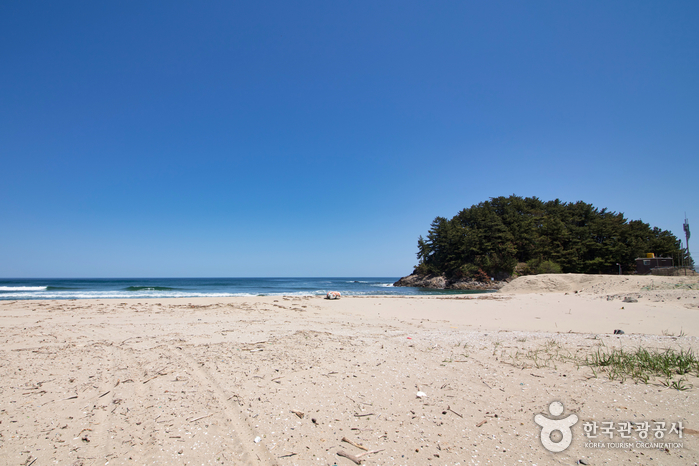
This beach ranks among Korea's most favored surfing destinations. With its pristine white sand, it stretches 900 meters in length and 80 meters in x_width, and has a depth of 1 meter. It holds the distinction of being the second largest and longest white sand beach in Yangyang-gun, following Naksanhaebyeon Beach. Notably, the water here is so clean and clear that visitors can enjoy clamming.
Osan-ri Prehistory Museum (오산리선사유적박물관)
17.9Km 2021-08-11
33, Hakpo-gil, Yangyang-gun, Gangwon-do
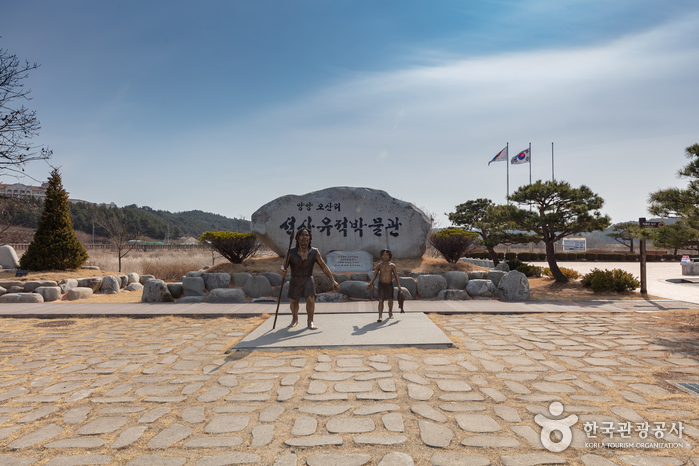
Osan-ri Prehistory Museum is dedicated to preserving, researching, and exhibiting artifacts found in the Archaeological Site in Osan-ri, Yangyang. These artifacts, dating back to the Neolithic period about 8,000 years ago, were found over the course of public works on the museum’s surrounding wetlands. The collection of nearly 40,000 artifacts, include earthenware with a raised design, stone arrowheads, and net weights, represent one of the premier archaeological findings of the Neolithic period in Korea. The artifacts themselves speak to the fishing, hunting, and gathering activities of the Neolithic residents of Osan-ri. The museum is divided into indoor and outdoor exhibitions, storage, and research areas. Exhibition Hall 1, located indoors, offers a diorama of the Neolithic lifestyle in Osan-ri, such as fishing, gathering, and earthenware production. Exhibition Hall 2 introduces the prehistoric culture of the Yeongdong region, encompassing the periods from the Neolithic to the Iron Age in Yangyang, Goseong, and Gangneung. Outdoor Exhibition includes Neolithic cottage models, exploration paths, and Ssangho Wetlands, whose nickname of “the dancing reed bed” comes from the mysterious sight of the reed bed rising over the wetlands like an island, dancing to the winds.
Yeongnangho Lake (영랑호)
18.0Km 2022-12-21
140, Yeongnanghoban-gil, Sokcho-si, Gangwon-do
Yeongnangho Lake is a deep and large lake with a circumference of 7.8 km, an area of about 1.2 km2, and a depth of over 8 m, formed by the development of coastal dunes. The source water originates from the Jangcheoncheon Stream, passing through the lake, and goes to the East Sea via the waterway under the Yeongnanggyo Bridge. The lake is adjacent to the areas of Jangsa-dong, Yeongnang-dong, Dongmyeong-dong, and Geumho-dong. The pleasant trail is also established around the lakeside, surrounded by the beautiful scenery of cherry blossoms, azaleas, and reeds. According to Samguk yusa (Memorabilia of the Three Kingdoms), the name of the lake comes from Silla’s hwarang (elite warrior group in Silla) member named “Yeongnang.” After training at Geumgangsan Mountain, Yeongnang passed this lake on the way to get to the martial arts competition. As he was so taken by the splendid landscape, however, he forgot about the competition and stayed here for a long time. As the old record says, Yeongnangho Lake boasts outstanding scenery. Beombawi Rock, in particular, evokes visitors’ admiration as one of the Eight Sights of Sokcho. The rock, which resembles the shape of a tiger crouching down, has an aura of mystery. The nearby tourist attractions also include Gwaneumam Rock, which is known for the strange rocks and bizarre stones, Bogwangsa Temple, and the Wetland Eco Park, which is located in the west of the lakeside.
Yeongnangho Lake Beombawi Rock (범바위)
18.0Km 2025-10-28
140 Yeongnanghoban-gil, Sokcho-si, Gangwon-do
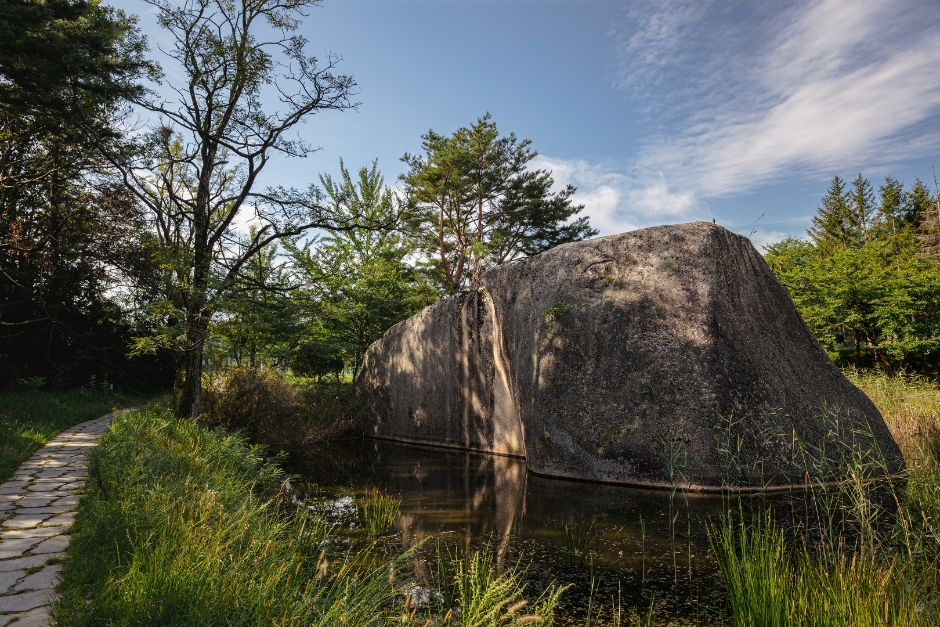
Located close to Yeongnangho Lake, the Beombawi Rock is one of the 8 Scenic Views of Sokcho. Its name comes from its shape, which resembles a tiger, beom in Korean. From the top of the Rock, visitors can enjoy the breathtaking view of the East Sea, Seoraksan Mountain, Ulsanbawi Rock, and Yeongnangho Lake Lake all at once.
◎ Travel information to meet Hallyu’s charm - "Decision to Leave (2022)"
The filming location of Gireumbong Peak in Gusosan Mountain is a fictitious location where a mysterious death occured. Beombawi Rock has a shape that looks like a crouching tiger, showing its magnificent stance. From Beombawi Rock, one can overlook the refreshing scenery of Yeongnangho Lake. Contrary to the movie's portrayal, it's not 138 stories high; it's about a 5-minute walk from the entrance to the Beombawi Rock.
Sokcho Culture Center (속초문화회관)
18.3Km 2021-11-30
155, Beonyeong-ro, Sokcho-si, Gangwon-do
Sokcho Culture Center is a cultural facility located in Sokcho-si, Gangwon-do. The main building houses a grand theater with fully-equipped lighting and sound systems, and practice rooms. The annex building has a small conference room, exhibition chamber, cultural room and administration offices.
Seolhaeone (설해원)
18.5Km 2025-10-23
230 Gonghang-ro, Sonyang-myeon, Yangyang-gun, Gangwon-do
Seolhaeone is a luxury resort complex sitting behind Yangyang International Airport. Equipped with a golf course, premium accommodation facilities, hot spring saunas, and other facilities, this resort was created with the vision of offering visitors rest and healing moments in the Seorak area. The name Seolhaeone means a garden of rest embracing Seoraksan Mountain and the East Sea. The resort lives up to its name, as it faces Yangyang's Dongho Beach to the east and has the foot of Seoraksan Mountain to the west. The resort has a golf course, which was designated as one of the 10 major golf courses in Korea. Various types of guest rooms such as Mountain Stay, Seolhae Hot Spring, and Golftel are available. All guest rooms offer a view of the golf course, and some have views of Seoraksan Mountain and the East Sea. Mountain Stay is a premium duplex villa consisting of seven types of villas, including the Pool Suite with a pool; and the Spa Suite allowing guests to enjoy the hinoki cypress-scented sauna. The Seolhae Hot Spring condominium features 10 different guestroom designs, including the Family Pool Suite, with hot spring water supplied to each room. There are various additional facilities within the resort. You can use the clubhouse restaurant, which serves unique seasonal dishes; Seolhae Dulle Trail where you can take a walk while enjoying the pine aroma; and the hot spring sauna to relieve fatigue.
Inje Hwangtae Village (인제 황태마을)
18.8Km 2024-03-15
307 Jinburyeong-ro, Buk-myeon, Inje-gun, Gangwon-do
Inje’s winter landscape is at its most picturesque at the Dried Pollack Deokjang, the area’s premier seasonal attraction, within Inje Hwangtae Village. Deokjang refers to the traditional racks used for air-drying fish. Here, pollack undergoes a natural freeze-drying process, alternating between the sharp cold and the mild winter sunlight, resulting in a chewy texture that is much loved. This process, coupled with the breathtaking view of the racks laden with fish against the snowy backdrop, is indeed one of winter’s unique offerings. As visitors explore the Deokjang, they can learn about the 33 meticulous steps that transform pollack from fresh catch to the dried delicacy that graces dining tables. Adjacent to the Deokjang, Maebawi is known for its "iron way," a rock climbing path ideal for beginners. However, in winter, it transforms into a challenging ice climbing site suited for experienced climbers.
 English
 한국어
한국어 日本語
日本語 中文(简体)
 Deutsch
 Français
 Español
 Русский


