
Wonju Sangwonsa Temple (상원사(원주) - Area information - Korea travel information

Wonju Sangwonsa Temple (상원사(원주)

Wonju Sangwonsa Temple (상원사(원주)

16.5Km    2023-07-17

930, Seongnam-ro, Wonju-si, Gangwon-do
+82-33-763-1608

Sangwonsa Temple is located at the foot of Namdaebong Peak (1,182 m) on the southern tip of Chiaksan Mountain and is built atop a flat rock floor with an area of around 330 m2. Cool spring water shoots up from a crack on a rock before the temple and a 40 meter-tall cliff is located in front of it while three rare katsura trees stand at the tip of the cliff. The story of a pheasant returning a favor, which became the origin tale of Chiaksan, is a myth created at this temple.

Though it is not clearly known when Sangwonsa was first constructed, it is believed to have been built during the Silla Dynasty considering the stone pagodas and other relics at the temple. The two stone pagodas in front of the sanctuary add greater magnificence to the beauty of the Buddhist temple in the heart of an old mountain. The temple is designated as a Gangwon-do Cultural Heritage Material.

Chungjuho Lake (충주호)

Chungjuho Lake (충주호)

17.6Km    2024-03-08

Jodong-ri, Dongnyang-myeon, Chungju-si, Chungcheongbuk-do
+82-43-850-5114

Chungjuho Lake is the nation’s largest lake, and was formed after the construction of Chungju Dam. When constructing the dam, an area of approximately 66.48 ㎢ was submerged throughout three regions in Chungju, Danyang and Jecheon. Even though nearly 50,000 people lost their hometown, the lake became a famous regional tourist spot, along with Woraksan National Park, Songgye Valley, Cheongpung Culture Center, Eight Sceneries of Danyang, Gosu Cave, Guinsa Temple, Suanbo Hot Springs, Nodong Cave and other spots.

Tourists can enjoy the scenic area on five ferry docks from Chungjunaru, main ferry dock of Chungju Dam, Cheongpungnaru, Janghoenaru where Gudambong Peak and Oksunbong Peak are located, Danyangnaru in Danyang-eup, and Woraknaru located near the beautiful scenery of Woraksan Mountain. From Chungju Dam to Janghoenaru, it takes approximately 1 hour 30 minutes, making it a long-distance course and offers special sightseeing on board. This course also holds great views of Chungjuho Lake and Yeongbong Peak of Woraksan Mountain, the surrounding scenery of Woraknaru, and two scenic spots of Danyang which are Gudanbong and Oksunbong Peak featuring uniquely-shaped rocks and peaks. This course is the most attractive among Chungjuho ferry excursion routes.

Chungju Dam (충주댐)

Chungju Dam (충주댐)

17.8Km    2021-04-29

737, Chungjuhosu-ro, Chungju-si, Chungcheongbuk-do
+82-43-840-1207

Chungju Dam is the nation’s largest multipurpose concrete dam and plays a role in water resources planning and management, prevention of flood damage, and electric power production. The dam area features various facilities like the Water Exhibition Hall, Memorial Tower, a resting area, and a tour boat dock. As for the structure, the dam is 97.5 meters high and 447 meters long. Beneath the main dam, there is a balancing reservoir dam which is 21 meters high and 480.7 meters long.

Cheongnyongsa Temple Site (청룡사지)

18.5Km    2021-07-30

147, Cheongnyongsaji-gil, Chungju-si, Chungcheongbuk-do
+82-43-850-5980

In the late Goryeo era, King Taejo ordered to build a large temple at the foot of Cheonggyesan Mountain for Preceptor Bogak to retire to hermitage. Now, the temple site has become a ruin, with only the Stupa of State Preceptor Bogak, called Jeonghyewonyung, lion stone lantern, and stele for Jeonghyewonyung at the site. Cheongnyongsa Temple, recently built, is also situated in the vicinity of the area along with other Buddhist cultural assets.
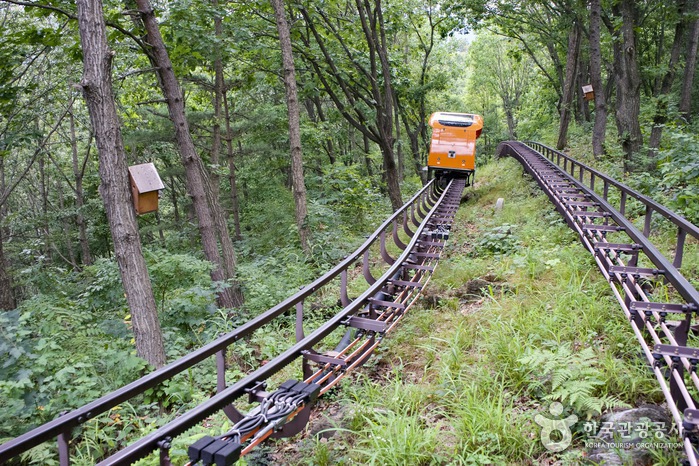
Cheongpungho Scenic Monorail (청풍호 관광모노레일)

Cheongpungho Scenic Monorail (청풍호 관광모노레일)

19.0Km    2024-03-13

879-17 Cheongpungmyeongwol-ro, Cheongpung-myeon, Jecheon-si, Chungcheongbuk-do
+82-43-653-5120

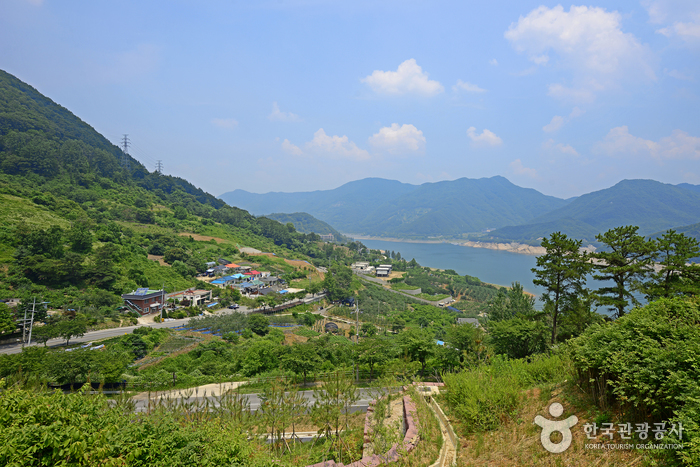
The Cheongpungho Scenic Monorail offers a unique journey along a three-kilometer track from Dogok-ri in Cheongpung-myeon, Jecheon, to Bibongsan Mountain, situated at 531 meters above sea level. Typically, reaching the summit of Bibongsan Mountain on foot from Dogok-ri takes about an hour. However, the monorail service significantly reduces this time by half. Additionally, passengers can enjoy panoramic views of Cheongpungho Lake from various perspectives during their ride.
Homeplus - Wonju Branch [Tax Refund Shop] (홈플러스 원주)

Homeplus - Wonju Branch [Tax Refund Shop] (홈플러스 원주)

19.0Km    2024-04-22

1489, Chiak-ro, Wonju-si, Gangwon-do

-

Hyeoksin Haejangguk (혁신해장국)

Hyeoksin Haejangguk (혁신해장국)

19.2Km    2024-07-18

25, Geongang-ro, Wonju-si, Gangwon-do
+82-33-733-1217

This is a Korean cuisine located in Wonju-si, Gangwon-do. Experience various kinds of Korean haejangguk (hangover soup). The representative menu is pork back-bone hangover soup.

Gyemyeongsan Recreational Forest (계명산자연휴양림)

Gyemyeongsan Recreational Forest (계명산자연휴양림)

19.6Km    2022-09-07

1170, Chungjuhosu-ro, Chungju-si, Chungcheongbuk-do
+82-43-870-7930

Gyemyeongsan Recreational Forest is located on Gyemyeongsan Mountain, part of the Sobaeksan Mountain Range, and has outstanding views of Chungjugho Lake. Although the park is small in size, the recreational forest provides a peaceful and relaxing getaway with lush pine tree forest along with diverse animals and plants. The trees are great for forest bathing, and are beautiful in autumn when the leaves turn crimson. <BR>
Nearby attractions include Suanbo Hot Springs, Songnisan Mountain, Eight Sights of Danyang, and Chungjuho Lake. The park also has log cabins, providing a unique type of accommodation.
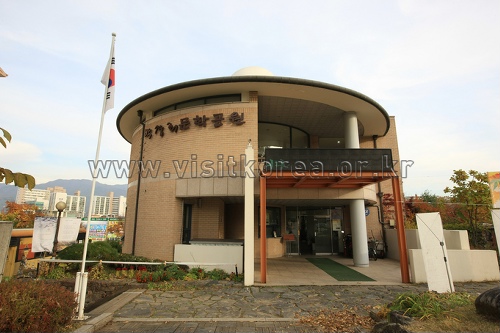
Pak Kyongni House (박경리문학공원)

Pak Kyongni House (박경리문학공원)

19.7Km    2021-09-29

1, Toji-gil, Wonju-si, Gangwon-do
+82-33-762-6843

Pak Kyongni House is a place to explore the life and works of prominent novelist Pak Kyongni. The house's theme was based on Pak Kyongni's well-known novel "Toji" (The Land).The site used to be her old house before it was converted into a park. Covering an area of 10,578.51 ㎡, the garden and the house have been maintained in their original state. The park also features three themed areas recreated from the book: Hongi Dongsan, Pyeongsa-ri Madang, and Yongdurebeol.