Kkumdori House (꿈돌이 하우스)
5.1Km 2025-10-23
3 Jungang-ro 203beon-gil, Dong-gu, Daejeon
Located near Daejeon Station, Kkumdori House promotes the city's tourist attractions and sells souvenirs. The first floor offers a variety of merchandise featuring "The Kkum Family," the symbol of Daejeon. On the second floor, visitors can enjoy a VR drive through Daejeon. The third floor showcases photos and media art of major attractions, such as the Daejeon Observatory and Sangso-dong Forest Park.
Euneungjeongi Culture Street (으능정이문화의거리)
5.1Km 2025-10-23
164 Jungang-ro, Jung-gu, Daejeon
+82-42-226-9100
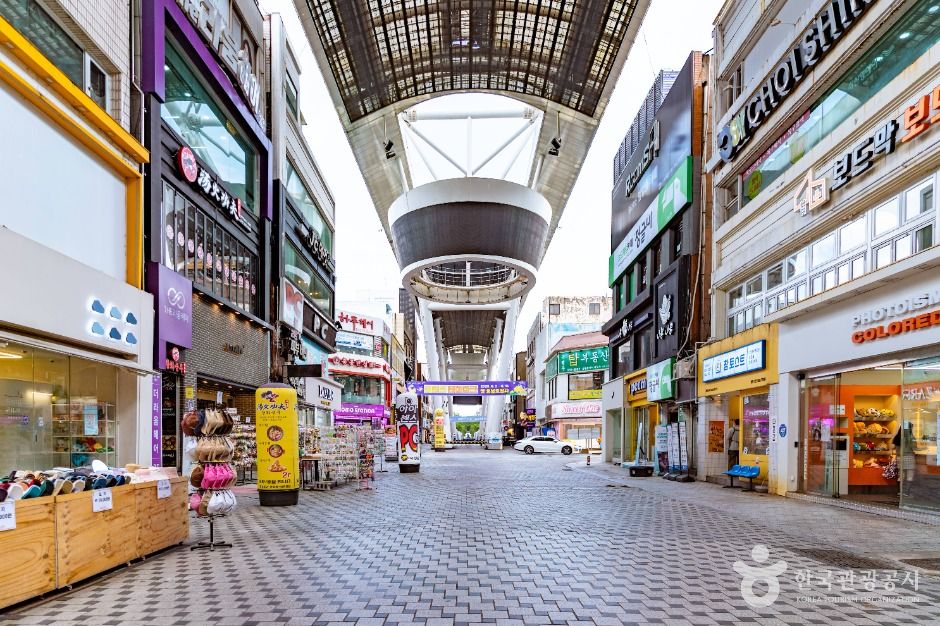
Euneungjeongi Culture Street is a street located in Daejeon's original city center, resembling Seoul's Myeong-dong area. It features clothing stores, restaurants, and cafés. Various cultural events are held here, making it a car-free street and attracting many visitors.
Daejeon Travel Lounge (대전트래블라운지)
5.2Km 2023-02-08
187-1, Jungang-ro, Dong-gu, Daejeon
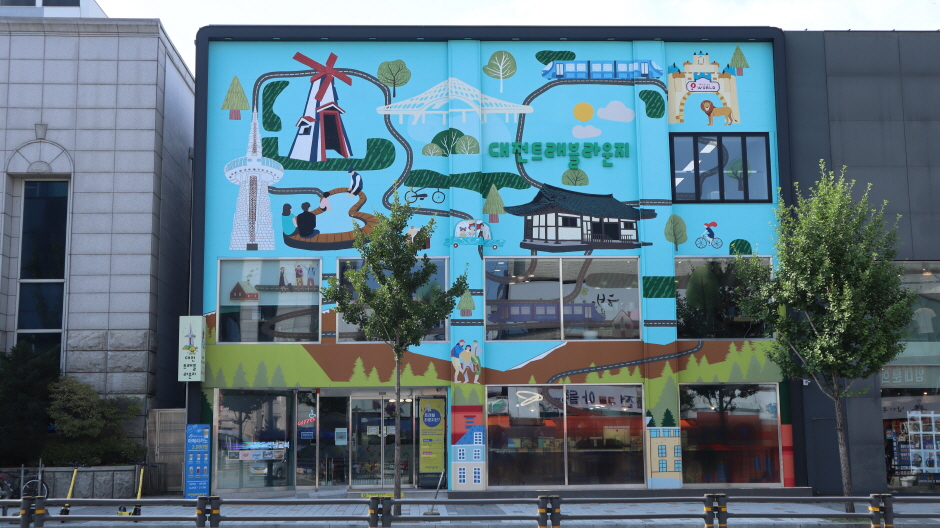
Daejeon Travel Lounge is a cultural complex that provides tourist information and relaxation for those visiting Daejeon. Daejeon Travel Lounge offers a variety of experiences such as old school uniforms, Enlightenment Era clothing, DIY and culture concerts, and also features an unmanned cafe, souvenir shop, Wi-Fi, tourist information search kiosk, and many other convenience facilities.
Sindo Kalguksu Main Store (신도칼국수 본점)
5.3Km 2024-12-24
대전광역시 동구 대전로825번길 11
042-253-6799
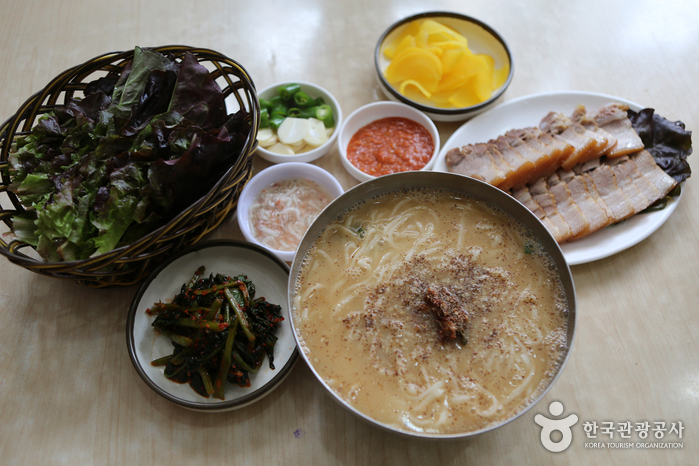
Established in 1961, this restaurant is still regarded as one of the best places for kalguksu in the Daejeon area. The broth, made from beef bones and anchovies, is enriched with perilla seed powder, creating a rich and nutty flavor. For the full experience, try pairing it with suyuk (boiled pork slices) or dubu duruchigi (stir-fried bean crud).
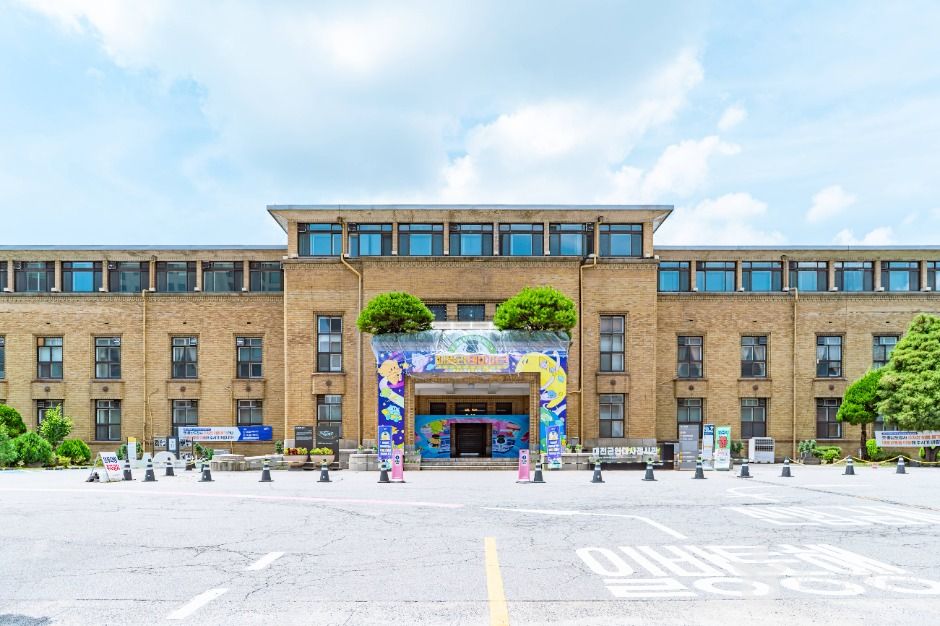
Daejeon Modern History Exhibition Hall (대전근현대사전시관(옛 충남도청사 본관))
5.3Km 2025-10-23
101 Jungang-ro, Jung-gu, Daejeon
Daejeon Modern History Hall opened to the public on October 1, 2013 at the former main building of Chungcheongnam-do Provincial Government, Daejeon (Registered Cultural Heritage). Visitors can see various scenes of history and the development of Daejeon over the past 100 years from the early 20th century to current times. Daejeon operates a planned exhibition hall, special exhibition showcasing history, architecture, design, folk style and other varied fields as well as a rotating exhibition. Also, touring the main building of Chungcheongnam-do Provincial Government, music concerts and various cultural education programs are available in this cultural complex.

Daejeon O-World (대전오월드)
5.4Km 2022-12-27
70, Sajeonggongwon-ro, Jung-gu, Daejeon
+82-42-580-4820
Daejeon O-World was established when the Daejeon Zoo and Joy Land, an amusement park, were integrated under the supervision of the Daejeon City Corporation. The project cost a whopping 40 billion won and resulted in the construction of Flower Land (100,000㎡) in addition to the renamed Zoo Land and the preexisting Joy Land. It opened on May 1, 2009 to the public.
The three main sections of Daejeon O-World are Zoo Land, Joy Land, and Flower Land. Zoo Land is currently home to a total of 600 animals of 130 different species including American black bears, Bengal tigers, lions, elephants, giraffes, zebras, and ostriches. Amusement rides, waterslides, and four-season sledding are housed at Joy Land. Flower Land boasts a number of smaller sections such as Rose Garden, Four Season Garden, Herb Garden, and Maze Garden and is home to a total of 150,000 tress of 100 different species and 200,000 flowers of 85 different species. An outdoor stage and concert hall are also located in the area.
There are plenty of things to see and enjoy in every corner of Daejeon O-World. Just beyond Festival Street, visitors will find a large (3,000㎡) pond with a fountain.
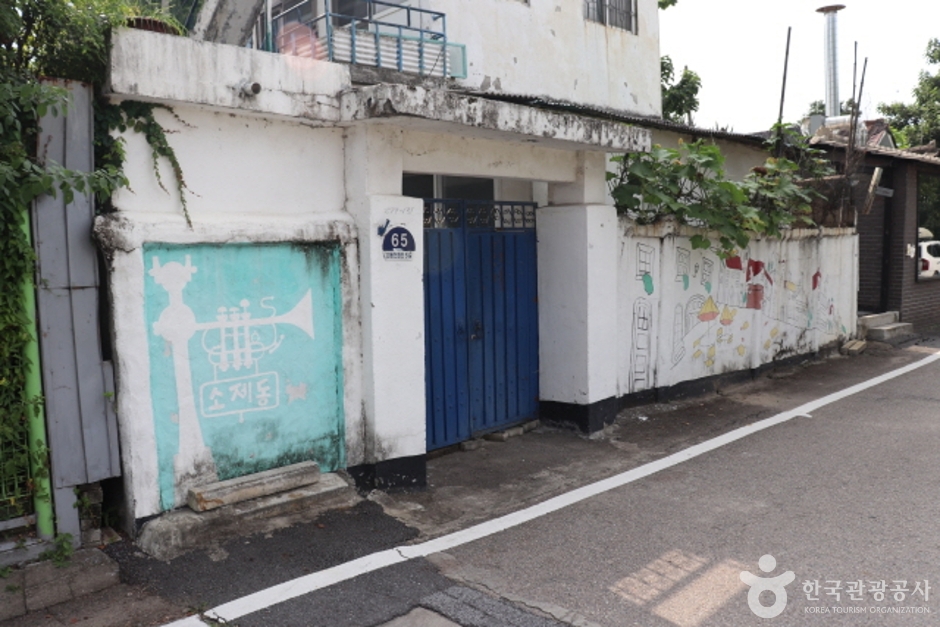
Soje-dong Cafe Street (소제동 카페 거리)
5.5Km 2025-10-23
53 Suhyang-gil, Dong-gu, Daejeon
Soje-dong Cafe Street is a cafe village located in Daejeon. This area has long been neglected and underdeveloped. However, recently, various shops have opened, adding a youthful touch to the old buildings, from Italian restaurants remodeled from old buildings to unique cafes and restaurants converted from over 70-year-old buildings. With a retro sentiment that evokes nostalgia for middle-aged and older generations, it has transformed into a cafe street, attracting diverse visitors. While it's nice to choose a cafe in Soje-dong Cafe Street to enjoy tea or visit a gallery to appreciate artworks, another way to enjoy this place is to take an alley tour in Soje-dong and stroll through the cafe street to admire the murals painted on the walls. Soje-dong Cafe Street is conveniently located near Daejeon Station, making it easy for visitors to reach.
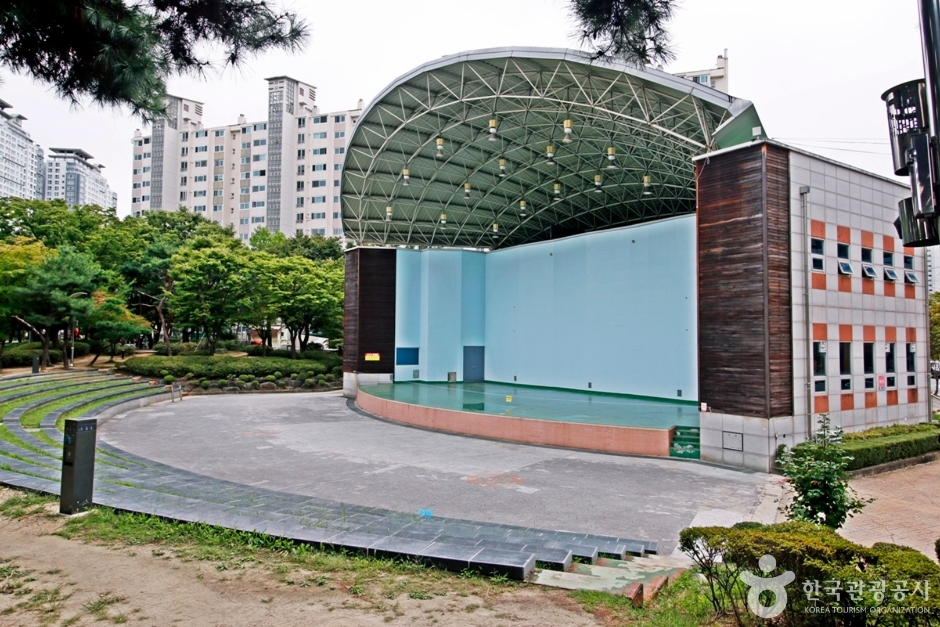
Seodaejeon Park (서대전공원)
5.5Km 2024-11-25
30 Gyeryong-ro 904beon-gil, Jung-gu, Daejeon
Seodaejeon Park is located at the site of a previous military base that closed in 1975. The site served as the venue for the 1993 Daejeon Expo, and was turned into the current park visitors see now at that time. The park features a large grassy field, outdoor performance stage, and more. The park serves as the venue for various festivals throughtout the year, including a Children's Day event and Kalguksu festival.
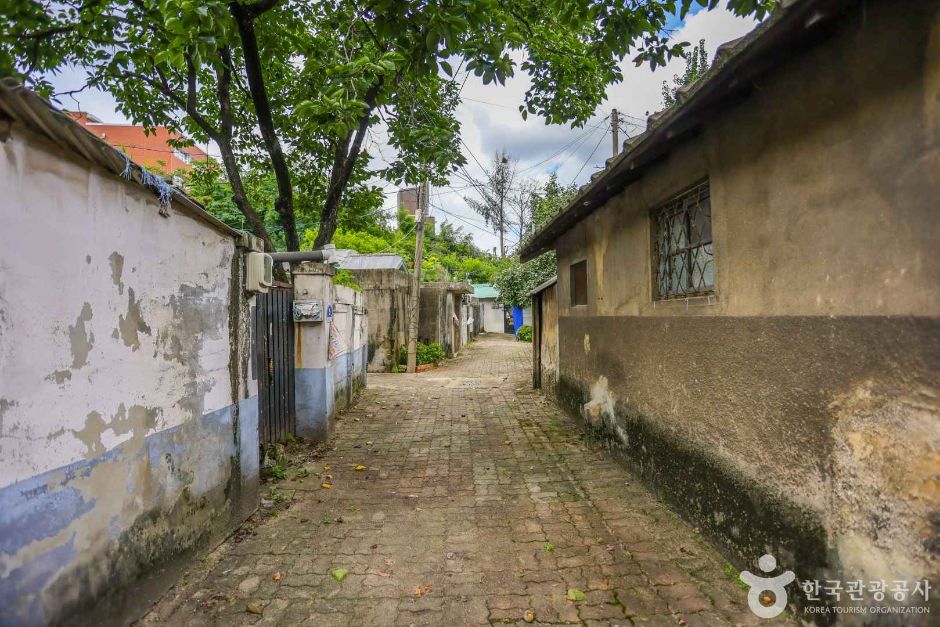
Railway Residency Village (Sollangsiul-gil) (철도관사촌(솔랑시울길))
5.5Km 2025-10-23
Soje-dong, Dong-gu, Daejeon
Railway Residency Village, located near Daejeon Station, retains much of its old charm, offering visitors the feeling of stepping back in time. Daejeon’s modern history is closely tied to the development of its railroads. With the opening of the Gyeongbu Line in 1905 and the Honam Line in 1911, the city emerged as a major transportation hub. As traditional villages began to disappear, people flocked to Daejeon, transforming it into a growing metropolis. During the Japanese occupation in the 1930s, the area housed many Japanese railway engineers, which is why Japanese-style architecture can still be found today. At the time, there were over 100 government buildings, though only about 40 have survived. Several of these have been recognized as Registered Cultural Properties for their historical significance. Among them, Building No. 42 now serves as a cultural space that occasionally hosts exhibitions. A stroll along the quiet Solangseoul-gil offers visitors a chance to admire charming murals adorning the walls, adding to the nostalgic atmosphere of the village.
Uam Historical Park (우암사적공원)
6.3Km 2024-02-29
53 Chungjeong-ro, Dong-gu, Daejeon
+82-42-673-9286
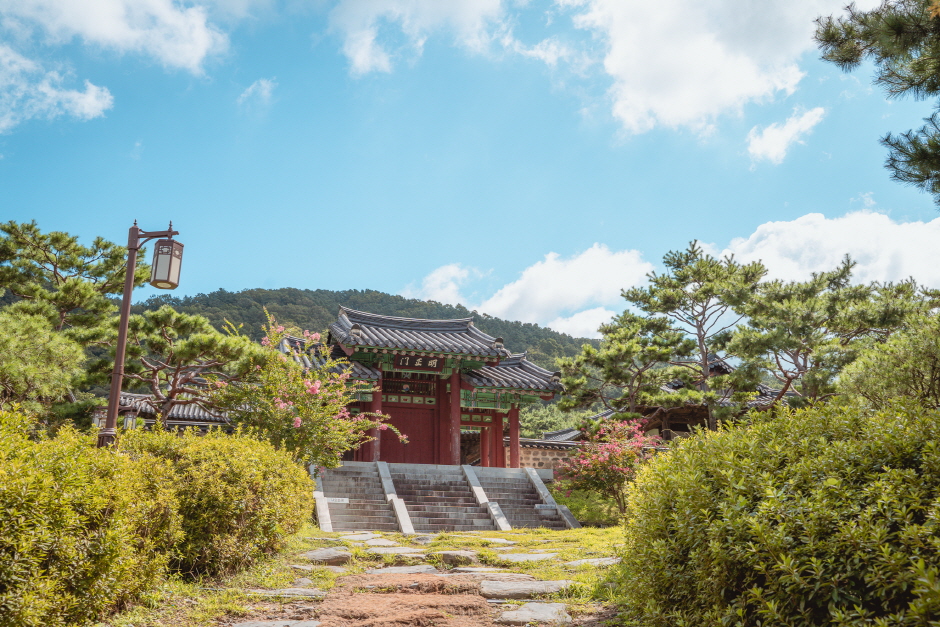
Uam Historical Park, situated in the eastern part of Daejeon, is both a cultural heritage site and a park. It was once the place where Uam Song Siyeol (1607-1689), a scholar and government official during the Joseon dynasty, conducted his research and educational activities. The traditional houses established during his time and the relics left by Song Siyeol are still preserved, and visitors can view these artifacts at the historic museum. The park also features a pond within its premises.
 English
 한국어
한국어 日本語
日本語 中文(简体)
 Deutsch
 Français
 Español
 Русский


