Ilrakdang sarangchae (일락당사랑채)
313.4M 2024-12-23
15, Choemyeonghui-gil, Wansan-gu, Jeonju-si, Jeonbuk-do
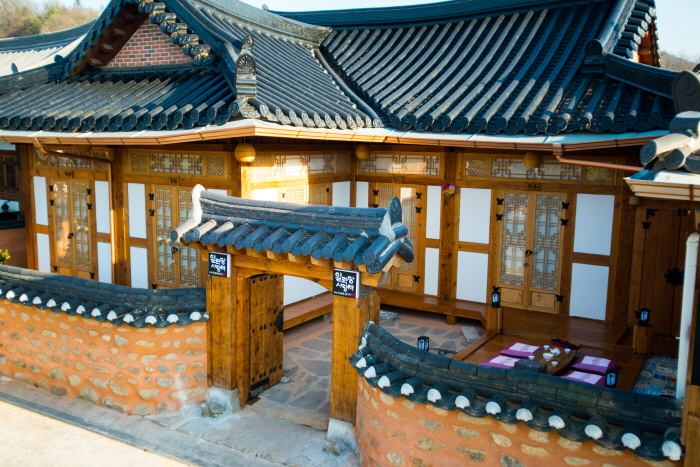
A must visit place for tourists in Jeonju, Ilrakdang Sarangchae is located in the middle of the traditional Korean house village of Jeonju. The very first of three enjoyments for noble man, as indicated by Menicus, the existence of parents and brothers with no troubles is what the place is named after. Standing in the garden, you can easily see the stone walls of Gyeonggijeon and also you are within the range of walking distance to Jeondong catholic church, Omokdae, Southern market, Jeonju Hyanggyo, and the wall painting village of Jaman.
The rooms are called, Haengbokchae, Sarangbang, Mitum band, Monday, Tuesday, Wednesday, Thursday, Friday, Saturday, Sunday and so on. Haengbok room 1/2, a living room with furnace, a big sized attic above the living room are shared together, which makes it most suitable for big families or a small group of tourists. The Monday/Tuesday/Friday/Saturday/Sunday rooms all have a small, cozy attic and in every guest room’s wall, column and doors are mainly made of woods which makes them feel very warm. On every morning, in the shared kitchen, simple breakfasts mainly consisting of toasts, jams, coffee and juice are served. All guests are provided with discounts on Korean costume rental(30%), motor bikes(30%) and waengi bean sprout soup with rice (1000KRW). Besides, there are various services such as introduction to tasty restaurants in partnerships with traditional Korean house villages, as well as discounts, and try out of Korean rice cake making experiences and so on.
Jeonju Jeondong Catholic Cathedral (전주전동성당)
324.0M 2024-05-27
51 Taejo-ro, Wansan-gu, Jeonju-si, Jeonbuk-do
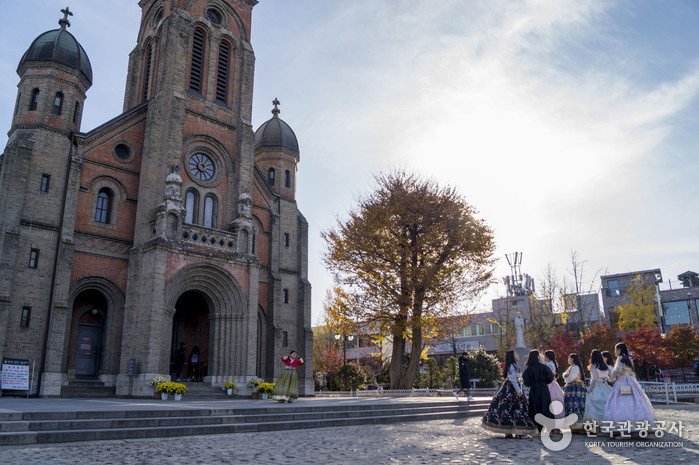
Jeondong Catholic Cathedral in Jeonju was built in honor of Roman Catholic martyrs of the Joseon dynasty on the very same spot the martyrs lost their lives. The land was purchased by French Priest Baudenet in 1891 (28th year of King Gojong), but construction of the church did not begin until 1908. Construction was completed in 1914, a time during which Korea was under Japanese rule. Though originally built just outside of Pungnammun Gate, the site of the martyrs, the church was later moved to its current location for expansion.
The first Romanesque building in the Honam region, Jeondong Catholic Cathedral is made of gray and red bricks and bears a striking resemblance to the Myeongdong Cathedral in Seoul, also designed by Priest Poinel. Not only considered one of the most beautiful Catholic churches in Korea, some even go so far as to say it is one of the most beautiful structures in all of Korea, citing the church’s unique combination of Byzantine and Romanesque architectural styles. The rectangular building is topped with three Byzantine bell towers (to the right, center, and left) and boasts arched ceilings, several of which meet in the form of a cross.
It is interesting to note that some of the bricks used in construction of the church were made using materials from the Jeonjueupseong Walled Town, which was torn down by the Japanese. It is also said that the cornerstone of the church came from a wall of Jeonjueupseong Walled Town near Pungnammun Gate.
Dongnagwon House (동락원)
323.7M 2025-03-20
33-6, Eunhaeng-ro, Wansan-gu, Jeonju-si, Jeonbuk-do
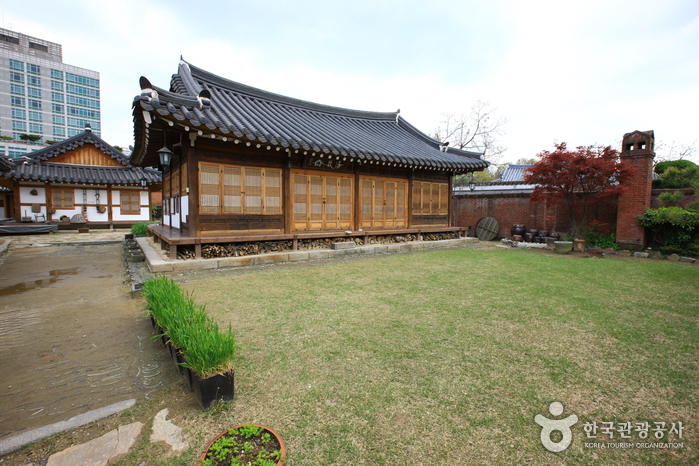
The Dongnagwon House in Jeonju Hanok Village provides a getaway to experience hanok stay and traditional Korean life. Affiliated with Jeonju Kijeon College, Dongnagwon is also a memorial hall dedicated to W. M. Junkin, who came to Korea as a missionary from the South Presbyterian Church of the United States in 1892. Dongnagwon is a reproduction of the old hanok houses in Jeonju from the time when W. M. Junkin was doing his missionary work in the area. It is
comprised of three buildings: Anchae (main hall), Sarangchae (guest house), and Haengnangchae (servants’ quarters).
Visitors to Dongnagwon can learn and experience traditional Korean culture such as music, crafts, and dance while inhabiting traditional lodging. In addition to providing accommodation for individual guests, Dongnagwon is also used for group accommodations or activities such as seminars, conferences, and family events. For groups of 30 or more, it is possible to rent out the entire venue (in addition to all facilities, including Seungdokdang, Seunghwadang, Cheongyuje, and the front yard).
Blueboat guest house Jeonju (블루보트게스트하우스 전주점)
350.4M 2024-12-23
75 , Chunggyeong-ro, Wansan-gu, Jeonju-si, Jeonbuk-do
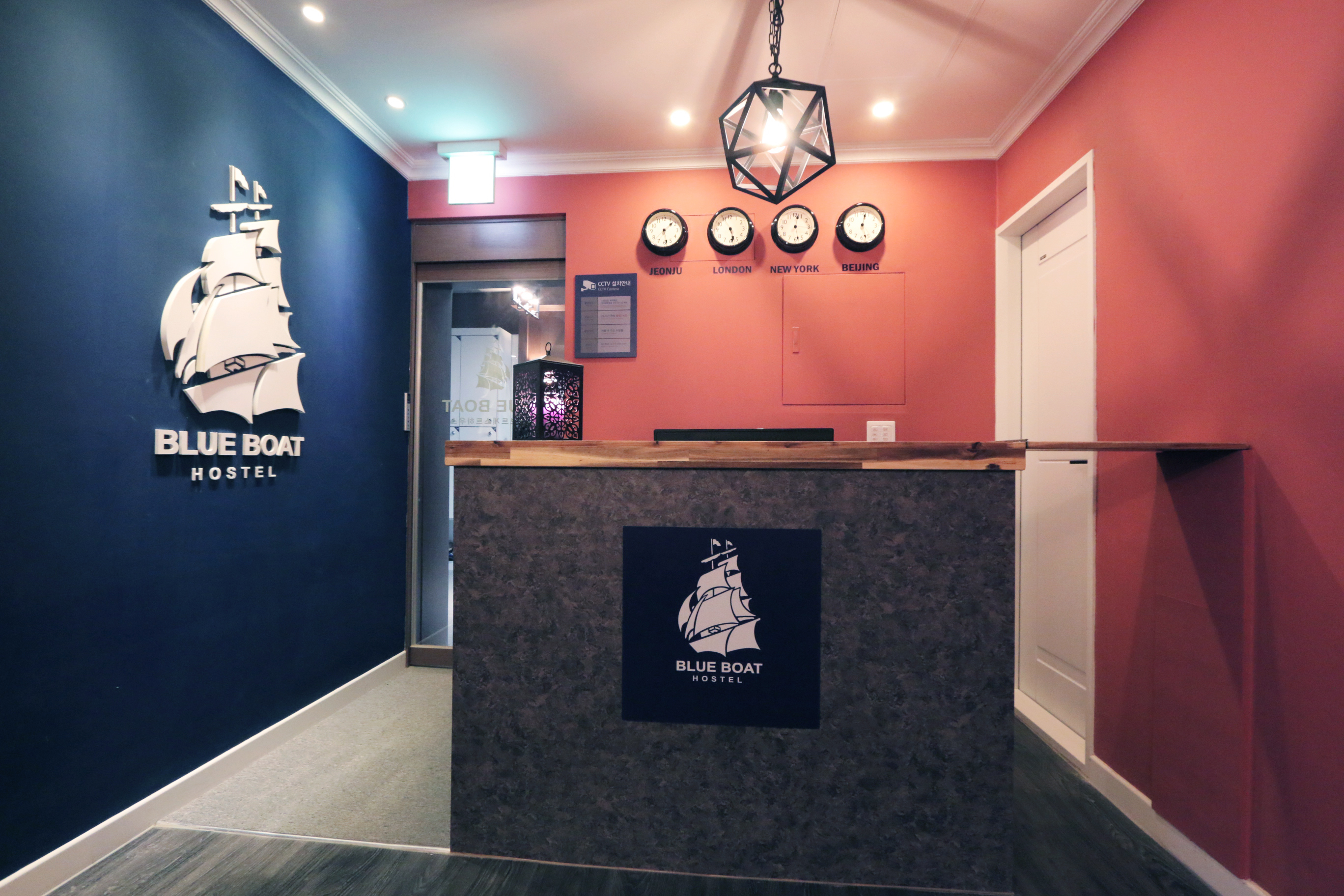
The Blue Boat Guesthouse in Gyeongwon-dong, Jeonju, Jeollabuk-do, makes a stylish impression and is visited by many young travelers. Gyeonggijeon shrine, Jeondong Cathedral, Jeonju Hanok Village, and Nammun Market are all around10 minutes’ walk away. All rooms have neat iron beds, with shared bathrooms and kitchens. There is a TV in the kitchen, so residents can gather there to share information and chat.

Veteran Kalguksu (베테랑칼국수)
362.8M 2025-10-28
135 Gyeonggijeon-gil, Wansan-gu, Jeonju-si, Jeonbuk-do
Veteran Kalguksu, located in Jeonju Hanok Village, has been operating since 1977, attesting to the great taste of their broth, made using sesame, meal, and eggs. The noodles are also cut much thinner than other restaurants, while maintaining their chewy texture. Another popular menu at the restaurant is their kongguksu.
◎ Travel information to meet Hallyu’s charm
The restaurant was a favorite spot for the cast of the drama “Twenty Five Twenty One.” Lead actress Kim Tae-ri, who played Na Hee-do, even visited for breakfast during her vlog shoots. She drew attention for enthusiastically finishing a bowl of noodles down to the last strand. Nearby is the private rental house “2521,” which was featured as Hee-do’s home in the drama, making it worth visiting after enjoying a meal at the restaurant.
GaEunChae (가은채)
363.7M 2024-12-23
68-13 , Hanji-gil, Wansan-gu, Jeonju-si, Jeonbuk-do
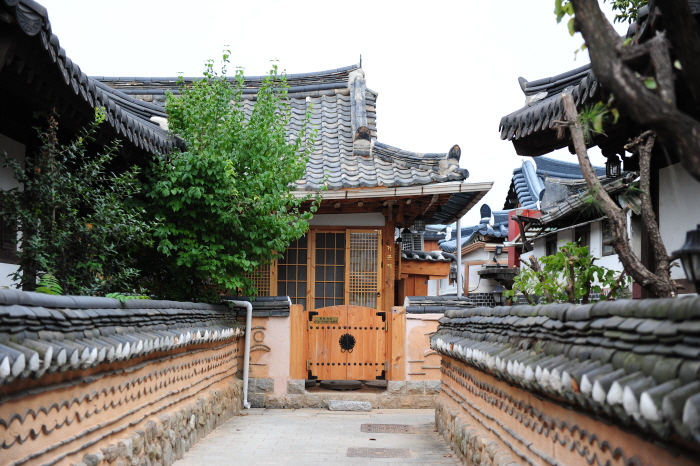
Gaeunchae is a hanok stay in Jeonju Hanok Village, Jeollabuk-do, constructed of wood in the traditional way without using nails. The location is ideal for local sightseeing as it’s close to Jeonju Craft Masters Hall, the Traditional Wine Museum, Seunggwangjae (home of the last Joseon prince Yi Seok), and Dakjong Hanji Doll Workshop. The exceptionally scenic alleyways around Gaeunchae are part of a Village tour. In the yard visitors will see different types of stone used as paving or decoration: granite, mica, and other local stones, all hand-trimmed by our ancestors.
Jeonju Traditional Hanji Center (전주전통한지원)
372.4M 2024-04-07
100-10, Hanji-gil, Wansan-gu, Jeonju-si, Jeonbuk-do
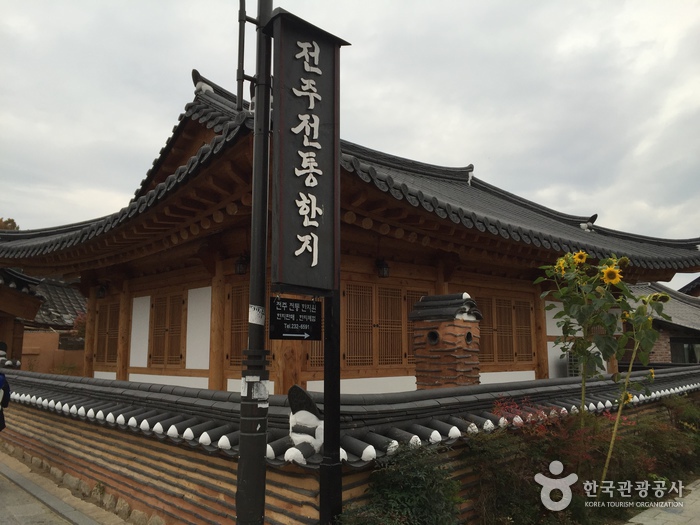
Jeonju has been a major producer of quality hanji paper for more than a thousand years. In keeping with this proud tradition, the Jeonju Traditional Hanji Center aims to preserve traditional paper-making techniques and become a mainstay in the hanji industry. More than 80 percent of the paper produced at the center is exported to Japan while the rest is used in Korea. The center produces, exhibits, and sells hanji used for calligraphy, Oriental paintings, and crafts, as well as special “yellow earth” wallpaper hanji and charcoal hanji, said to provide certain health benefits. Visitors can also sign up for crafting classes, including first-hand experience at making hanji, imprinting patterns and drying the paper.
GaEunChae2 (가은채2)
377.0M 2024-12-23
100-20 , Hanji-gil, Wansan-gu, Jeonju-si, Jeonbuk-do
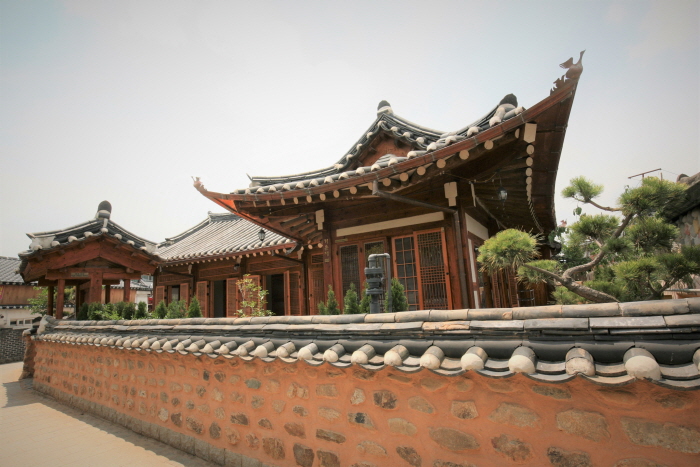
Gaeunchae 2 is the sister hanok of Gaeunchae in Jeonju Hanok Village, Jeollabuk-do. It’s a traditional red clay-walled hanok with ondol underfloor heating, exposed roof beams and hanji wallpaper and flooring - creating a beautiful and distinctive hanok interior. It has a small hallway which is good for storing luggage or just to sit and chat. In the garden are sculpted stone lanterns and tigers. Local attractions such as Jeondong Cathedral and Gyeonggijeon Shrine are a short walk away.
Seoro (서로)
380.8M 2024-12-13
100-12 , Hanji-gil, Wansan-gu, Jeonju-si, Jeonbuk-do
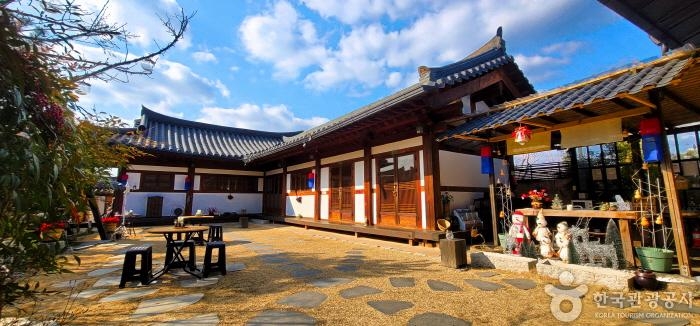
Seoro is a traditional hanok accommodation located in the Jeonju Hanok Village that offers guests a peaceful and quiet atmosphere. There are 10 different types of rooms, including ondol-type rooms, duplex-type rooms, and pension-type rooms. Traditional Korean red clay and ondol floors are installed in each room using the traditional Korea gudeul method (underfloor heating system), and the finest Korean wonanggeumchim (lovebird bedding) are provided. At night, you can rest under the stars on the large yard or toenmaru (narrow wooden porch).
Jeonju Traditional Liquor Museum (전주 전통술박물관)
383.2M 2024-05-28
74 Hanji-gil, Wansan-gu, Jeonju-si, Jeonbuk-do
Jeonju Traditional Liquor Museum offers visitors the unique chance to explore the world of traditional Korean liquor and engage in related hands-on experience programs. At the museum, visitors can see the tools, machines, and the process used in the making of home-made traditional liquor and even taste them. Guests can also try their hand at making homemade wine and rice wine after making a reservation.
 English
 한국어
한국어 日本語
日本語 中文(简体)
 Deutsch
 Français
 Español
 Русский


