Royal Portrait Museum (어진박물관)
.0M 2024-04-07
44, Taejo-ro, Wansan-gu, Jeonju-si, Jeonbuk-do
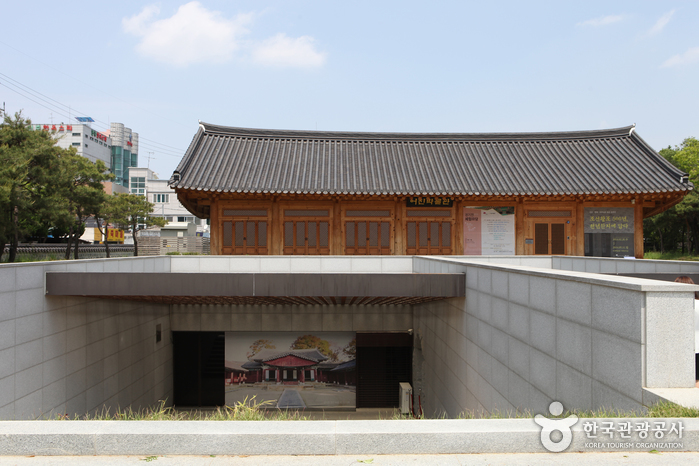
Opened on November 6, 2010, the Royal Portrait Museum is one of the newest attractions of Jeonju, located within the Gyeonggijeon Shrine. Royal Portrait Museum is a valuable museum as a new tourism resource of Jeonju as well as Gyeonggijeon Shrine and the Portrait of King Taejo, as well as other various high-class exhibitions to preserve, manage, and enhance the glorious cultural assets of Joseon royal family. The museum is comprised of one above-ground level and one underground level with an area of 1,193.71 square meters. The Portrait of King Taejo and six other king’s portraits (Portrait of King Sejong, King Yeongjo, King Jeongjo, King Cheoljong, King Gojong, and King Sunjong) are exhibited on the first floor. The portraits are preserved in temperature- and humidity-controlled cases. In addition, the museum houses History Hall, Palanquin Hall, a planned exhibition hall, resting area, management office and storage room for relics. Palanquin Hall exhibits Hyangjeong (Palanquin for Incense Burner and Case), Sinyeon (Palanquin for Royal Portrait and Palanquin for Mortuary Tablet), Chaeyeo (Palanquin for High Officials), Gagyo (Palanquin for Ritual Items) featuring Korea’s sole preserved palanquin. History Hall houses approximately 80 relices related to Gyeonggijeon Shrine and Jogyeong Shrine, ancestral ritual ceremony, building, and others relics. Since the museum's opening, it makes continual efforts to become a central place for Jeonju residents to fulfill their cultural feelings. The museum operates various program like exploring famous historic sites in Gyeonggijeon Shrine, hands-on programs such as a guard experience to protect the shrine, and duplicating Gyeonggijeon Shrine’s relics using traditional portrait-making techniques.
Han Kook Jib (한국집)
105.2M 2024-12-26
119, Eojin-gil, Wansan-gu, Jeonju-si, Jeonbuk-do
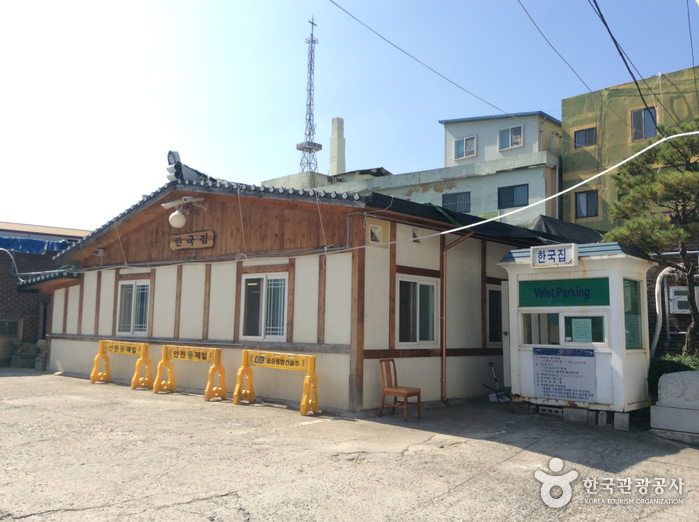
Opened in 1952, Han Kook Jib has upheld its tradition for three generations. It is housed in a renovated hanok with a beautiful courtyard. Han Kook Jib is conveniently located near major tourist sites in Jeonju, such as Jeonju Hanok Village and Gyeonggijeon Shrine.
Fine day (좋은날)
117.6M 2024-12-23
37-7 , Jeondongseongdang-gil, Wansan-gu, Jeonju-si, Jeonbuk-do
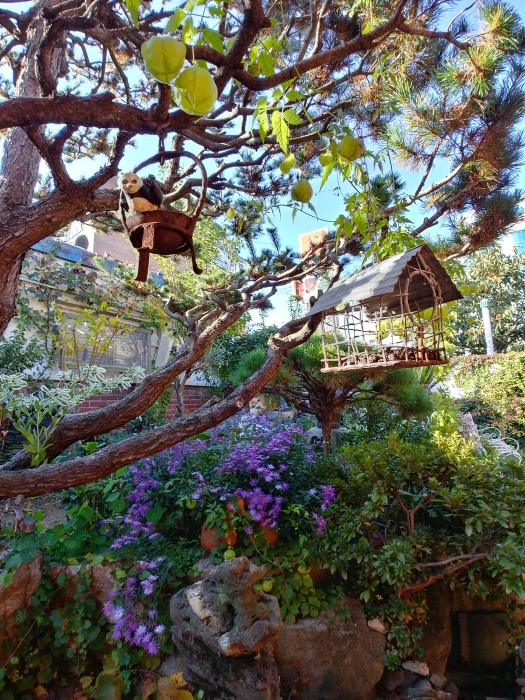
A Fine Day is a hanok stay on Jeondong Cathedral Street, Jeonju, Jeollabuk-do, which combines hanok tradition with modern convenience. The wood floor and red clay-lined walls and ceilings are a pleasure to wake up to. The rooms are well heated and have toilets, shower booths and bidets. From the wooden porch guests can enjoy a beautiful sunny garden planted with wildflowers and trees. Nearby attractions include Gyeonggijeon, Omokdae, Jeondong Cathedral and Nambu Market (great for food!).
Jeonju Crafts Exhibition Hall (전주공예품전시관)
195.4M 2024-05-28
15 Taejo-ro, Wansan-gu, Jeonju-si, Jeonbuk-do
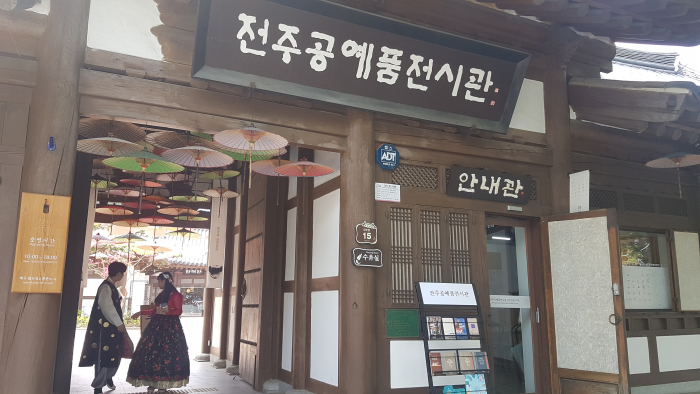
Jeonju Crafts Exhibition Hall promotes the beauty of traditional Korean crafts, and is made up of a Craft Hall, Special Exhibition Hall, and Experience Hall, Visitors can see traditional art works from master artisans as well as creative works from up-and-coming artists and designers. Visitors can also create their own handcrafted items in one of their many programs.

Jeonju Waengi Kongmulgukbap Specialty Restaurant (전주 왱이콩나물국밥전문점)
228.5M 2025-07-14
88 Dongmun-gil, Wansan-gu, Jeonju-si, Jeonbuk-do
Jeonju Waengi Kongmulgukbap Restaurant, located next to Dongmun Art Street in Jeonju, is a local favorite. The restaurant serves only one dish, kongnamul gukbap, rice soup with bean sprouts. With the crunchy texture of bean sprouts and a rich broth made with anchovy and seafood, this hearty meal is perfect to enjoy after exploring nearby tourist attractions.
PoongNamheon (풍남헌)
269.9M 2024-08-05
35 , Eunhaeng-ro, Wansan-gu, Jeonju-si, Jeonbuk-do
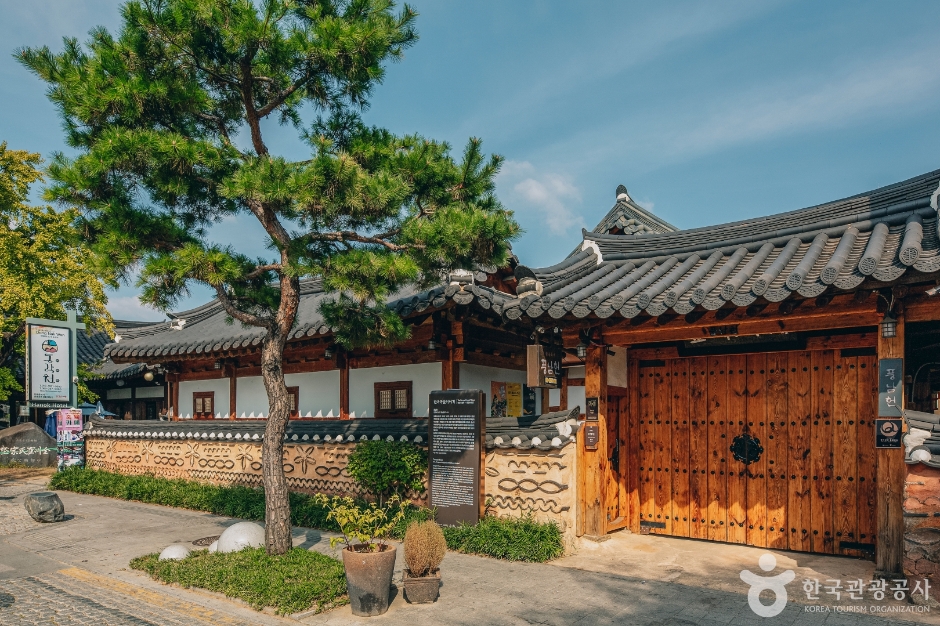
Pungnamheon is a hanok stay in a traditional nobleman's house in Jeonju, Jeollabuk-do. Next to the house stands a 600-year-old ginkgo tree, the guardian spirit of Jeonju Hanok Village. Two unusual features of this hanok is that there is no wood-floored hall or daecheong, and the toenmaru wooden porch is extra wide, and has a window. The floors are finished with laquered hanji (Korean paper), and the roof tiles were made in Goryeong. Old folding screens and Korean paintings complete the atmosphere of a traditional yangbang house. Guests have a chance to taste wild green tea gathered and made by the owner.
Jeonju hanok house (전주 한옥숙박체험관)
285.1M 2024-08-05
56-1 , Eunhaeng-ro, Wansan-gu, Jeonju-si, Jeonbuk-do
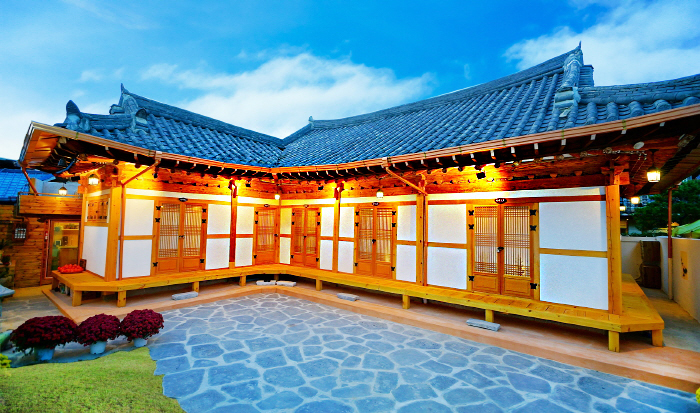
Jeonju Hanok stands at the end of a quiet alley off Eunhaeng-ro in the center of Jeonju Hanok Village, and so is a good base for exploring the village. All guest rooms are ondol-heated and have a loft space that’s popular with children. Water purifiers are installed, and a breakfast of toast, fruit and tea or coffee is provided. The outdoor yard has a table where visitors can relax in good weather.
Jeonju Pungnammun Gate (전주 풍남문)
286.3M 2024-05-27
1 Pungnammun 3-gil, Wansan-gu, Jeonju-si, Jeonbuk-do
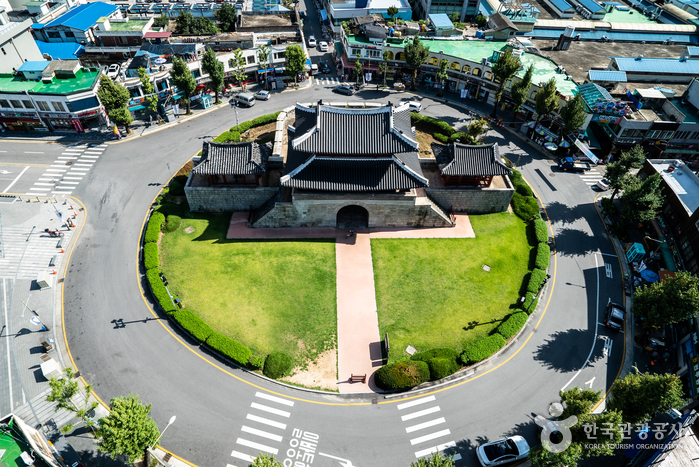
Pungnammun Gate was built during the Joseon dynasty in 1734 and is a designated Treasure. Pungnammun Gate was the southernmost gate among the four city gates of Jeonju. The structure was severely damaged by fire in 1767, followed by the restoration of the gate tower afterward. The gate was burnt down once again during the Imjin War and was restored to the gate that is seen today.
Dong Nak Won / 동락원
303.7M 2025-03-05
33-6 , Eunhaeng-ro, Wansan-gu, Jeonju-si, Jeonbuk-do
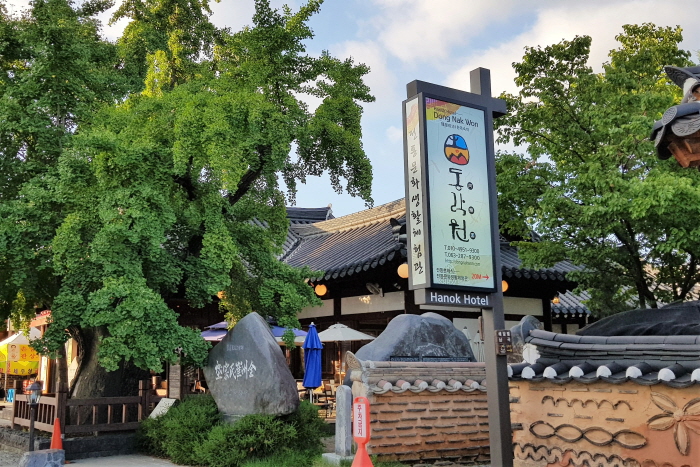
Dongnagwon is a hanok hotel in Jeonju Hanok Village, Jeollabuk-do. It was built as a memorial hall for the missionary William Junkin, who founded a school mission in Jeonju in 1895. Now refurbished as a hotel and venue for traditional performances, wedding ceremonies and seminars, visitors will find old-style interiors with antique furniture and folding screens. Guests can play traditional games in the yard, and there is a red clay room to relieve the fatigue of travel, free of charge. Mountain bikes can be borrowed to ride around the Hanok Village or on the banks of the Jeonjucheon Stream.
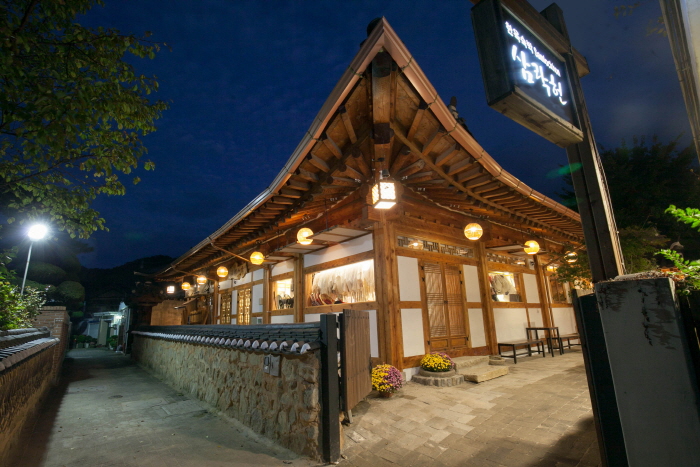
Samrockhon (삼락헌)
304.7M 2024-12-23
47-8 , Eunhaeng-ro, Wansan-gu, Jeonju-si, Jeonbuk-do
Samrakheon is a traditional lodging in Jeonju Hanok Village, Jeollabuk-do, and sister hanok to Bukyeongdang. Samrakheon is a spacious old house containing duplex rooms equipped with toilets. In the shared mini-kitchen, simple breakfasts are provided, with coffee, tea, and toast. Guests can sample traditional crafts skills such as Korean paper-making, Injeolmi rice cake making and pottery - and can also get discounts on hanbok wearing and traditional bike riding experiences. Local tourist information is available.
 English
 한국어
한국어 日本語
日本語 中文(简体)
 Deutsch
 Français
 Español
 Русский


