
Cheonghwajip (청화집)
15.8Km 2024-02-22
1749, Chungjeol-ro, Byeongcheon-myeon, Dongnam-gu, Cheonan-si, Chungcheongnam-do
Cheonghwajip is said to be the oldest sundae restaurant in Byeongcheon Sundae Street, having opened in 1968. There are only two items on offer: sundae gukbap (sundae and rice soup) and modeum sundae (assorted sundae). Sundae gukbap (sundae and rice soup) is a milky soup with tender sundae and meat, delivering refreshing and deep flavors. Modeum sundae (assorted sundae) has a variety of sundae and meat parts plated together.
Yeonginsan Recreational Forest (아산 영인산자연휴양림 숲속야영장)
16.9Km 2022-09-07
16-26, Asanoncheon-ro, Asan-si, Chungcheongnam-do
+82-41-538-1958
Yeonginsan Recreational Forest is situated on Yeonginsan Mountain in Asan-si, Chungcheongnam-do. The summit of the mountain provides a panoramic view of the surroundings including the west sea, Sapgyocheon Stream, and more. Various facilities are also available including accommodations and water play site. There are many tourist attractions nearby for visitors to enjoy.
Gangdanggolgyegok Valley (강당골계곡)
17.0Km 2024-02-22
510, Gangdang-ri, Songak-myeon, Asan-si, Chungcheongnam-do
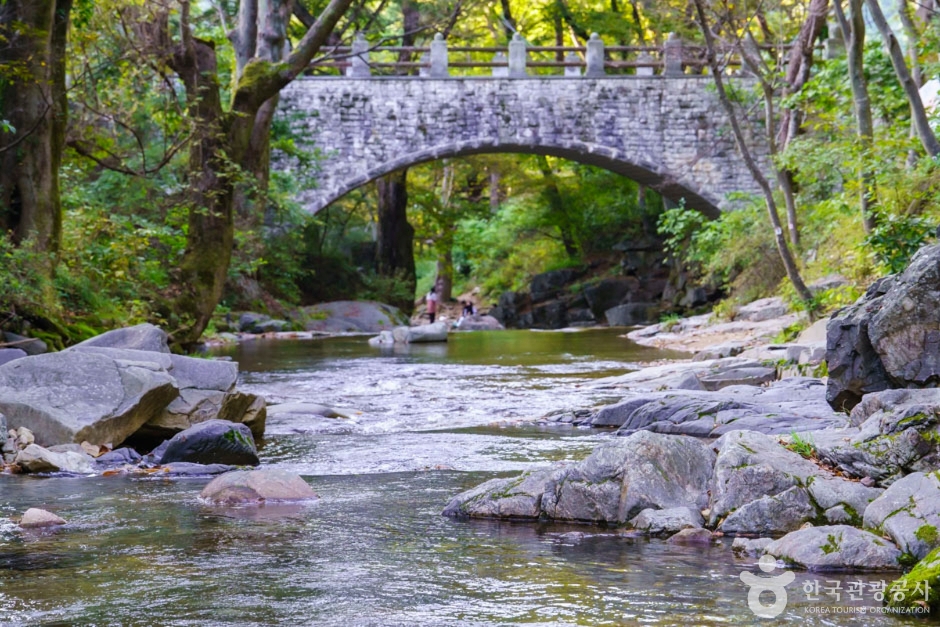
Gangdanggolgyegok Valley is located at the northern foot of Gwangdeoksan Mountain at the boundary between Asan and Cheonan, through which the Oeamcheon Stream flows. The valley has clear water and a lush forest, making it a great place for forest bathing and summertime swimming. Gwangdeoksan Mountain also has excellent hiking trails. The village has campgrounds and pensions for accommodations, along with several restaurants.
Jeonuihyanggyo Confucian School (전의향교)
17.1Km 2025-05-20
5-18, Bukchon 1-gil, Sejong-si
+82-44-211-4022
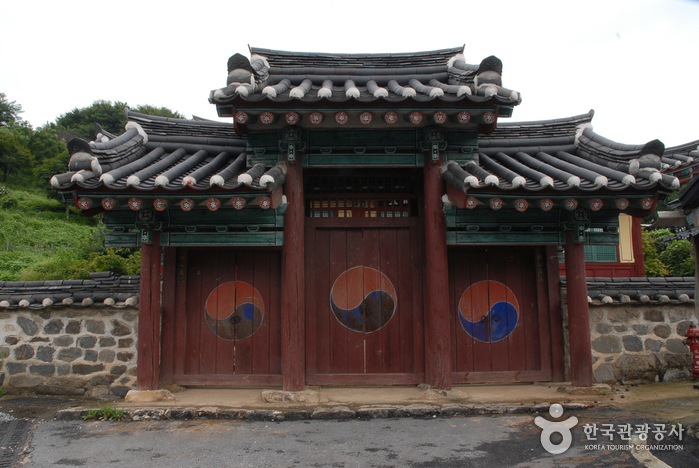
Jeonuihyanggyo Confucian School is thought to have been built in 1413 during the 13th year of King Taejong’s reign. The school features a simple spatial arrangement with only Myeongnyundang and Daeseongjeon Study Halls, each with three gates in the front. Outside the western wall of Myeongnyundang Hall is Sujiksa Temple.
Several books - Jaeimnok, Seonan, several texts on rituals, and Eojeyuneum (1782-1783), which was published in 1782 (6th year of King Jeongjo’s reign) and 1783, have been found at Jeonui Hyanggyo.
![Lotte Himart - Pyeongtaek Branch [Tax Refund Shop] (롯데하이마트 평택점)](http://tong.visitkorea.or.kr/cms/resource/41/2882341_image2_1.jpg)
Lotte Himart - Pyeongtaek Branch [Tax Refund Shop] (롯데하이마트 평택점)
18.2Km 2024-04-16
30, Pyeongtaek 5-ro, Pyeongtaek-si, Gyeonggi-do
-
Unjusanseong Fortress (운주산성)
18.3Km 2021-08-31
Migok-ri, Sejong-si
+82-44-300-3423
Unjusanseong Fortress, also known as Gosansanseong Fortress, is a cultural heritage of the Baekje dynasty. This is a mountain fortress built along the surrounding three mountain peaks in the westernmost and southernmost parts of Unjusan Mountain. The stone fortress wall, which borders three villages in Jeondong-myeon and two villages in Jeonui-myeon, is 3,210 meters long and two meters wide with a x_height that ranges from two to eight meters. The walls follow the natural geographical features of the mountain range, with the southern walls surrounding the mountain's peak.
Remnants of a village can still be observed within the fortress walls, such as the fortress gate and a ritual site. Pieces of earthenware from the Baekje period, porcelain from the Goryeo and Joseon periods, and broken tiles from the Baekje, Goryeo and Joseon periods have been discovered around the site as well.
Jeongseoktong Barbeque Tongjokgui Jogaeteo(정석통바베큐통족구이 조개터)
18.4Km 2024-10-15
133, Jungang, 2-ro, Pyeongtaek-si, Gyeonggi-do
+82-31-657-9245
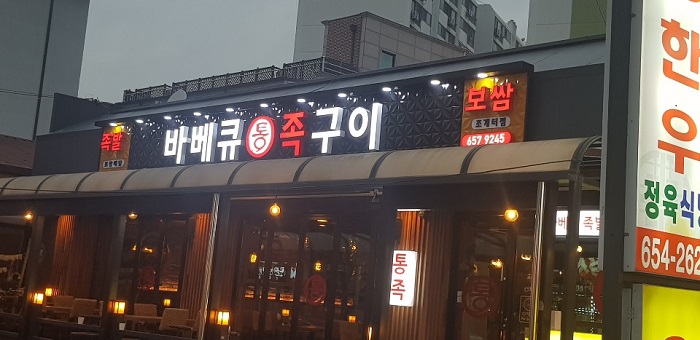
It is a barbecue-flavored Jokbal (pig’s feet) restaurant. This Korean dishes restaurant is located in Pyeongtaek-si, Gyeonggi-do. The most famous menu is braised pigs' feet.
Olive Young - Starfield Anseong Branch [Tax Refund Shop] (올리브영 스타필드안성점)
18.7Km 2024-06-27
1F, 3930-39, Seodong-daero, Gongdo-eup, Anseong-si, Gyeonggi-do
-
Godeok Galbi (고덕갈비)
18.7Km 2024-10-15
82, Pyeongtaek 5-ro, Pyeongtaek-si, Gyeonggi-do
+82-31-653-9992
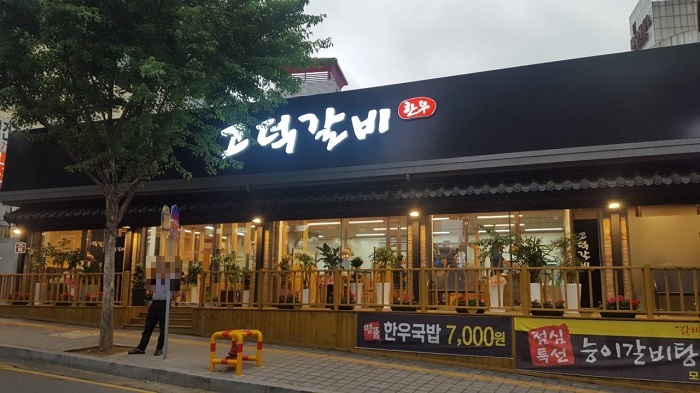
It is a place where dishes are served with carefully selected, quality hanu (Korean beef) with 50 years of traditional recipes. This restaurant's signature menu is short rib soup. This Korean dishes restaurant is located in Pyeongtaek-si, Gyeonggi-do.
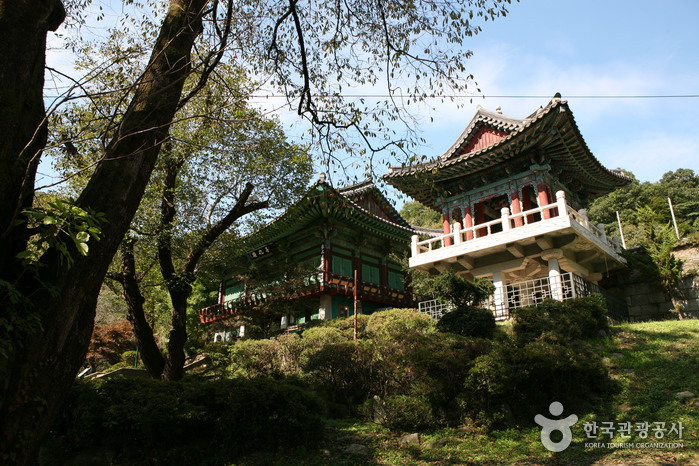
Cheonan Gwangdeoksa Temple (광덕사(천안))
18.8Km 2021-12-01
30, Gwangdeoksa-gil, Dongnam-gu, Cheonan-si, Chungcheongnam-do
+82-41-567-0050
Gwangdeoksa Temple is said to be established in 637 by Monk Jajang Yulsa during the Silla Kingdom and was refurbished during the reign of King Heungdeok (832). The temple sits in the southeast of Gwangdeoksan Mountain, which borders Asan-si and Cheonan-si, and the southwest of Taehwasan Mountain. It was the biggest temple within Chungcheong and Gyeonggi regions before the Japanese invasion. However, it was burnt down during the Japanese invasion and the main buildings such as Daeungjeon, Myeongbujeon and Cheonbuljeon Halls are relatively new compared to the other original facilities.
 English
 한국어
한국어 日本語
日本語 中文(简体)
 Deutsch
 Français
 Español
 Русский


