

K-Pop Cover Dance Festival World Final (K-POP 커버댄스 페스티벌 월드 파이널)
10.4Km 2025-10-23
110 Sejong-daero, Jung-gu, Seoul
+82-2-2000-9324
The K-Pop Cover Dance Festival World Final brings together K-pop fans from around the world, offering them a chance to become the main stars on stage. Going beyond just dance, the festival provides a platform where K-pop fans worldwide can share their culture, build a global network, express their passion through dance, and connect the entire world through Korean culture and K-pop.
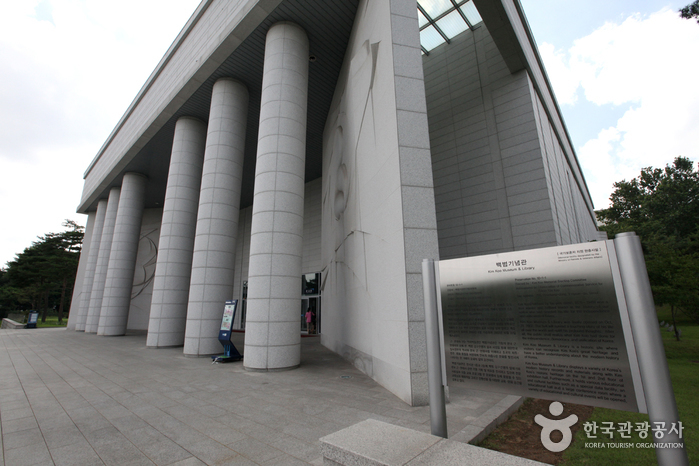
Kim Koo Museum & Library (백범김구기념관)
10.4Km 2022-08-30
26, Imjeong-ro, Yongsan-gu, Seoul
Kim Koo Museum & Library was built in Yongsan-gu, Seoul to commemorate Baekbeom Kim Koo (1876-1949), a highly respected Korean independence activist. It opened on October 22, 2002 to commemorate Kim Koo's efforts and achievements in Korean history. The main hall is comprised of two floors, exhibiting relics related to his entire life. A statue of a seated Kim Koo is situated in the central space of the first hall.
Jeongdong Observatory (정동전망대)
10.5Km 2022-08-11
15, Deoksugung-gil, Jung-gu, Seoul
Jeongdong Observatory is located on the 13th floor of Seoul City Hall Seosomun building. The observatory has a cafe inside where visitors can enjoy a drink while gazing upon the magnificent view of Deoksugung Palace from above. In addition, the walls of the cafe are decorated with photos of old Jeongdong.
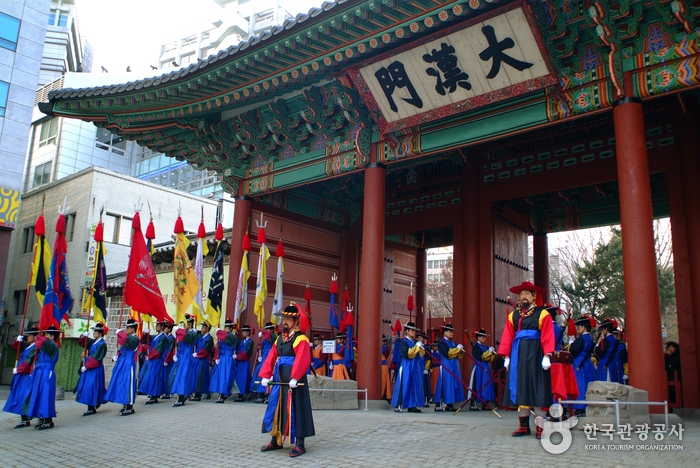
Deoksugung Palace Royal Guard Changing Ceremony (덕수궁 왕궁수문장교대의식)
10.5Km 2025-07-11
99, Sejong-daero, Jung-gu, Seoul
• 1330 Travel Hotline: +82-2-1330 (Korean, English, Japanese, Chinese) • For more info: +82-2-737-6444
Deoksugung Palace has held a guard changing ceremony since 1996 after thorough historical research by leading historians. The ceremony, which is held in front of Daehanmun Gate of Deoksugung Palace, is a tradition similar to the Changing of the Guards at Buckingham Palace and offers a rare opportunity to experience royal culture. The royal gate is opened and closed at pre-determined times, and the gatekeepers in charge of guard duty and patrols hold a shift ceremony three times a day.
The Royal Guard Changing Ceremony is a highly recommended event for tourists. It is held three times a day, with each ceremony following the same procedure and lasts for forty minutes to an hour, and the ceremony is free of charge. There are no ceremonies on Mondays as well as on severely cold or hot days.
As the ceremony begins, the changing of the guards commences replete with traditional musical instruments, and exchanges a password for verification. An eight-minute guard ceremony ensues, followed by a seven-minute change ceremony, and finally a patrol that completes the ceremony. The procedure takes a dramatic turn when 18 guards in six official positions beat a drum and bellow some orders.
The Royal Guard Changing Ceremony is a great opportunity to experience a rare traditional scene. The guards’ splendid costumes, with their brilliant primary colors, are a pleasure to view. Once the ceremony is over, visitors can take pictures with the gatekeepers.
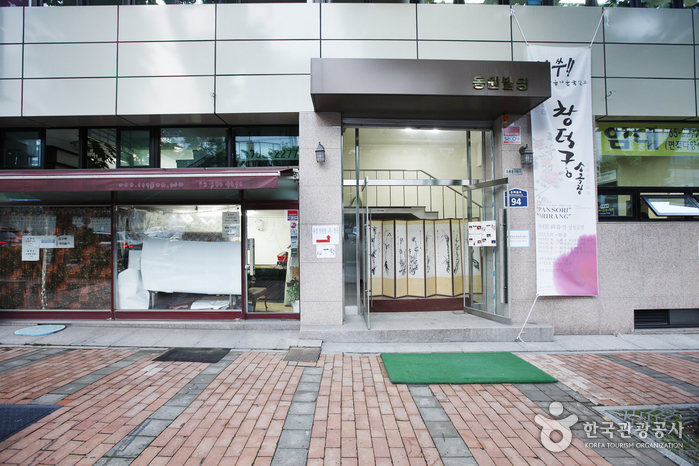
Theatre Changdeokgung (창덕궁 소극장)
10.5Km 2021-12-07
88-1, Donhwamun-ro, Jongno-gu, Seoul
Theatre Changdeokgung is located across from Changdeokgung Palace in the Gugak-ro Special Cultural Zone of Seoul. To recreate the traditional Korean entertainment setting and offer a better view of the stage, the theater is designed with floor seatings facing a platform stage. The theater offers a wide array of performances including samulnori (traditional Korean percussion quartet), traditional Korean music, and madanggeuk (a play infused with traditional music and performances). First time visitors often find the creative and cozy experience create a lasting memory of Korean culture and arts. Also nearby the theater are a number of tourist attractions including Changdeokgung Palace, Unhyeongung Palace, Jongmyo Shrine, and Insa-dong.
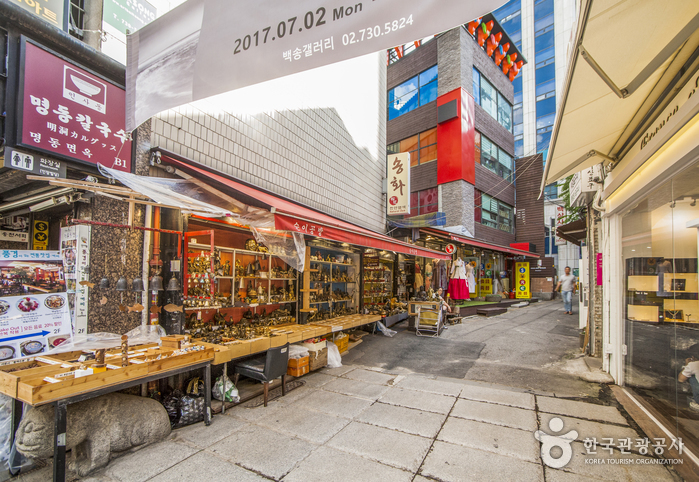
Insa-dong Antique Art Street (인사동 고미술거리)
10.5Km 2025-03-16
29 Insadong-gil, Jongno-gu, Seoul
As of today, there are approximately 70 shops in the Insa-dong area that sell antique arts. Some of the products they sell include antique artworks, porcelains, woodcrafts, and metalwork. Visitors may even find rare and valuable products such as earthenware from the Silla period or white porcelain used in the Joseon dynasty. Each shop is a specialty store, authorized to sell product types that are of their expertise, ranging from antique furniture and traditional artworks to handcrafted items.
Gyeonggi Cheonggyesa Temple (청계사(경기))
10.5Km 2021-11-23
475, Cheonggye-ro, Uiwang-si, Gyeonggi-do
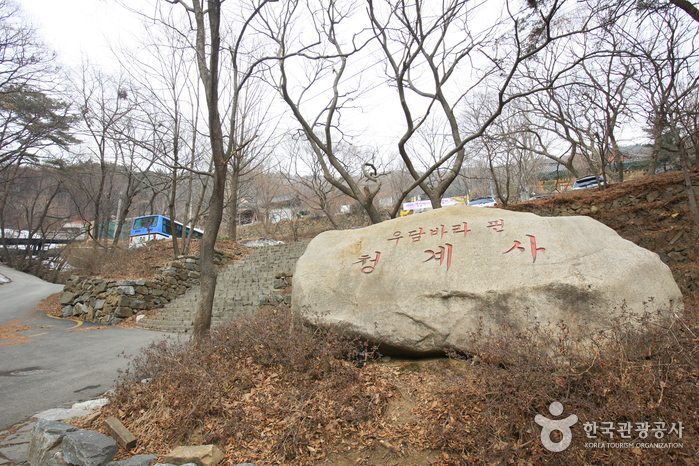
Cheonggyesa Temple is a Buddhist temple near Baegunhosu Lake that became well-known as the site of udumbara flower, a rarity that blooms on Buddhist statues. Built during the Silla Kingdom, the temple offers many sights, including the Cheonggyesa Temple Monument, Geungnakjeon Hall, the bell tower, Samseonggak Shrine, Ksitigarbha Hall, and Gamnoji Pond. Among the many things to see, visitors should not miss a glimpse of the Bronze Bell of Cheonggyesa Temple and the Wood Printing Block in Cheonggyesa Temple. Created in the 27th year of the reign of King Sukjong (1701) of the Joseon dynasty, the Bronze Bell has been designated as a national treasure, and is adorned with elaborate patterns.
Nakseonjae Hall (낙선재)
10.5Km 2021-09-30
99, Yulgok-ro, Jongno-gu, Seoul
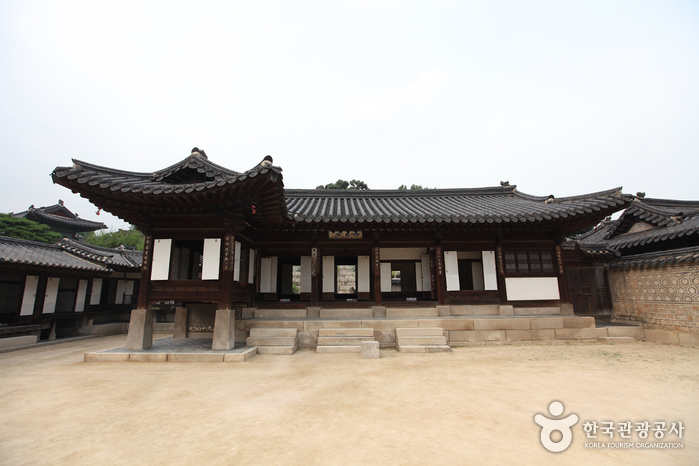
Located inside Changdeokgung Palace, Nakseonjae Hall is a one-story structure built in ikgong style (bird wing-shaped eaves placed on top of the pillars) with a hip tiled and gable roof. It has 6 kan in the front and 2 kan (traditional unit of measurement of the space between pillars) to the sides. It originally belonged to the nearby Changgyeonggung Palace, but came to be considered a part of Changdeokgung Palace in more recent years.
The hall was constructed in 1846 (12th year of King Heonjong’s reign) and it is collectively called Nakseonjae together with the adjacent Seokbokheon Hall and Sugangjae Hall.
Behind the building is a flower garden made of stacked large stones. The chimney, the flowers, and the oddly shaped stones harmoniously blend into one another to create an outstanding landscape gardening.
 English
 한국어
한국어 日本語
日本語 中文(简体)
 Deutsch
 Français
 Español
 Русский


