
Bank of Korea Money Museum (화폐박물관)
9.9Km 2024-03-18
39 Namdaemun-ro, Jung-gu, Seoul
This Renaissance-style three-story stone building is the museum of the Bank of Korea. The older Bank of Korea was established as the central bank of the Korean Empire in 1909 and has been designated as a National Historical Site. During the Japanese colonial period, the bank was renamed the Bank of Joseon, and the building was used as the main and head office of the Bank of Korea until 2001. The building has been used as the nation’s Money Museum since June 2001 in celebration of the 50th anniversary of the Bank of Korea. The museum has 13 exhibition rooms on two floors, with one basement floor and two above-ground floors. It holds special exhibitions of various currency and art collections to provide domestic and foreign visitors with the opportunity to enjoy the history and culture of currency. Visitors can learn about the Bank of Korea and the central banking system, as well as how to identify counterfeit notes and how money is produced and circulated. It is also a good place for children to learn about currencies from around the world. Advance reservations are required, and parking is not available. The museum can easily be reached via subway by getting off at Hoehyeon Station (Seoul Subway Line 4) and exiting through Exit 7.
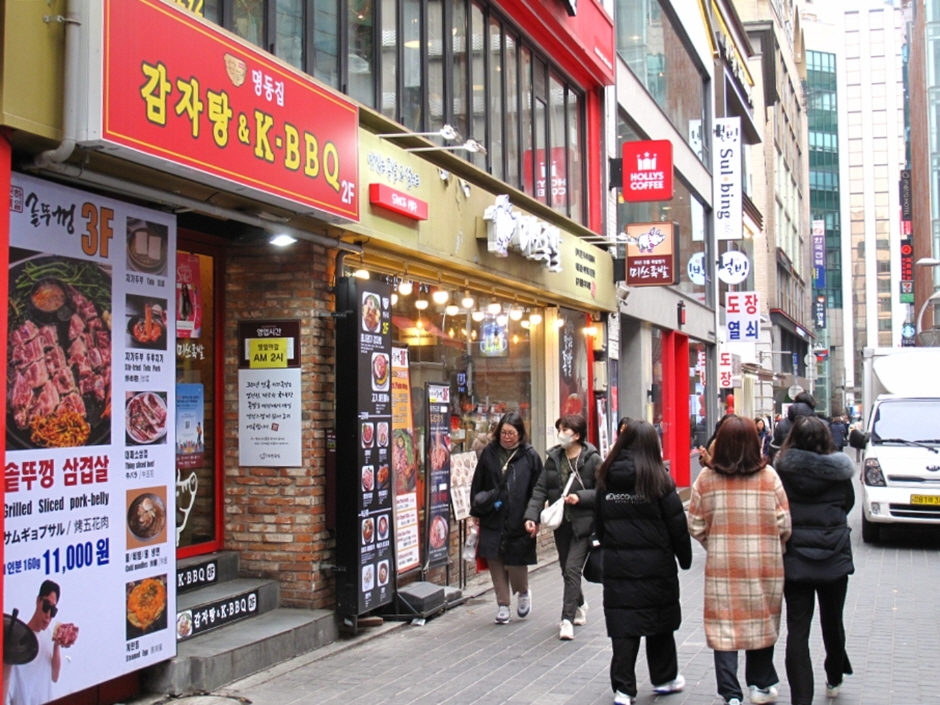
Myth Jokbal Myeongdong (미쓰족발명동)
9.9Km 2024-10-15
21, Myeongdong 3-gil, Jung-gu, Seoul
This restaurant specializes in Jokbal (Braised pigs' feet) and Bossam (Napa wraps with pork), both of which are served with vegetable wraps and salad. Jokbal (Braised pigs’ feet) is prepared by braising pigs' feet in spiced stock, a process that removes excess fat, enhances the flavor, and gives the meat a chewier texture. Each order of Jokbal (Braised pigs' feet) is accompanied by Kongnamulkimchiguk (Bean sprout and kimchi soup), to which Kalguksumyeon (Noodles) are added. For those who find the dishes too spicy, the restaurant offers a self-serve Jumeokbap (Riceball), featuring laver flakes, pickled radish, and mayonnaise to cool the palate.
Cha Fertility Ceter - Seoul Station ((의)성광의료재단 차여성의원)
10.0Km 2025-10-23
(2nd Floor, Seoul Square), 416 Hangang-daero, Jung-gu, Seoul
Since opening in 2015, CHA Fertility Center - Seoul Station has served as Korea's leading fertility treatment center. Based on the know-how of CHA University Gangnam Medical Center, the first private hospital to deliver a test-tube baby in 1986, CHA Fertility Center - Seoul Station is conveniently located near the center of Seoul, making it convenient for domestic and international fertility clients. Foreign fertility patients who arrive in Korea via Incheon Airport not only have easy access to the clinic via the direct rail linking Seoul and the airport but also benefit from the capital city's excellent infrastructure (transportation, tours, accommodations, restaurants, etc.) for a safe and comfortable fertility treatment during their stay. In particular, many international residents in Korea, embassy officials, U.S. soldiers, and Koreans living abroad visit CHA Fertility Center for fertility treatment.
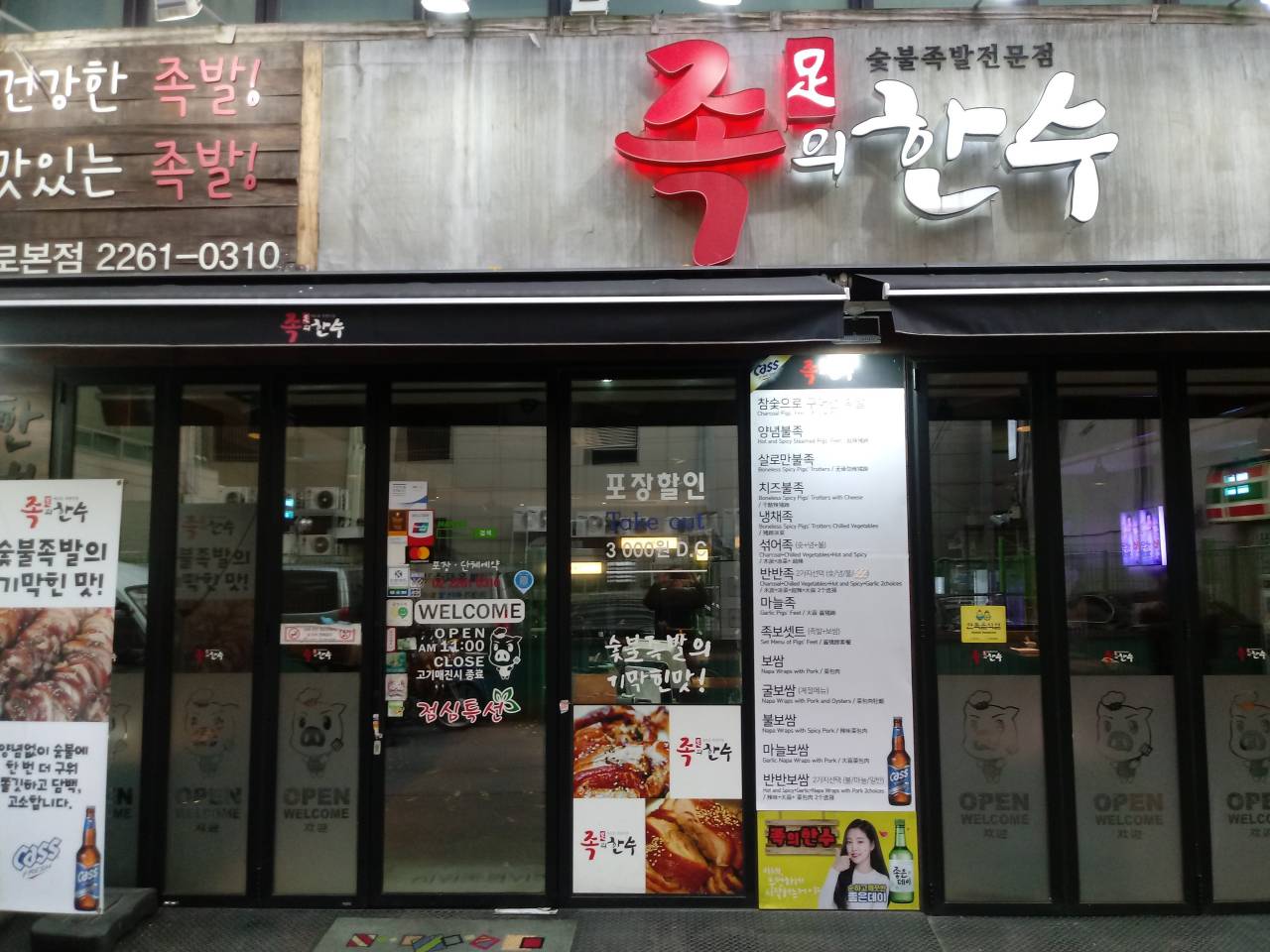
Jogui Hansu (족의한수)
10.0Km 2024-10-15
93-1, Supyo-ro, Jongno-gu, Seoul
A pig's trotter(s) specialty restaurant located in Jongno, Seoul. This restaurant's signature menu is braised pigs' feet. A restaurant serving both charcoal-grilled jokbal (pig's trotter) and spicy jokbal.
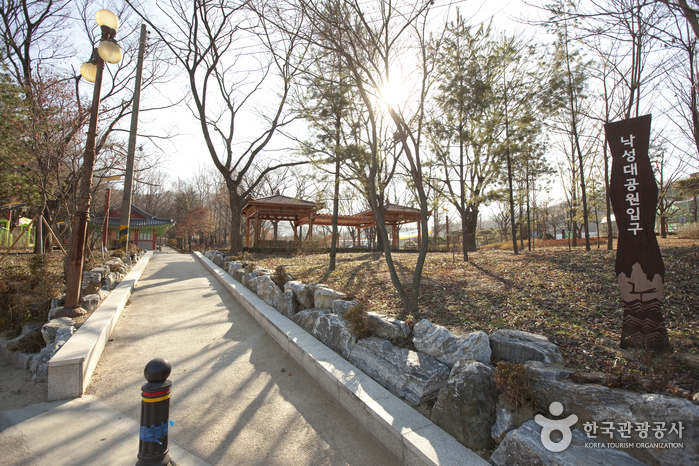
Gwanaksan Mountain Nakseongdae Park (관악산 낙성대공원)
10.0Km 2021-07-16
77, Nakseongdae-ro, Gwanak-gu, Seoul
Nakseongdae Park was built as a tribute to General Kang Gam-chan (948-1031) of the Goryeo dynasty. In 1973, the city of Seoul reorganized the birthplace of General Kang, resulting in changes to the park. Located inside the park are Anguksa Shrine, the general’s birthplace, and a three-story stone pagoda, which was made during the Goryeo dynasty. The 4.48-meter-high pagoda is made of granite, and is called “Kang Gam-chan Tap (pagoda)” or “Kang Gam-chan Nakseongdae Tap”.
*Anguksa Shrine
Anguksa is a shrine built in 1974 emulating the wooden architecture style of the Goryeo era. The shrine has high ceilings and houses the portrait of General Kang Gam-chan. The shrine is located on the road leading to the back gate of Seoul National University and has become a popular place in the area.
*Nakseongdae Yuji
Nakseongdae Yuji is the birthplace of General Kang Gam-chan and the original location of the three-story pagoda. During the maintenance of Nakseongdae area in 1973, the pagoda was moved into the vicinity of Anguksa Shrine, and a two-meter tall monument was erected in its original location to mark the historical significance of the site.
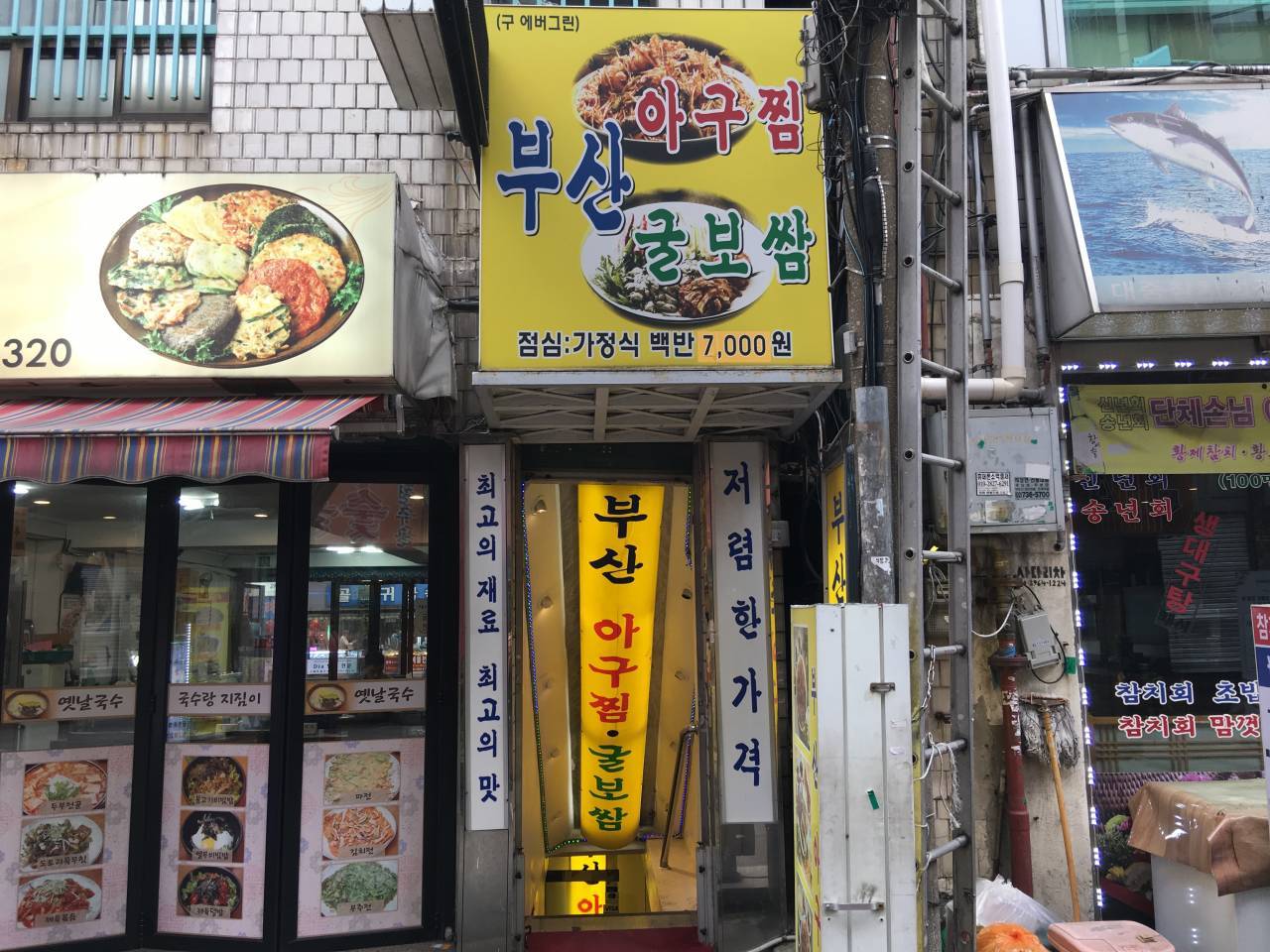
Busan Agujjim Gulbossam (부산아구찜굴보쌈)
10.0Km 2024-10-15
서울특별시 종로구 돈화문로 35
This is a Korean cuisine located in Jongno, Seoul. The best menu at this restaurant is spicy braised monkfish. Stewed monkfish is a spicy seafood dish made of fish and vegetables.
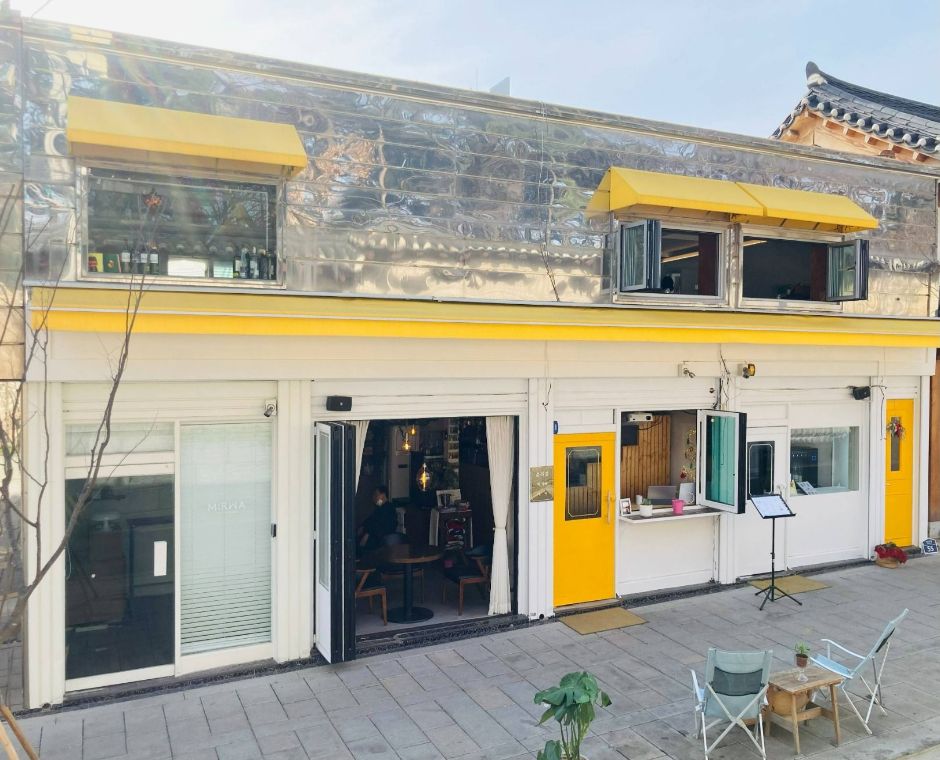
Sulla-gil Yeah Café & Bibi (순라길 예 & 비비)
10.0Km 2025-01-23
55 Seosulla-gil, Jongno-gu, Seoul
Situated in Sulla-gil, the Sulla-gil Yeah Café & Bibi is a roaster café where each bean is handpicked. It also offers a range of wine selections. The café is a perfect place to relax after exploring downtown Seoul. The cozy atmosphere of the café with the added charm of the stone wall visible from café, makes visitors feel at ease and relaxed. The evenings here turn into a music and movie session, adding a lively atmosphere to the space.
![Lotte Outlets - Seoul Station Branch [Tax Refund Shop] (롯데아울렛 서울역점)](http://tong.visitkorea.or.kr/cms/resource/80/3003480_image2_1.jpg)
Lotte Outlets - Seoul Station Branch [Tax Refund Shop] (롯데아울렛 서울역점)
10.1Km 2024-07-30
405, Hangang-daero, Yongsan-gu, Seoul
- Located in the heart of transportation at Seoul Station, LOTTE Seoul Station offers convenience with easy access to nearby public transport and parking and holds a diverse selection of brands under the YOUNG & SPORTY concept. Experience top-notch services tailored to our foreign guests in our Global Service Room.
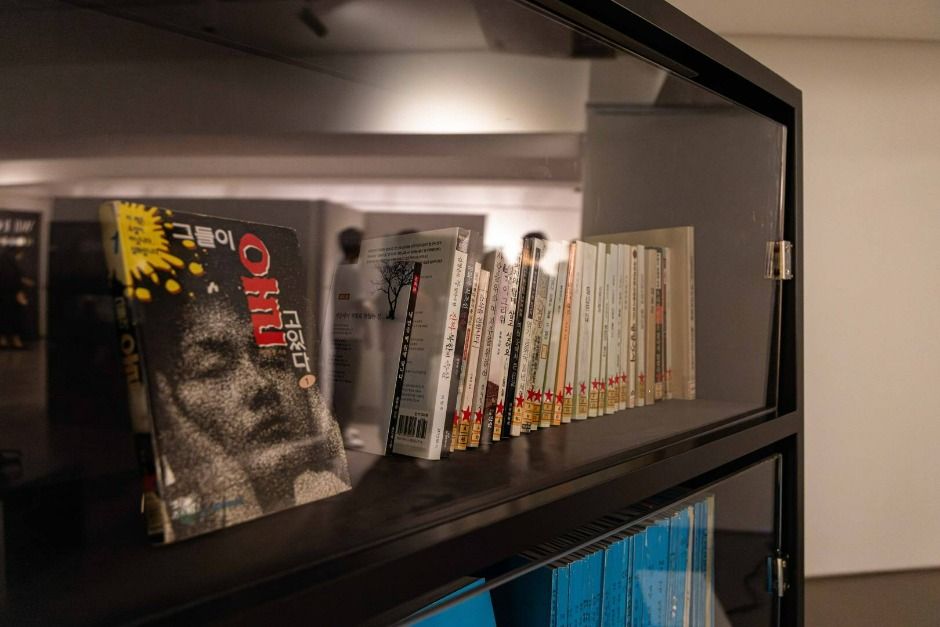
NKDB North Korean Human Rights Exhibition Hall (북한인권전시실)
10.1Km 2025-11-13
393 Samil-daero, Jongno-gu, Seoul
The NKDB North Korean Human Rights Exhibition Hall is a permanent exhibition space dedicated to North Korean human rights. Although it is a small space, it resonates deeply and serves as a "dark tourism" site that records and testifies to the ongoing reality of human rights violations in North Korea. The North Korean Human Rights Information Center (NKDB), which operates this exhibition hall, is the organization that collects and archives the most extensive records of human rights concerning North Korean residents in the world. The testimonies and records presented here represent a living history, a story unfolding in the present, unavailable elsewhere. Through donated North Korean artifacts, including these records, visitors can glimpse the present-day North Korea and encounter artwork by North Korean defectors.
Kyung Hee University Medical Center (경희의료원)
10.1Km 2025-10-23
23 Kyungheedae-ro, Dongdaemun-gu, Seoul
KYUNG HEE UNIVERSITY MEDICAL CENTER is the world's only academic medical center where six medical fields including medicine, dentistry, oriental medicine, East-West integrated medicine, pharmacy, and nursing coexist. We have established new treatment systems by complementing the strengths of each field, and have strived to protect humanity from diseases for more than 50 years.
We make all efforts to return the love received from our patients and their guardians. Our innovative medical treatment systems further improve the effectiveness of disease treatment and provide top-class medical services to help all patients recover quickly. We will continue to work hard to fulfill our role as a center for research and academics and make a contribution to the health of the community and the nation.
With the ‘Kyung Hee Family Spirit,’ we promise to become Kyung Hee Medical Center that always thinks and acts on the patient’s side.
 English
 한국어
한국어 日本語
日本語 中文(简体)
 Deutsch
 Français
 Español
 Русский


