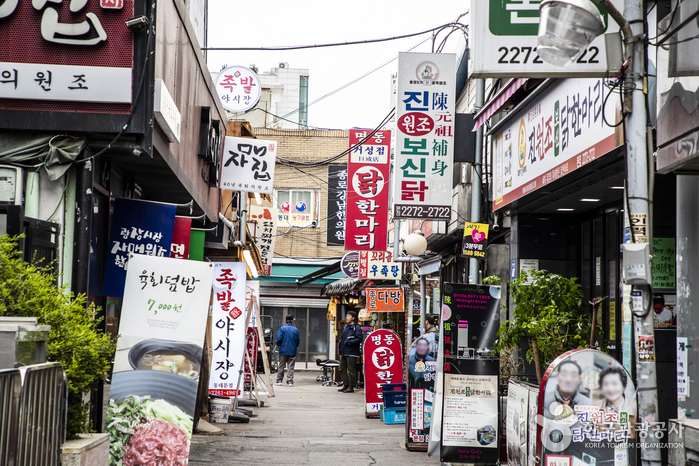
Dongdaemun Dak Hanmari Alley (서울 동대문 닭한마리 골목)
4.0Km 2024-03-04
37-7, Jongno 5(o)-ga, Jongno-gu, Seoul
Located near the Dongdaemun Market, Dongdaemun Dak Hanmari Alley gets its name from the restaurants serving dak hanmari (whole chicken soup) that line the alley. Dak hanmari (whole chicken soup), literally “one whole chicken” in Korean, is a dish where a whole chicken is boiled in a soup and served with the alley’s special sauce. After the diners eat the meat, the broth is used to make kalguksu (noodle soup). Because the area is home to large-scale apparel and fashion material markets of the Dongdaemun Market, the district is always lively and bustling.
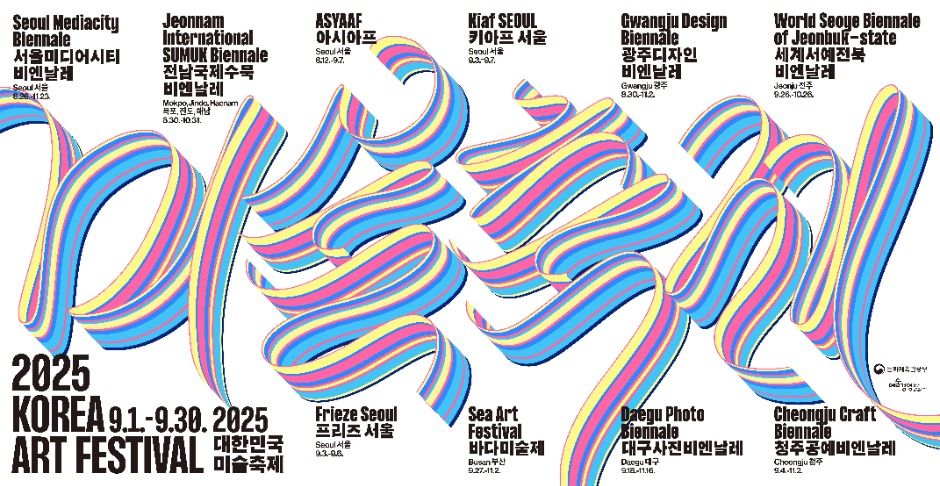
Korea Art Festival (대한민국 미술축제)
4.0Km 2025-07-31
57 Daehak-ro, Jongno-gu, Seoul
+82-70-7575-0980
Korea Art Festival is the nation's largest art festival that connects the 12 major art fairs and biennales taking place nationwide. The 2025 festival takes place in September, inviting visitors to enjoy the world of art.
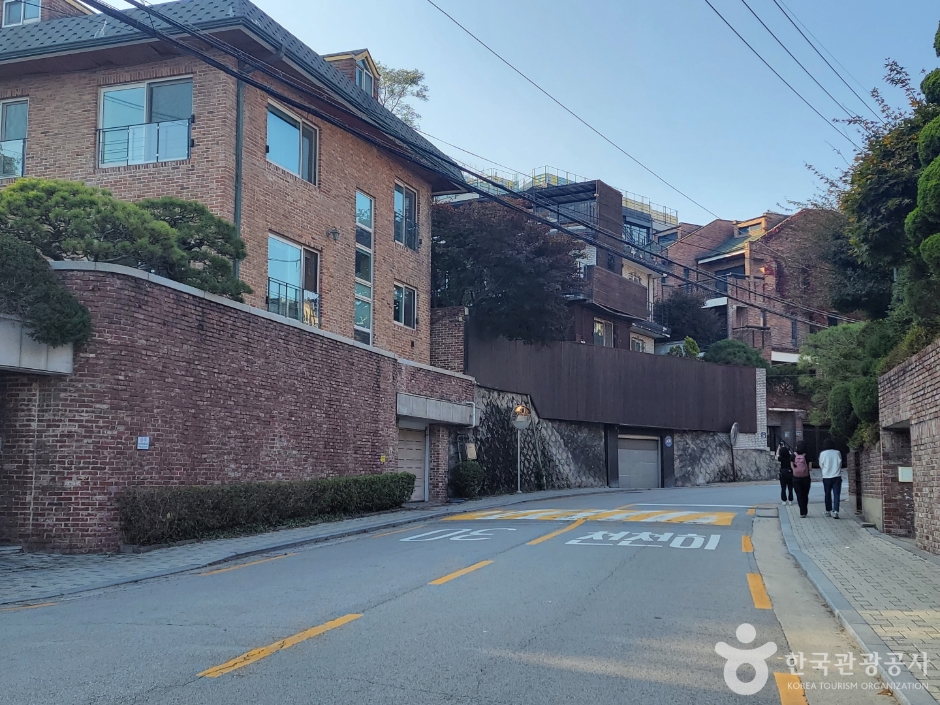
Seongbuk-dong–Bukchon Hanok Village Course (성북동고택북촌산책길)
4.0Km 2025-11-06
68, Seonjam-ro 5-gil, Seongbuk-gu, Seoul
The Seongbuk-dong–Bukchon Hanok Village Course is a nostalgic path connecting famous old houses in Seongbuk-dong and Bukchon Hanok Village, divided by the old city walls. Along the way, you'll find historic sites like Gilsangsa Temple, Jeongbeopsa Temple, Han Yong-un’s Simujang House, and novelist Lee Tae-jun's House. The trail also features charming cultural spots, such as the traditional tea house Sooyeon Sanbang and the Seongbuk Museum of Art.
◎ Travel information to meet Hallyu’s charm - "Parasite"
The scene in the alley where Ki-woo visited Mr. Park's house in a wealthy neighborhood for expensive tutoring was filmed in a residential area in Seongbuk-dong. Seongbuk-dong, an old wealthy village, has luxury mansions lined up in. There are many pretty cafés and galleries here and there, so it's good to take a leisurely look around. Mr. Park's house was a filming set, which was demolished after filming.
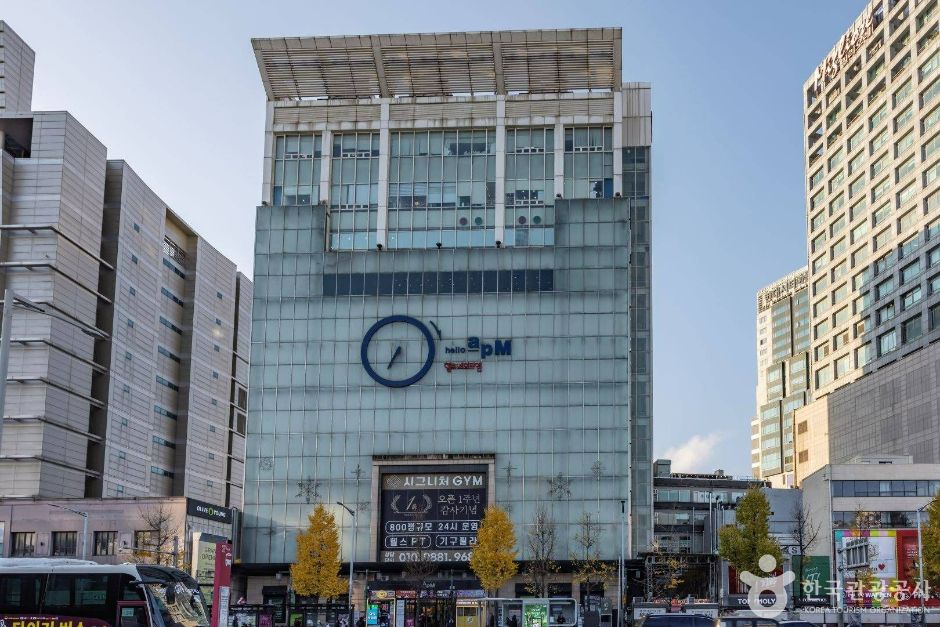
Hello apM (헬로에이피엠)
4.0Km 2025-05-13
253 Jangchungdan-ro, Jung-gu, Seoul
Hello apM is located within the Dongdaemun shopping district and appeals to customers in their 10s and 20s for it's latest trending styles and low prices. It is crowded year-round with young people from all over the world. Bargaining has faded out over recent years with prices more often indicated.
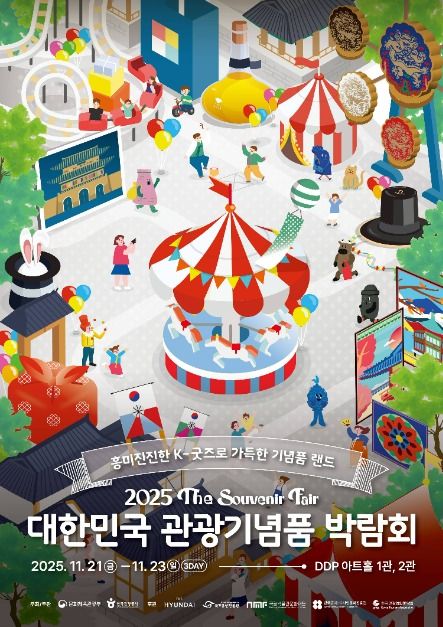
The Souvenir Fair (2025 대한민국 관광기념품 박람회)
4.0Km 2025-10-27
281 Eulji-ro, Jung-gu, Seoul
+82-10-8315-5434
The Souvenir Fair brings together various companies and local governments to showcase a variety of souvenirs, both traditional and trendy. Visitors can freely explore the exhibition space, enjoy souvenir shopping, and take part in various programs. Highlights of the fair include an exhibition of competition-winning works, a zone featuring outstanding local souvenirs, and a special exhibition of overseas souvenirs.
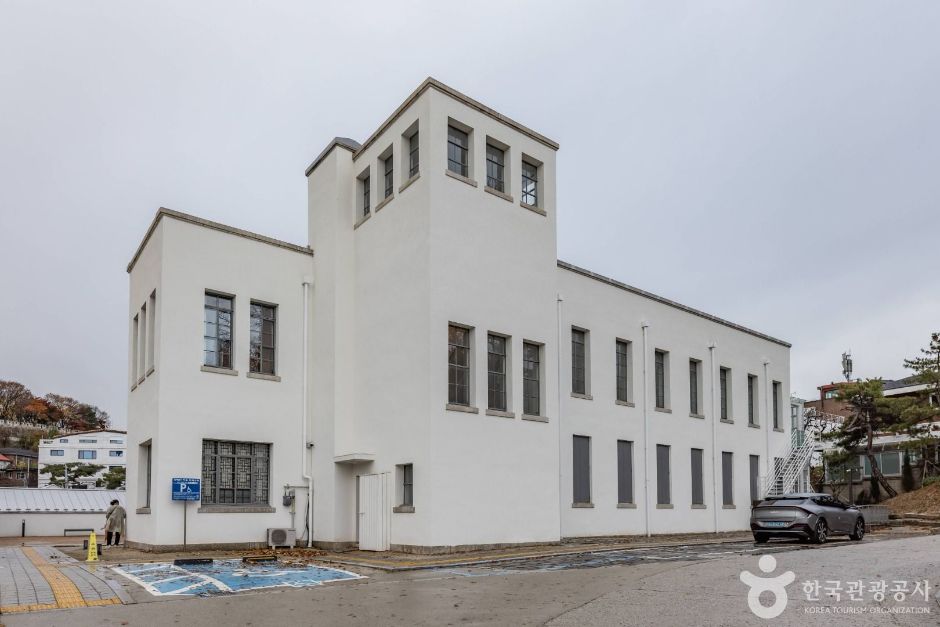
Kansong Art Museum (간송미술관(서울 보화각))
4.0Km 2025-06-30
102-11 Seongbuk-ro, Seongbuk-gu, Seoul
Kansong Art Museum was the first private art museum in Korea, opened as Bohwagak in 1938 by Kansong Jeon Hyeong-pil. The name was changed to the current Kansong Art Museum in 1966. Bohwagak was designated as National Registered Cultural Heritage No. 768 on December 30, 2019. Jeon Hyeong-pil dedicated his life to preserving and researching Korea’s representative relics that were devaluated and purposefully obliterated during the Japanese colonial era, as well as to acknowledging their cultural excellence and beauty. The museum houses 11 national treasures and 24 treasures.
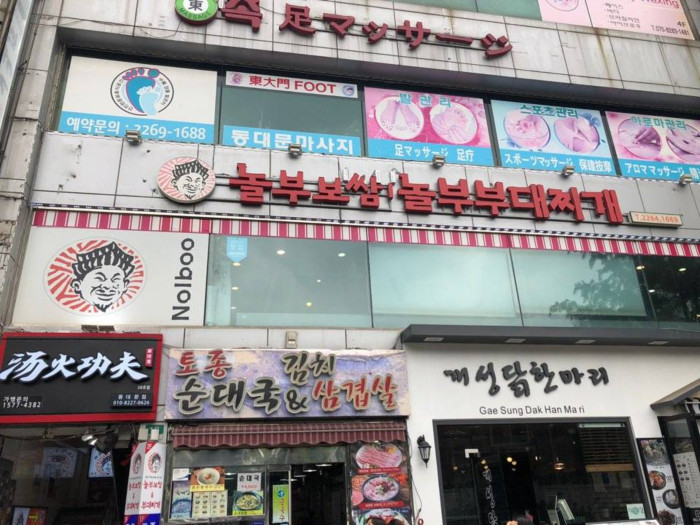
Nolboo Bossam & Budaejjigae Euljiro6ga(놀부보쌈&부대찌개 을지로6가)
4.1Km 2024-10-15
2F, 34, Euljiro43-gil, Jung-gu, Seoul
This is a Korean cuisine located in Dongdaemun Gate, Seoul. One of Korea’s representative restaurant franchises. The best menu at this restaurant is napa wraps with pork.
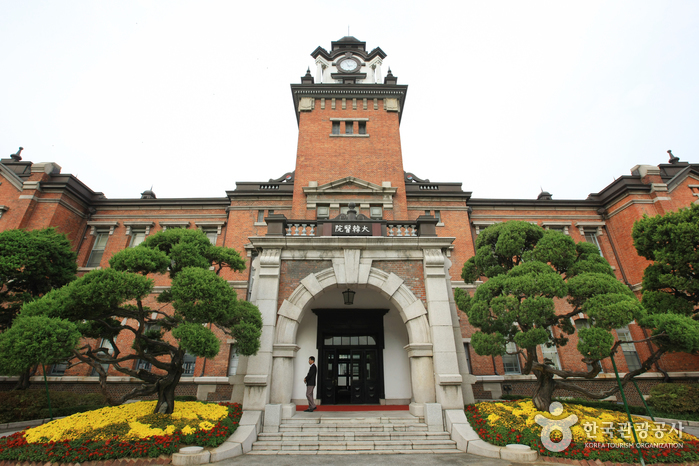
Seoul Daehan Hospital (서울 대한의원)
4.1Km 2021-12-23
101, Daehak-ro, Jongno-gu, Seoul
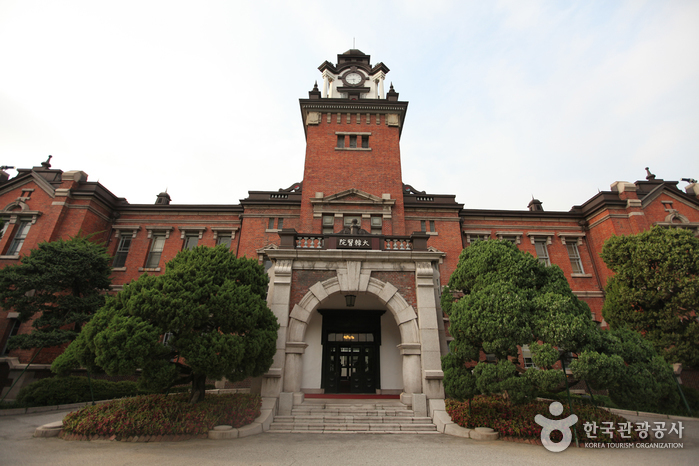
Daehanuiwon (Daehan Medical Center) is an antique two-story brick building within the grounds of Seoul National University Hospital. It was established under the direct administration of the Uijeongbu (State Council), combining the Gwangjewon (under the Home Ministry), Gyeongseong Medical School and the Korean Red Cross Hospital (under the Royal Household).
Built in the Madubong Hill area, this location where Hamchunwon, the outer garden of Changgyeonggung Palace, once stood in 1484 (15th year of King Seongjong), was also once the site of Gyeongmogung Palace, where King Jeongjo enshrined the mortuary tablet of his birth father Crown Prince Sado Seja in 1776 (the year King Jeongjo ascended to the throne).
These places that held importance for the royal family were destroyed as the Japanese built Gyeongseong Empire University in its place. In 1907, with the announcement of the plan to establish Daehan Medical Center, construction began on the main building, seven wards and affiliated buildings. Construction was completed in November 1908.
The Daehan Medical Center opened in Gwangjewon, but upon Japanese colonization in 1910, its name was changed to the Japanese Viceroyalty Hospital. In 1926, it was included as a part of Gyeongseongjeguk University to become a university hospital. Since the liberation of Korea in 1945, it has been a hospital affiliated with Seoul National University.
The Museum of Medicine (서울대학교병원의학박물관)
4.1Km 2024-03-18
101 Daehak-ro, Jongno-gu, Seoul
The Museum of Medicine is located in the building of the former Daehan Medical Center, the oldest modern hospital in Korea. It is a medical museum that provides a comprehensive view of the development of modern medicine in Korea, the history of medical devices, and the transformation of Seoul National University Hospital. Through permanent and special exhibitions, the museum showcases medical artifacts and documents related to the history of medicine.
Cheonggyecheon Stream (청계천)
4.1Km 2024-05-16
Changsin-dong, Jongno-gu, Seoul
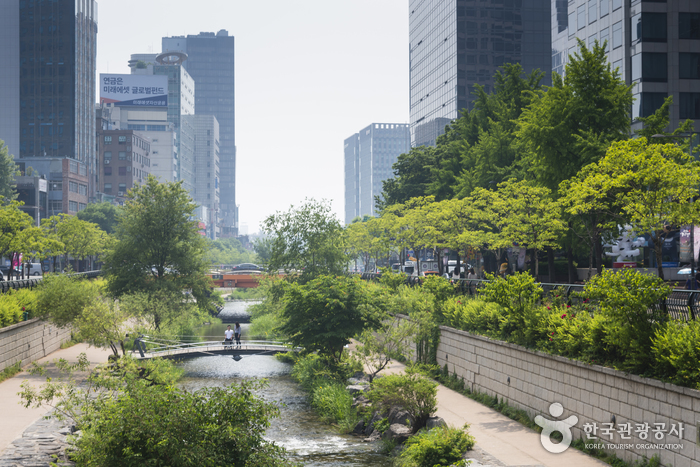
Cheonggye Plaza was built on Sejong-ro Street, where Cheonggyecheon Stream begins. It was built between Dong-A Ilbo, the starting point of the Cheonggyecheon Stream restoration, and Sindap Railroad Bridge, with a length of 160 meters, a x_width of 50 meters, and a total area of 6,962 meters squared. The plaza is decorated with fountains, waterfalls, and walking paths. It was created as a place for meetings, harmony, peace, and unification, to celebrate the significance of the restoration of Cheonggyecheon Stream. A miniaturized version of Cheonggyecheon Stream is displayed here, providing an overview of the restored stream. There are also interpretive panels about the 22 bridges that cross Cheonggyecheon stream. Fountains of various shapes create beautiful scenery. Cheonggyecheon Stream is accessible from the square through stairs on the left and Cheonggye Trail on the right. There is also an 18-meter tunnel on the Cheonggye Trail, providing a unique experience for citizens entering Cheonggyecheon Stream from the plaza. After constructing Cheonggyecheon Plaza, the Seoul Metropolitan Government made it a car-free street on public holidays so that the plaza, waterside area, and streets could be used as cultural spaces for citizens to relax. A spectacular sight is created by three-color lights illuminating the fountains and a two-tiered waterfall coming down from a x_height of four meters. Palseokdam, made of eight stones from eight provinces in Korea, was laid along the waterfall's sides.
 English
 한국어
한국어 日本語
日本語 中文(简体)
 Deutsch
 Français
 Español
 Русский


