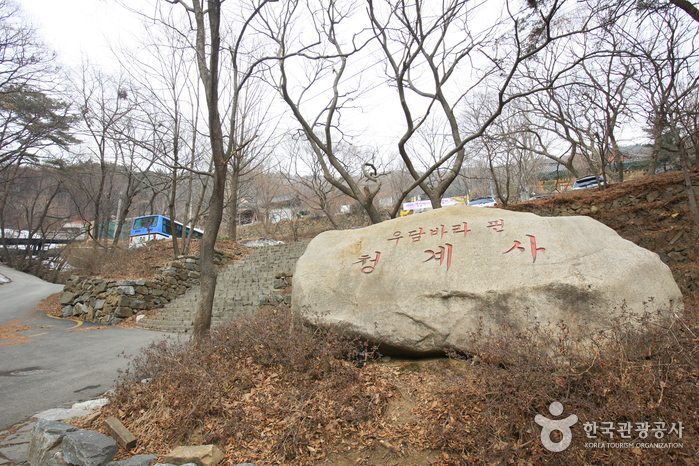
Gyeonggi Cheonggyesa Temple (청계사(경기))
.0M 2021-11-23
475, Cheonggye-ro, Uiwang-si, Gyeonggi-do
Cheonggyesa Temple is a Buddhist temple near Baegunhosu Lake that became well-known as the site of udumbara flower, a rarity that blooms on Buddhist statues. Built during the Silla Kingdom, the temple offers many sights, including the Cheonggyesa Temple Monument, Geungnakjeon Hall, the bell tower, Samseonggak Shrine, Ksitigarbha Hall, and Gamnoji Pond. Among the many things to see, visitors should not miss a glimpse of the Bronze Bell of Cheonggyesa Temple and the Wood Printing Block in Cheonggyesa Temple. Created in the 27th year of the reign of King Sukjong (1701) of the Joseon dynasty, the Bronze Bell has been designated as a national treasure, and is adorned with elaborate patterns.
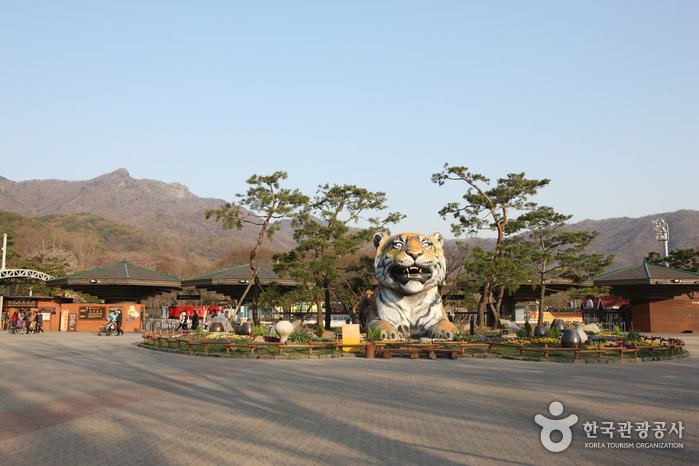
Seoul Grand Park (서울대공원)
2.4Km 2023-03-17
102, Daegongwongwangjang-ro, Gwacheon-si, Gyeonggi-do
Seoul Grand Park is a family-friendly amusement park consisting of various themed facilities that promote the growth and preservation of diverse animals and plants.
[Seoul Zoo]
Seoul Zoo aims to provide an ideal environment for animals to grow and live as well as exhibit, preserve, and research rare animals and educate the public. As a result of the zoo's hard work and efforts, it is the only zoo in Korea to be certified as a member of both ISIS and IUDZG-WZO.
[Botanical Garden]
Seoul Grand Park's Botanical Garden was opened in 1985 amidst the lush forest situated at the foot of Cheonggyesan Mountain. The garden consists of a greenhouse, exhibition facilities, and themed gardens that boast a collection of over 41,000 plants from 1,262 different species. The greenhouse preserves and exhibits tropical and subtropical plants that are not found in Korea. Moreover, the Botanical Garden offers various activities and experience programs related to plants and forests.
[Theme Garden]
The Theme Garden is one of the most representative facilities of Seoul Grand Park. The Theme Garden consists of a Rose Garden and Children's Zoo. Seasonal plants and flowers as well as diverse themed garden programs are offered.
[Healing Place]
The Healing Place is a forest formed at the foothills of Cheonggyesan Mountain that surrounds the border of Seoul Grand Park. Main facilities consist of Healing Forest Walkway; Water, Wind & Sunshine Healing Zone; Barefoot Road; Aroma Garden; and Forest Plaza.
[Healing Forest Walkway]
Healing Forest Walkway is a walking path lined by diverse trees that form a lush forest serving as a habitat for small animals like squirrels, rabbits, raccoons, and more. The walking path is approximately 8 kilometers long and divided into four sections. The shortest course takes approximately 30 minutes to complete, while the full course requires 3 hours.
[Campsite]
The campsite within the Seoul Grand Park is the perfect place to camp out, hold picnics and enjoy recreational activities with friends and families. The main facilities consist of a campsite, volleyball court, basketball court, snack bar, and shower facilities. The campsite is open from March to November, except in the case of harsh weather conditions.

Seoulland Sledding Hills (서울랜드 눈썰매장)
3.0Km 2022-11-22
Makgye-dong, Gwacheon-si, Gyeonggi-do
Seoulland Sledding Hills offers two slopes, one for children (50 meters long) and another for adults (120 meters long). Amenities include food stands that sell various foods, including eomuk (fish cake) soup, resting lounge and medical office. Various performances are also prepared to entertain visitors at the main stage nearby the sledding hill.
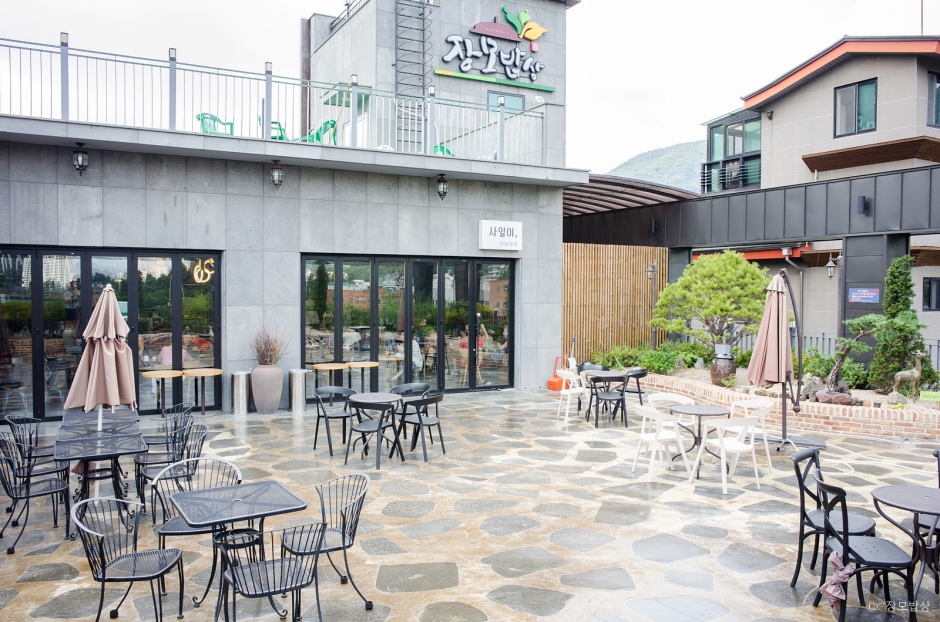
Jangmo Bapsang (장모밥상)
3.1Km 2024-10-15
5, Haogae-ro 344beon-gil, Bundang-gu, Seongnam-si, Gyeonggi-do
This restaurant specializes in elegant Korean table d’hote. Order the flagship set menu, Jangmo Bapsang, which includes nearly 20 types of side dishes. These dishes range from Saengseongui (Grilled fish), Suyuk (Boiled pork slices), Ganjanggejang (Soy sauce marinated crab), Japchae, Kimchi, Doenjangjjigae (Soybean paste jjigae), Namul (Salad), and Cheongpomukmuchim (Mung bean jelly salad), all served with Gamasotbap (Rice Cooked in Cast-iron Pot). You can enjoy extra servings of side dishes from the self-service bar. The dishes are known for their refined taste. After your meal, enjoy a cup of tea at the café on the second floor.
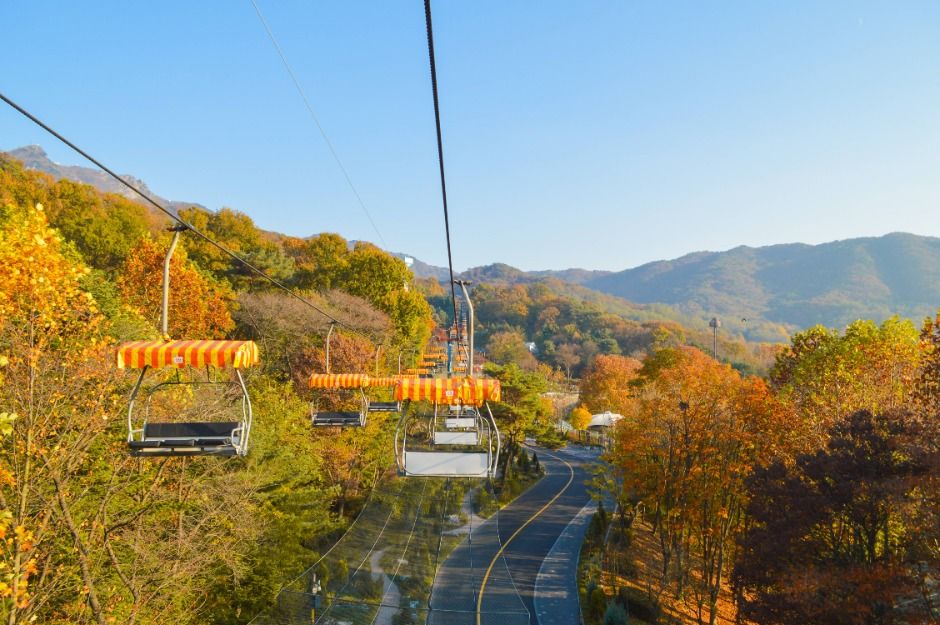
Skylift (스카이리프트)
3.3Km 2025-11-11
102 Daegongwongwangjang-ro, Gwacheon-si, Gyeonggi-do
The Seoul Grand Park Skylift is an experiential transportation and tourist facility that operates within Seoul Grand Park. It consists of two lines, Line 1 and Line 2, and operates from the entrance of Seoul Grand Park to the north gate of the zoo, and from the north gate of the zoo to the top of the carnivore animals zone, respectively. It serves to connect major tourist destinations such as the zoo, themed gardens, and children's zoo, allowing visitors to move around efficiently. Visitors can also enjoy the natural scenery of Seoul Grand Park's lakes, forests, and flower paths while traveling on the lift. Available all year round, visitors can enjoy seasonal scenery such as cherry blossoms in spring, greenery in summer, autumn leaves in fall, and snowy landscapes in winter.

Cheonggyesan Mountain (청계산)
3.7Km 2024-03-20
Makgye-dong, Gwacheon-si, Gyeonggi-do
Standing at 618 meters above sea level, Cheonggyesan Mountain boarders the area of Yangjae-dong, Seoul and Gwacheon-si, Seongnam-si, and Uiwang-si, Gyeonggi-do. From the top, visitors can enjoy panoramic views of Seoul's city center and Gyeonggi-do. The mountain is well-maintained with various hiking trails, making it easy to climb even for beginners. In the fall, the mountain is known for its stunning fall foliage, attracting numerous visitors.
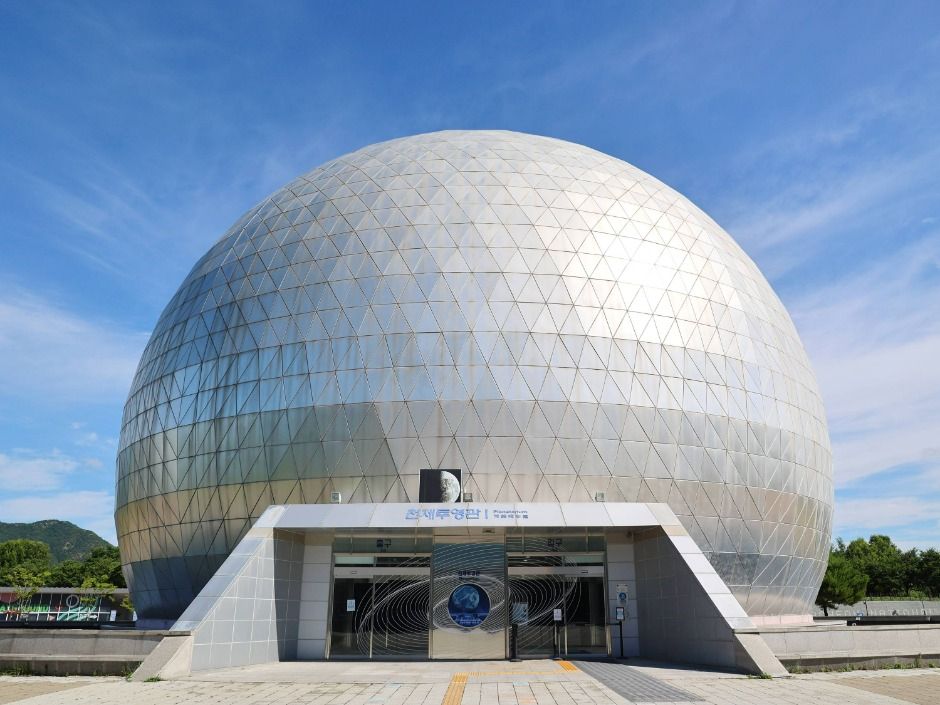
Gwacheon National Science Museum (국립과천과학관)
3.9Km 2025-07-14
110, Sanghabeol-ro, Gwacheon-si, Gyeonggi-do
As a landmark facility representing Korea’s advanced science and technology capabilities, Gwacheon National Science Museum strives to encourage young visitors to become interested in science and shares with the public scientific principles that govern daily life. The museum has permanent exhibition halls, special exhibition halls, a planetarium, outdoor exhibitions, and more. Over 50% of the exhibition items on display are interactive, allowing visitors to jump in and experience science first-hand using their minds and their imagination.
Baegunhosu Lake (백운호수)
4.4Km 2023-09-05
526 , Baegun-ro, Uiwang-si, Gyeonggi-do
Baegunhosu Lake is an artificial lake that was completed in 1953. The lake is surrounded by mountains made up of Cheonggyesan Mountain in the northeast, Baegunsan Mountain in the southeast, and Moraksan Mountain in the west. The lake encompasses an area of 363,638 m². This lake was originally built to provide irrigation for nearby farmlands but it became a public recreational space due to its scenic landscape, fresh air, and spacious lot perfect for parking. Visitors to Beagunhosu Lake can enjoy music at a live cafe or water activities such as motor boating, as well as delicious foods from nearby restaurants.
Gwacheon Chusa Museum (추사박물관(과천))
4.5Km 2023-07-14
78, Chusa-ro, Gwacheon-si, Gyeonggi-do
Gwacheon was where Chusa Gim Jeong-hui immersed himself in studies and arts to ignite his final artistic spirit in the twilight of his life. The city of Gwacheon opened Chusa Museum in order to promulgate the essence of the learning and arts that Chusa flowered. The museum features the life exhibit of Chusa, an art and science exhibit, a planned exhibit hall, an experience room, lounges, a museum shop and an education room for thoroughly researching, exhibiting and experiencing Chusa.
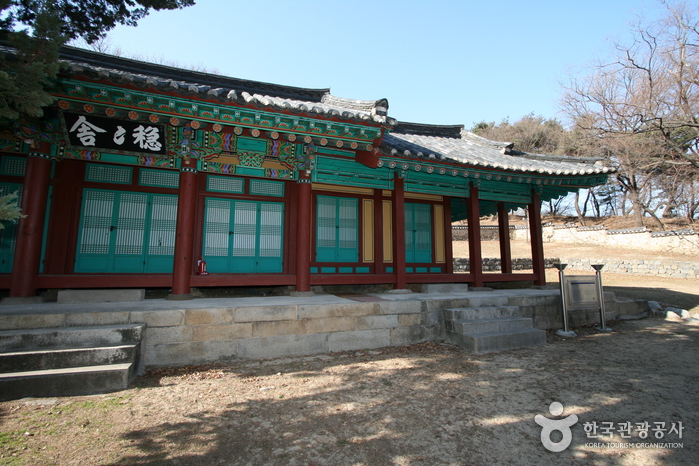
Ononsa Guesthouse (온온사)
4.6Km 2023-07-17
58 Gwanaksan-gil, Gwacheon-si, Gyeonggi-do
Though Ononsa, which was a guesthouse in Gwacheon, was constructed in the 27th year of King Injo's reign in the Joseon dynasty (1649), the name, "Ononsa," was given to this area during the reign of King Jeongjo. On February 11, 1790 during his royal procession to the tomb of his father, Crown Prince Sado, stayed at an inn in Gwacheon and, as he felt that it "has nice views and provides a comfortable stay," he bestowed upon the place plaques that he wrote himself - "Ononsa" to Seoheon and "Burimheon," which was the old nickname of Gwacheon, to Dongheon. This is how this place began to be called Ononsa.
It was designated as a Tangible Cultural Heritage of Gyeonggi-do on June 2, 1980, and it was restored on December 2, 1986 after being torn down.
 English
 한국어
한국어 日本語
日本語 中文(简体)
 Deutsch
 Français
 Español
 Русский


