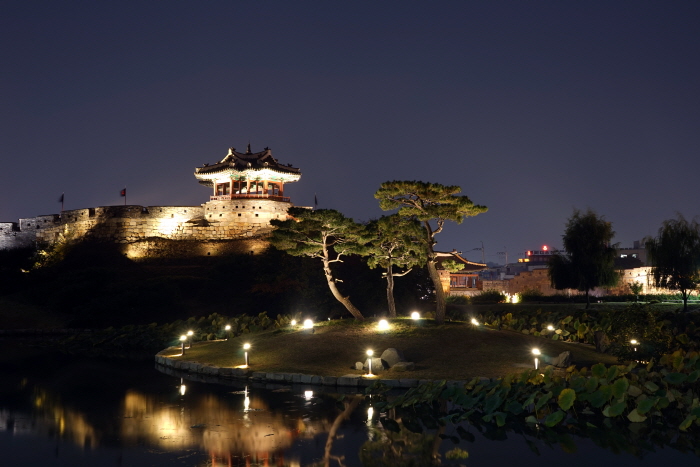
Suwon Hwaseong Special Tourist Zone (수원화성 관광특구)
1.1Km 2025-10-24
780 Jeongjo-ro, Paldal-gu, Suwon-si, Gyeonggi-do
Hwaseong Fortress, Suwon, was built by King Jeongjo, the 22nd ruler of the Joseon dynasty, when he moved the tomb of his father, Crown Prince Sado, to Hwasan Mountain in Suwon. Because of its high historical and cultural value, it was designated as a UNESCO World Heritage Site in 1997. In 2016, the Hwaseong Fortress area, ranging from Paldalsan Mountain to Jangan Park, Yeonmudae Command Post, and Paldalmun Market, was designated as a special tourist zone, establishing itself as a representative tourist destination in Suwon visited by many tourists.
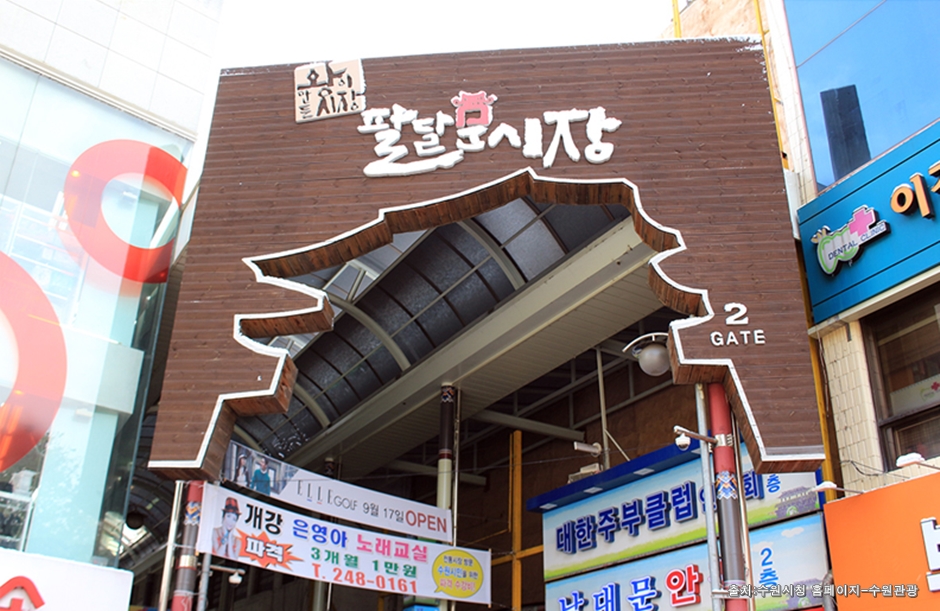
Paldalmun Market (팔달문시장)
1.1Km 2025-10-28
17 Jeongjo-ro 770beon-gil, Paldal-gu, Suwon-si, Gyeonggi-do
There are 9 traditional markets around Suwon's South Gate. Among them, in Paldalmun Market, there is a whole chicken street that stretches for about 400m, so many people visit it. The old-fashioned way of frying the whole chicken in a large cauldron and the unique seasoning preserve its flavor. After visiting other connected markets, you can complete your Suwon tour by walking through the Hwaseong Fortress, a UNESCO World Heritage Site.
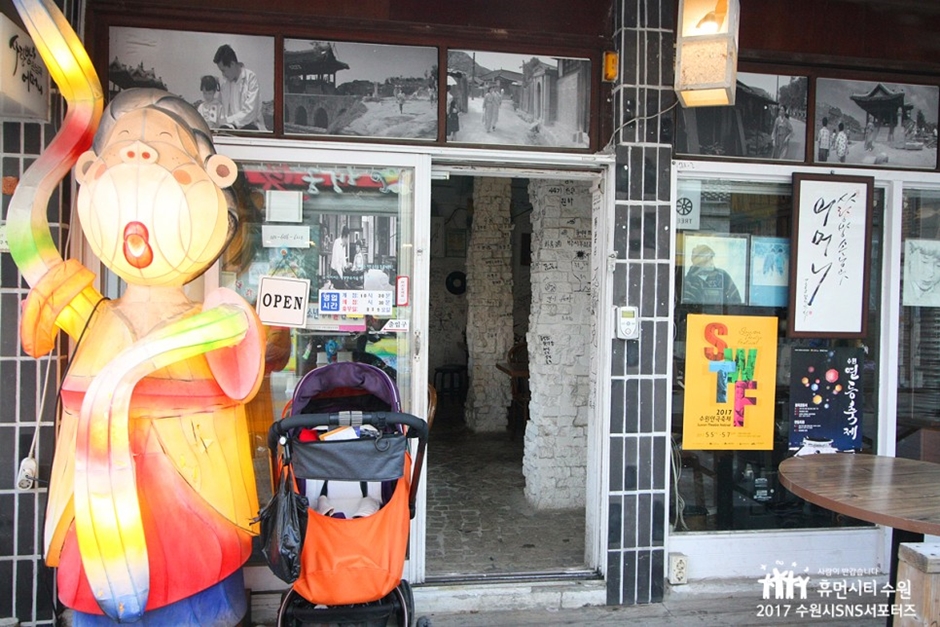
Nammun Rodeo Market (남문로데오시장)
1.4Km 2025-05-21
88 Haenggung-ro, Paldal-gu, Suwon-si, Gyeonggi-do
Nammun Rodeo Market is a popular spot among youngsters and couples for its unique cafes and Saturday Market, which bring art and culture together. There is a variety of cafes, jewelry shops, noraebang (karaoke rooms), and other stores, making it a great place to visit with the family or on a date.
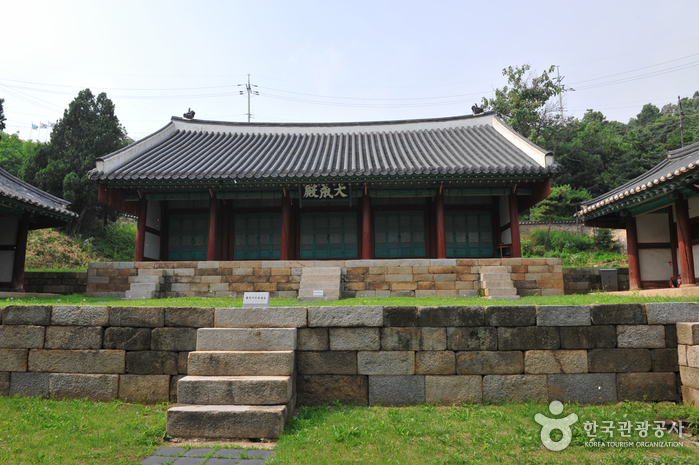
Suwonhyanggyo Confucian School (수원향교)
1.7Km 2022-12-29
107-9, Hyanggyo-ro, Paldal-gu, Suwon-si, Gyeonggi-do
Suwonhyanggyo Confucian School was built in 1291 in front of Hwasan Mountain in Hwaseong where it stayed for nearly 500 years. It was moved to its current location in 1789 with the construction of Hwaseong Fortress. During the move, some of the original wood was exposed to water and began to rot. These parts were repaired in 1795 and efforts were made to prevent the wooden structure from futher damage. The current school is comprised of various halls, gates, and pavilions. It is registered as Gyeonggi-do Cultural Property and operates programs every summer for regional students.
Suwon Bongnyeongsa Temple (봉녕사 (수원))
1.9Km 2025-02-04
236-54 Changnyong-daero, Paldal-gu, Suwon-si, Gyeonggi-do
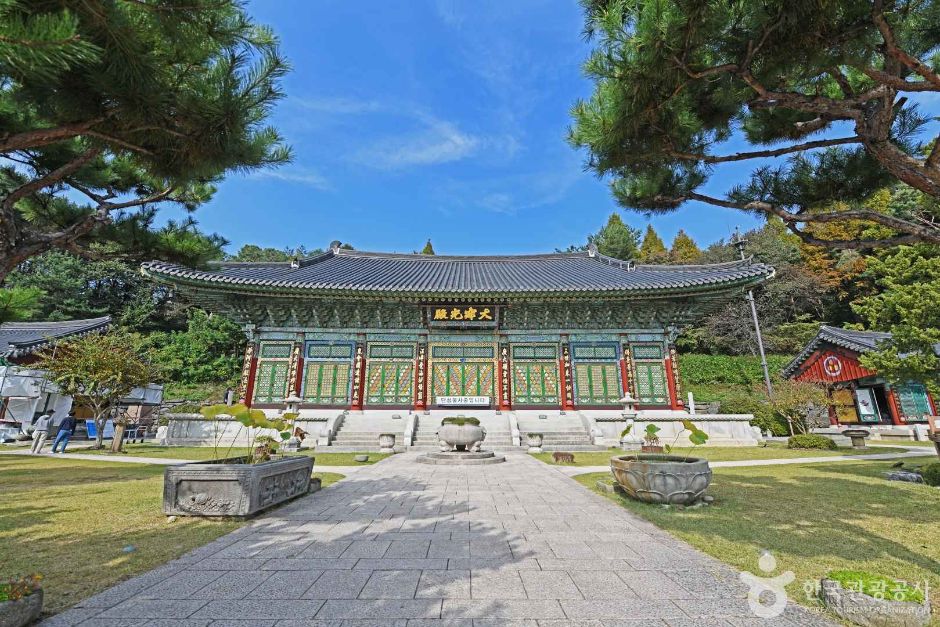
Bongnyeongsa Temple is located at the foothills of Gwanggyosan Mountain. It features various structures, including the main Buddha hall, meditation spaces for monks, and a bell pavilion housing ritual objects like a bell, wooden fish, cloud-shaped gong, and dharma drum. The temple is also home to an 800-year-old juniper tree. Visitors can enjoy tea at the resting space and explore the temple food education center. Templestay programs offer a chance to experience Buddhist culture through activities such as prayer, meditation, temple food making, and tea talks.
Suwon Museum (수원박물관)
2.0Km 2025-05-22
265 Changnyong-daero, Yeongtong-gu, Suwon-si, Gyeonggi-do
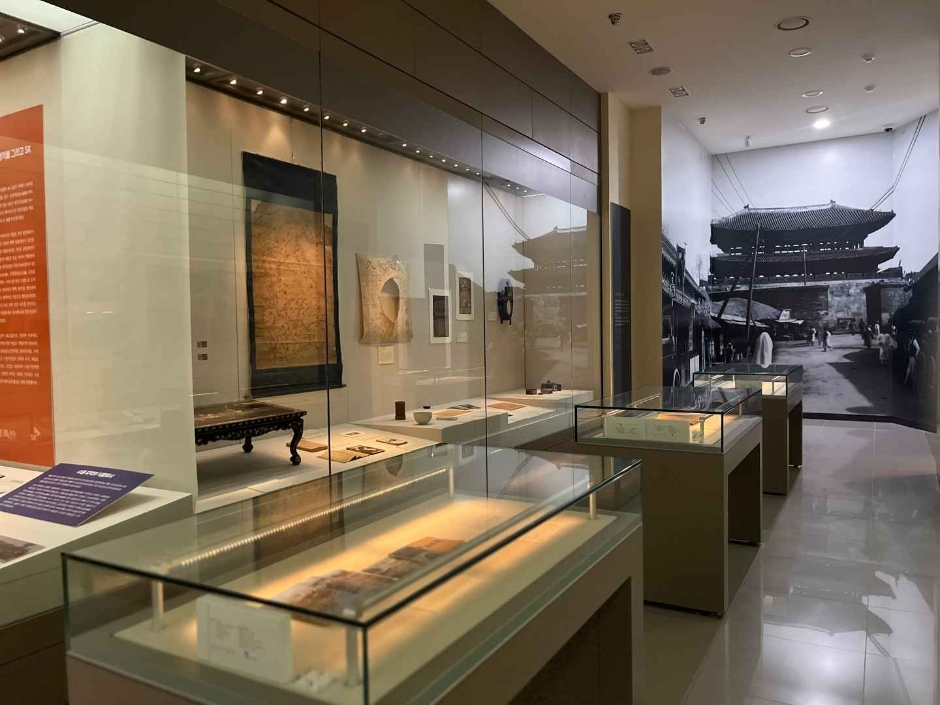
Locaed in Iui-dong, Yeongtong-gu, Suwon Museum has one basement floor and two above-ground floors, spanning over an area of 6,535 ㎡. Suwon Museum consists of two main exhibition halls, Suwon Museum of History and Calligraphy Museum of Korea, showcasing approximately 48,000 relics, and a planned exhibition hall for special occasions and exhibitions.
Suwon Museum of History recreates a scene of Yeongdong Market Street during the1960s. Children can learn and get secondhand experience of what Suwon was like in the past while adult visitors can reminisce the old times.
Calligraphy Museum of Korea is the first calligraphy museum built by a local government. The museum houses Korea's significant calligraphy works. The hall features a spacious area and its display cases are designed with cutting edge technology to highlight the relics on display. Exhibited collections include geumseokmun (metal writing), beopseo (calligraphic specimen of renowned artists of the past), works of renowned calligraphers during the Joseon dynasty, eopil (the writings of Kings), seogan (letters), works of renowned contemporary calligraphers, and more. Also, a planned exhibition hall holds exhibitions with specific themes every year. In addition, the museum offers educational programs for visitors as well as large scale calligraphy events for the general public.
Manseokgeo Park (만석거공원)
2.0Km 2024-12-23
1087 Jeongjo-ro, Jangan-gu, Suwon-si, Gyeonggi-do
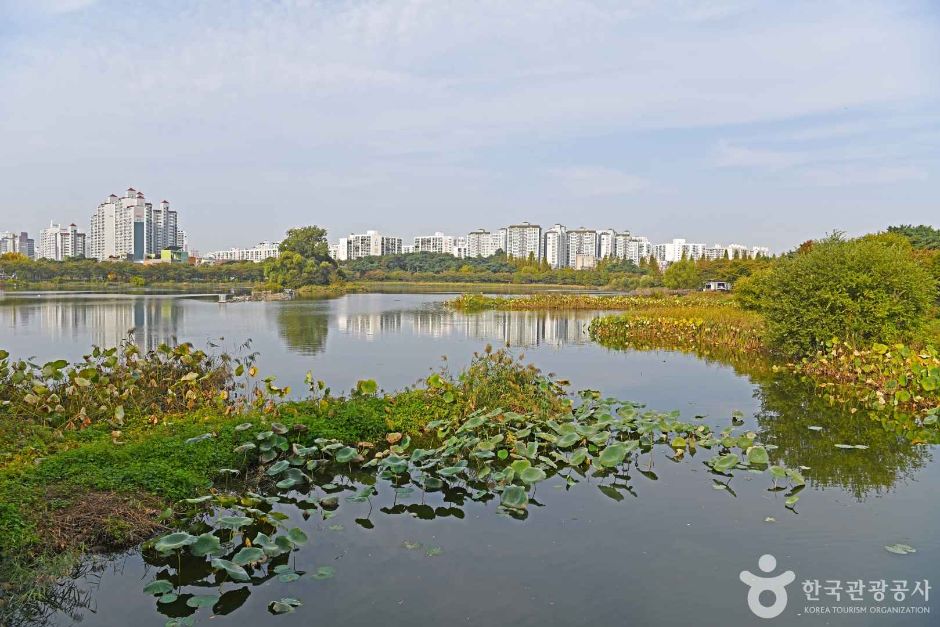
Manseokgeo Park centers around Manseokgeo Reservoir, built in 1795 to combat drought by transforming barren land into a water source. The park features a pavilion, tennis courts, a playground, small convenience store, an outdoor concert hall, and an art museum. In spring, cherry blossoms bloom, while summer brings beautiful lotus flowers to the lake. A well-maintained walking trail encircles the reservoir, and at night, the rainbow-colored musical fountain provides a spectacular view.
Smob - Suwon Branch (스몹 수원)
2.2Km 2024-05-23
175 Suseong-ro, Jangan-gu, Suwon-si, Gyeonggi-do
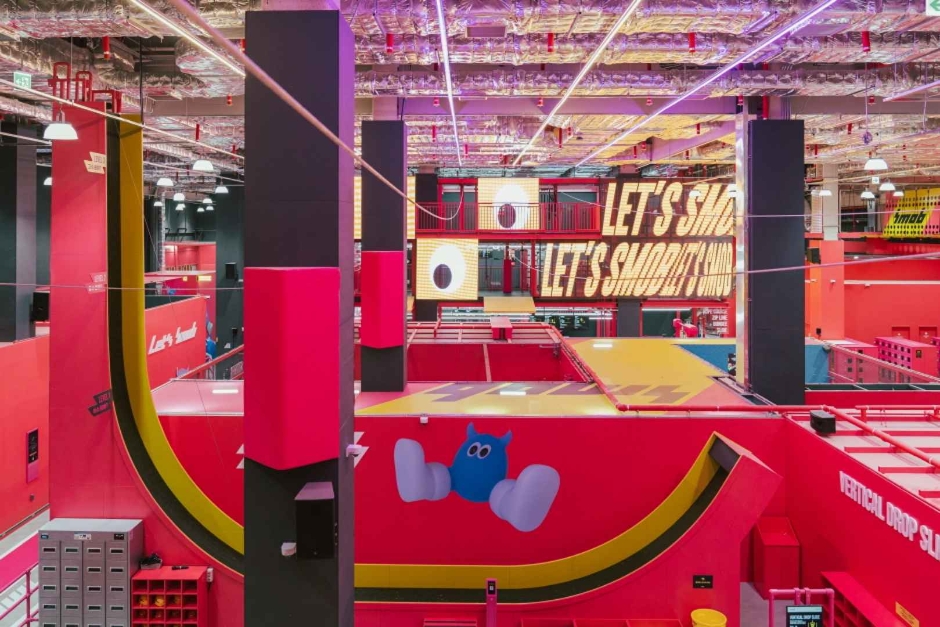
The Suwon branch of Smob is located on the 7th floor of Suwon Starfield. Smob features 25 attractions based on various sports that are enjoyable for everyone, including those who aren't particularly athletic or interested in sports.

Starfield Suwon (스타필드 수원)
2.2Km 2025-05-22
175 Suseong-ro, Jangan-gu, Suwon-si, Gyeonggi-do
Starfield Suwon is an eight-story complex shopping mall where you can enjoy shopping, culture, and entertainment all in one place. The mall includes various shopping options, such as a warehouse-style discount store, a themed electronics specialty store, restaurants and cafés, and shops specialized in beauty products, apparel, and lifestyle goods. Various types of entertainment are available, such as a movie theater and SMOB, an indoor sports park where you can try ziplining and rock climbing.
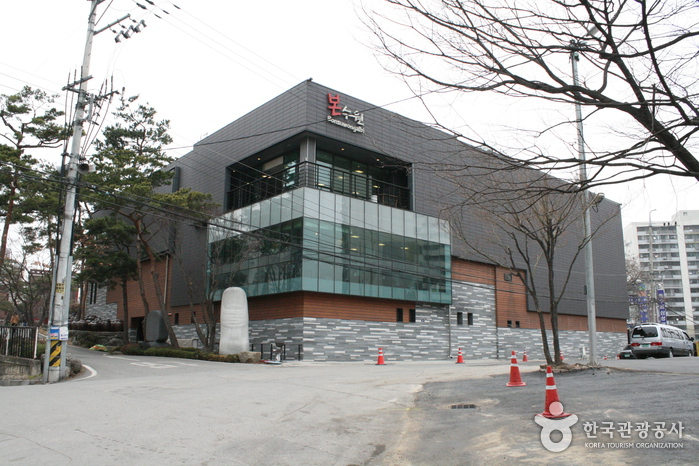
Bonsuwon Galbi (본수원갈비)
2.4Km 2024-12-02
41, Jungbu-daero 223beon-gil, Paldal-gu, Suwon-si, Gyeonggi-do
With over 50 years of history, Bonsuwon Galbi is said to be one of Suwon's top three galbi restaurants. Diners can choose between saeng-galbi (grilled, unmarinated galbi) to savor the natural flavor of the meat, or yangnyeom-galbi (grilled, marinated galbi) for a richer, more savory taste.
 English
 한국어
한국어 日本語
日本語 中文(简体)
 Deutsch
 Français
 Español
 Русский


