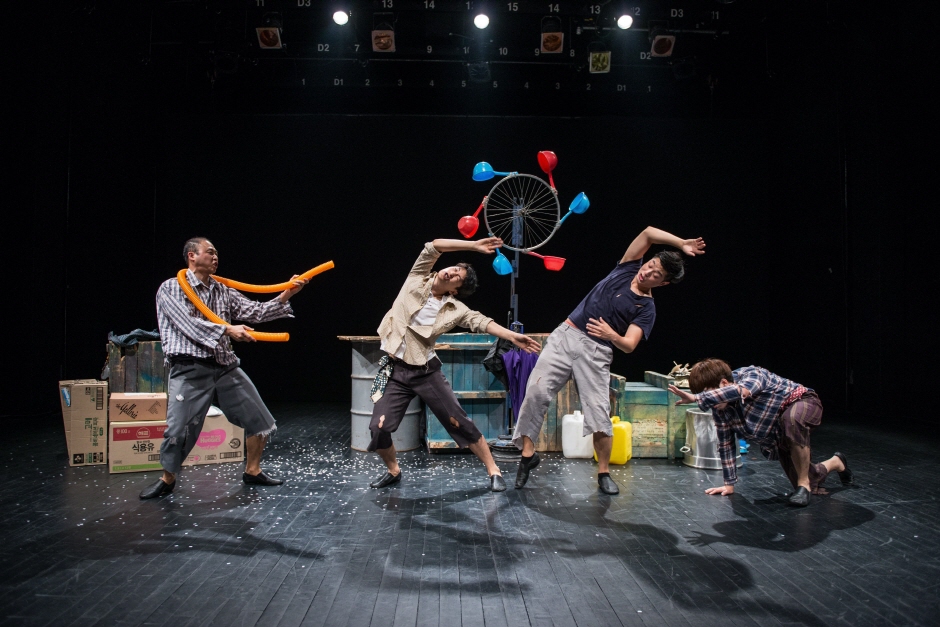
D. Festa: Daehakro Street Performance Festival (대학로 거리공연축제)
1.5Km 2025-06-16
1, Daehak-ro 8-gil, Jongno-gu, Seoul
• 1330 Travel Hotline: +82-2-1330 (Korean, English, Japanese, Chinese) • For more info: +82-2-741-4188
Started in 2015, Daehakro Street Performance Festival provides various performances including plays, dances, mimes and more. The festival aims to provide hope and changes in daily life through diverse performances.
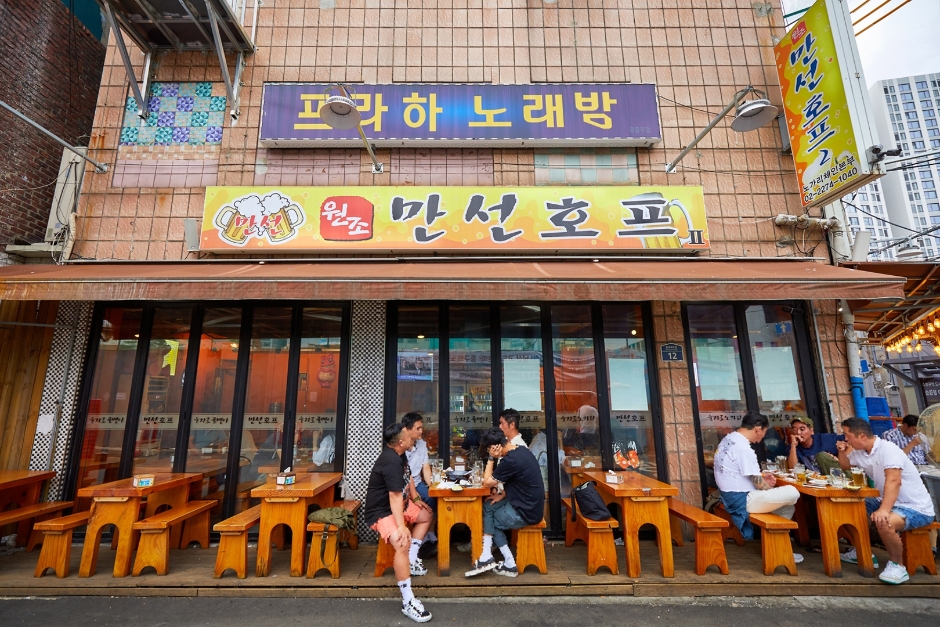
Euljiro Nogari Alley (을지로 노가리골목)
1.5Km 2025-11-06
Eulji-ro 129, Jung-gu, Seoul
Going out of Exit 3 of Euljiro 3-ga Station on Seoul Metro Line 3 and turning to the alley, you will find many pubs selling Nogari/Dried Young Pollack (Korean people grill and dip it in red pepper paste to eat as a side dish with alcohol) and restaurants specializing in Golbaengi/Sea Snails (It is a kind of conch shell, and Korea people made it a seasoned dish and enjoy it with Somyeon/Thin Noodles or use it as a bar sack). People gather in small groups at every outdoor table and sit in every alley to enjoy beer and snacks on weekday evenings and weekends, so it isn't easy to find a seat.
Originally, this area was lined with various company buildings and shops selling tools. However, in 1980, the pub 'Eulji OB Bear' opened, and as similar pubs opened nearby, it naturally came to be called 'Euljiro Nogari Alley.' As the affordable prices of snacks and beer attracted nearby office workers and college students, it has become increasingly popular, leading to its current status.
Here, along with a cold draft beer, let's try the K-snacks only available in Korea, such as Nogari/Dried Young Pollack and Golbaengi/Sea Snails. In addition, snacks such as chicken and fried dishes are also available, so try various snacks.

Happy Jewerly [Tax Refund Shop] (해피쥬얼리)
1.5Km 2024-06-27
1F, #21, 26, Donhwamun-ro, Jongno-gu, Seoul
-
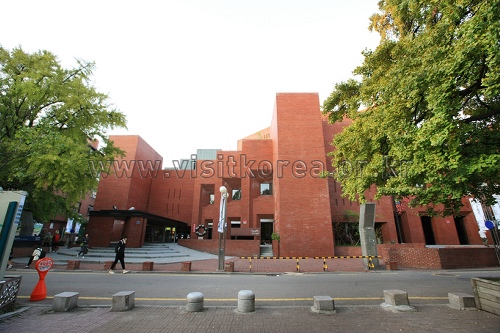
Arko Arts Theater (아르코예술극장)
1.5Km 2021-04-16
7, Daehak-ro 8-gil, Jongno-gu, Seoul
+82-2-3668-0007
Opened on April 1, 1981, Arko Arts Theater’s mission statement is to “boost performance art, obtain performance space to promote its popularity among the public, and support stages to pure art organizations facing financial difficulties." As the center of performance art, the theater also began to attract a slew of small theaters and has played a pivotal role in promoting performance art and populating Dongsung-dong with artists. The theater offers a large hall, small hall, multipurpose studio space, and practice room.
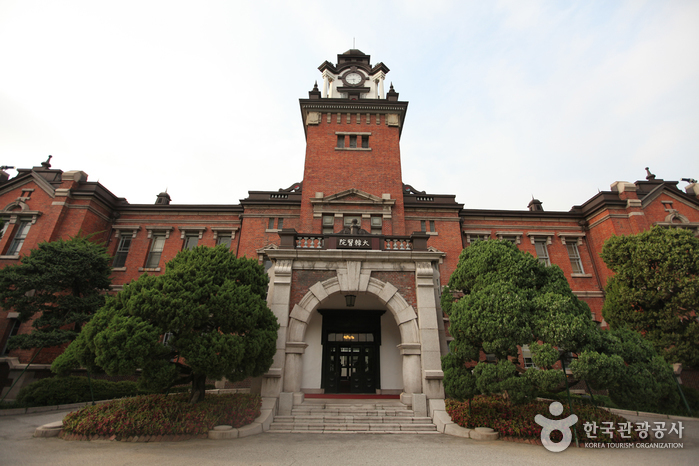
The Museum of Medicine (서울대학교병원의학박물관)
1.5Km 2024-03-18
101 Daehak-ro, Jongno-gu, Seoul
The Museum of Medicine is located in the building of the former Daehan Medical Center, the oldest modern hospital in Korea. It is a medical museum that provides a comprehensive view of the development of modern medicine in Korea, the history of medical devices, and the transformation of Seoul National University Hospital. Through permanent and special exhibitions, the museum showcases medical artifacts and documents related to the history of medicine.
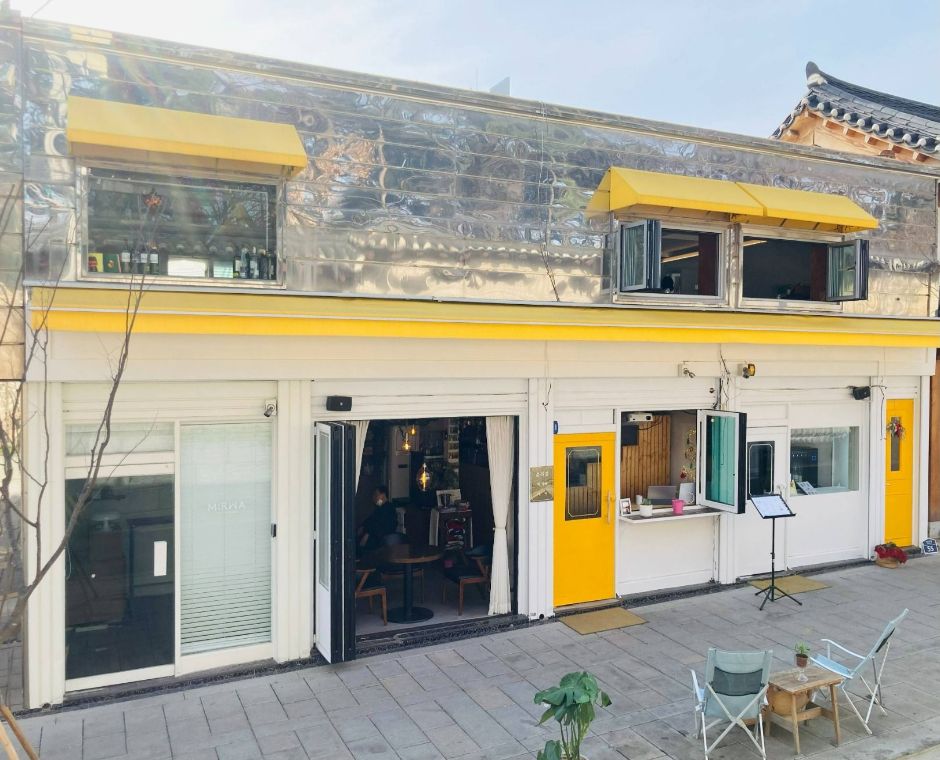
Sulla-gil Yeah Café & Bibi (순라길 예 & 비비)
1.5Km 2025-01-23
55 Seosulla-gil, Jongno-gu, Seoul
02-3672-1599
Situated in Sulla-gil, the Sulla-gil Yeah Café & Bibi is a roaster café where each bean is handpicked. It also offers a range of wine selections. The café is a perfect place to relax after exploring downtown Seoul. The cozy atmosphere of the café with the added charm of the stone wall visible from café, makes visitors feel at ease and relaxed. The evenings here turn into a music and movie session, adding a lively atmosphere to the space.
![Olive Young - Hwanghak Sageori Branch [Tax Refund Shop] (올리브영 황학사거리)](http://tong.visitkorea.or.kr/cms/resource/46/2888246_image2_1.jpg)
Olive Young - Hwanghak Sageori Branch [Tax Refund Shop] (올리브영 황학사거리)
1.5Km 2024-04-17
410, Wangsimni-ro, Seongdong-gu, Seoul
-
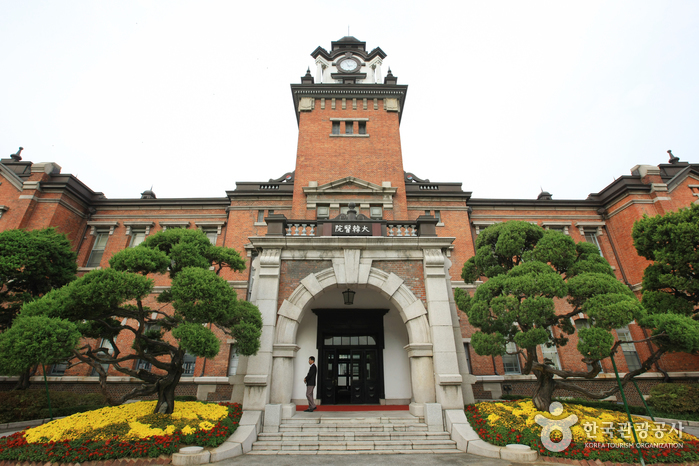
Seoul Daehan Hospital (서울 대한의원)
1.5Km 2021-12-23
101, Daehak-ro, Jongno-gu, Seoul
+82-2-2148-1842
Daehanuiwon (Daehan Medical Center) is an antique two-story brick building within the grounds of Seoul National University Hospital. It was established under the direct administration of the Uijeongbu (State Council), combining the Gwangjewon (under the Home Ministry), Gyeongseong Medical School and the Korean Red Cross Hospital (under the Royal Household).
Built in the Madubong Hill area, this location where Hamchunwon, the outer garden of Changgyeonggung Palace, once stood in 1484 (15th year of King Seongjong), was also once the site of Gyeongmogung Palace, where King Jeongjo enshrined the mortuary tablet of his birth father Crown Prince Sado Seja in 1776 (the year King Jeongjo ascended to the throne).
These places that held importance for the royal family were destroyed as the Japanese built Gyeongseong Empire University in its place. In 1907, with the announcement of the plan to establish Daehan Medical Center, construction began on the main building, seven wards and affiliated buildings. Construction was completed in November 1908.
The Daehan Medical Center opened in Gwangjewon, but upon Japanese colonization in 1910, its name was changed to the Japanese Viceroyalty Hospital. In 1926, it was included as a part of Gyeongseongjeguk University to become a university hospital. Since the liberation of Korea in 1945, it has been a hospital affiliated with Seoul National University.
 English
 한국어
한국어 日本語
日本語 中文(简体)
 Deutsch
 Français
 Español
 Русский


