![Olive Young - Hanyang Univ. Branch [Tax Refund Shop] (올리브영 한양대)](http://tong.visitkorea.or.kr/cms/resource/72/2878772_image2_1.jpg)
Olive Young - Hanyang Univ. Branch [Tax Refund Shop] (올리브영 한양대)
3.2Km 2024-04-17
11, Majo-ro, Seongdong-gu, Seoul
-
![CheongKwanJang - Hannam Branch [Tax Refund Shop] (정관장 한남)](http://tong.visitkorea.or.kr/cms/resource/34/2888134_image2_1.jpg)
CheongKwanJang - Hannam Branch [Tax Refund Shop] (정관장 한남)
3.2Km 2024-04-17
#118, 60, Hannam-daero, Yongsan-gu, Seoul
-
![Look Optical - Hanyang Univ. Branch [Tax Refund Shop] (룩옵티컬 한양대)](http://tong.visitkorea.or.kr/cms/resource/74/2878774_image2_1.jpg)
Look Optical - Hanyang Univ. Branch [Tax Refund Shop] (룩옵티컬 한양대)
3.2Km 2024-04-17
1F, 17, Majo-ro, Seongdong-gu, Seoul
-
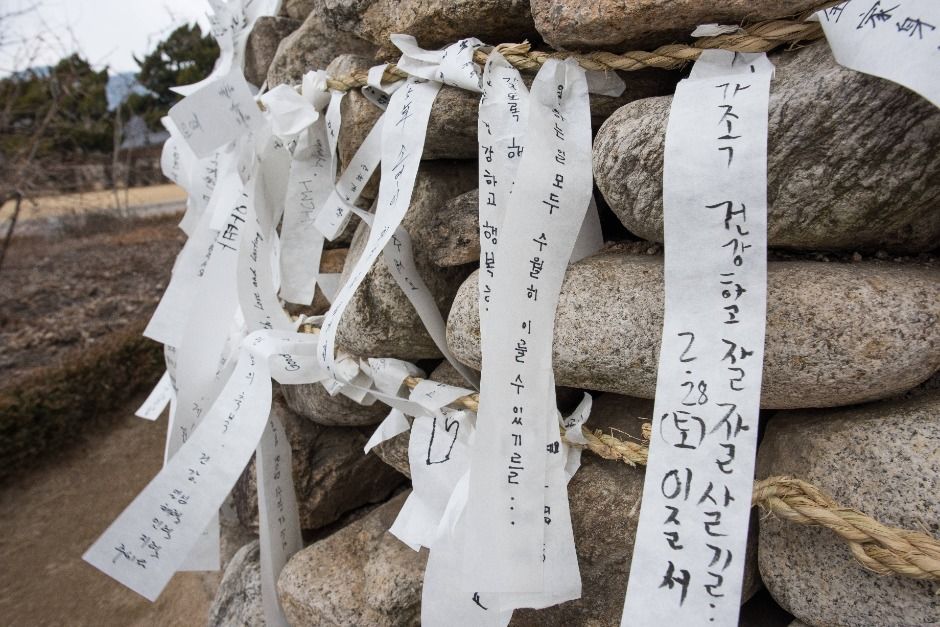
The Great Full Moon Festival (정월대보름 한마당)
3.2Km 2025-02-05
37 Samcheong-ro, Jongno-gu, Seoul
+82-2-3704-3106
The National Folk Museum is celebrating the first full moon of the Lunar new year, Jeongwol Daeboreum. A variety of experiences are prepared to eliminate bad luck and pray for prosperity and health. The event provides a chance for locals and tourists alike to learn more about the traditional culture of Korea.
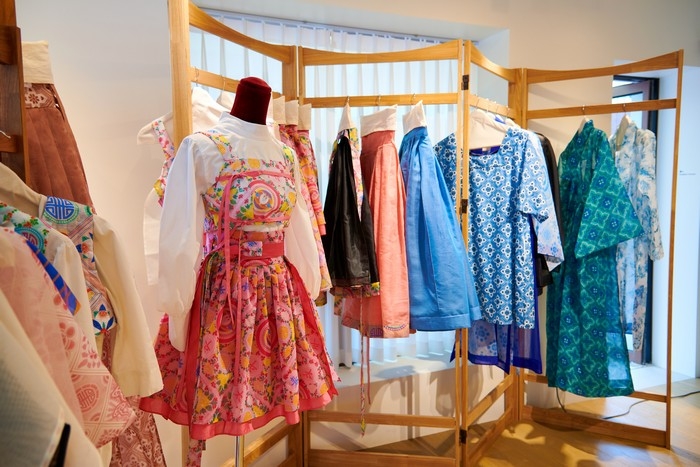
Danha(단하)
3.2Km 2025-11-05
39-7 Palpan-gil, Jongno-gu, Seoul
BLACKPINK's “HOW YOU LIKE THAT” music video created a sensation, reaching 100 million views within 32 hours of its release. The most noteworthy part of the music video was the hanbok they wore. Danha, which was in charge of making the costumes, improved the traditional hanbok and completely recreated it as a stage costume, garnering attention from all over the world. Danha is famous for designing hanboks using traditional patterns. The patterns engraved on the clothes in the BLACKPINK music video used the phoenix design pattern of the royal cloth. Danha's hanbok can be purchased through the online shop, and if you want to have it custom-made, you can visit Danha Maison after making a reservation.
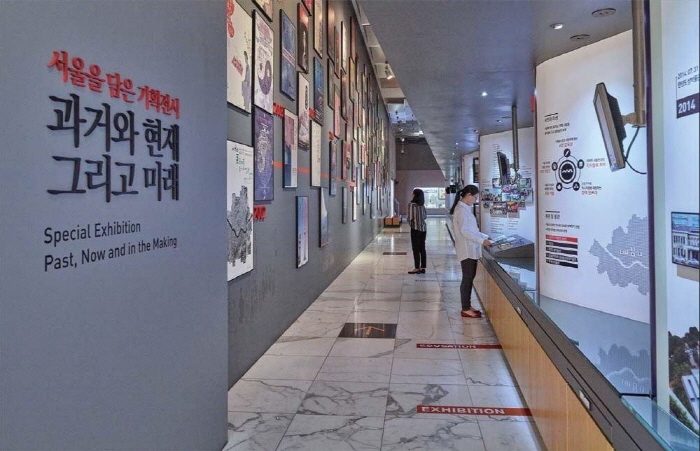
Seoul Museum of History (서울역사박물관)
3.2Km 2025-01-17
55 Saemunan-ro, Jongno-gu, Seoul
Seoul Museum of History covers everything about Seoul's history and culture from the prehistoric era to modern times, focusing especially on the Joseon era. The museum aims to raise cultural awareness and build a strong bond within the community by collecting, preserving, researching, and displaying artifacts and materials related to Seoul as well as promoting the city's history and culture to an international audience.
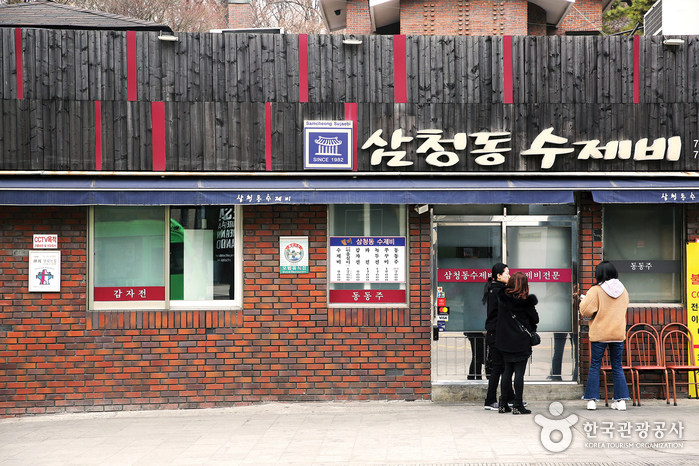
Samcheong Sujaebi (삼청동수제비)
3.2Km 2024-03-04
101-1 Samcheong-ro, Jongno-gu, Seoul
+82-2-735-2965
Samcheong Sujaebi is a handmade sujebi (hand-pulled dough soup) specialty restaurant located in Samcheong-dong. Sujebi is a dish made by tearing hand-pulled dough into pieces and boiling it in anchovy broth, among other broths. The signature menu features sujebi with sliced pumpkin, clams, and potatoes, all boiled together and served in a pot. Another specialty is the potato pancake made exclusively from 100% potatoes. Nearby attractions include Bukchon Hanok Village, the National Museum of Modern and Contemporary Art, and Gyeongbokgung Palace.
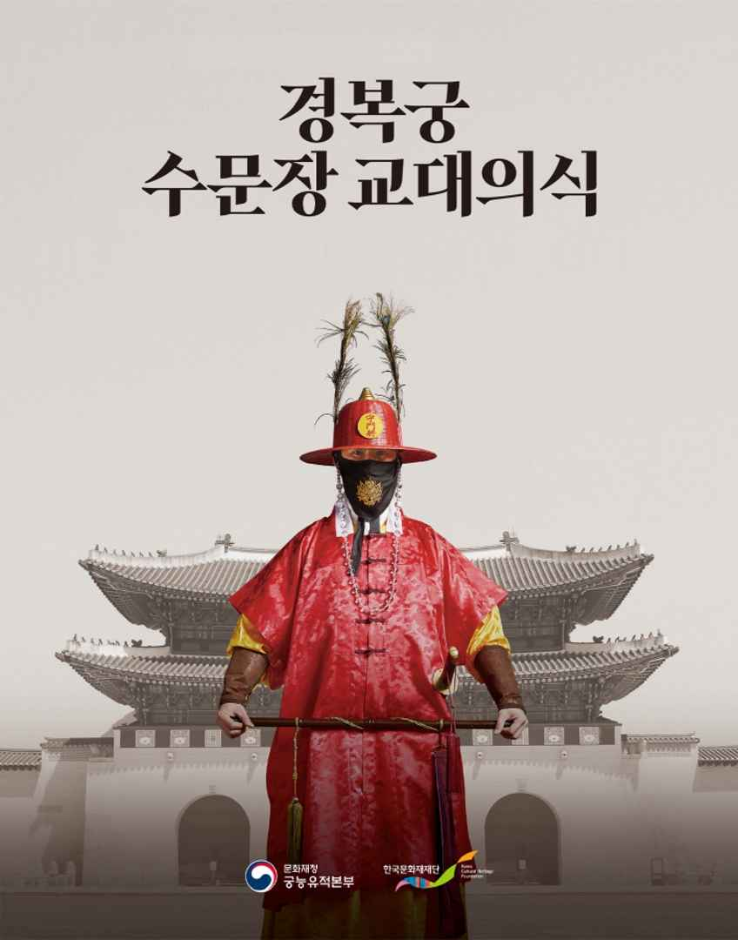
Palace Royal Guard Changing Ceremony (수문장 교대의식)
3.2Km 2025-07-11
161 Sajik-ro, Jongno-gu, Seoul
+82-2-3210-1645
In the Joseon dynasty, the royal guards of the palace were gatekeepers who were responsible for guarding the the main gates of Gyeongbokgung Palace as well as the main gates of the city such as Heunginjimun Gate and Sungnyemun Gate. The royal guards worked in shift duties and were in charge of opening and closing Gwanghwamun Gate. Before the royal guard system was enforced in 1469, the palace gates were protected by soldiers of the central army. The Palace Royal Guard Changing Ceremony held at Gyeongbokgung Palace and the Gwanghwamun area reenacts the guard-changing procedure that took place during the Joseon dynasty, along with the reproduction of costumes and weapons, based on historical records.
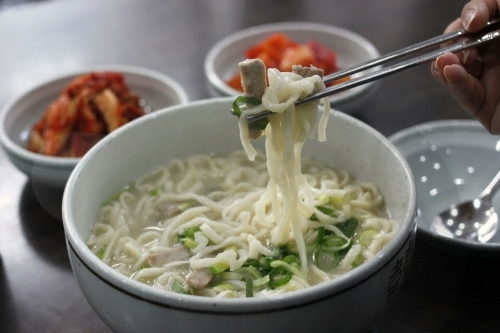
Jeongdong Guksi (정동국시)
3.2Km 2024-06-19
5 Jeongdong-gil, Jung-gu, Seoul
02-732-0114
Jeongdong Guksi features a rich soup with a clean taste, created by carefully removing the oil dozens of times while boiling Korean beef bones for 15 hours. The restaurant uses this same beef bone broth in their mandutguk (dumpling soup), something not many restaurants do. The rich flavor of the broth combined with the soft dumplings, made in-house daily, is a must-try. The restaurant is also surrounded by many cultural and artistic spaces, making it a great addition to tours in the area.
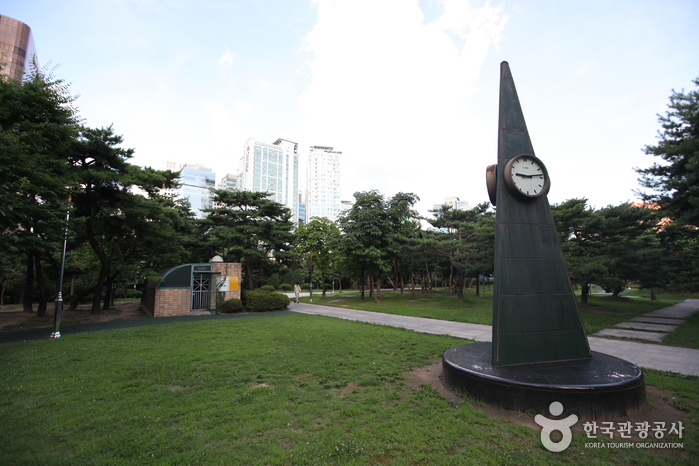
Seosomun Historical Park (서소문역사공원)
3.2Km 2023-08-11
5, Chilpae-ro, Jung-gu, Seoul
The Seosomun Gate area, which is located outside Seosomun Gate, was used as a persecution site in the 19th century before it turned into the local park of today. Many Catholics were suppressed and martyred here, making the area a holy site for Korean Catholics. Seosomun Gate was a gateway to Chilpae Market located near Namdaemun Gate. It was always busy with passerbys and the persecution site was established outside the gate to set an example of crime punishment to all the witnesses.
On May 15, 1999, a memorial tower was raised at the center of the park in honor of the martyrs. In 2013, Seoul's Jung-gu district also founded Seosumun Holy Shrine History Museum with a memorial exhibition hall in their honor.
 English
 한국어
한국어 日本語
日本語 中文(简体)
 Deutsch
 Français
 Español
 Русский


