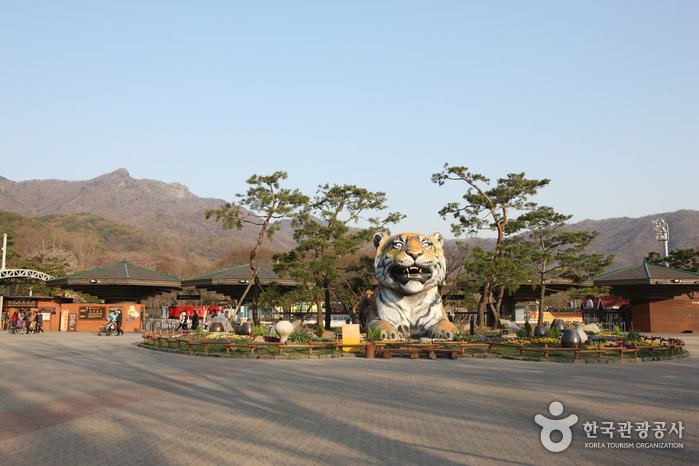
Seoul Grand Park (서울대공원)
17.2Km 2023-03-17
102, Daegongwongwangjang-ro, Gwacheon-si, Gyeonggi-do
+82-2-500-7335
Seoul Grand Park is a family-friendly amusement park consisting of various themed facilities that promote the growth and preservation of diverse animals and plants.
[Seoul Zoo]
Seoul Zoo aims to provide an ideal environment for animals to grow and live as well as exhibit, preserve, and research rare animals and educate the public. As a result of the zoo's hard work and efforts, it is the only zoo in Korea to be certified as a member of both ISIS and IUDZG-WZO.
[Botanical Garden]
Seoul Grand Park's Botanical Garden was opened in 1985 amidst the lush forest situated at the foot of Cheonggyesan Mountain. The garden consists of a greenhouse, exhibition facilities, and themed gardens that boast a collection of over 41,000 plants from 1,262 different species. The greenhouse preserves and exhibits tropical and subtropical plants that are not found in Korea. Moreover, the Botanical Garden offers various activities and experience programs related to plants and forests.
[Theme Garden]
The Theme Garden is one of the most representative facilities of Seoul Grand Park. The Theme Garden consists of a Rose Garden and Children's Zoo. Seasonal plants and flowers as well as diverse themed garden programs are offered.
[Healing Place]
The Healing Place is a forest formed at the foothills of Cheonggyesan Mountain that surrounds the border of Seoul Grand Park. Main facilities consist of Healing Forest Walkway; Water, Wind & Sunshine Healing Zone; Barefoot Road; Aroma Garden; and Forest Plaza.
[Healing Forest Walkway]
Healing Forest Walkway is a walking path lined by diverse trees that form a lush forest serving as a habitat for small animals like squirrels, rabbits, raccoons, and more. The walking path is approximately 8 kilometers long and divided into four sections. The shortest course takes approximately 30 minutes to complete, while the full course requires 3 hours.
[Campsite]
The campsite within the Seoul Grand Park is the perfect place to camp out, hold picnics and enjoy recreational activities with friends and families. The main facilities consist of a campsite, volleyball court, basketball court, snack bar, and shower facilities. The campsite is open from March to November, except in the case of harsh weather conditions.
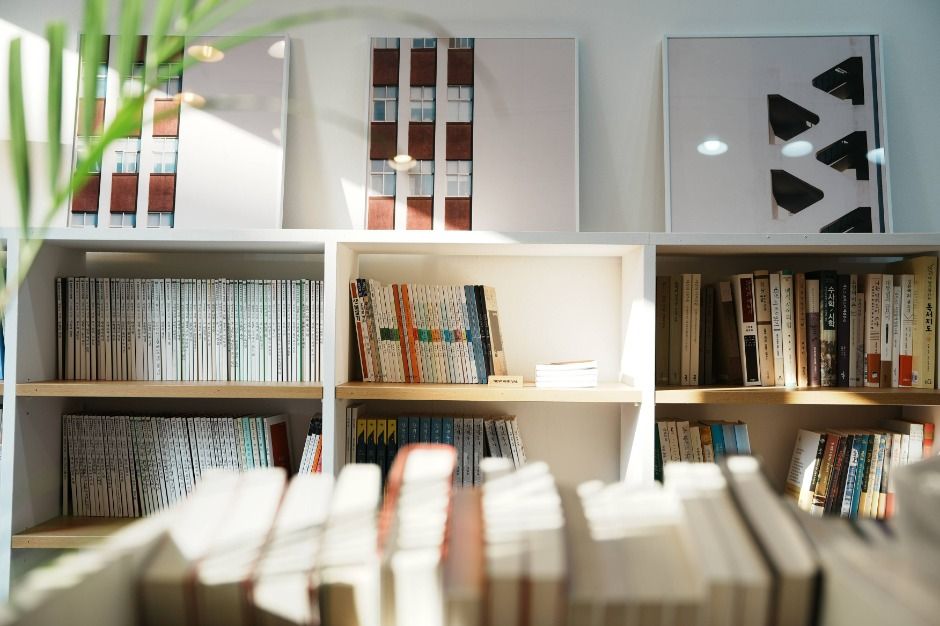
Dasi Bookshop (다시서점)
17.2Km 2025-08-14
77-24 Gonghang-daero 8-gil, Gangseo-gu, Seoul
Dasi Bookshop sells both second-hand and new books, and offers a space for readers to connect with books through a carefully curated selection, including limited edition books and books from independent publishers that are difficult to come by. In addition, it hosts book talks, book reading sessions, and author events, creating a cultural space for the community to connect. Visitors can also purchase merchandise and specially designed products, along with books, available both online and in the physical store.
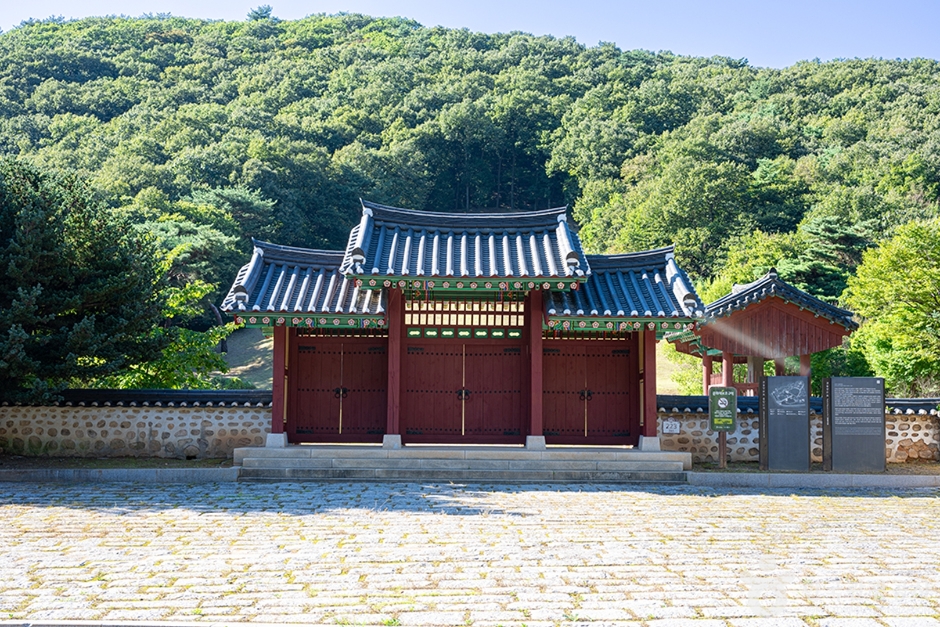
Tomb of General Gwon Yul (권율장군묘)
17.5Km 2024-02-07
223 Gwonyul-ro, Jangheung-myeon, Yangju-si, Gyeonggi-do
General Gwon Yul (1537-1599) is a historic figure from the Joseon dynasty. He is celebrated for repelling the invading Japanese forces at Haengjusanseong Fortress and other locations near Seoul during the Japanese Invasion of Korea (1592-1598). In front of the tomb stands a tombstone, flanked by pairs of stone statues. These pairs consist of Sangseok, Hyangnoseok, Dongjaseok, Muninseok, and Mangjuseok, with one statue from each pair positioned on the left and the other on the right, respectively. The site also includes the tombs of his father and older brother. His descendants continue to visit and commemorate him to this day.
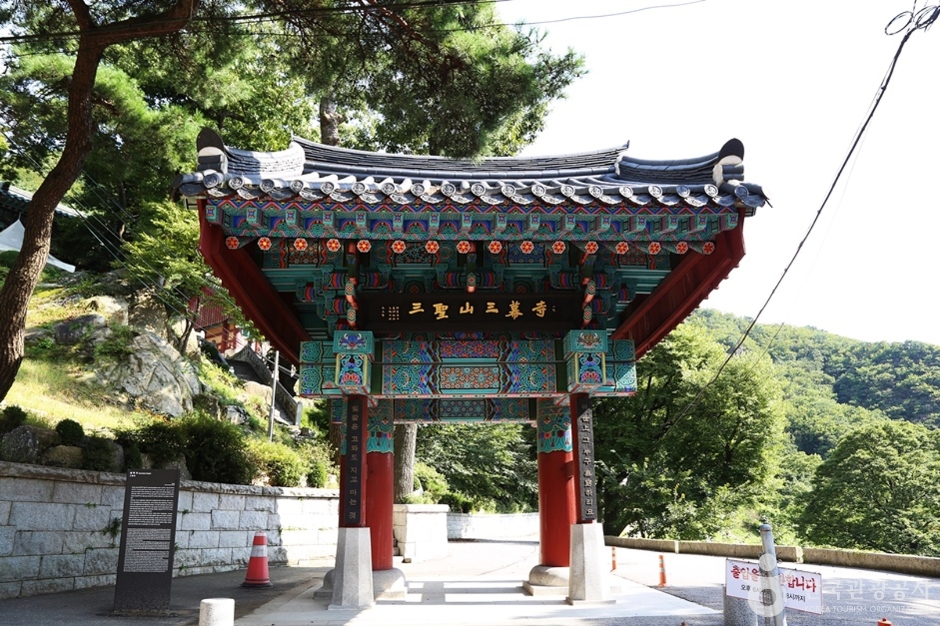
Sammaksa Temple (삼막사)
17.5Km 2024-02-07
478 Sammak-ro, Manan-gu, Anyang-si, Gyeonggi-do,
Sammaksa Temple is a Buddhist temple located in Samseongsan Mountain. Legend has it that the temple was established in 667 by Wonhyo, a Buddhist philosopher from the Silla era. Within the temple grounds are Cheonbuljeon Hall, Yukgwaneumjeon Hall, Myeongbujeon Hall, Manghaeru Pavilion, Chilbogak House, among others. The temple holds heritages like the Rock-carved Buddha Triad and the Fertility Stones. These artifacts, symbolizing the fusion of Buddhism and folk religion, highlights the ancient nature of the place.
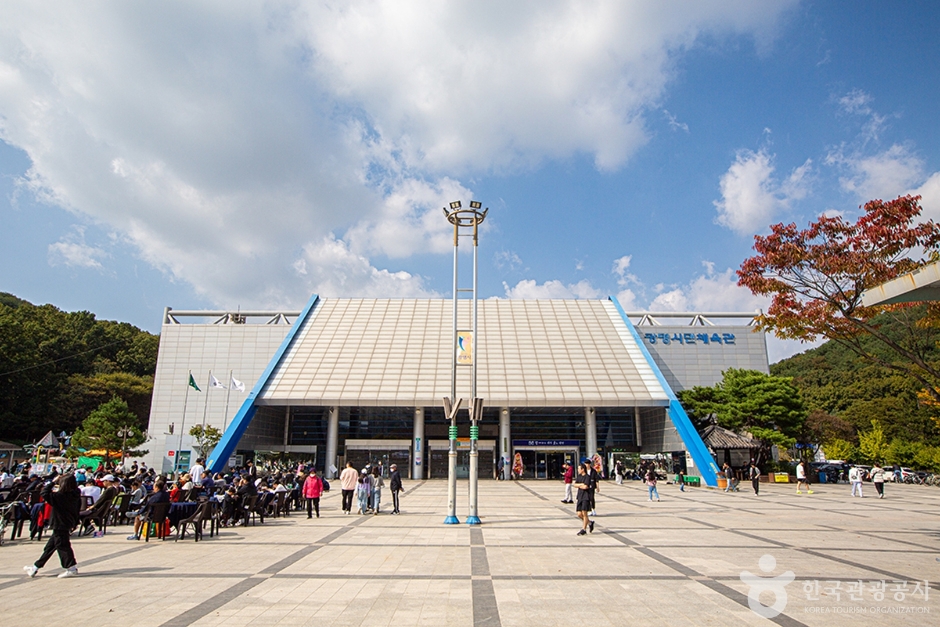
Gwangmyeong Indoor Gymnasium (광명시민체육관)
17.8Km 2024-02-20
703 Ori-ro, Gwangmyeong-si, Gyeonggi-do
Gwangmyeong Indoor Gymnasium is a stadium equipped with seating for 3,000 spectators. It houses facilities for physical training, including golf, fitness, and table tennis. The spacious and vibrant lawn plaza immediately draws attention. This complex includes an open art hall for performances, sports facilities like an inline bicycle track and basketball courts, and amenities such as a children's playground and an outdoor water play area. Additionally, it features a 16-meter-high artificial rock-climbing wall.
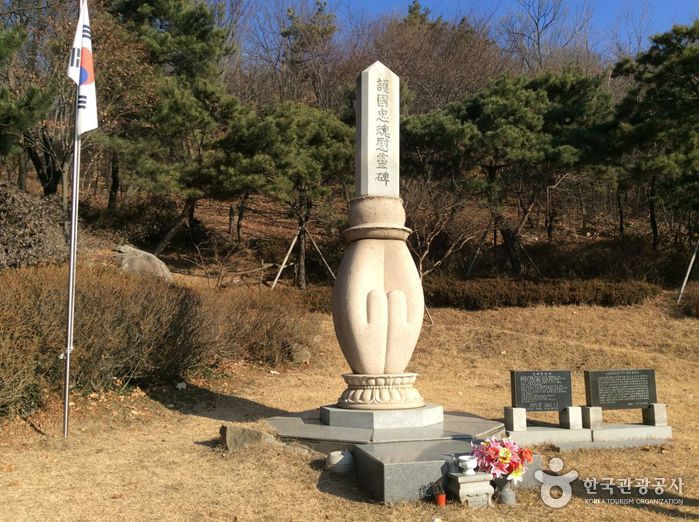
Memorial to the Loyal Dead (호국충혼위령비)
17.9Km 2025-01-13
56-33, Gaehwadong-ro 13-gil, Gangseo-gu, Seoul
+82-2-2125-0848
When the fate of the nation was hanging by a thread as the North Korean Army launched an invasion of the South on June 25, 1950, about 1,100 officers and men from
the South Korean First Division's 11th, 12th, and 15th regiment retreated to Gimpo and built the last line of defense on Gaehwasan Mountain from June 26 to 30 to fight against a large army
of North Korean soldiers disguised as South Korean men.
Unfortunately, their communication with the headquarters was
cut off and their supply of ammunition and food ran out. As a result, the entire South Korean force was killed by the much larger North Korean army
in a valley around Gaehwasan Mountain. In order to commemorate those who died for the country, the government established the
Memorial to the Loyal Dead on Gaehwasan Mountain in 1994. A memorial service is
also held here annualy on June 28th.
x_height: 4.7 meters high
Built by the First Division of the ROK Army, Mitasa Temple
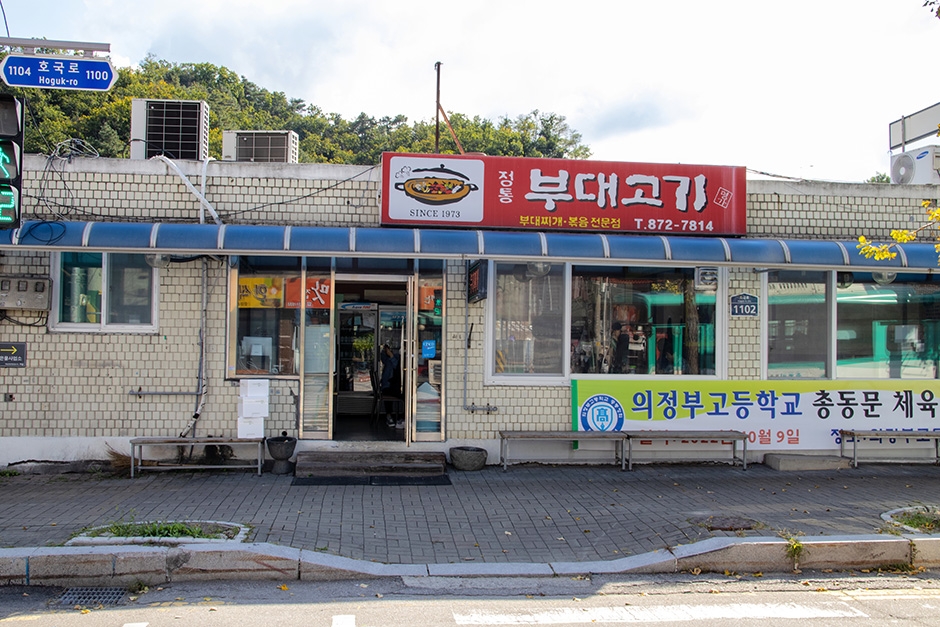
Jeongtong Budaegogi (정통부대고기)
17.9Km 2024-12-23
경기도 의정부시 호국로 1102
Opened in 1973, this budaejjigae (Sausage Jjigae) restaurant is known for its exceptional flavor, achieved through spicy kimchi and a carefully crafted broth. Another popular menu item is budaebokkeum, a stir-fried, soupless version of the classic jjigae.

Gwacheon Wildflower Nature Learning Center (과천야생화자연학습장)
17.9Km 2023-07-17
118, Gyoyugwon-ro, Gwacheon-si, Gyeonggi-do
Gwacheon Wildflower Nature Learning Center was opened to provide a place to learn about nature and harmony. The area is 6,900㎡ and has approximately 112 species of wildflowers. The learning center is divided into sections according to the type and use of wildflowers. The learning center also houses a traditional tightrope walking education center. Korean tightrope walking is registered as a UNESCO Intangible Cultural Heritage of Humanity. The site offers an educational tightrope walking experience program for those interested.
Jangheung Hanok Swimming Pool (장흥한옥수영장)
17.9Km 2024-07-03
322-60 Gwonyul-ro, Jangheung-myeon, Yangju-si, Gyeonggi-do
+82-31-829-2288
Jangheung Hanok Swimming Pool opened in 2017, blending the charms of a traditional hanok building with natural mineral waters to create an exotic swimming pool. The pool implements natural purification methods without the use of harsh chemicals, making it great for people who have atopy and other sensitive skin issues.
Silbi Sikdang (실비식당)
18.0Km 2025-01-22
12 Hoguk-ro 1123beon-gil, Uijeongbu-si, Gyeonggi-do
Opened in 1965, Silbi Sikdang uses its unique sauce to create special budaejjigae (Sausage Jjigae) and budaebokkeum.
 English
 한국어
한국어 日本語
日本語 中文(简体)
 Deutsch
 Français
 Español
 Русский


