
WOOA Plastic Surgery (우아성형외과의원)
4.6Km 2025-11-26
492 Gangnam-daero, Gangnam-gu, Seoul
WOOA Plastic Surgery was formerly Regen Plastic Surgery and Dermatology in Apgujeong. It is run according to the treatment philosophy of Director Woo-jung Kim, the founder of Regen Plastic Surgery who earned a doctorate in plastic surgery at Seoul National University.
WOOA Plastic Surgery is a global comprehensive beauty brand encompassing plastic surgery, dermatology, and cosmetics, with the vision of providing responsible medical services and realizing elegant beauty for each patient.
The clinic is committed to ceaseless research with the goal of becoming a leading medical institution that produces leaders to drive medical developments in Korea. It aims to become a global comprehensive beauty brand, with employees who all prioritize customers' safety and rapid recovery.
Cafe PLENO (카페쁠레노)
4.6Km 2025-11-06
724, Seolleung-ro, Gangnam-gu, Seoul
Actor Jang Keun-Suk
This cafe is run by actor Jang Keun-Suk, who is called the 'Asian Prince'. The white-style interior and plant decorations create a refreshing atmosphere, making you feel as if you are visiting a botanical garden. The flower decoration of Cafe PLENO changes according to the season and consists of flowers that can be enjoyed in that season. It is considered a good place to enjoy a quiet leisure time with excellent lighting as well as coffee taste. The drinks and dessert decorations are also great. Many Japanese tourists come to see Jang Keun-Suk, and a Japanese menu is also prepared.
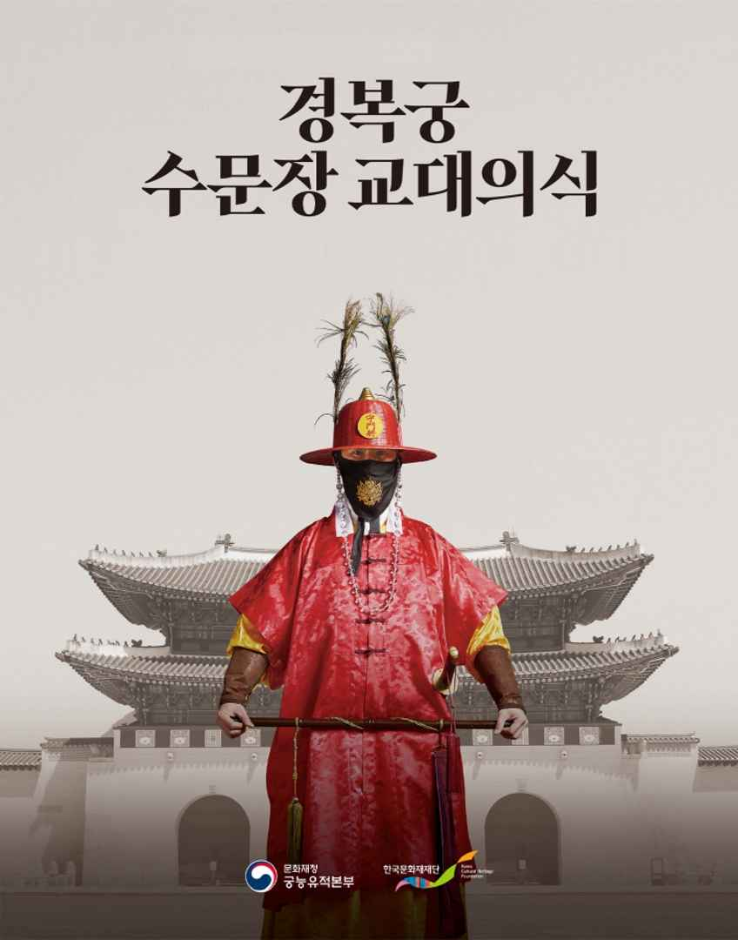
Palace Royal Guard Changing Ceremony (수문장 교대의식)
4.6Km 2025-07-11
161 Sajik-ro, Jongno-gu, Seoul
+82-2-3210-1645
In the Joseon dynasty, the royal guards of the palace were gatekeepers who were responsible for guarding the the main gates of Gyeongbokgung Palace as well as the main gates of the city such as Heunginjimun Gate and Sungnyemun Gate. The royal guards worked in shift duties and were in charge of opening and closing Gwanghwamun Gate. Before the royal guard system was enforced in 1469, the palace gates were protected by soldiers of the central army. The Palace Royal Guard Changing Ceremony held at Gyeongbokgung Palace and the Gwanghwamun area reenacts the guard-changing procedure that took place during the Joseon dynasty, along with the reproduction of costumes and weapons, based on historical records.
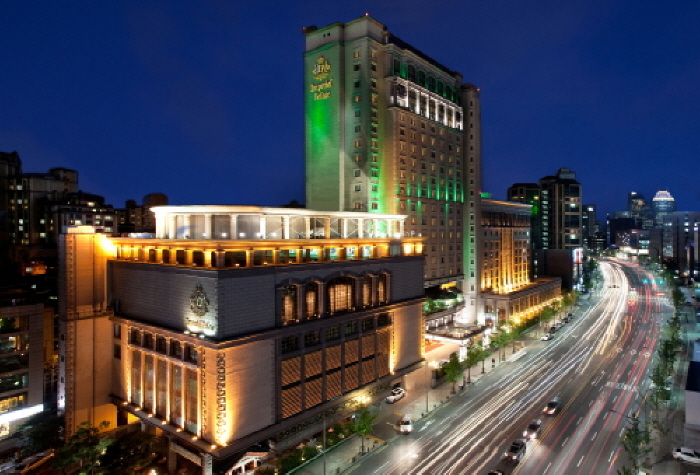
Imperial Palace Hotel (임피리얼 팰리스 호텔)
4.6Km 2025-08-22
640 Eonju-ro, Gangnam-gu, Seoul
Imperial Palace Hotel first opened on September 18, 1989, starting as a deluxe hotel and becoming a superior deluxe hotel after 10 years in June 1999. The hotel has remained the pride of the Korean hotel industry thanks to its effective management and improving domestic capital. In 2005, it carried out a large-scale remodeling project to enlarge its size to resemble luxurious European hotels, including a large-sized lobby, convention center that can accommodate over 1,000 visitors, classical wedding hall, and 405 guestrooms. The hotel is part of a chain, along with Imperial Palace Boutique Hotel in Itaewon and Imperial Palace Hotel – Fukuoka in Japan.
Boan1942 (보안1942)
4.7Km 2023-08-17
33 , Hyoja-ro, Jongno-gu, Seoul
Prior to becoming an art space in 2007, Tongui-dong Boan served as a place for rest for travelers from 1942 to 2005. After a short suspension, the place was renovated into a cultural space in 2017 to carry on the historical legacy and provide creative inspiration under the concept of "Boanstay."
Boan1942 is divided into a cultural space consisting of a cafe, project workshop, book shop, and exhibition area, and Boanstay on the 3rd and 4th floors that offer temporary lodging services to the cultural nomads. Located in Seochon, the center of culture, history, and convenient traffic in Seoul, Boanstay offers a splendid view of Seoul's historical and cultural assets such as Gyeongbokgung Palace, Cheong Wa Dae, and Seochon Hanok Village.
<Credit: Boanstay>
Chaum (차움의원)
4.7Km 2025-10-23
(2nd Floor, Pie'n Polus), 442 Dosan-daero, Gangnam-gu, Seoul
Founded in 1960, CHA Hospital has grown into a global medical institution, delivering high-quality care across 91 facilities in 7 countries, backed by over 60 years of medical expertise. Among its distinguished institutions is Chaum, a cutting-edge anti-aging and wellness center that integrates western medicine, oriental medicine, integrative medicine, and holistic approaches, including exercise prescription and food therapy, to promote optimal health.
At Chaum, we go beyond standard checkups. Unlike typical dermatology clinics, we offer advanced skin care solutions utilizing stem cell conditioned media. Our treatments focus on wrinkle prevention, enhancing skin hydration, and reducing melanin production, helping you maintain youthful, radiant skin.
1stbutton Rhinoplasty clinic (첫단추의원)
4.7Km 2025-10-23
(12th Floor, Cheongho Building), 483 Gangnam-daero, Seocho-gu, Seoul
1stbutton Rhinoplasty clinic meets all of our patients' expectations in terms of both functionality and aesthetics. Dr. Kim Tae-hwan, an otolaryngologist with over 20 years of experience, treats patients directly and makes every effort to provide the best results. Dr. Kim specializes not only in cosmetic nose surgery but also in treating diverse functional problems related to nose, and which allows him to provide customized treatment according to each patient’s needs. Please visit and experience a safe and satisfactory cosmetic nose surgery at our clinic? We will continue to do our best to improve your confidence.
 English
 한국어
한국어 日本語
日本語 中文(简体)
 Deutsch
 Français
 Español
 Русский


