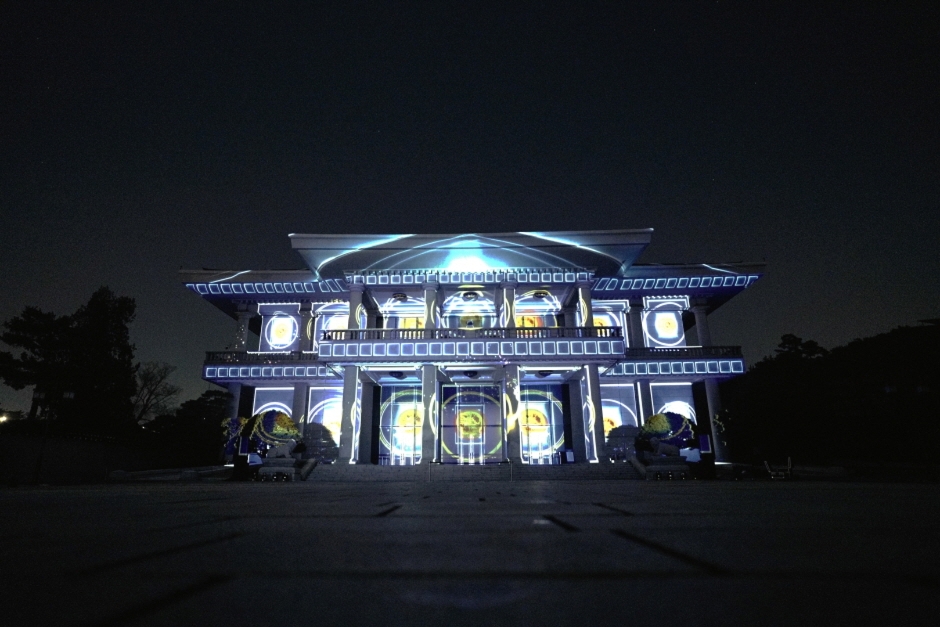
Cheong Wa Dae Media Display (청와대 국민과 함께 영상전시)
1.7Km 2025-08-20
1 Cheongwadae-ro, Jongno-gu, Seoul
박주원 학예연구사 02-3771-8636
Cheong Wa Dae Media Display brightens the night through a media facade display on Yeongbingwan Hall. The display shows the history of Cheong Wa Dae through the theme "Twelve Lights".
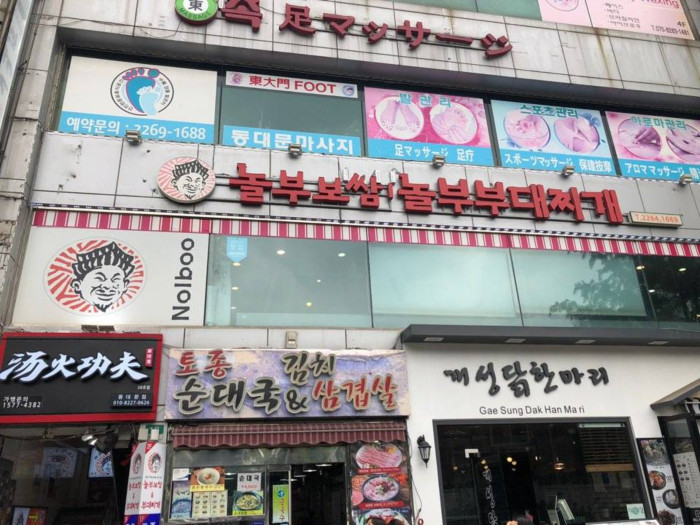
Nolboo Bossam & Budaejjigae Euljiro6ga(놀부보쌈&부대찌개 을지로6가)
1.7Km 2024-10-15
2F, 34, Euljiro43-gil, Jung-gu, Seoul
This is a Korean cuisine located in Dongdaemun Gate, Seoul. One of Korea’s representative restaurant franchises. The best menu at this restaurant is napa wraps with pork.
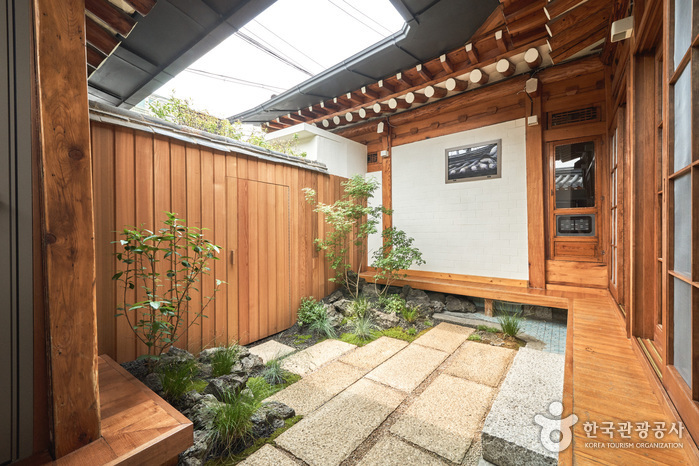
STAY dayoff (스테이 데이 오프)
1.7Km 2024-12-23
6 , Jahamun-ro 1da-gil, Jongno-gu, Seoul
Stay Day Off is a hanok stay just off Jahamun-no - known locally as ‘Food Street’ - in Seochon Village to the west of Gyeongbokgung Palace in Seoul. It’s a 5-minute walk from Gyeongbokgung Station on Subway Line 3, so transport access is good. The main building comprises two bedrooms with queen-size bed, a living room and kitchen, and two bathrooms. The annex building is rather special: it has a bath and sauna behind a window wall with a fine view of the hanok garden. There’s a 10% discount for guests staying more than two nights during the week.
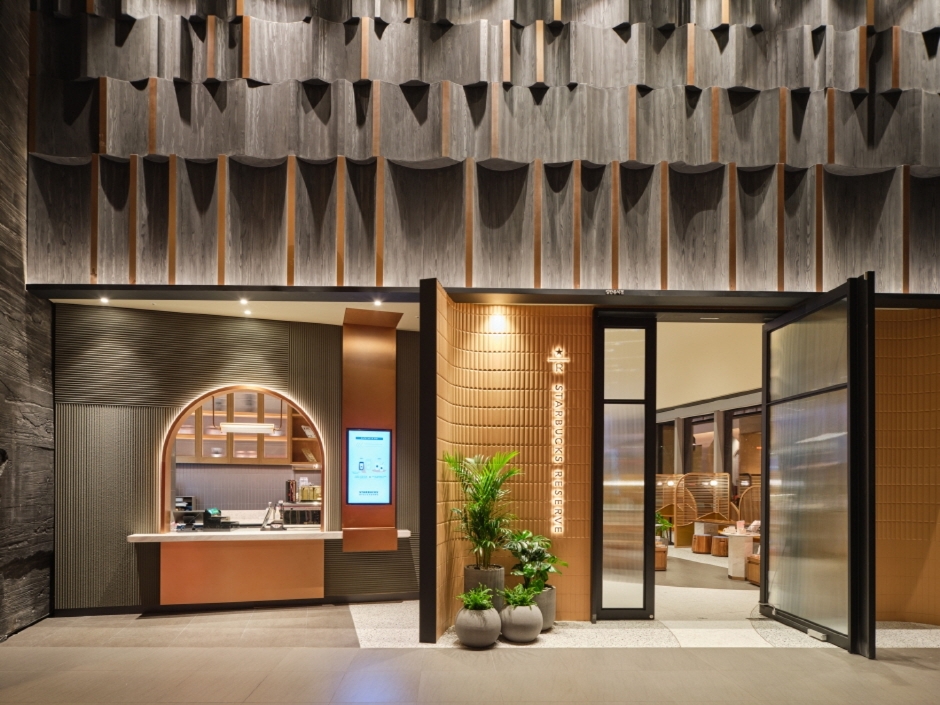
Starbucks Byuldabang (스타벅스 별다방)
1.7Km 2024-12-27
100 Toegye-ro, Jung-gu, Seoul
Byuldabang is a cozy space in the city, where the present and future of Starbucks coexist
Byuldabang is a special name. It combines the Korean words byul, which means stars, and dabang, which means a traditional space where people gather and talk over tea or drink. Byuldabang is the nickname Koreans generally use for Starbucks. Starbucks Byuldabang store opened in appreciation of customers of Starbucks Korea, celebrating its 22nd anniversary. This particular store is a Starbucks Reserve store with new concept food items, and is the first among Starbucks stores worldwide to have digital art wall decorations. The images projected to the art wall are “The Journey of Siren.” It is a surreal journey of Siren, who delivers coffee messages around the ocean, day and night. Customers love the story.
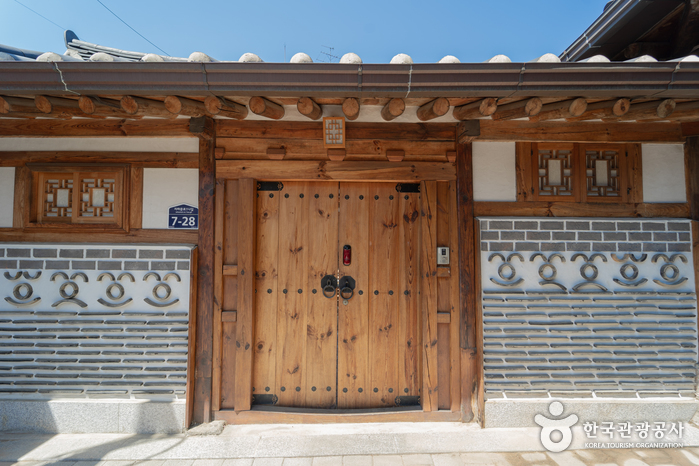
Seoul Hanok Stay (JNP Stay) (서울한옥스테이(jnpstay))
1.7Km 2024-10-30
7-28 , Jahamun-ro 1na-gil, Jongno-gu, Seoul
Seoul Hanok Stay (JNP Stay) is a private hanok stay located 3 minutes' walking distance from Gyeongbokgung Station. You can play traditional Korean games such as jejichagi (hacky sack), yut nori (board game), and tuho (arrow-throwing) in the yard, and cooking barbecue adds to the charm of the hanok. From the yard, you can enjoy the sky view, feel the gentle breeze, and observe raindrops falling from the eaves.
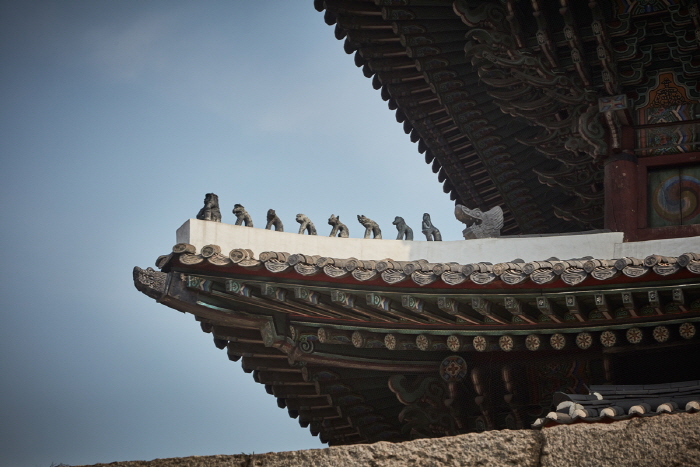
Heunginjimun Gate - Dongdaemun Gate (흥인지문)
1.8Km 2025-10-23
288, Jong-ro, Jongno-gu, Seoul
Heunginjimun Gate was built to protect Hanseongbu, which historically housed essential government facilities. Heunginjimun Gate was the gate on the east side of the outer wall of Seoul Fortress among eight gates. It is referred to as Dongdaemun Gate as well. The gate was constructed during King Taejo’s 5th year in 1396, remodeled during the reign of King Danjong in 1453, and was newly built in 1869 during the sixth year of King Gojong’s reign in 1869.
The gate features a hipped roof with five front and two side compartments on a two-storied building. The thin and weak bracket system supports the eaves and is excessively decorated, reflecting the construction features of the late Joseon period. Also, outside of the fortress is the half-circle-shaped Ongseong, a small wall, to protect the gate.
One of the unique factors of Heunginjimun Gate is that it is the only gate among Seoul’s eight to have Ongseong, further exhibiting the style of construction used during the late Joseon period.

Jeongdong Observatory (정동전망대)
1.8Km 2022-08-11
15, Deoksugung-gil, Jung-gu, Seoul
Jeongdong Observatory is located on the 13th floor of Seoul City Hall Seosomun building. The observatory has a cafe inside where visitors can enjoy a drink while gazing upon the magnificent view of Deoksugung Palace from above. In addition, the walls of the cafe are decorated with photos of old Jeongdong.
Shinsegae Department Store - Main Store (신세계백화점 (본점))
1.8Km 2025-04-07
63 Sogong-ro, Jung-gu, Seoul
Shinsegae Department Store opened its doors as the first modern department store in the country in 1960. It stands where Korea's first department store, the Japanese Misreukkosi Department Store, used to be in the 1930s. After undergoing remodeling in 2007, it reopened as a luxury hall, featuring diverse brands ranging from the top three international luxury brands to new designer brands. In addition, the Trinity Gardens and art halls in the department store serve as a cultural space for a shopping experience that combines art and shopping.
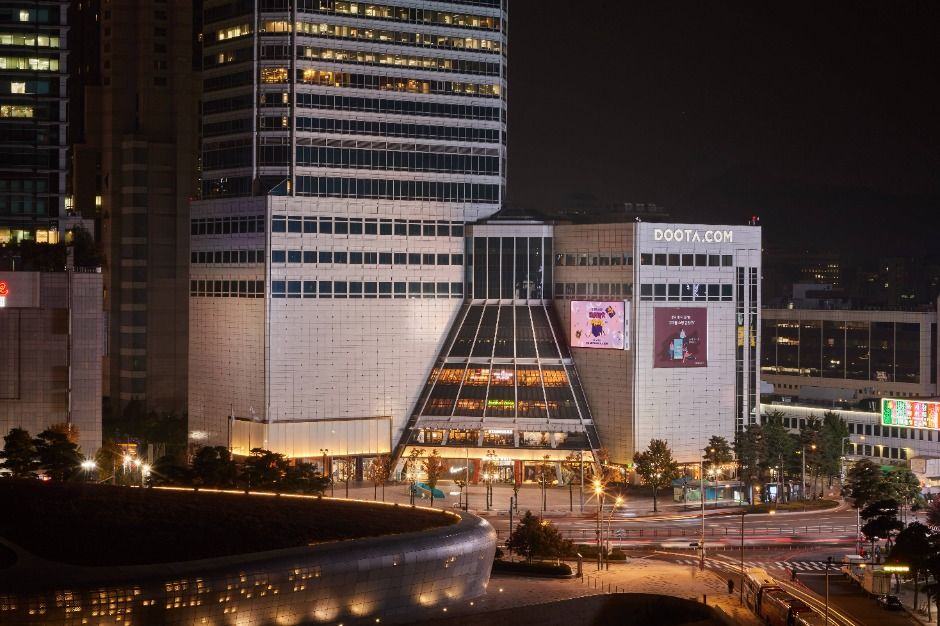
Doota Mall (두타몰)
1.8Km 2025-10-23
275, Jangchungdan-ro, Jung-gu, Seoul
Doota Mall is a must-visit shopping destination that represents Dongdaemun-the center of K-fashion and culture in Seoul. Doota offers a true one-stop shopping experience across fashion, beauty, lifestyle, and dining-from K-designers, sportswear, women and men's apparel to a wide variety of cafes and restaurents. Open until midnight, Doota welcomes intenational travelers with special gifts and exclusive benefits.
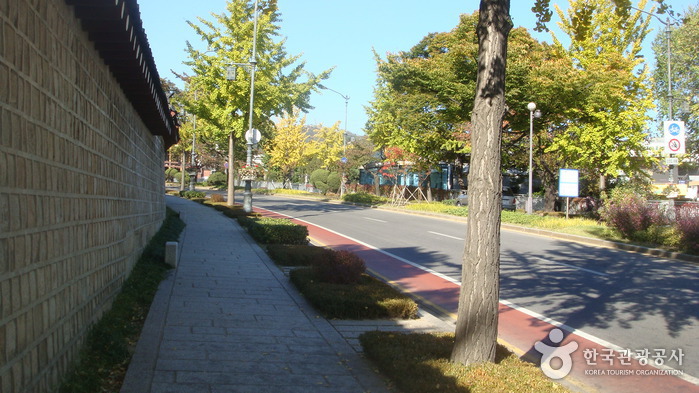
The Street in front of Cheongwadae (The Blue House) (청와대 앞길)
1.8Km 2025-08-20
Gungjeong-dong, Jongno-gu, Seoul
The street in front of Cheongwadae (the Blue House) is open to the public and includes both Hyoja Samgeori (Hyoja three-way intersection) in Hyoja-dong and Palpan Samgeori (Palpan three-way inetersection) in Palpan-dong. When walking along Hyoja-ro Road from Gyeongbokgung Station, sights include a fountain, Mugunghwa Garden, Yeonmugwan Hall, and Daegogak & Yeongbingwan Hall.
Cheongwadae Sarangchae consists of one basement level and two above-ground levels, including Korean Culture Exhibition Hall, Planned Exhibition Hall, a gift shop, and rest area (Korean Food Promotion Hall, Café) on the first floor and Cheongwadae Hall and Haengboknuri Hall on the second floor. Daegogak Hall houses a book donated to former president, Kim Young-sam for expressing the past spirit of Sinmungo (Petitioner's drum from Korean History). Yeonmugwan Hall is a martial art and fitness center for guards. Mugunghwa Dongsan, formed after the ansa (Safe House) was demolished in 1993, includes a well, mock fortress, and rest area. Located behind Mugunghwa Dongsan is Apostolic Nunciature in Korea and Chilgung (Seven Palaces).
At the beginning of the street in front of Cheongwadae, dense trees and beautiful flower gardens decorating both sides of the road make it a nice place for taking a walk. The area from the north gate of Gyeongbokgung Palace, Chunchumun, to the main gate of Gyeongbokgung Palace, Geonchunmun, is Samcheongdong-gil Road. This road is home to many art galleries, including Kukje Gallery, Growrich Gallery, Gallery Hyundai, and Jin Art gallery, in the area of Hyoja-ro.
 English
 한국어
한국어 日本語
日本語 中文(简体)
 Deutsch
 Français
 Español
 Русский


